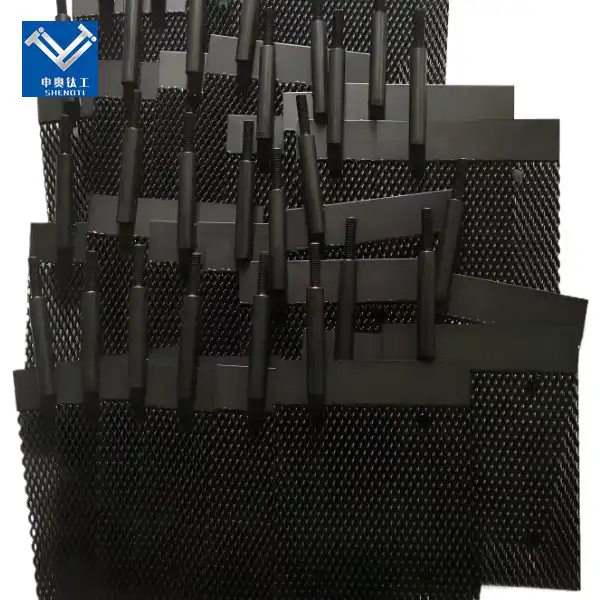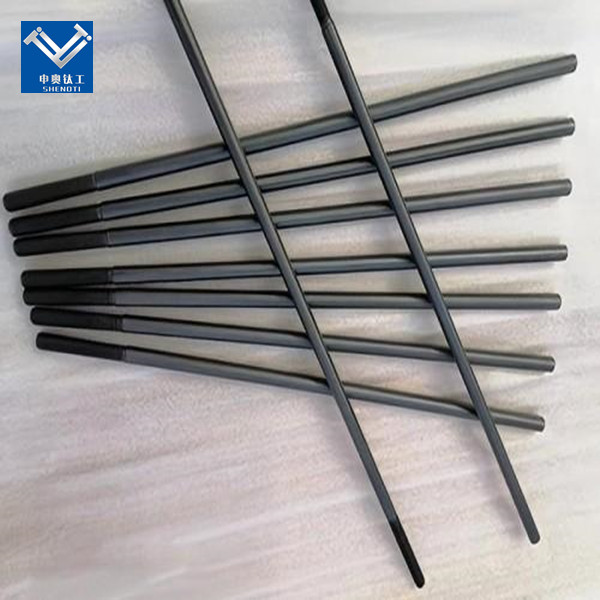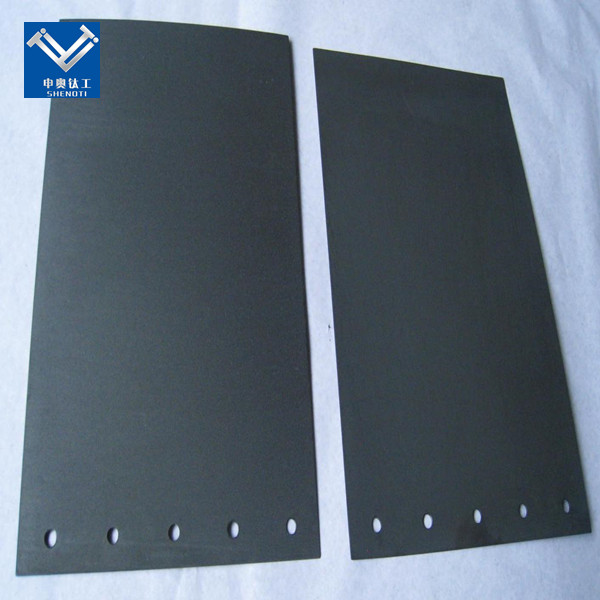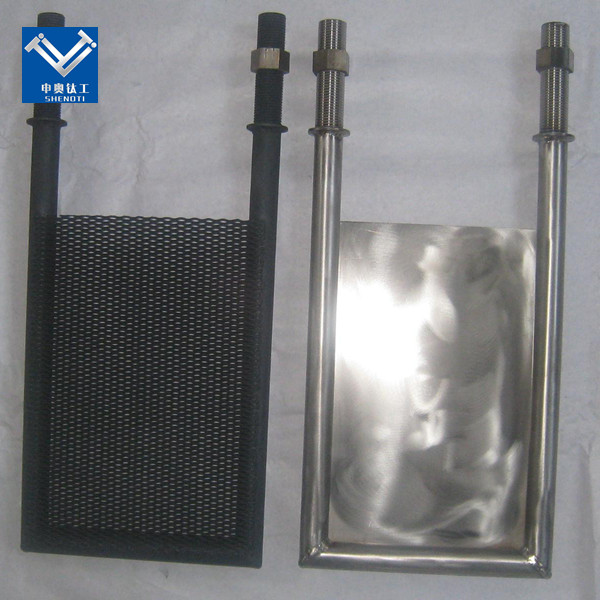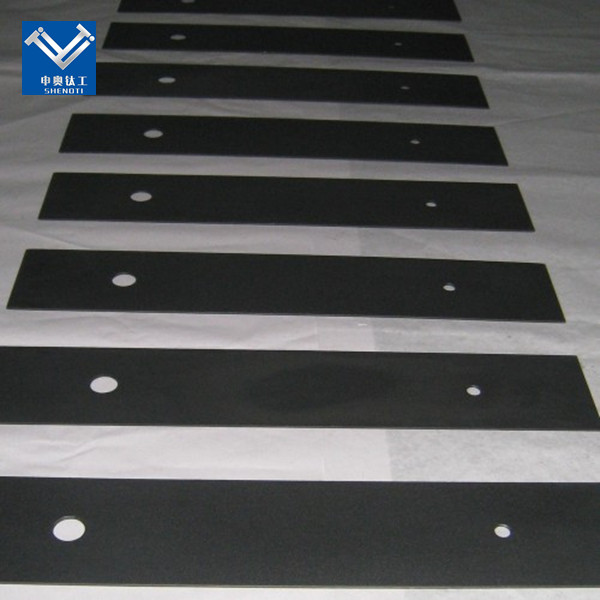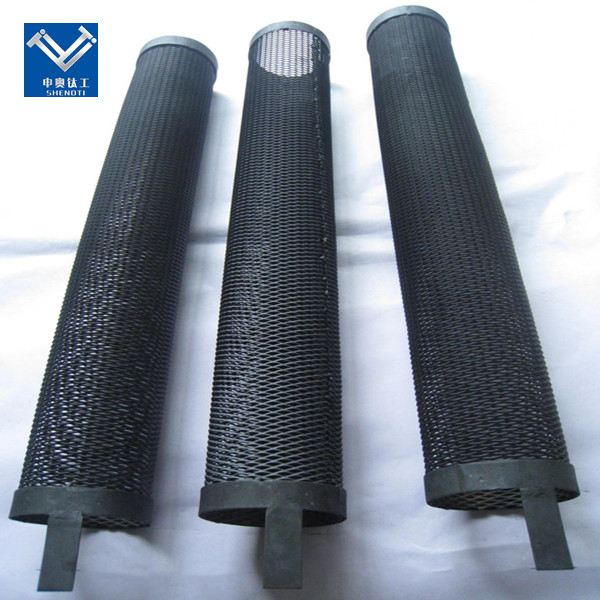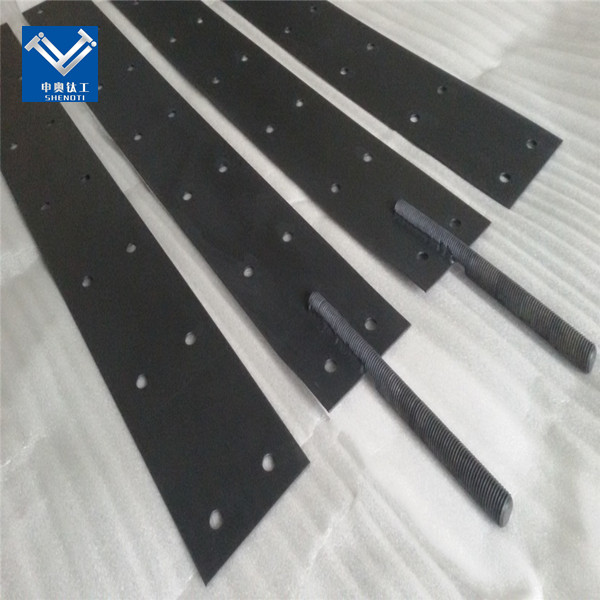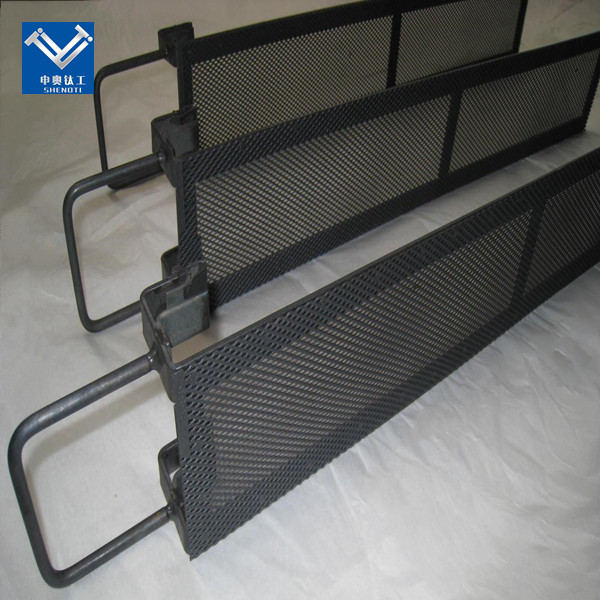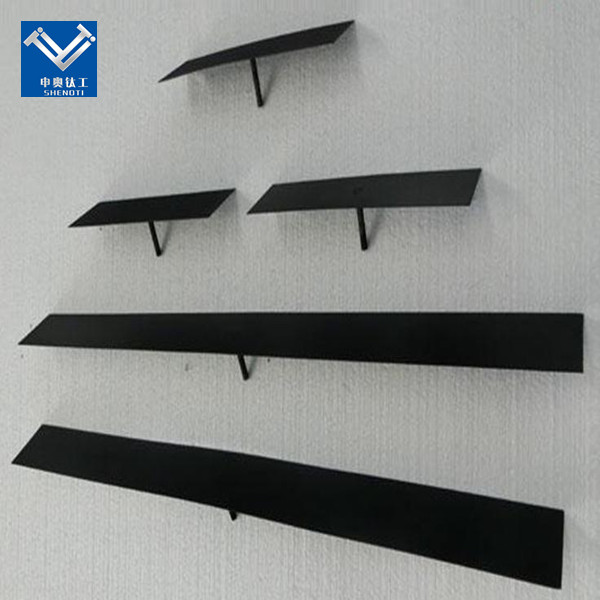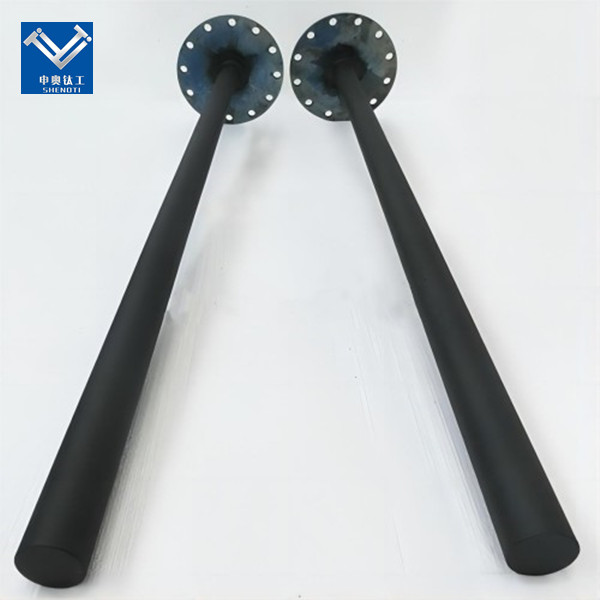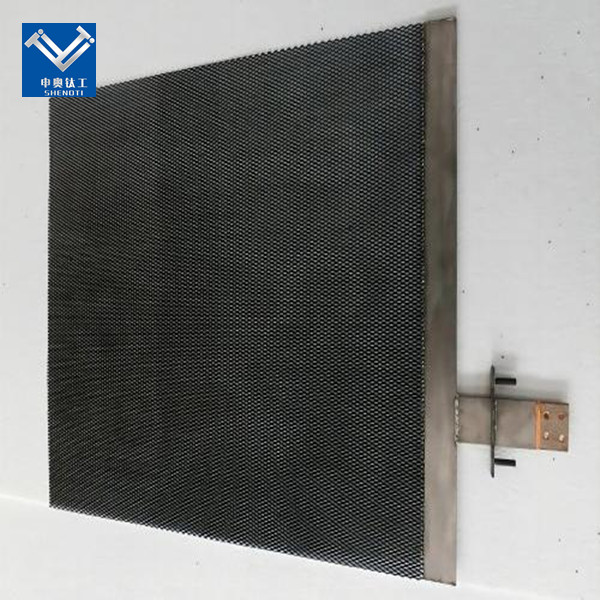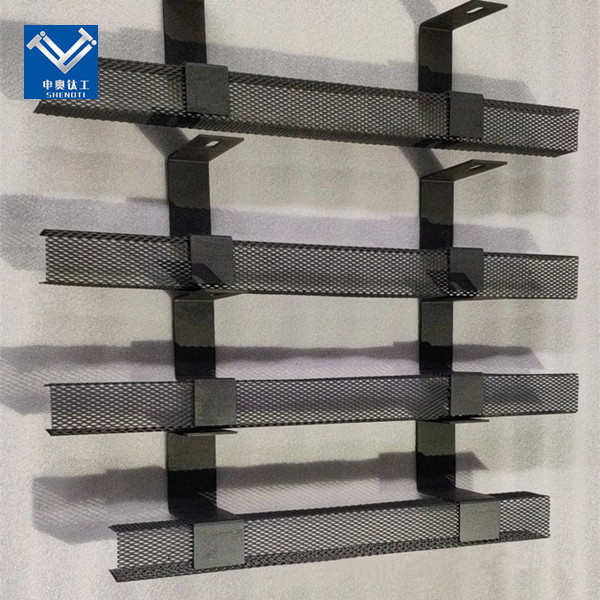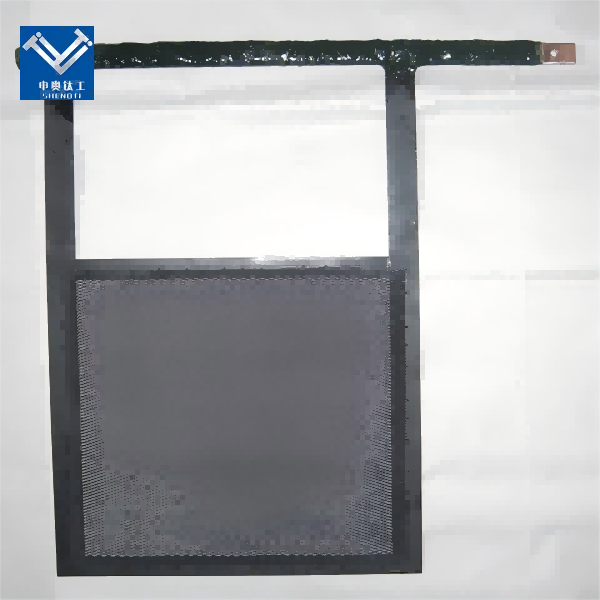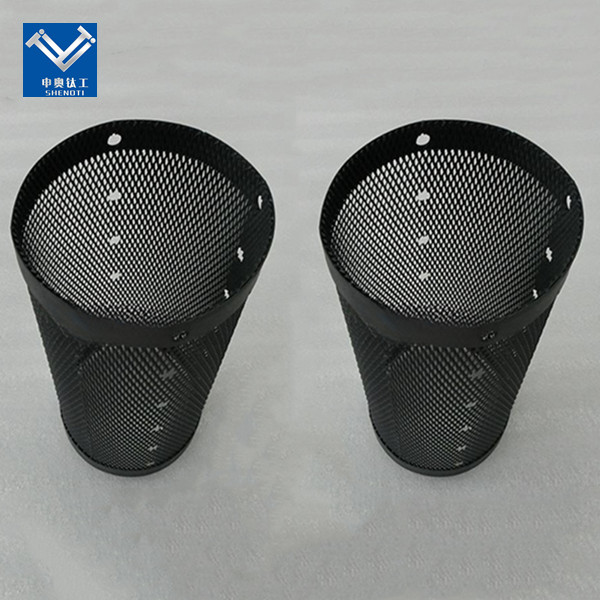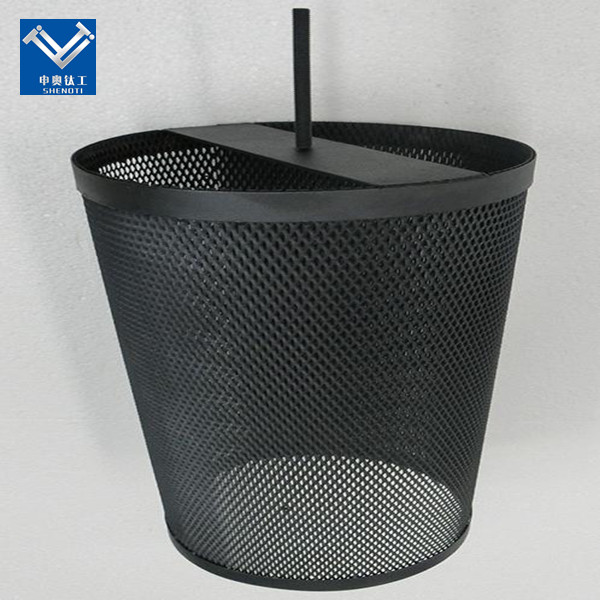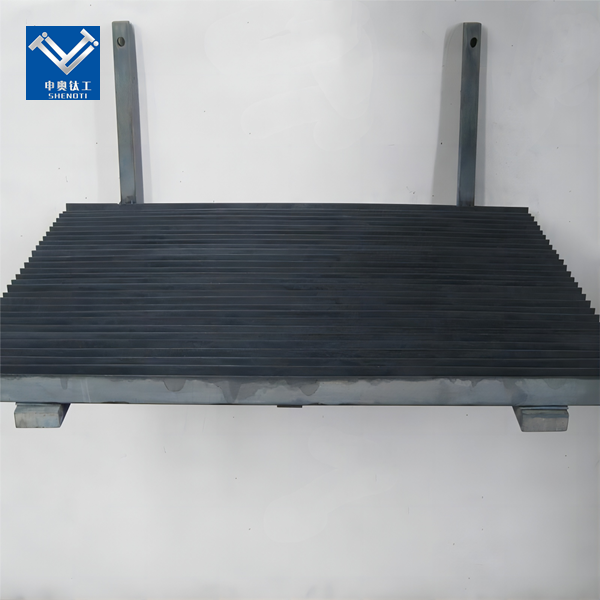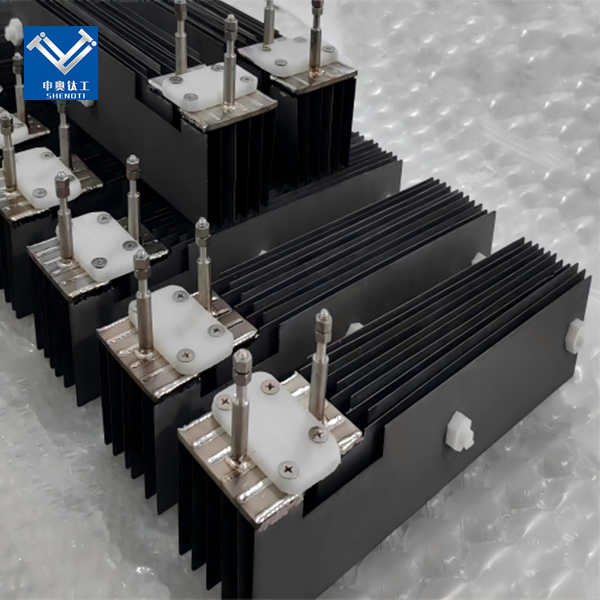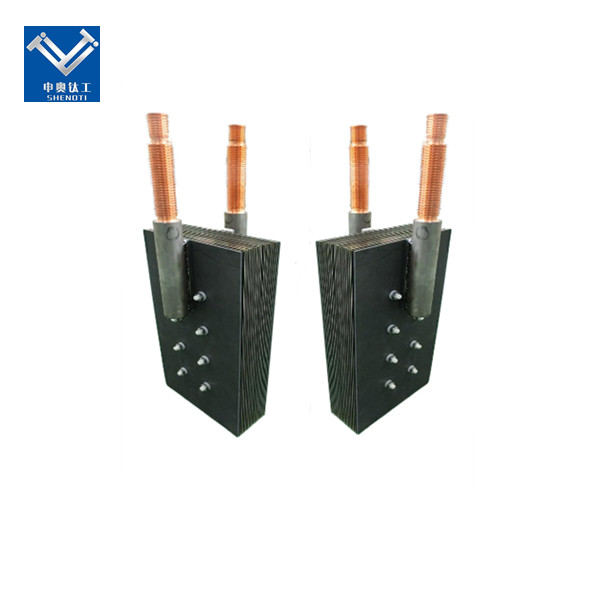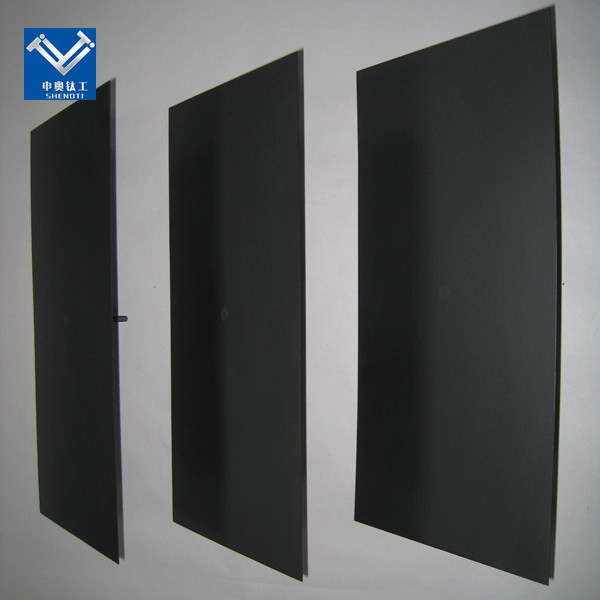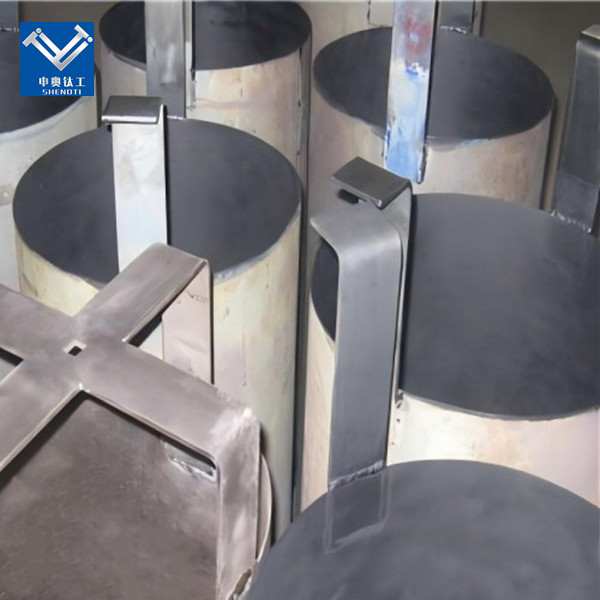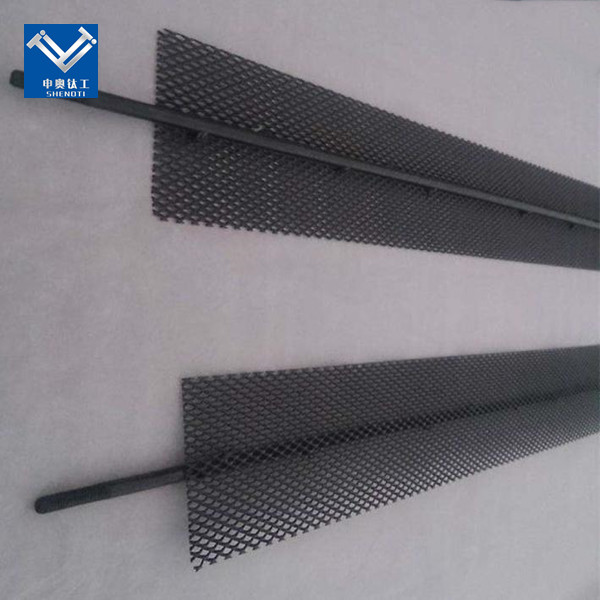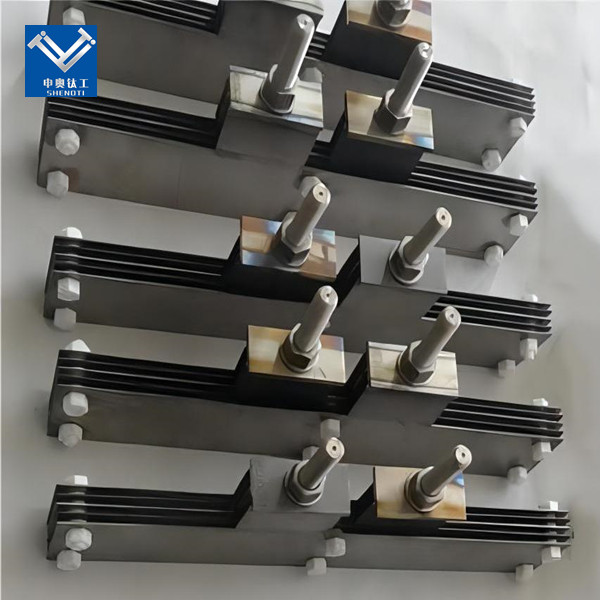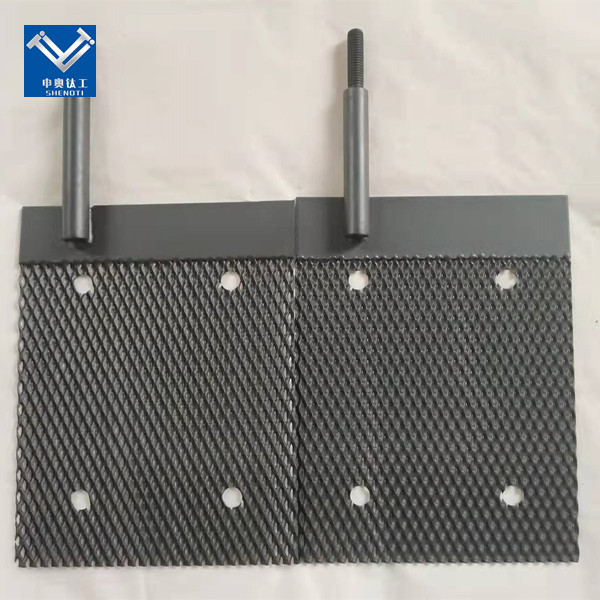
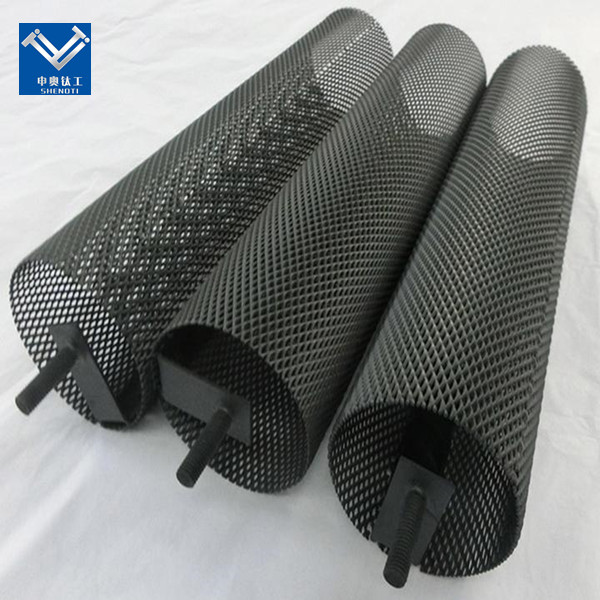
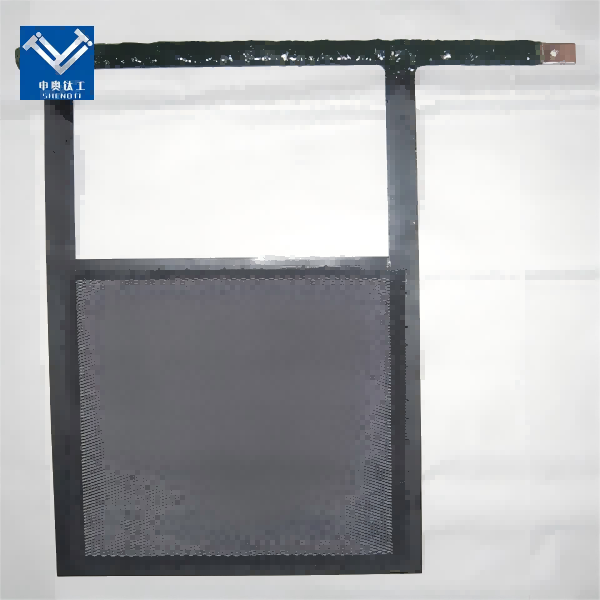
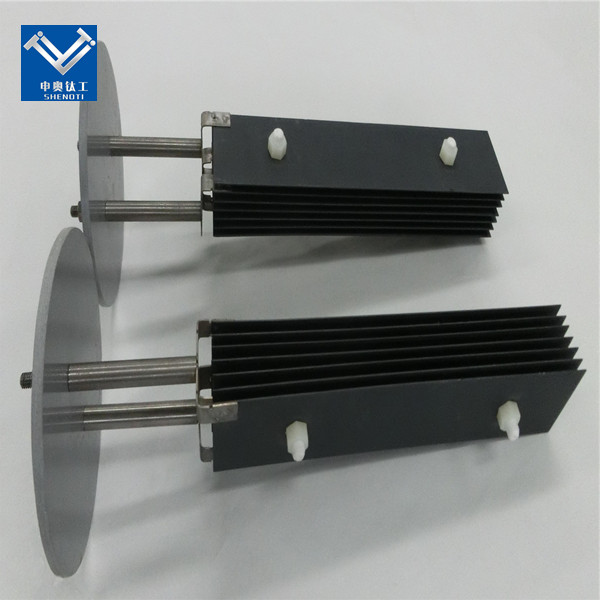
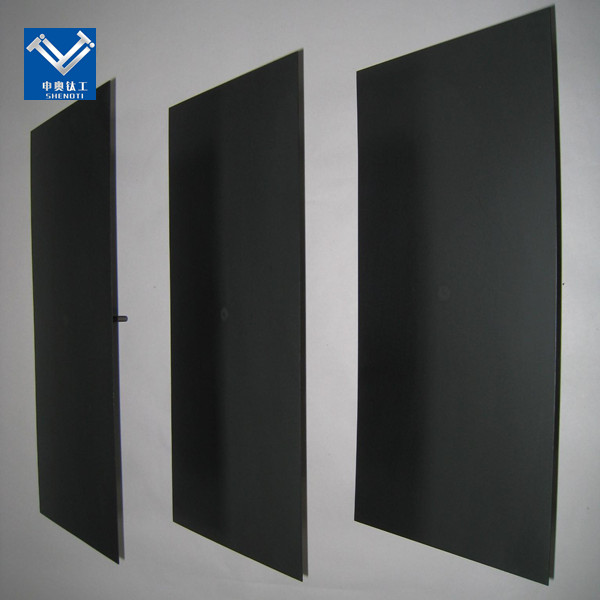
Titanium anode for ammonia nitrogen wastewater treatment


Titanium content:99.6%
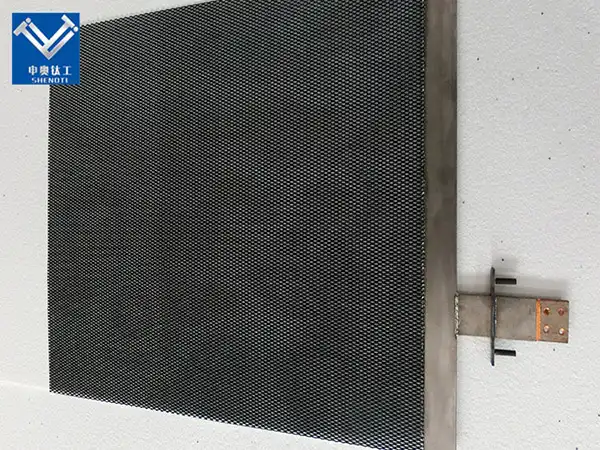
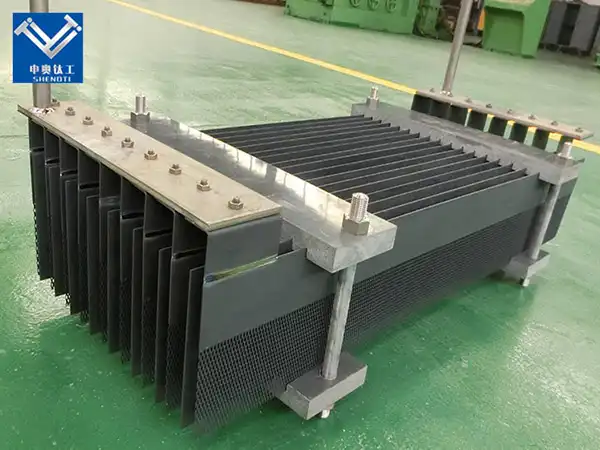
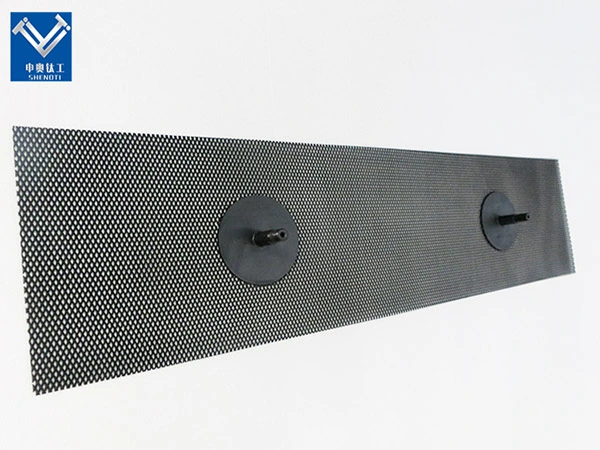
Product Name:Titanium mesh electrode treatment of ammonia nitrogen wastewater
Other names:MMO titanium anode, DSA titanium anode, insoluble titanium anode
Substrate:Titanium Grade 1 Grade 2
Metal content:8~25g/㎡
Coating thickness:8~12㎛
Working temperature:<60℃
Working life:>5 years
Titanium Anode for Ammonia Nitrogen Wastewater Treatment
Titanium anode for ammonia nitrogen wastewater treatment from Baoji City ShenAo Metal Materials delivers enterprise-grade performance you can count on. Our DSA technology achieves current densities of 200-1000 A/m² with coating thickness of 8-12 μm, ensuring operational stability across pH ranges 1-12. With 99.6% titanium purity and a proven service life exceeding 5 years, you're getting a dimensionally stable electrode that reduces downtime and maintenance costs. Since 2008, we've helped hundreds of facilities overcome the limitations of biological treatment systems in high-toxicity environments.
What Makes Our Titanium Anode Different?
You face real challenges every day. High ammonia concentrations. Fluctuating influent quality. Energy costs eating into your budget.
Our product solves these pain points through advanced mixed metal oxide coating technology. The Ru-Ir or Ir-Ta catalytic layer on Grade 1/Grade 2 titanium substrate generates active chlorine species in situ, breaking down NH3-N molecules without producing excess sludge.
Traditional methods struggle with low C/N ratios. Biological systems need long startup times. Chemical precipitation creates disposal headaches.
This electrochemical approach works differently. It delivers direct and indirect oxidation simultaneously. You get consistent performance regardless of temperature fluctuations or toxic shock loads.
|
|
|
|
|
|
|
|
|
|
|
|
|
|
|
|
|
|


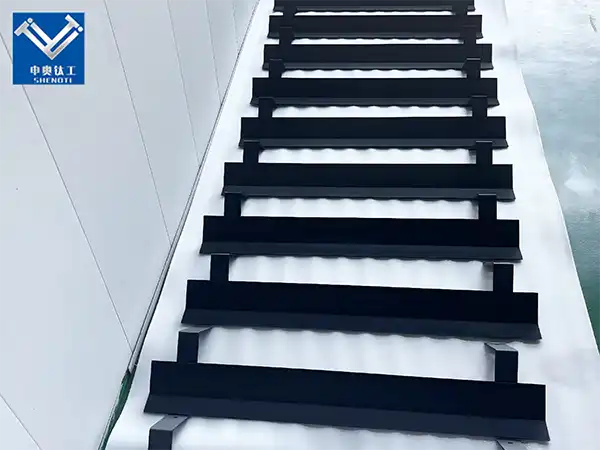






Technical Specifications
|
Parameter
|
Specification
|
|
Product Name
|
Titanium mesh electrode for ammonia nitrogen wastewater
|
|
Substrate Material
|
Titanium Grade 1 / Grade 2
|
|
Titanium Content
|
99.6%
|
|
Coating Type
|
MMO (Ru-Ir / Ir-Ta)
|
|
Metal Content
|
8~25 g/m²
|
|
Coating Thickness
|
8~12 μm
|
|
Current Density Range
|
200-1000 A/m²
|
|
Working Temperature
|
<60°C
|
|
pH Range
|
1-12
|
|
Service Life
|
>5 years
|
|
Production Process
|
Sandblasting, Pickling, Brushing
|
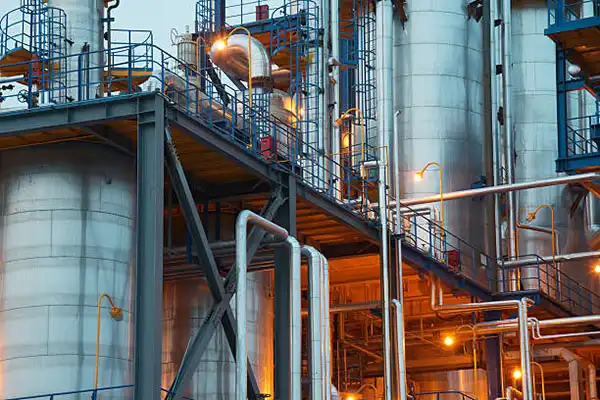
Where You Can Deploy This Technology?
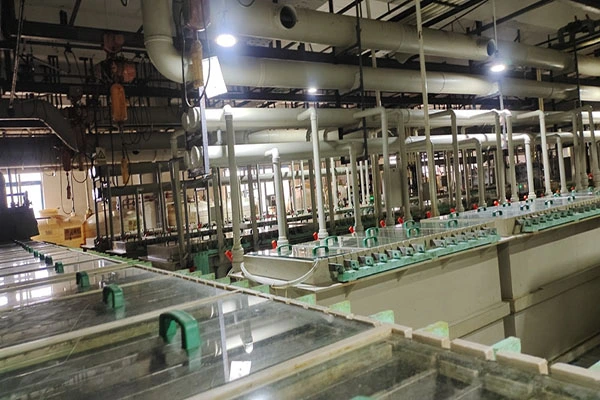
Landfill Leachate Treatment
High salinity doesn't stop our anodes. They thrive in chloride-rich environments for Titanium anode for ammonia nitrogen wastewater treatment, converting those ions into hypochlorite. You'll see deep removal of both ammonia and refractory COD that biological systems can't touch.
Coking and Petrochemical Wastewater
Phenols and cyanides kill bacteria. But they don't affect our titanium electrodes. You get robust oxidation without adding chemicals or waiting for microbial acclimatization.
Mariculture and Aquarium Systems
Trace ammonia becomes toxic fast in closed-loop systems. Our anodes maintain safe water quality without bulky bio-filters. Your aquatic life stays healthy.
 |
 |
 |
 |
 |
 |
 |
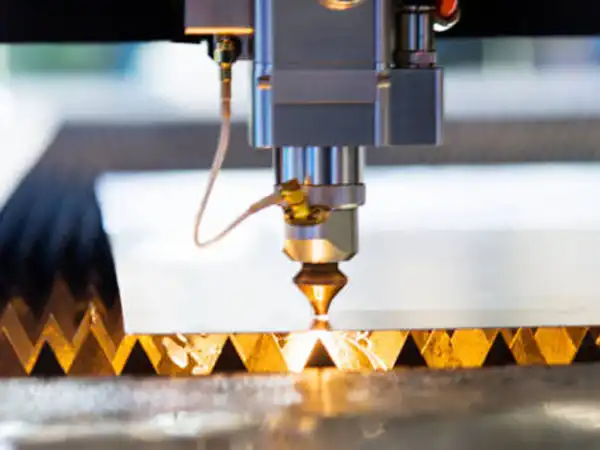
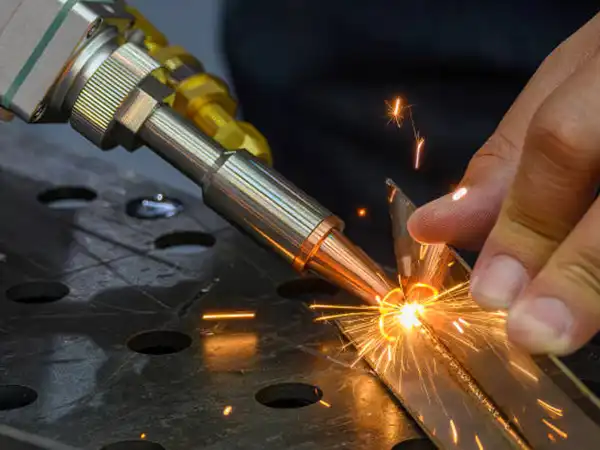
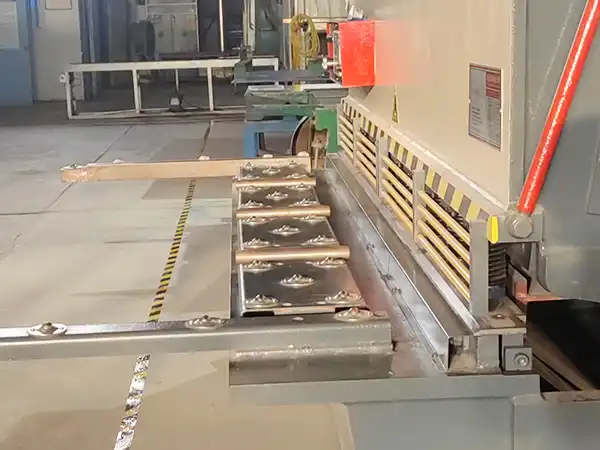
Product production process
|
|
|
|
|
|
|
|
|
|
|
|




Why Partner with ShenAo Metal Materials?
17 Years of Manufacturing Excellence
We've been perfecting metal composite materials since 2008. Our location in China's Titanium Valley gives us direct access to premium raw materials and specialized processing capabilities.
Customization That Fits Your Process
Every wastewater system has unique requirements. We provide tailored specifications based on your flow rates, ammonia concentrations, and space constraints. Small pilot tests or full-scale production—we deliver on time.
Reliable Performance, Backed by Data
Our strict quality management system ensures every anode meets performance standards. You won't face unexpected failures or premature coating degradation. The dimensional stability of our DSA technology means consistent electrode gaps and lower cell voltage throughout the service life.
 |
 |
 |
 |
 |
 |
 |
 |
 |
Application Industries
 |
 |
 |
 |
 |
 |
 |
 |
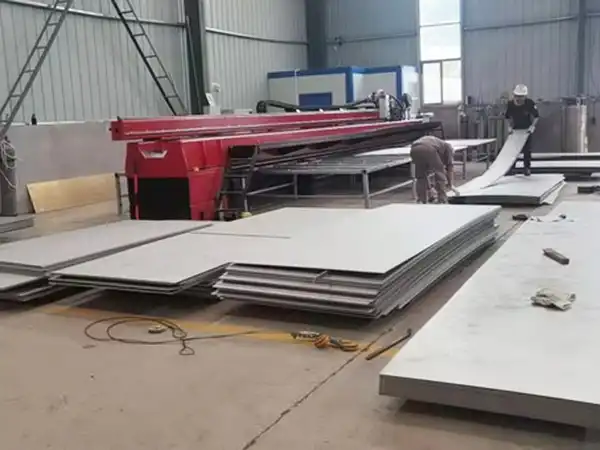
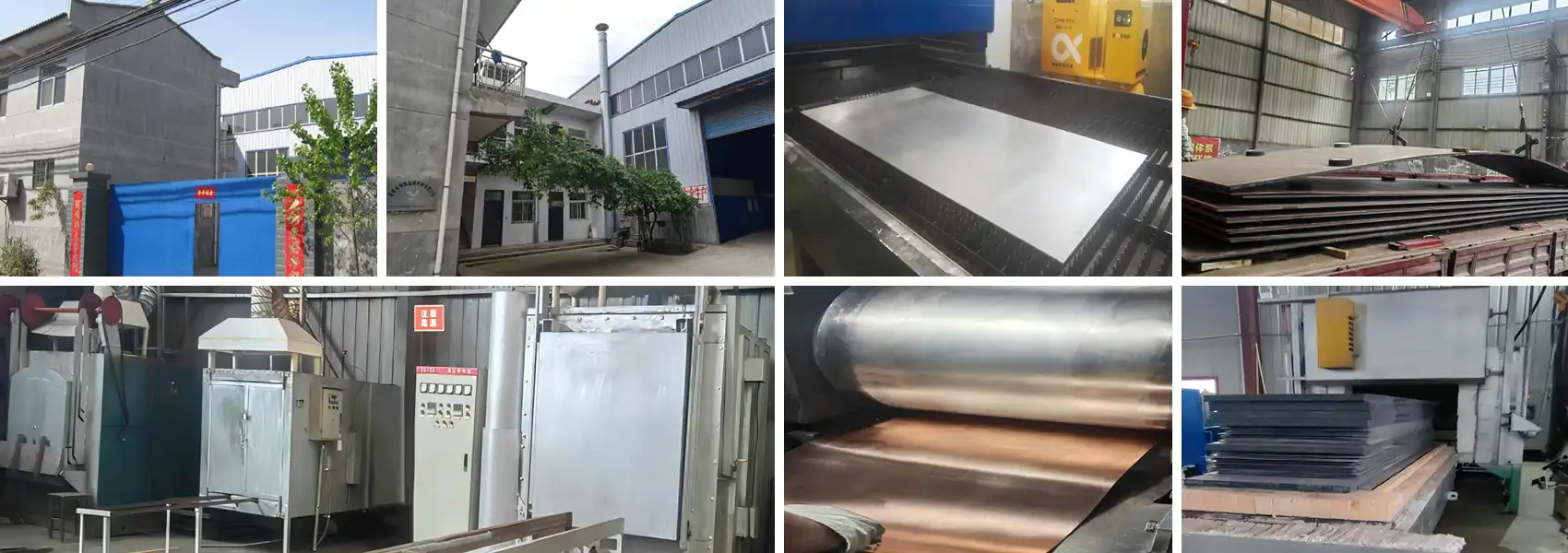
Our Factory
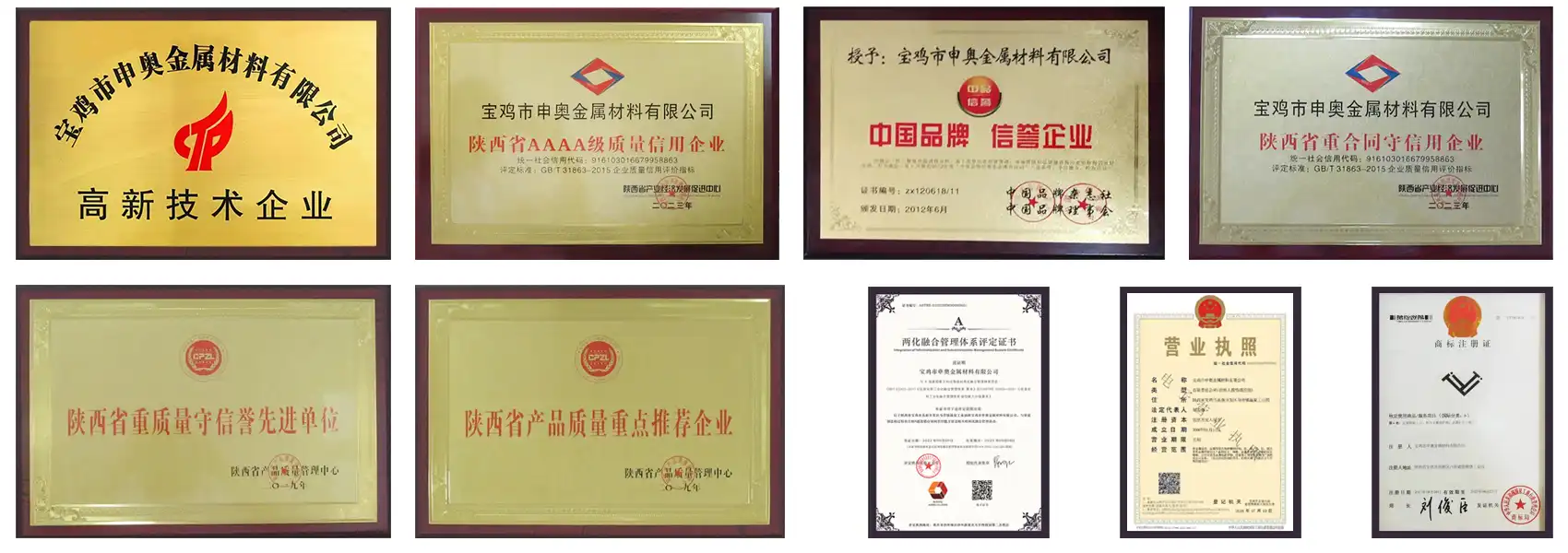
Our Patents and Honors

 Our Packaging
|
|
|
|
|
|
|
|
|
|
|
|





Frequently Asked Questions
Q: How does the item compare to organic nitrification?
A: Our electrochemical approach works quickly without startup time. It handles tall concentrations and harmful compounds that hinder microscopic organisms. You moreover dodge slime transfer issues entirely.
Q: What upkeep does the anode require?
A: Negligible mediation required. Occasional visual assessment and intermittent corrosive cleaning keep up ideal execution. The coating doesn't devour amid operation, not at all like graphite or lead anodes.
Q: Can it handle fluctuating smelling salts loads?
A: Completely. Essentially alter current thickness to coordinate your influent concentrations. The reaction is moment, not at all like organic frameworks that require time to adapt.
Q: What's the genuine vitality consumption?
A: Our moo overpotential coating diminishes control necessities by 20-30% compared to more seasoned anode innovations. Correct utilization depends on your particular water chemistry and treatment targets.
Q: Will chloride substance influence performance?
A: Higher chloride really moves forward proficiency by supporting hypochlorite era. The anode works viably in both moo and tall saltiness conditions.
Q: How do I decide the right anode measure for my system?
A: Share your stream rate, smelling salts concentration, and target profluent quality. Our specialized group will calculate the required cathode surface zone and prescribe ideal setup.
Get Expert Support for Your Wastewater Challenge
Our team brings 17 years of electrochemical expertise to your project for Titanium anode for ammonia nitrogen wastewater treatment. Contact us at zh@baojiti.com.cn for customized solutions today.
YOU MAY LIKE