Titanium anode for sewage treatment


Coating composition: Ruthenium oxide, iridium oxide, or platinum
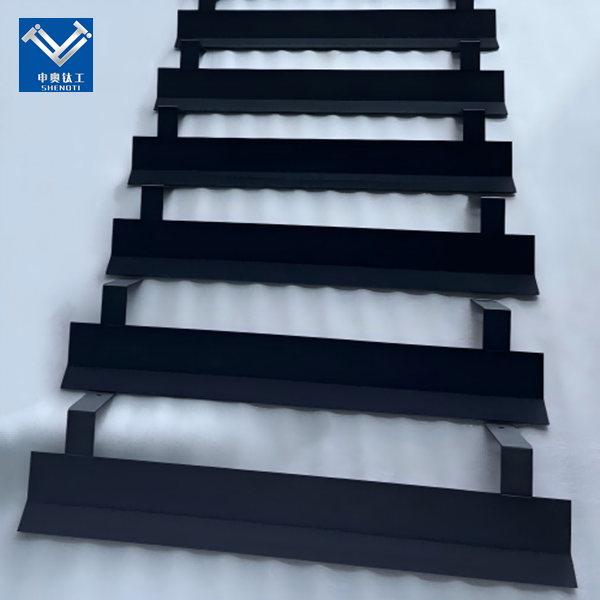
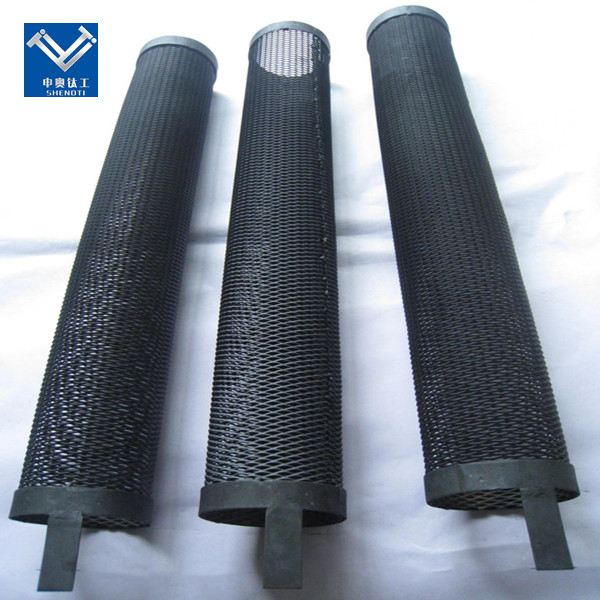
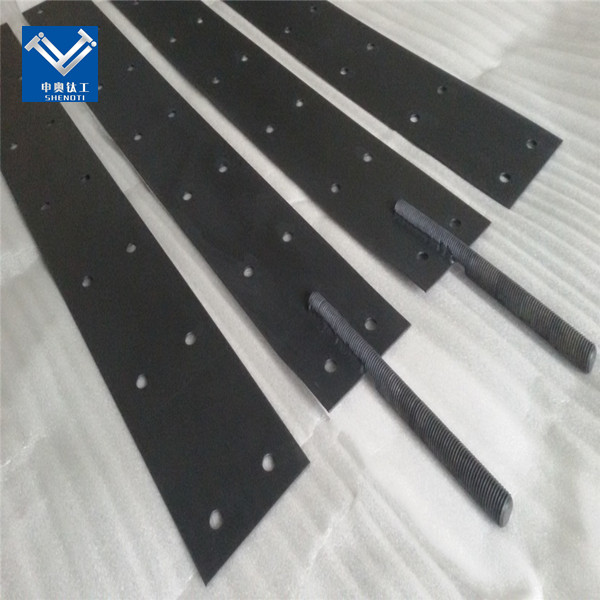
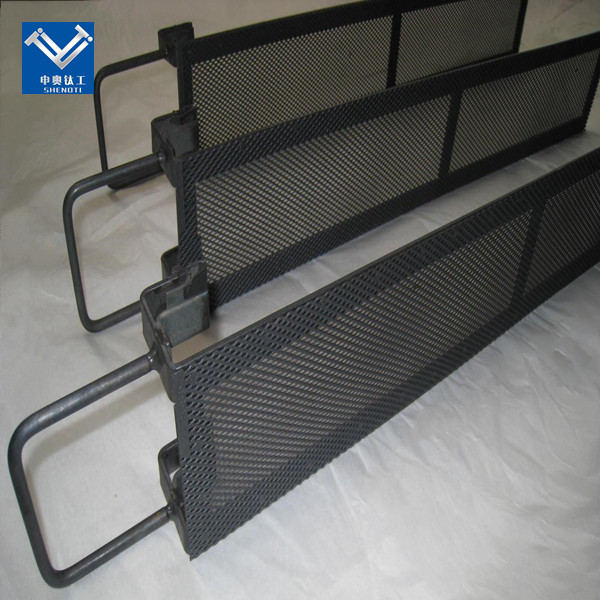
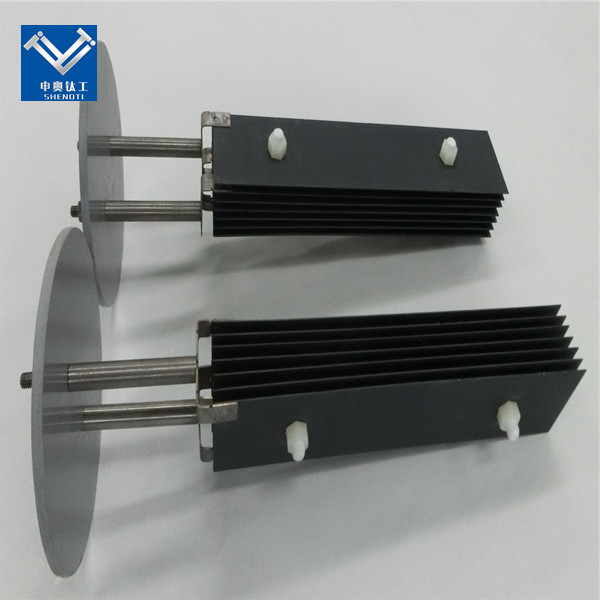
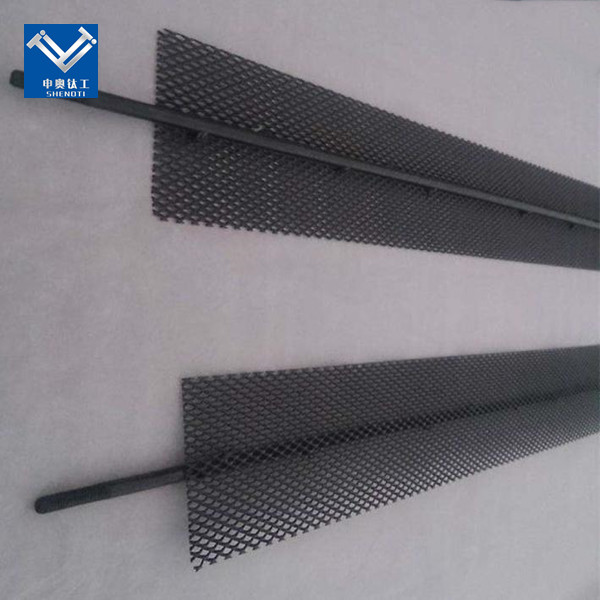
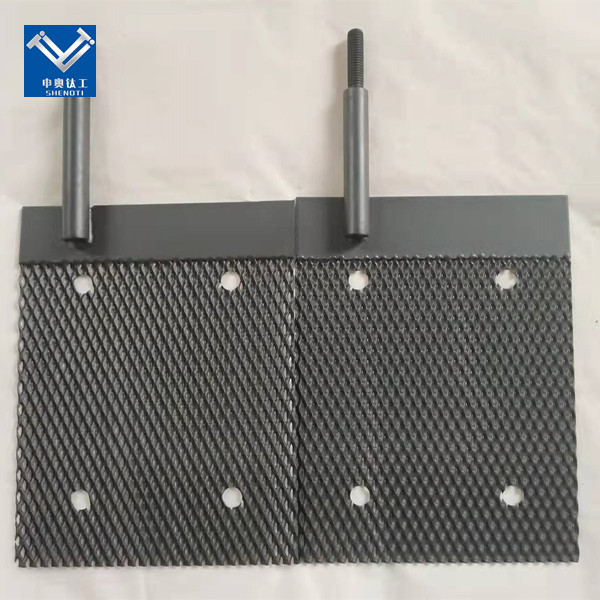
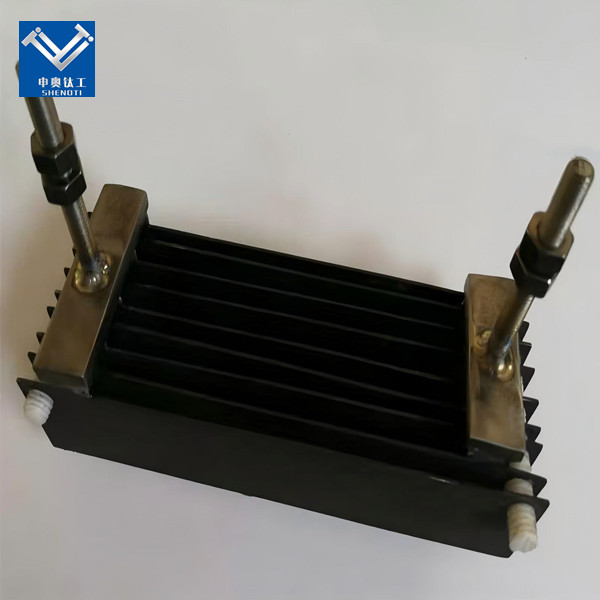
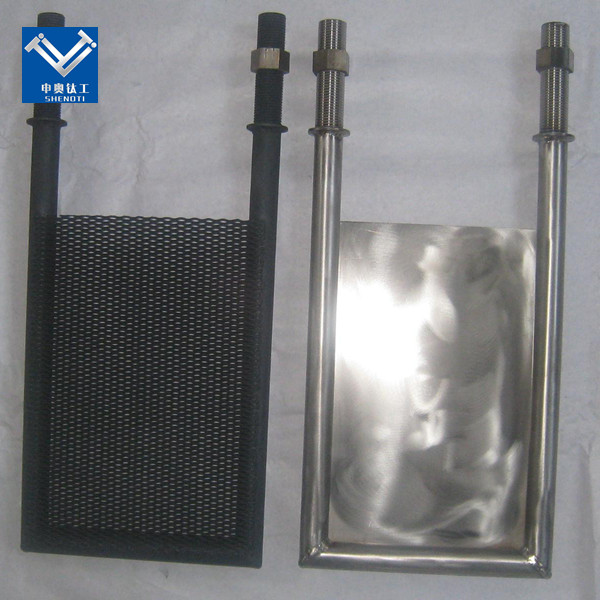
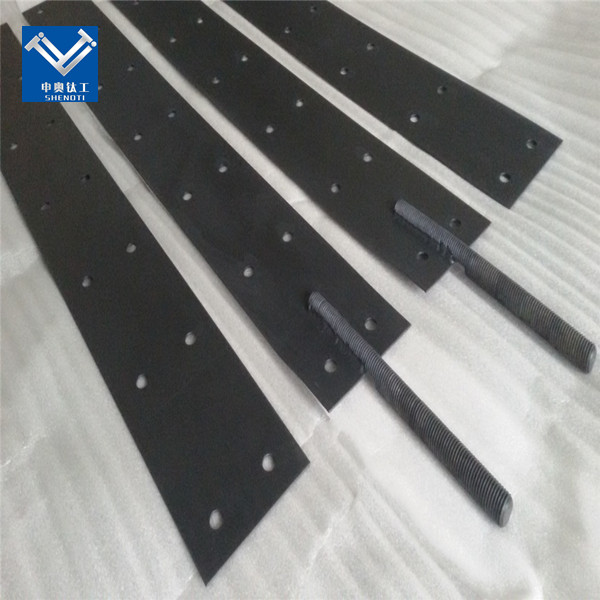
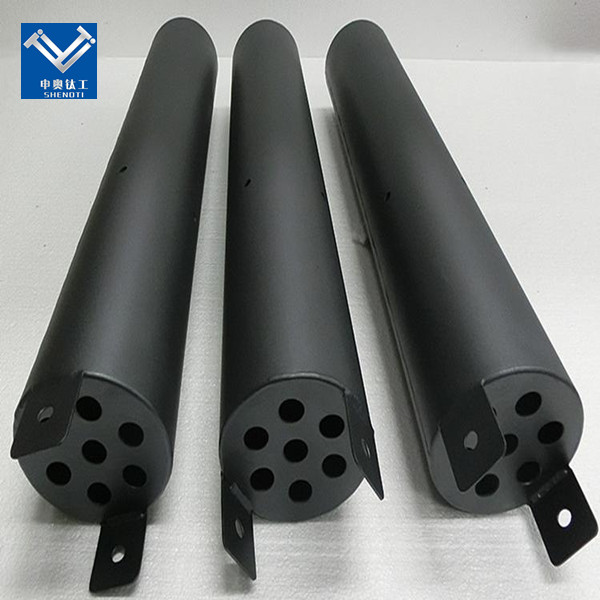
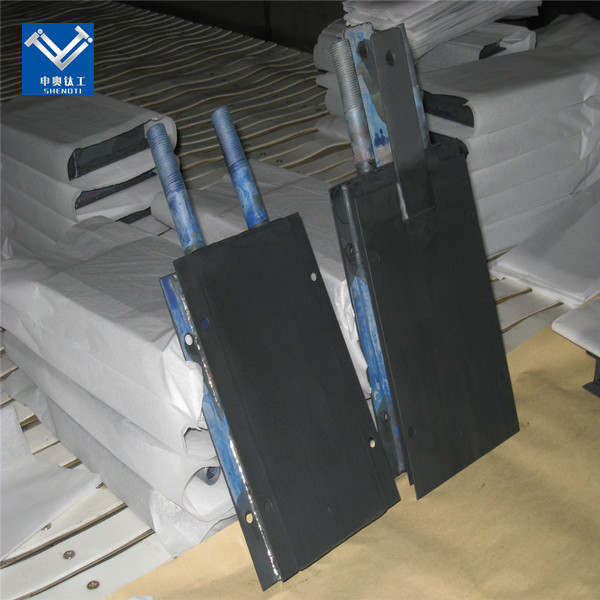
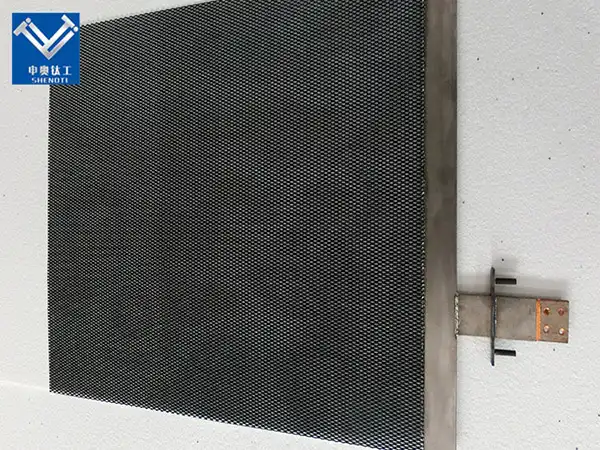
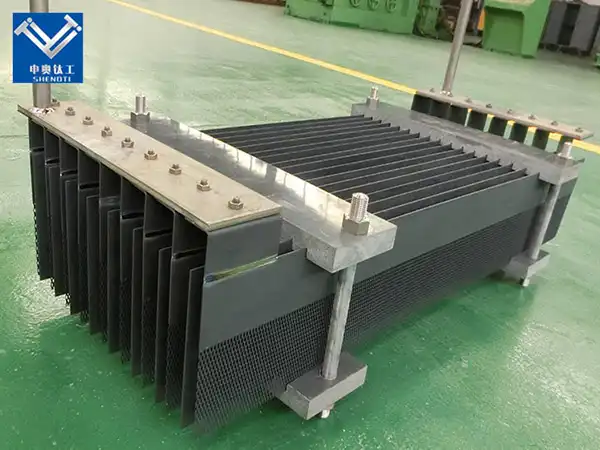
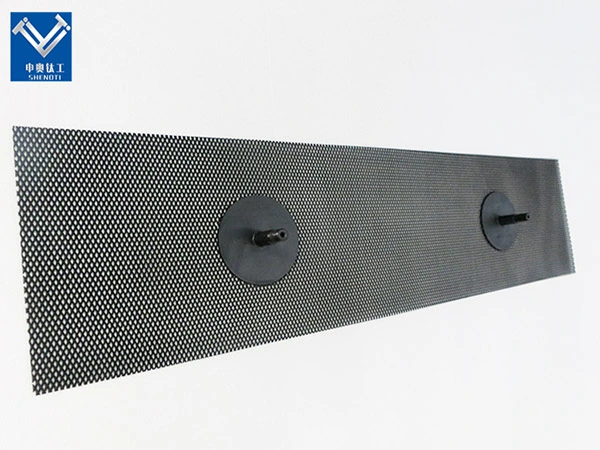
Shape options: Plate, mesh, tubular, or rod type
Operating voltage: 3–12 V
Working environment: Acidic, neutral, or alkaline wastewater
Titanium Anode for Sewage Treatment
Baoji City ShenAo Metal Materials Co., Ltd. brings you Titanium anode for sewage treatment backed by 17 years of manufacturing excellence. Our DSA (Dimensionally Stable Anode) technology features Grade 1 or Grade 2 industrial pure titanium substrates with precision MMO coatings of 8–15 microns thickness. Operating at current densities of 500–2000 A/m² and voltage ranges of 3–12 V, your system achieves rapid COD/BOD reduction while maintaining dimensional stability in acidic, neutral, or alkaline environments. Compliant with HG/T 2471-2011 standards, our anodes deliver >99.6% substrate purity and exceptional bonding strength to prevent delamination during intensive gas evolution cycles.
Why Choose Our Titanium Anode Technology?
Superior Performance in Harsh Conditions
Your wastewater treatment facility faces daily challenges. High chloride concentrations corrode traditional electrodes. Fluctuating organic loads destabilize biological processes. Our titanium anodes solve these pain points.
The catalytic coating generates hydroxyl radicals and active chlorine species. These oxidants break down stubborn organics that conventional microbes cannot digest. You get consistent treatment results regardless of influent variability.
Extended Service Life Reduces Operational Costs
Traditional graphite or lead anodes degrade quickly. You face frequent replacements and system downtime. Our dimensionally stable design maintains its geometry throughout years of continuous operation.
The low oxygen evolution overpotential cuts your energy consumption significantly. You'll notice reduced electricity bills while achieving better effluent quality.
Versatile Configuration Options
We understand that every treatment system has unique requirements. That's why we offer multiple form factors:
· Plate type: Ideal for compact reactor designs
· Mesh configuration: Maximizes active surface area
· Tubular format: Perfect for flow-through applications
· Rod style: Suited for vertical electrode assemblies
Choose ruthenium oxide coating for chlorine evolution applications. Select iridium oxide when oxygen generation dominates. Platinum coating serves specialized pharmaceutical wastewater needs.
|
|
|
|
|
|
|
|
|
|
|
|
|
|
|
|
|
|









Technical Specifications
|
Parameter
|
Specification
|
|
Base Material
|
Industrial Pure Titanium (Grade 1 or Grade 2)
|
|
Coating Composition
|
Ruthenium oxide, Iridium oxide, or Platinum
|
|
Coating Thickness
|
8–15 microns
|
|
Current Density Range
|
500–2000 A/m²
|
|
Operating Voltage
|
3–12 V
|
|
Working Environment
|
Acidic, neutral, or alkaline wastewater
|
|
Substrate Purity
|
>99.6%
|
|
Compliance Standard
|
HG/T 2471-2011
|
|
Available Shapes
|
Plate, mesh, tubular, rod
|
Real-World Applications
Industrial Wastewater Mineralization
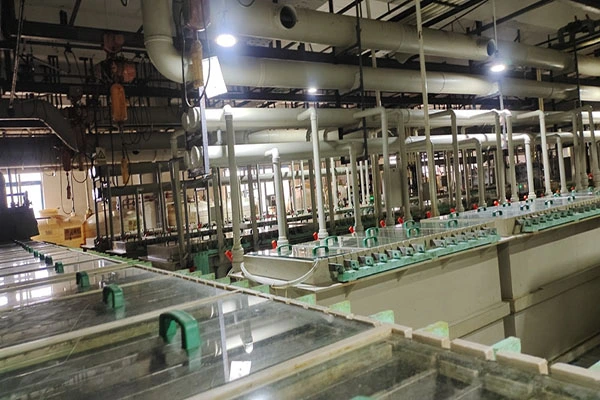
Pharmaceutical and chemical plants generate wastewater containing phenols and toxic nitro-compounds. Biological treatment fails in these extreme conditions. Our product facilitates complete mineralization through advanced electrochemical oxidation. You achieve discharge compliance without hazardous chemical dosing.
Landfill Leachate Processing
Leachate presents one of the toughest treatment challenges. High salinity levels exceed 20,000 mg/L. Ammonia nitrogen concentrations reach hundreds of mg/L. Our anodes simultaneously evolve chlorine and oxygen. This dual-action removes ammonia nitrogen while breaking down humic acids. Your membrane systems downstream experience less fouling.
Cooling Water Management
Power plants and steel mills rely on circulating cooling systems. Bio-fouling reduces heat transfer efficiency. Mineral scaling blocks flow channels. The Titanium anode for sewage treatment generates active chlorine for continuous disinfection. Electrolytic descaling maintains thermal performance. You avoid costly maintenance shutdowns in these highly corrosive environments.
 |
 |
 |
 |
 |
 |
 |
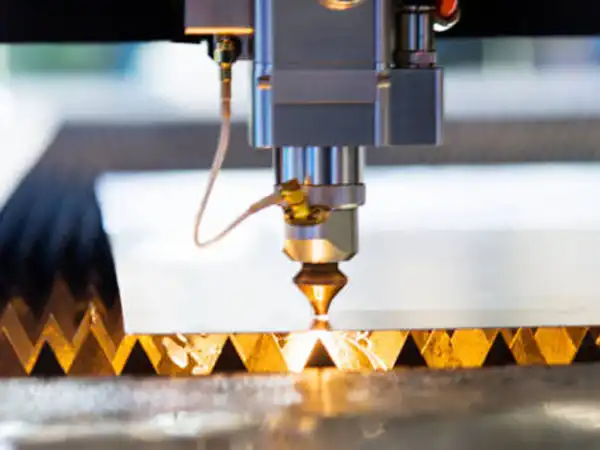
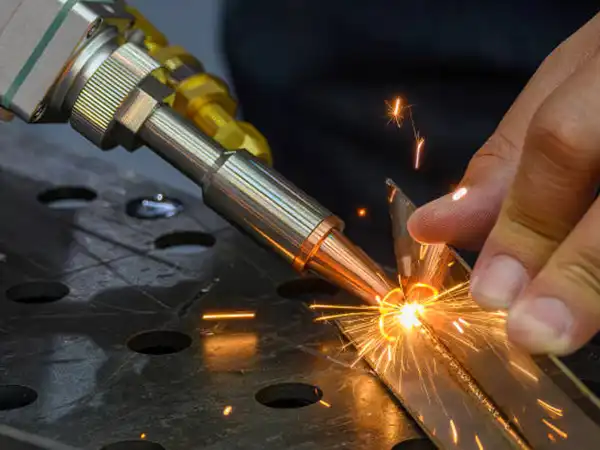
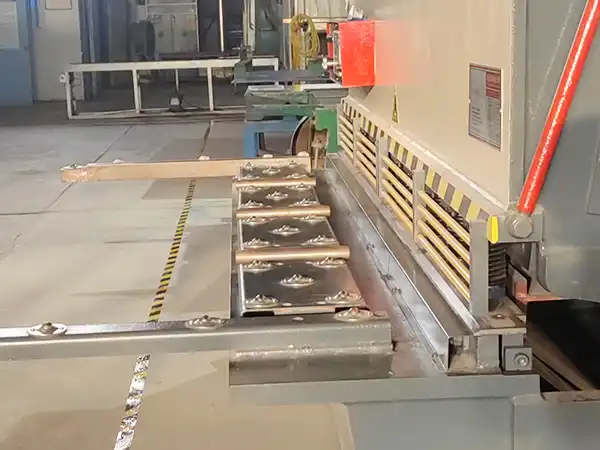
Product production process
|
|
|
|
|
|
|
|
|
|
|
|




Our Manufacturing Advantage
17 Years of Proven Expertise
Since 2008, we've specialized in valuable metal coated titanium anodes. Found in China's Titanium Valley, we use develop bimetallic hazardous welding innovation and progressed dynamic coating forms. Our organizations with hundreds of electrochemical application endeavors approve our item reliability.
Strict Quality Control
Every anode experiences thorough testing some time recently shipment. We confirm coating thickness consistency. We degree holding quality. We test catalytic movement. This commitment guarantees you get cathodes that perform as specified.
Customization for Your Requirements
Your treatment framework has particular measurements and chemical conditions. We give customized arrangements coordinating your correct needs. Small-batch testing or large-scale production—we provide on time with steady quality.
 |
 |
 |
 |
 |
 |
 |
 |
 |
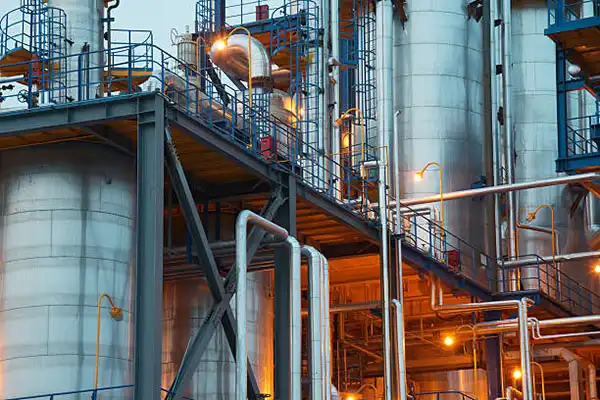
Application Industries
 |
 |
 |
 |
 |
 |
 |
 |
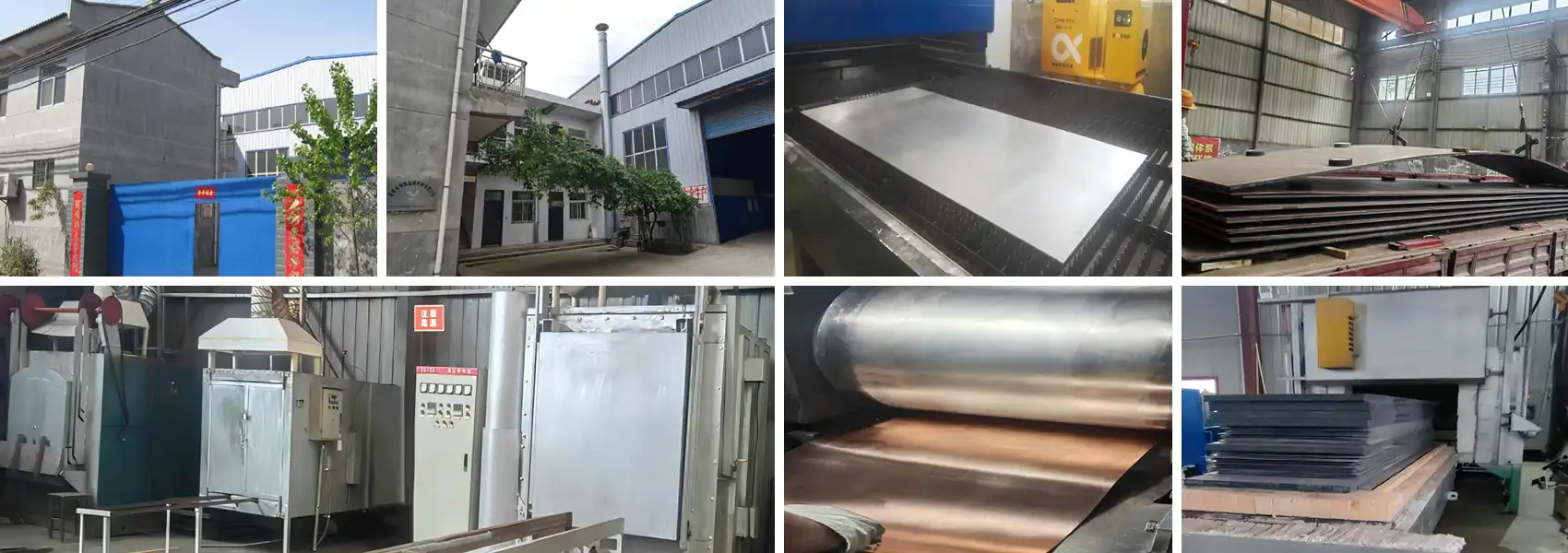
Our Factory
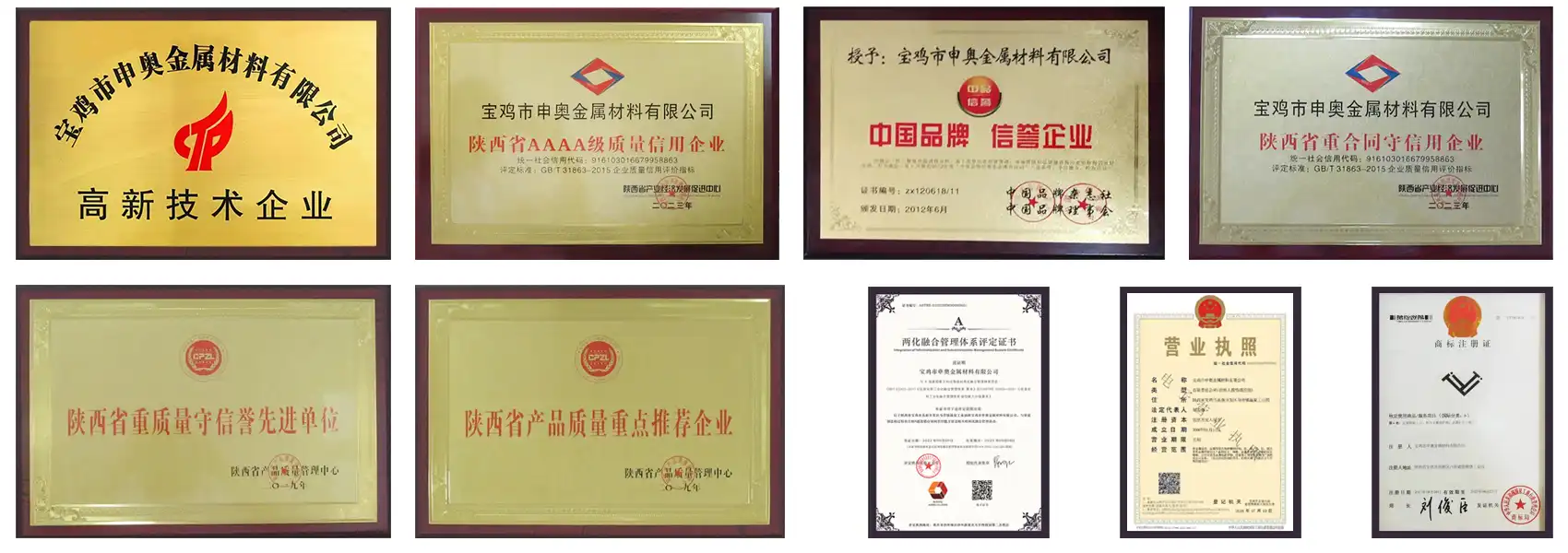
Our Patents and Honors

 Our Packaging
|
|
|
|
|
|
|
|
|
|
|
|





Frequently Asked Questions
Q: How long do titanium anodes final in ceaseless operation?
A: Benefit life depends on current thickness and wastewater composition. Beneath commonplace conditions at 1000 A/m², anticipate 5–10 a long time of steady execution. Appropriate current conveyance and occasional review amplify life expectancy further.
Q: Can these anodes handle high-chloride environments?
A: Completely. The titanium substrate stands up to chloride assault up to immersed concentrations. The ruthenium-iridium coating keeps up catalytic movement indeed in seawater-based systems.
Q: What support do titanium anodes require?
A: Negligible support is required. Occasional visual review recognizes coating harm early. Corrosive washing evacuates mineral stores. Invert extremity cycling avoids scaling buildup in difficult water applications.
Q: How do I select the right coating composition?
A: Ruthenium oxide suits chlorine advancement (hypochlorite era, cleansing). Iridium oxide works for oxygen advancement (natural oxidation). Platinum coating handles specialized natural amalgamation. Contact our specialized group for application-specific recommendations.
Q: Are your items consistent with computerized control systems?
A: Yes. Our anodes coordinated consistently with PLC-controlled treatment frameworks. Steady electrical characteristics empower exact current direction and observing.
Contact Us for Custom Solutions
Ready to upgrade your Titanium anode for sewage treatment system? Reach out to our team at zh@baojiti.com.cn for technical consultation and quotations today.
YOU MAY LIKE