Titanium anodes for wastewater treatment


Strong corrosion resistance
High electrocatalytic activity
Long service life
Reduce energy consumption .
Customizable size
High-efficiency MMO titanium anodes for industrial wastewater treatment systems
Baoji Shenao Metal Materials Co., Ltd. produces wastewater treatment titanium anodes with a pure titanium substrate coated with a mixed metal oxide (MMO) catalytic coating. This coating contains ruthenium, iridium, tantalum, and other precious metal oxides, offering corrosion resistance, high oxygen evolution efficiency, stable electrochemical performance, and a long service life. Applications include industrial wastewater treatment, electrochemical oxidation, sewage disinfection, COD removal, ammonia nitrogen removal, cyanide wastewater treatment, textile wastewater treatment, landfill leachate treatment, and electroplating wastewater purification.
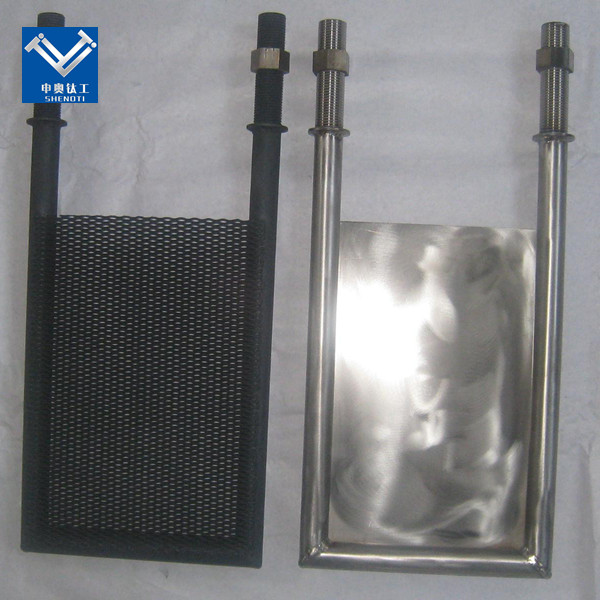
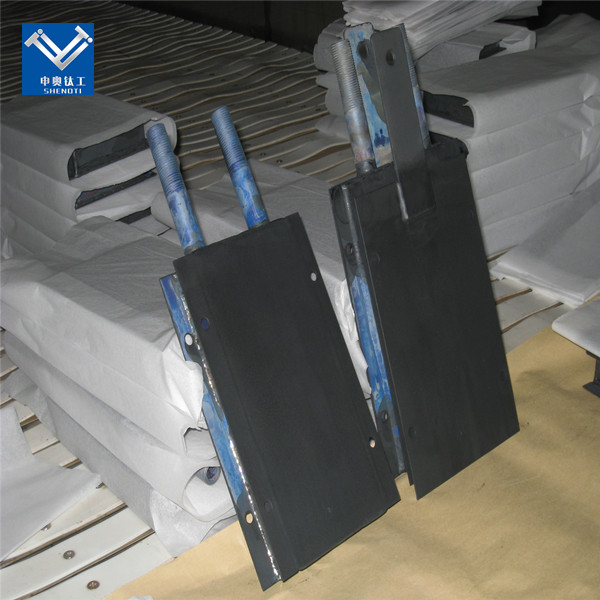
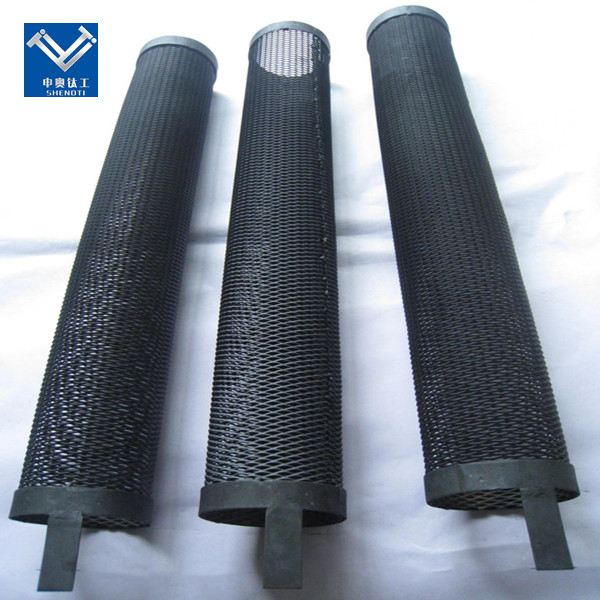
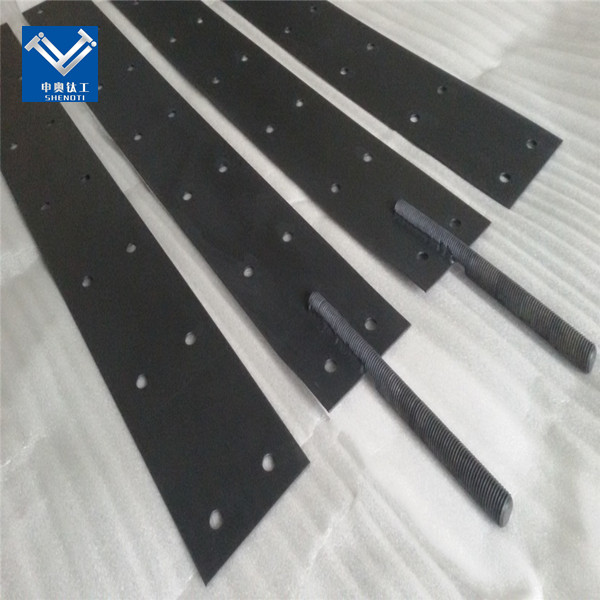
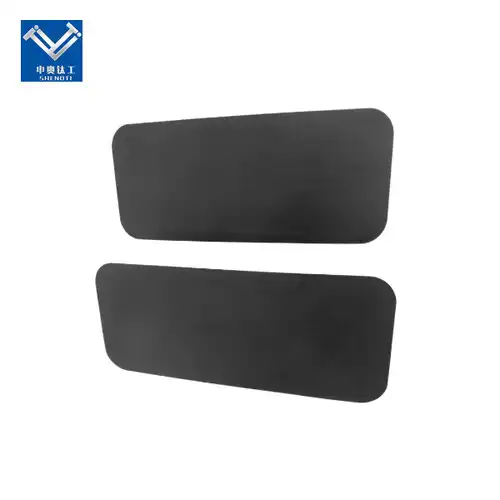
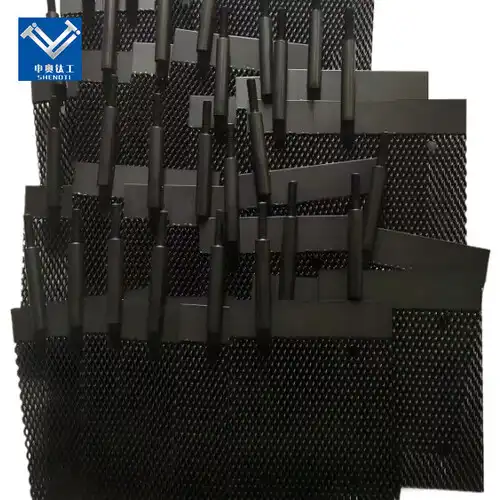
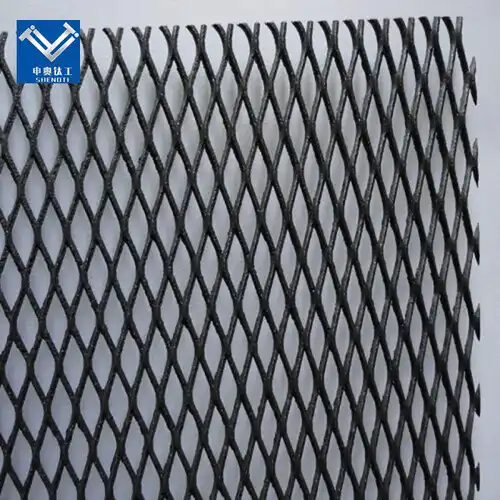
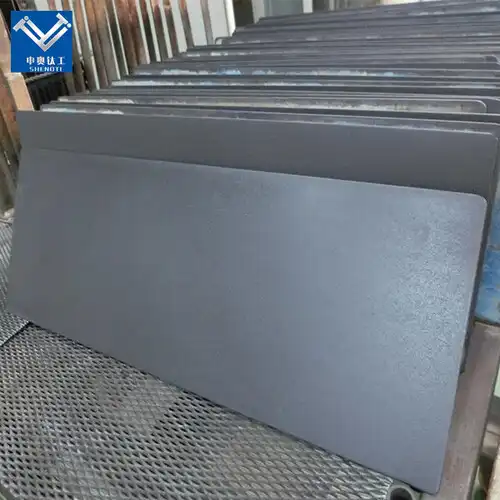
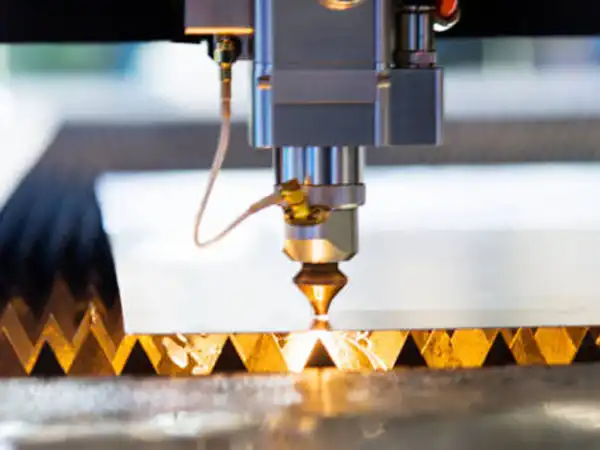
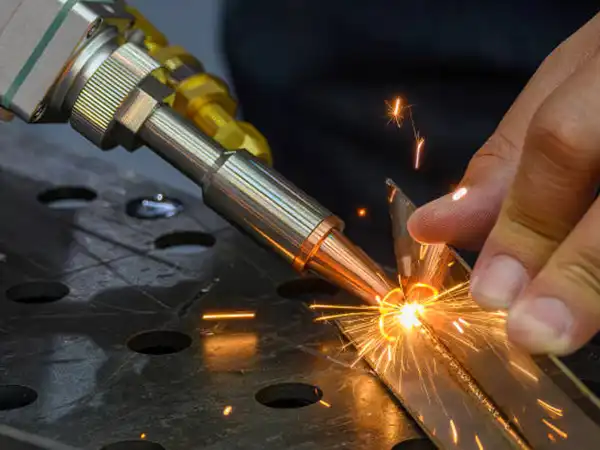
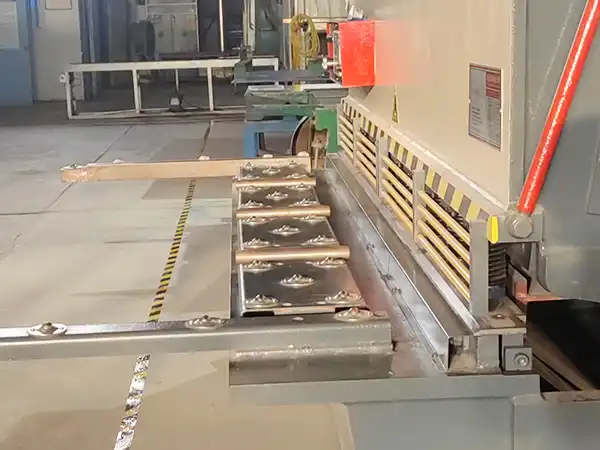
The company customizes different shapes and sizes to meet the requirements of various wastewater treatment equipment, such as titanium plate anodes, mesh titanium anodes, tubular titanium anodes, rod-shaped titanium anodes, and strip titanium electrodes.
Technical Specifications
|
Parameter |
Specification |
|
Substrate |
Grade 1 Titanium |
|
Coating |
Ru-Ir / Ir-Ta / Pt |
|
Shape |
Plate / Mesh / Tube / Rod |
|
Current Density |
500–2000 A/m² |
|
Coating Thickness |
8–15 μm |
|
Service Life |
2–8 Years |
|
Operating Temperature |
5–80°C |
|
pH Range |
1–14 |
Custom sizes and configurations are available upon request.
|
|
|
|
|
|
|
|
|
|
|
|




Why Choose Baoji Shenao Metal Titanium Anodes for Wastewater Treatment?
1. Corrosion Resistance
Titanium anodes used for wastewater treatment operate stably in acidic, alkaline, and high-chloride wastewater environments. The MMO coating effectively protects the titanium substrate and extends electrode life.
2. High Electrochemical Efficiency
Advanced catalytic coating reduces oxygen evolution overpotential and improves oxidation reaction efficiency. This reduces operating energy consumption and improves wastewater purification efficiency.
3. Long Service Life
Compared to traditional electrodes, MMO titanium anodes have a longer service life under continuous industrial operation conditions, reducing maintenance frequency and replacement costs.
4. Stable Performance
Strong adhesion and stable catalytic activity even under high current density operation.
5. Environmentally Friendly Technology
Titanium anodes used for wastewater treatment do not release harmful heavy metals during operation, making them suitable for modern environmentally friendly wastewater treatment systems.

Applications of Titanium Anodes in Wastewater Treatment
1. Electroplating Wastewater Treatment
Used in electroplating wastewater treatment systems to remove pollutants such as heavy metals, cyanide, chromium, nickel, copper, and zinc.
2. Textile Dyeing Wastewater
Used in electrochemical oxidation technology to degrade color, chemical oxygen demand (COD), and organic pollutants in textile wastewater.
3. Chemical Wastewater
Used in high-salinity wastewater, organic chemical wastewater, pharmaceutical wastewater, and pesticide wastewater treatment systems.
4. Municipal Sewage Treatment
Used in wastewater disinfection, sterilization, algae removal, and deodorization systems.
5. Landfill Leachate Treatment
Used to degrade recalcitrant organic pollutants in landfill leachate.
6. Food Processing Wastewater
Used for wastewater disinfection and COD reduction in food and beverage production plants.


Case Study – Textile Wastewater Treatment
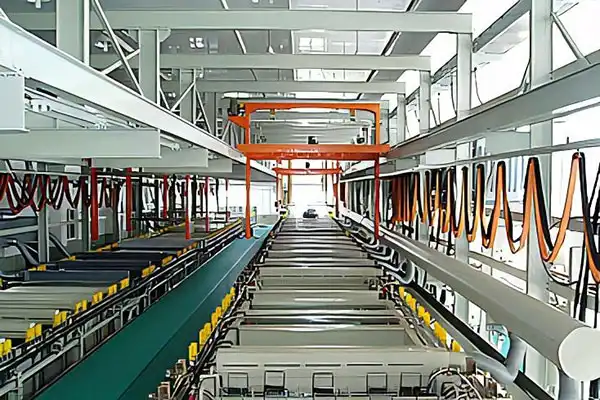
A textile dyeing and printing plant adopted MMO titanium anodes in an electrochemical oxidation system to treat high-color wastewater.
Results:
COD removal rate: 70–85%
Decolorization rate: >90%
Significantly improved biodegradability
Reduced chemical consumption
The system operated stably and had low maintenance costs, fully demonstrating the high efficiency of titanium anodes in industrial wastewater treatment.
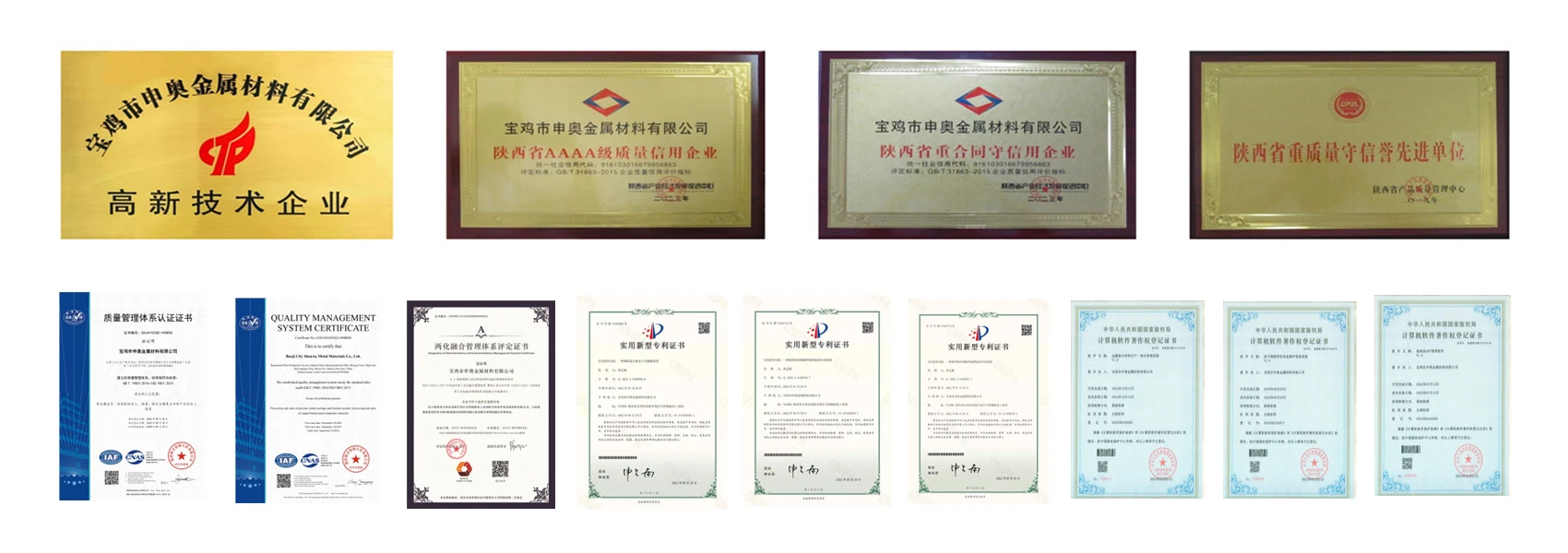
Our Patents and Honors
Why Choose Us
Advanced MMO coating technology (Ru-Ir system)
Strict quality control and coating uniformity
Strong bonding between coating and titanium substrate
Custom engineering solutions for different wastewater conditions
Fast delivery and global export experience
Our titanium anodes are designed to deliver long-term stable performance in demanding electrochemical environments.
FAQ
1: What is the lifespan of titanium anodes?
Typically 5–10 years depending on current density and operating conditions.
2: Can titanium anodes be customized?
Yes, we provide fully customized shapes, sizes, and coating formulations.
3: Are MMO anodes suitable for high salinity wastewater?
Yes, MMO titanium anodes perform well in chloride-containing environments.
Get a Quote
Looking for reliable titanium anodes for wastewater treatment?
Contact us today for:
Custom design solutions
Competitive pricing
Technical support
Email: zh@baojiti.com.cn
WhatsApp: +86-13636825659
Send your requirements now and get a fast quotation.