Water Treatment System Electrolytic Disinfection Anode Configuration Scheme | Selection and Application Guide for Titanium Anodes for Electrolytic Disinfection
2026-03-10 15:26:23
With increasingly stringent environmental and safety requirements in the water treatment industry, electrolytic disinfection technology has become a widely used disinfection method in waterworks, hospital wastewater treatment, and industrial circulating water systems. Electrolytic disinfection systems achieve water sterilization by electrolyzing saline solution to produce hypochlorous acid or available chlorine. The titanium anode used for electrolytic disinfection is a key component of the entire system.
A well-designed electrolytic disinfection anode configuration can improve disinfection efficiency, reduce energy consumption, and extend equipment lifespan. Selecting a suitable titanium anode for electrolytic disinfection is a crucial technical aspect in water treatment system design.
I. Principle of Electrolytic Disinfection in Water Treatment Systems Water treatment electrolytic disinfection systems use saline solution (NaCl) as the electrolyte. Under DC power, chlorine gas is generated through the titanium anode, further producing hypochlorous acid, a highly oxidizing agent, thus achieving water sterilization and disinfection.
The main reaction is as follows:
Anode reaction:
2Cl⁻ → Cl₂ + 2e⁻
The reaction of chlorine gas with water produces hypochlorous acid (HOCl), which can rapidly destroy bacterial cell structure, achieving disinfection.
In this process, the titanium anode for electrolytic disinfection plays a crucial role in the chlorine evolution reaction, and its material properties and coating quality directly affect the stability of the entire water treatment system.
II. The Role of Titanium Anodes for Electrolytic Disinfection in Water Treatment Systems
In water treatment electrolytic disinfection equipment, titanium anodes for electrolytic disinfection have the following functions:
* Provide a stable chlorine evolution reaction surface
* Improve current efficiency and reduce power consumption
* Ensure long-term continuous operation stability
* Extend the service life of electrolysis equipment
The water treatment industry commonly uses MMO-coated titanium anodes for electrolytic disinfection, with a surface coated with ruthenium-iridium noble metal oxides, possessing electrocatalytic properties and corrosion resistance.
Compared to traditional graphite anodes, titanium anodes for electrolytic disinfection have advantages such as no powder shedding, long lifespan, and high efficiency.
III. Principles for configuring electrolytic disinfection anodes in water treatment systems
When designing a water treatment electrolytic disinfection system, the configuration of titanium anodes for electrolytic disinfection requires consideration of the following factors:
1. Current Density Configuration
Current density is a crucial parameter affecting electrolytic disinfection efficiency.
The recommended current density for general water treatment systems is 500A/m² — 3000A/m². Properly controlling the current density can prevent the anode coating from being worn out too quickly.
2. Anode Material Selection
Water treatment systems typically use:
MMO ruthenium-iridium coated titanium anodes.
These electrolytic disinfection titanium anodes have the following advantages:
* High chlorine evolution efficiency
* Low electrode potential
* Long service life
* Resistance to high salt corrosion
Suitable for continuously operating water treatment equipment.
3. Anode Structure
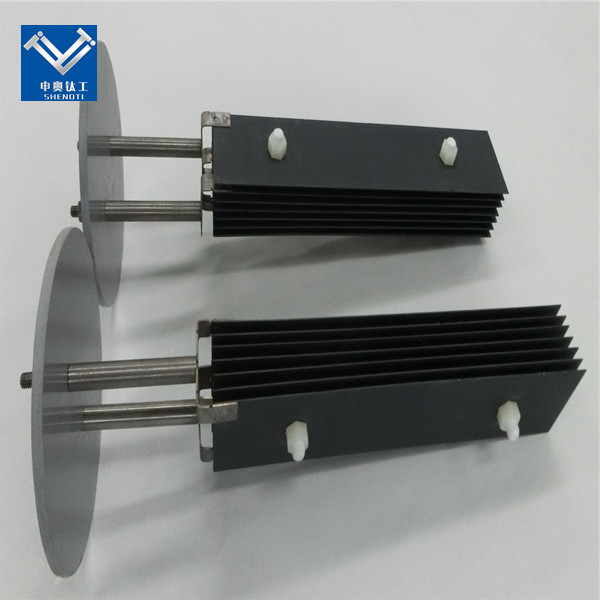
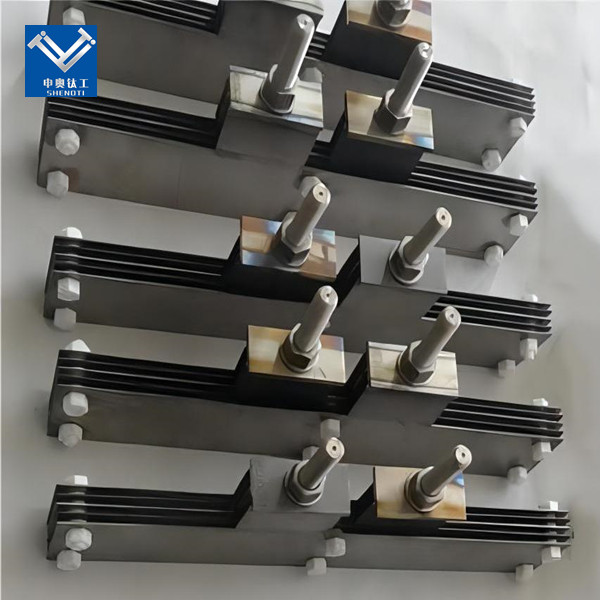
Depending on the structure of the electrolytic cell, titanium anodes for electrolytic disinfection are designed in different forms:
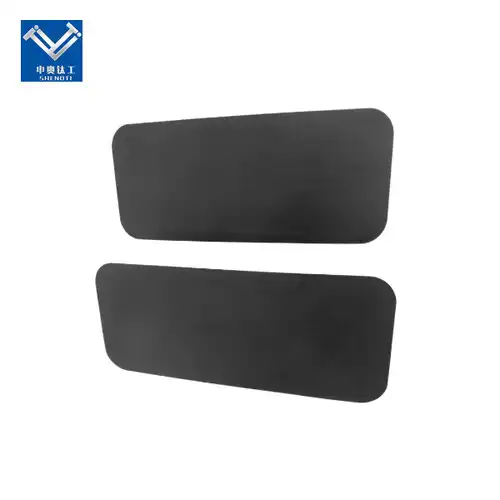
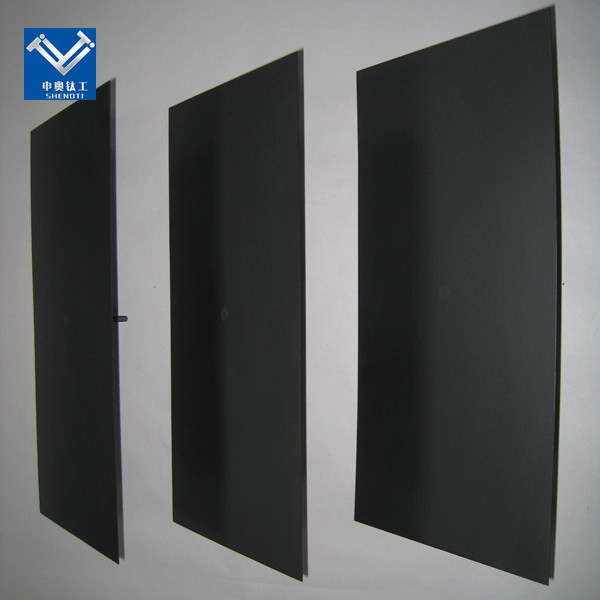
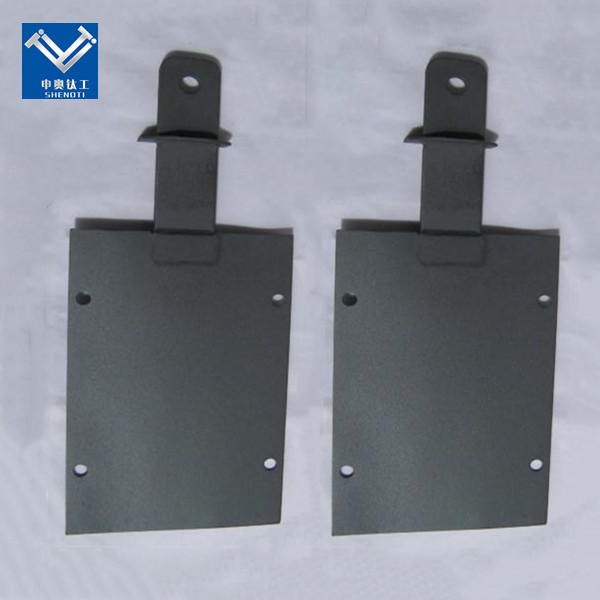
* Plate-type electrolytic disinfection titanium anode
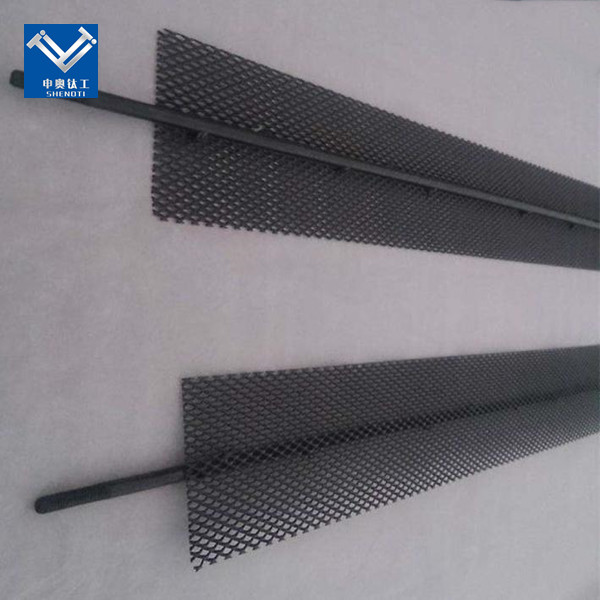
* Mesh-type electrolytic disinfection titanium anode
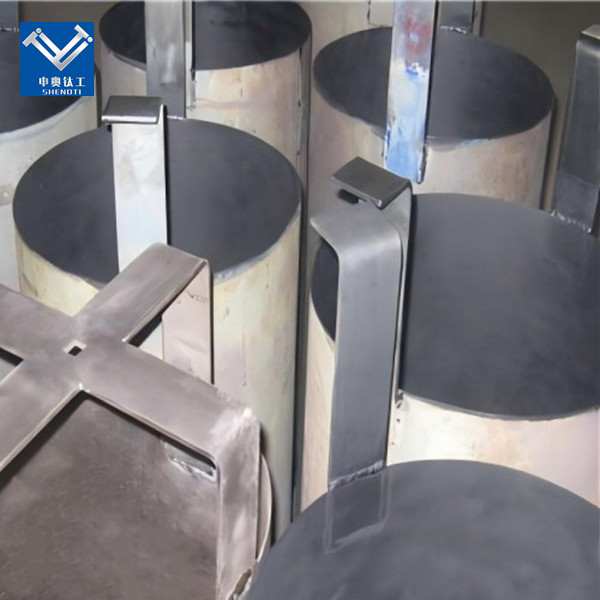
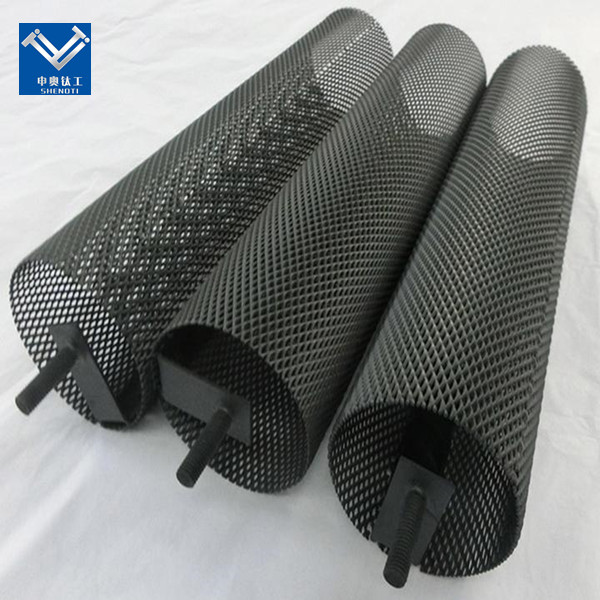
* Tubular electrolytic disinfection titanium anode
A reasonable structure can ensure uniform current distribution and improve electrolysis efficiency.
IV. Electrolytic Disinfection Anode Configuration Scheme for Water Treatment
In common water treatment projects, the titanium anode configuration for electrolytic disinfection is as follows:
Waterworks Electrolytic Disinfection System:
Anode Type: MMO titanium plate anode
Current Density: 1000 A/m²
Service Life: Over 5 years
This configuration ensures long-term stable operation.
Hospital Wastewater Electrolytic Disinfection System:
Anode Type: Titanium mesh anode
Current Density: 800–1500 A/m²
Advantages: High gas release efficiency
Suitable for wastewater treatment environments.
Seawater Electrolytic Disinfection System:
Anode Type: High salt-resistant MMO titanium anode
Current Density: 1500–3000 A/m²
This type of titanium anode for electrolytic disinfection has stronger corrosion resistance.
V. Factors Affecting the Lifespan of Titanium Anodes for Electrolytic Disinfection
During the operation of a water treatment system, the lifespan of titanium anodes used for electrolytic disinfection is mainly affected by the following factors:
* Excessively high current density
* Excessive impurities in the water
* Long-term overload operation
* Unstable coating quality
Choosing products from professional titanium anode manufacturers specializing in electrolytic disinfection can effectively improve electrode stability.
Generally, high-quality titanium anodes for electrolytic disinfection can have a lifespan of 3-8 years.
VI. Selection Recommendations for Titanium Anodes for Electrolytic Disinfection
In water treatment system design, it is recommended to select a model based on the following parameters:
* Electrolytic cell size
* Current density
* Salinity concentration
* Daily operating time
Titanium anode manufacturers specializing in electrolytic disinfection can usually provide customized solutions based on equipment parameters.
VII. The Importance of Selecting a Titanium Anode Manufacturer for Electrolytic Disinfection in Water Treatment Systems Titanium anodes for electrolytic disinfection are a key component of electrolysis systems. The main manufacturing processes include:
* Surface treatment of the titanium substrate
* Precious metal coating ratio
* Multi-layer coating and sintering
* Electrochemical performance testing
Only titanium anode manufacturers with complete production processes and testing capabilities can guarantee the long-term stable operation of the product.
In water treatment systems, electrolytic disinfection technology is widely used due to its environmental friendliness, high efficiency, and high degree of automation. Titanium anodes for electrolytic disinfection are the main electrode material, playing a decisive role in system operating efficiency and equipment lifespan.
Properly configuring the electrolytic disinfection anode structure, controlling the current density, and selecting a professional titanium anode manufacturer are crucial guarantees for ensuring the long-term stable operation of the water treatment system.


YOU MAY LIKE