How to Select the Right Titanium Anode for Electrolytic Sterilization? Technical Selection Guide from Titanium Anode Manufacturers for Electrolytic Sterilization
2026-03-10 15:22:03
In electrolytic disinfection systems, the titanium anode is one of the most critical components. The performance of the anode material directly determines the electrolysis efficiency, equipment stability, and system operating costs. Inappropriate selection of the titanium anode for electrolytic disinfection can not only affect chlorine production efficiency but also lead to shortened anode lifespan and equipment instability.
Therefore, selecting the right titanium anode for electrolytic disinfection is a crucial step in equipment design and procurement for applications such as water treatment projects, sodium hypochlorite generators, and hospital wastewater treatment equipment.
I. Selecting a Titanium Anode for Electrolytic Disinfection: Current Density First
In electrolytic disinfection systems, current density is a key parameter determining the performance of the titanium anode.
Generally, the current density range for titanium anodes used in electrolytic disinfection is: 500A/m² — 3000A/m²
If the current density is too high, it will lead to:
▪ Accelerated coating consumption
▪ Shortened anode lifespan
▪ Decreased electrolysis efficiency
While the current density may be too low, resulting in insufficient chlorine production in the electrolytic disinfection system.
When selecting titanium anodes for electrolytic disinfection, a comprehensive calculation is performed based on the equipment design current, electrode area, and operating load.
Professional titanium anode manufacturers for electrolytic disinfection will recommend suitable anode specifications based on the current parameters and electrolytic cell dimensions provided by the customer.
II. Water Quality Conditions Must Be Considered When Selecting Titanium Anodes for Electrolytic Disinfection
Different water quality conditions have a significant impact on the performance of titanium anodes for electrolytic disinfection.
In practical engineering applications, the following indicators need to be considered:
1. Chloride Ion Concentration
The higher the chloride ion concentration, the easier it is for the electrolysis reaction to produce available chlorine.
For example:
▪ Seawater electrolytic disinfection
▪ Brine electrolysis system
▪ Brine electrolysis system
▪ Sodium hypochlorite generator
These systems have higher requirements for the chlorine evolution performance of the titanium anodes for electrolytic disinfection.
2. Water pH Value
pH value affects the proportion of hypochlorous acid generated, thus affecting the disinfection effect.
In environments with high pH values, titanium anodes for electrolytic disinfection with good catalytic performance should be selected.
3. Water Impurity Content
If the water contains a large amount of suspended solids or heavy metal ions, it will affect the reaction efficiency of the anode surface. Therefore, a titanium anode coating with stronger pollution resistance should be selected.
III. Selection of Titanium Anode Coating Type for Electrolytic Disinfection
The key to electrolytic disinfection titanium anode technology lies in the surface coating.
Currently, the commonly used coating types in the water treatment industry are:
* MMO precious metal oxide coating
Common formulations include:
* Ruthenium-based coating
* Ruthenium-iridium composite coating
This coating has the following advantages:
* High chlorine evolution efficiency
* Low electrode potential
* Good corrosion resistance
* Long service life
Titanium anodes for electrolytic disinfection employ multi-layer coating and high-temperature sintering processes, resulting in stronger coating adhesion and ensuring long-term stable operation.
IV. Selection of Titanium Anode Structure for Electrolytic Disinfection
Depending on the structure of different electrolysis equipment, titanium anodes for electrolytic disinfection come in the following forms:
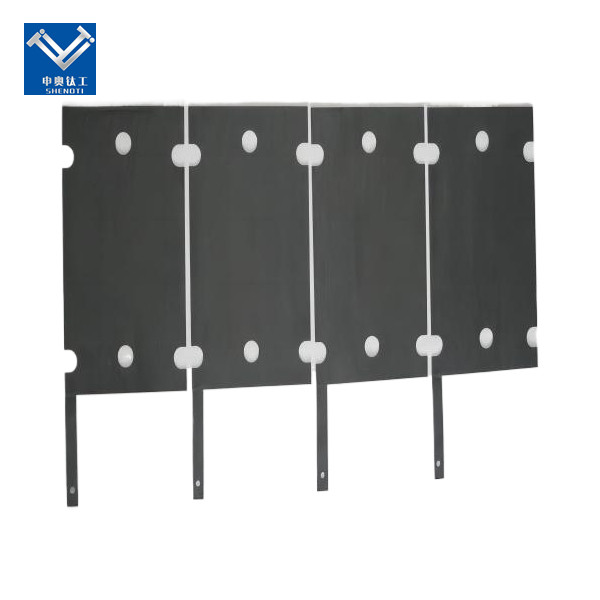
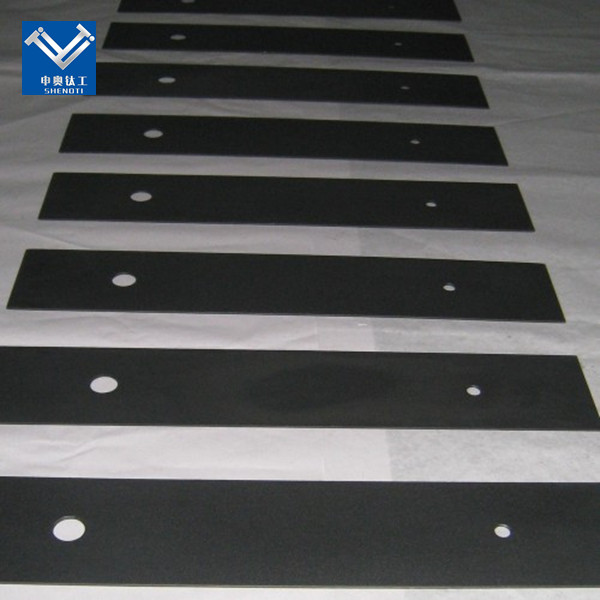
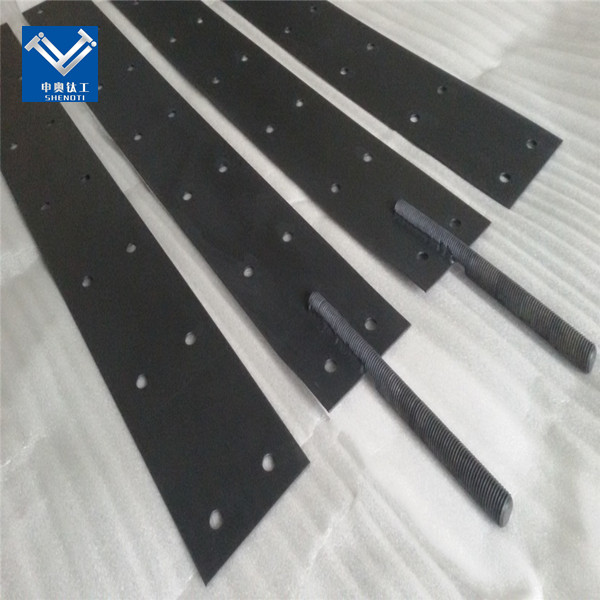
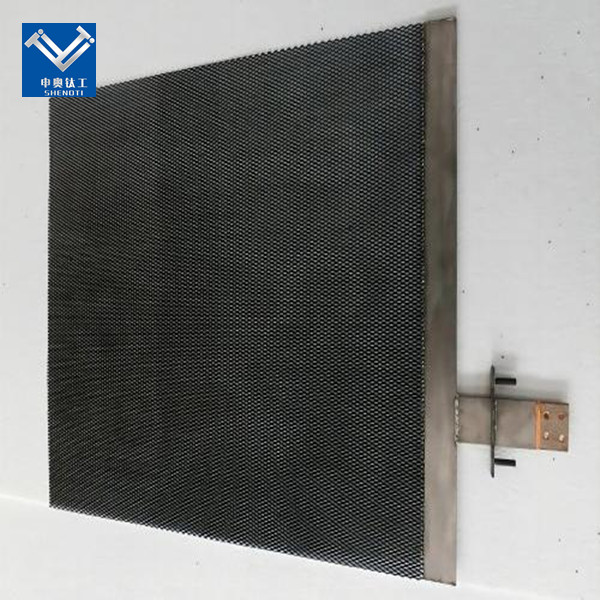
* Plate-type titanium anode
Suitable for:
* Sodium hypochlorite generators
* Small electrolytic disinfection equipment
Advantages include simple structure and convenient installation.
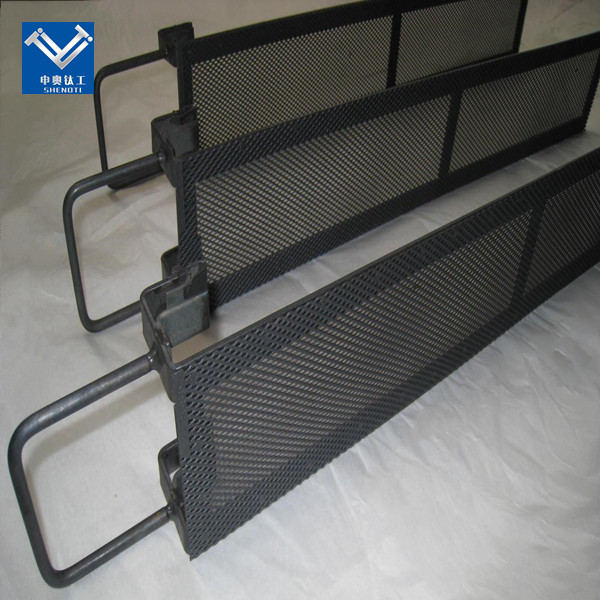
Mesh Titanium Anode
Suitable for:
▪ Large-scale water treatment electrolysis systems
▪ Seawater electrolysis chlorination systems
The mesh structure increases the electrode surface area and improves electrolysis efficiency.
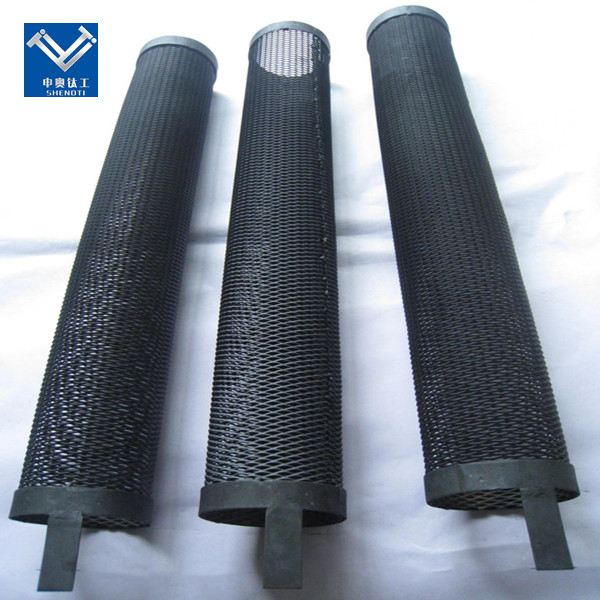
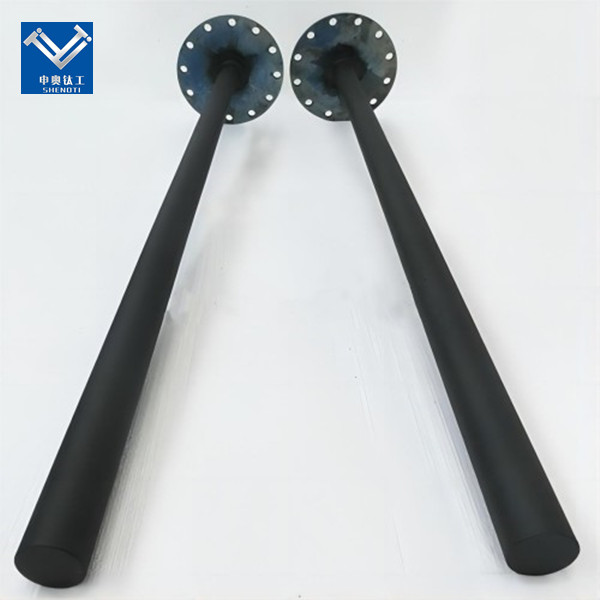
Tube Titanium Anode
Suitable for:
▪ Circulating water treatment equipment
▪ Pipeline electrolysis disinfection systems
This structure allows for a more uniform current distribution.
V. How to Assess the Service Life of Titanium Anodes for Electrolytic Disinfection
In practical applications, the service life of titanium anodes used for electrolytic disinfection is typically between 3 and 8 years. The lifespan mainly depends on the following factors:
▪ Current density
▪ Operating time
▪ Water quality conditions
▪ Coating quality
If products from professional titanium anode manufacturers for electrolytic disinfection are selected, and the current density is properly controlled, the anode lifespan can be significantly extended.
VI. What Parameters are Required for Selecting Titanium Anodes for Electrolytic Disinfection
To ensure accurate selection of titanium anodes for electrolytic disinfection, the following information is typically provided:
1. Electrolytic cell size
2. Operating current or current density
3. Water salinity
4. Operating time (hours per day)
5. Equipment application (tap water, sewage, or seawater system)
Based on these parameters, titanium anode manufacturers for electrolytic disinfection can design suitable anode sizes and coating schemes.
VII. The Importance of Choosing a Titanium Anode Manufacturer for Electrolytic Disinfection
In electrolytic disinfection systems, anode quality directly affects system stability. When selecting titanium anodes for electrolytic disinfection, first choose manufacturers that meet the following criteria:
▪ Possess complete coating production processes
▪ Have electrochemical testing equipment
▪ Support non-standard customization
▪ Have stable engineering application cases. Professional manufacturers can not only provide products but also offer selection advice for electrolytic disinfection systems.
Titanium anodes for electrolytic disinfection are a key component of electrolytic disinfection equipment. Proper selection can not only improve disinfection efficiency but also reduce equipment maintenance costs.
When selecting titanium anodes for electrolytic disinfection, comprehensively consider current density, water quality conditions, coating type, and equipment structure, and select a titanium anode manufacturer for technical matching.
If a detailed selection plan is needed, customized design can be performed based on equipment parameters to ensure the long-term stable operation of the electrolytic disinfection system.


YOU MAY LIKE