Specifications of Titanium Anodes for Seawater Electrolysis Disinfection | Technical Analysis from Titanium Anode Manufacturers for Seawater Electrolysis Disinfection
2026-03-10 15:33:27
With the rapid development of marine engineering, mariculture, and seawater cooling systems, seawater electrolysis disinfection technology plays a crucial role in preventing marine organism attachment, pipe scaling, and bacterial growth. In seawater electrolysis disinfection systems, the titanium anode is a key electrode material, its performance directly affecting electrolysis efficiency, system stability, and equipment lifespan.
I. Working Principle of Titanium Anodes for Seawater Electrolysis Disinfection
Seawater electrolysis disinfection systems typically utilize naturally occurring chloride ions in seawater. Under direct current, an electrochemical reaction occurs, generating chlorine gas and hypochlorous acid, achieving sterilization, disinfection, and inhibition of marine organism attachment.
The anode reaction is: 2Cl⁻ → Cl₂ + 2e⁻. The generated chlorine gas reacts with water to form hypochlorous acid (HOCl), which has strong bactericidal capabilities, effectively controlling the attachment of bacteria, algae, and shellfish in seawater systems.
Seawater environments are characterized by high salinity and high corrosiveness. Ordinary metal anodes cannot be used for extended periods. Insoluble titanium anodes with an MMO coating can operate stably in high-chlorine environments.
II. Structure of Titanium Anode Material for Seawater Electrolysis Disinfection
The titanium anode for seawater electrolysis disinfection consists of the following two parts:
1. Titanium Substrate
The titanium anode substrate for seawater electrolysis disinfection uses industrial-grade TA1 or TA2 titanium, characterized by:
* Excellent resistance to seawater corrosion
* Stable electrical conductivity
* High mechanical strength
* Resistant to deformation during long-term operation
The titanium substrate acts as a conductive framework during electrolysis and does not participate in the electrochemical reaction.
2. MMO Noble Metal Oxide Coating
The surface of the titanium anode for seawater electrolysis disinfection is coated with an MMO noble metal oxide coating, which is a ruthenium-iridium system and includes:
* Improved chlorine evolution efficiency
* Reduced electrolysis voltage
* Enhanced corrosion resistance
* Extended electrode lifespan
A stable coating is formed through multiple coating processes and high-temperature sintering, ensuring that the titanium anode for seawater electrolysis disinfection maintains good electrocatalytic performance during long-term operation.
III. Technical Parameters of Titanium Anode for Seawater Electrolysis Disinfection
The technical parameters of the titanium anode for seawater electrolysis disinfection are as follows:
|
Parameter Items |
Technical Specifications |
|
Substrate |
TA1 / TA2 Pure Titanium |
|
Coating Type |
Ruthenium-Iridium MMO Coating |
|
Current Density |
500–3000 A/m² |
|
Operating Voltage |
≤8V |
|
Operating Temperature |
≤60℃ |
|
Service Life |
3–8年 |
|
Current Efficiency |
≥90% |
|
Structure Type |
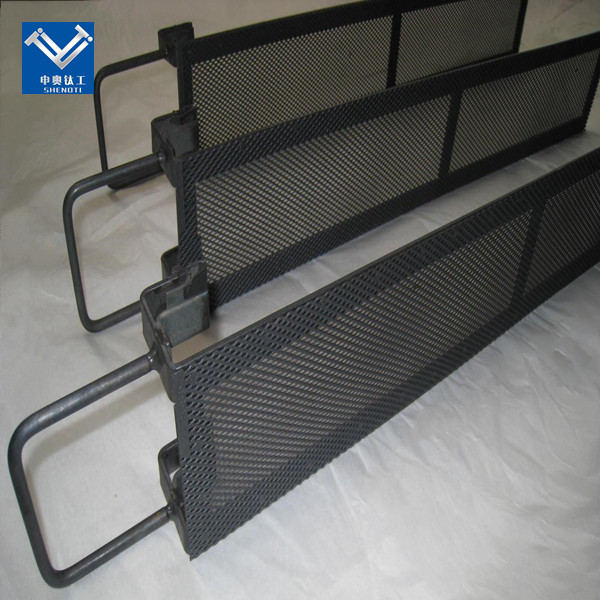
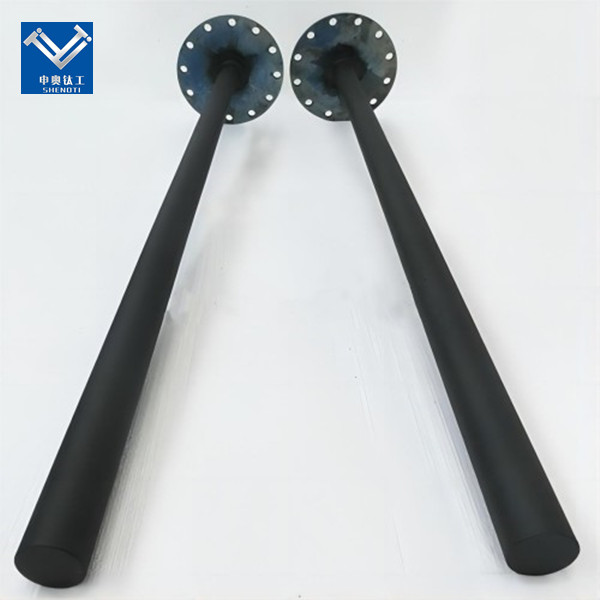
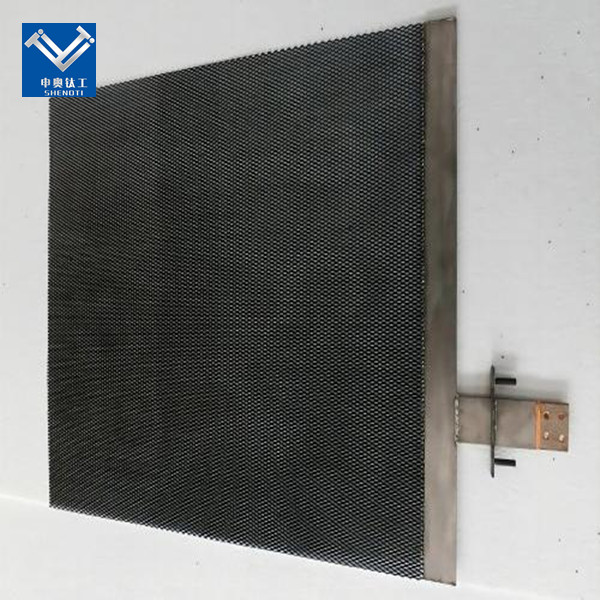
Plate / Mesh / Tubular |
Different seawater electrolysis systems can have their titanium anode specifications customized according to the equipment structure and electrolytic cell design.
IV. Structural Forms of Titanium Anodes for Seawater Electrolysis Disinfection
Based on the equipment structure and electrolytic cell design, titanium anodes for seawater electrolysis disinfection are classified into the following types:
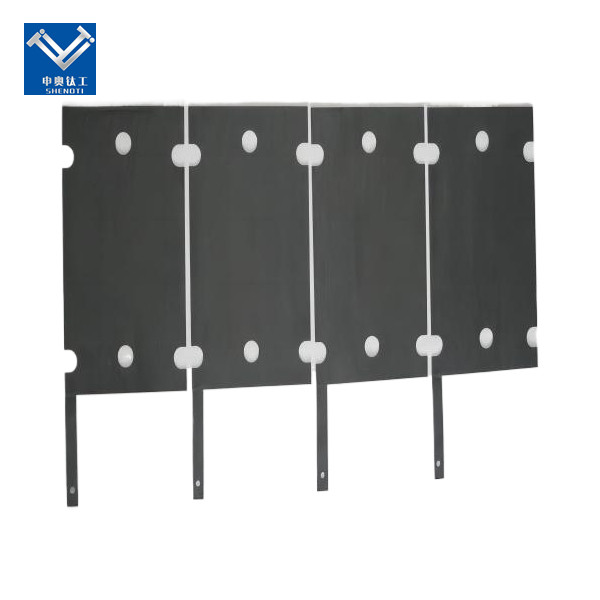
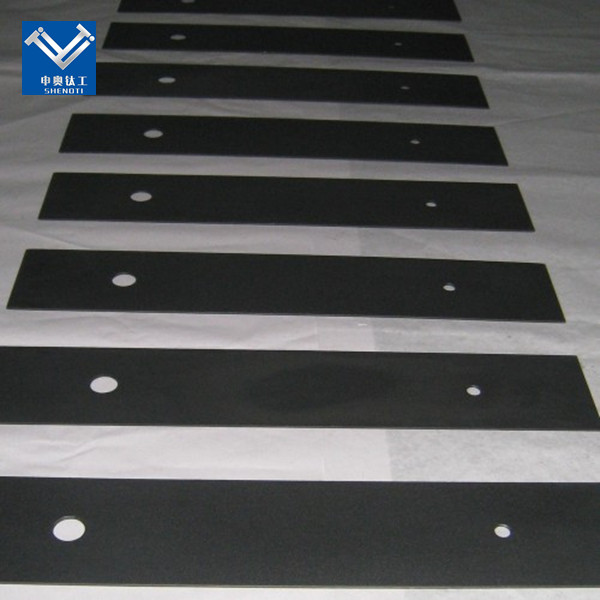
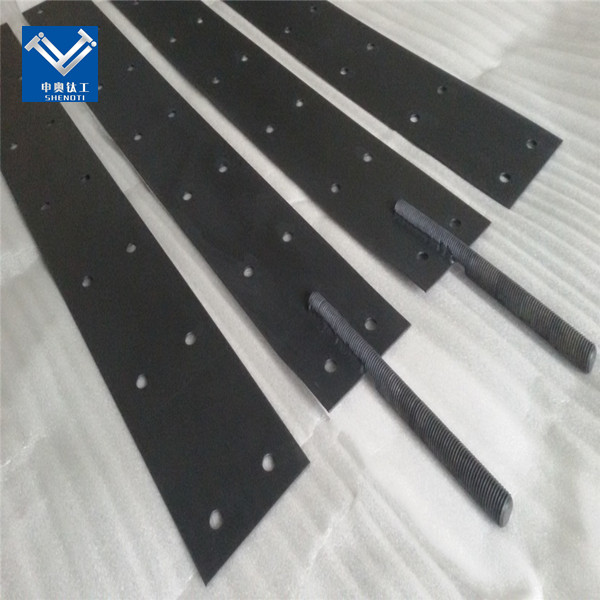
1. Plate-type titanium anode: Suitable for large-scale seawater electrolysis equipment, with a stable structure and uniform current distribution.
2. Mesh-type titanium anode: Offers a larger effective electrolysis area, improving electrolysis efficiency.
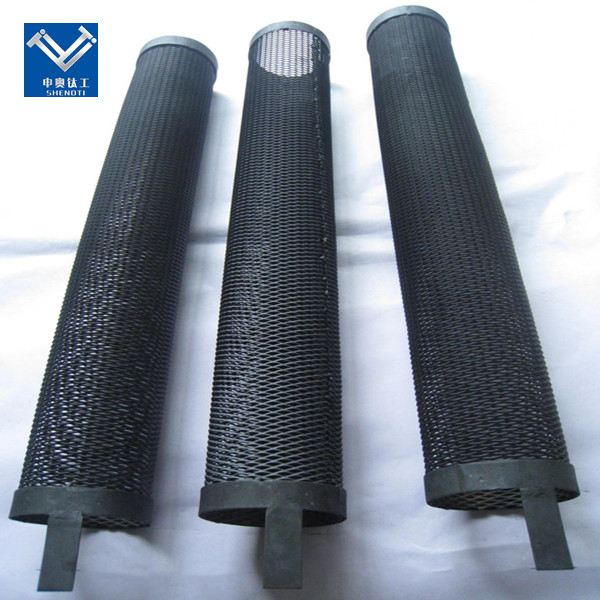
3. Tubular-type titanium anode: Suitable for pipeline-type electrolysis disinfection equipment, occupying less space.
V. Application Areas of Titanium Anodes for Seawater Electrolysis Disinfection
Titanium anodes for seawater electrolysis disinfection are widely used in:
Marine Engineering
Anti-biofouling in seawater cooling systems
Anti-fouling of seawater pipelines on offshore platforms
Shipbuilding Industry
Ballast water disinfection systems for ships
Anti-corrosion systems for seawater pipelines on ships
Marine Aquaculture
Seawater aquaculture disinfection
Sterilization of seawater circulation systems
Industrial Cooling Systems
Power Plant Seawater Cooling Systems
Chemical Seawater Circulation Water Systems
VI. Key Points for Selecting Titanium Anodes for Seawater Electrolysis Disinfection
When selecting titanium anodes for seawater electrolysis disinfection, consider the following factors:
1. Current Density
Current density is a parameter that affects electrolysis efficiency. Excessively high current density will accelerate coating consumption and reduce anode life.
2. Seawater Salinity
Seawater salinity affects chloride ion concentration, thus affecting electrolysis reaction efficiency.
3. Electrolytic Cell Structure
Different electrolytic cell structures require titanium anodes of different sizes and shapes.
4. Operating Time
The longer the continuous operating time, the higher the durability requirements for the titanium anodes used for electrolysis disinfection. VII. Advantages of Titanium Anodes for Seawater Electrolysis Disinfection
Compared to traditional anode materials, titanium anodes for seawater electrolysis disinfection offer the following advantages:
* High chlorine evolution efficiency
* Low energy consumption
* Resistance to seawater corrosion
* Long service life
* Low maintenance cost
In seawater electrolysis disinfection systems, using MMO-coated titanium anodes can improve system stability.
VIII. Technical Capabilities of Titanium Anode Manufacturers for Seawater Electrolysis Disinfection
The quality of titanium anodes for seawater electrolysis disinfection depends not only on the materials used but also on the production process and quality control, including:
* Coating formula control
* Multiple high-temperature sintering processes
* Electrochemical performance testing
* Service life testing
Professional manufacturers of titanium anodes for seawater electrolysis disinfection possess complete production lines and testing systems, ensuring long-term stable operation of their products.
Titanium anodes for seawater electrolysis disinfection are crucial electrode materials in seawater electrolysis systems, and their performance directly affects equipment operating efficiency and maintenance costs. Appropriate selection of titanium anode materials, control of current density, and matching with suitable structural forms can improve the stability of seawater electrolysis disinfection systems. For water treatment equipment manufacturers and marine engineering units, choosing a manufacturer of titanium anodes for seawater electrolysis disinfection with mature technology and stable production capacity is an important factor in ensuring the long-term operation of the equipment.


YOU MAY LIKE