What is the working principle of titanium anodes in wastewater treatment
2026-04-20 14:02:04
Under the current background of increasingly stringent environmental regulations, industrial wastewater treatment is upgrading from "meeting discharge standards" to "deep treatment" and "resource utilization." Among these, titanium anode systems based on electrochemical oxidation technology, with their high efficiency, stability, and environmental friendliness, have become a solution in the field of electrolytic water treatment.
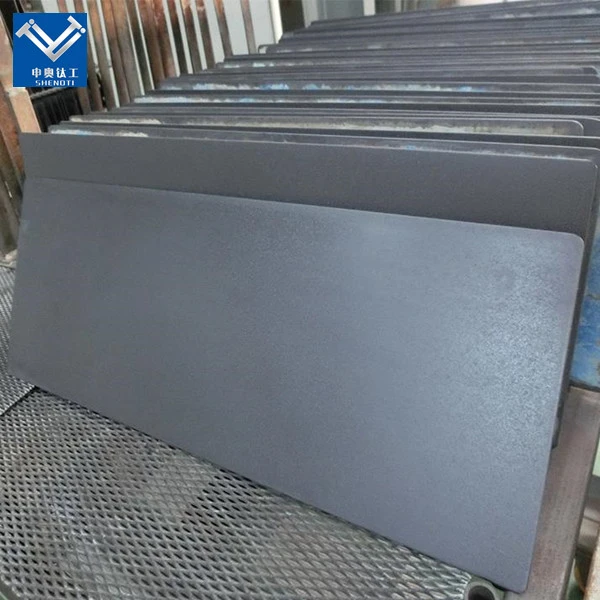
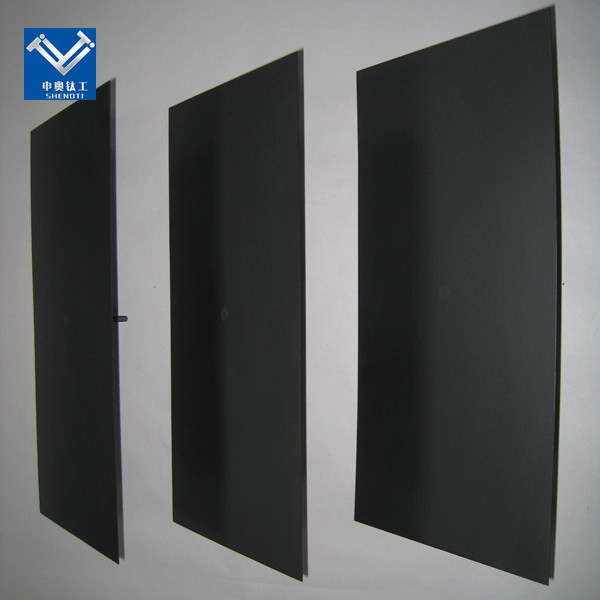
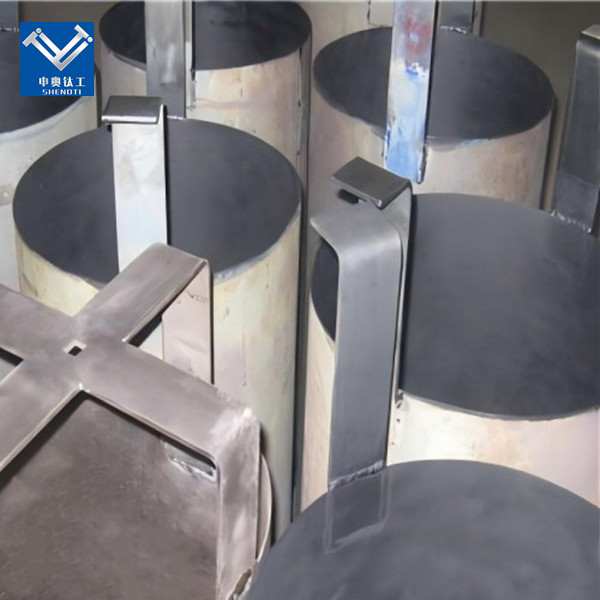
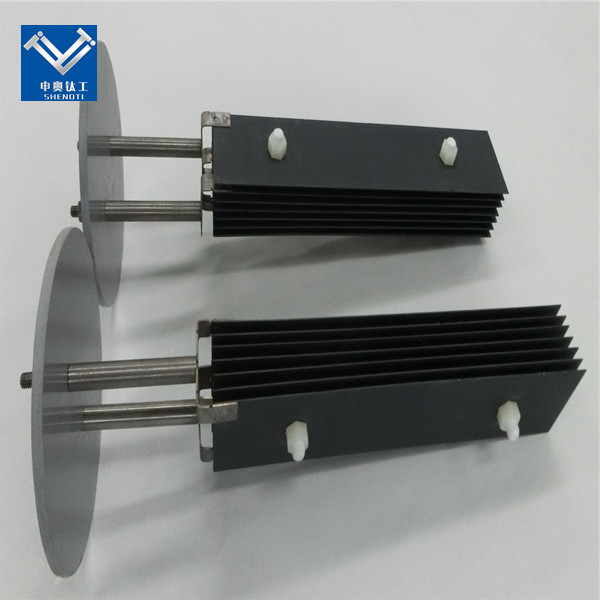
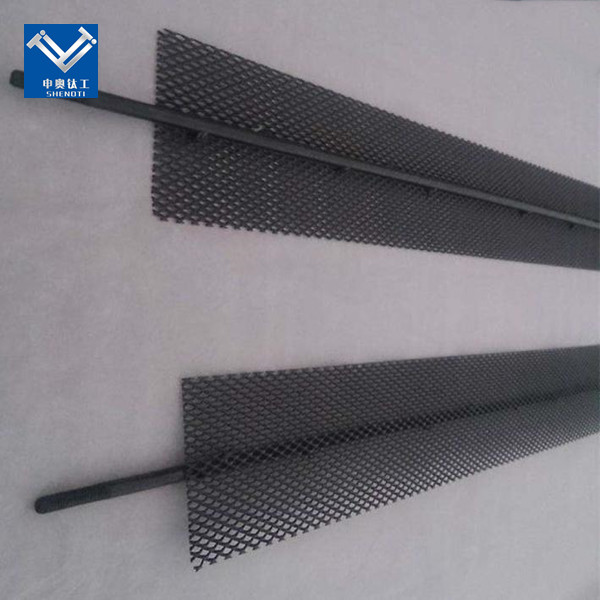
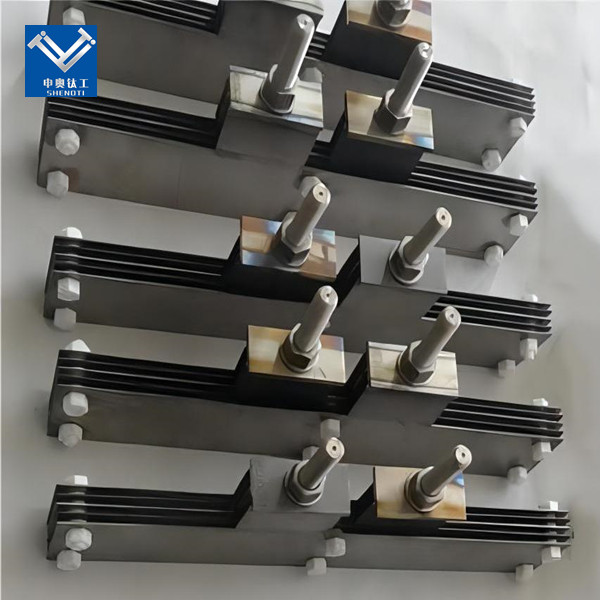
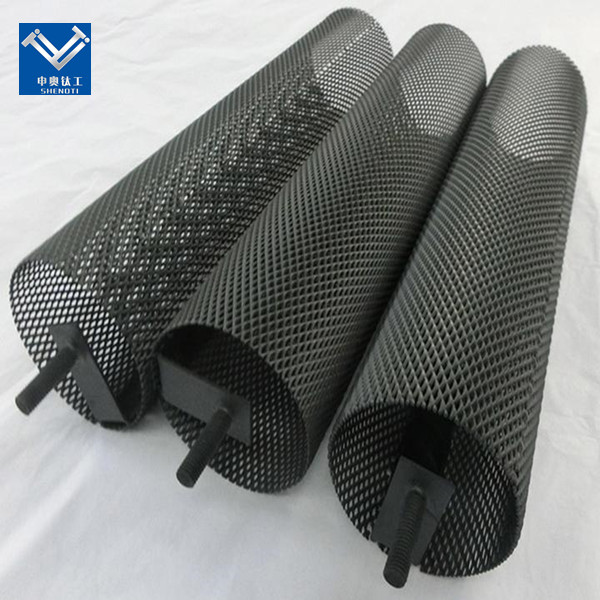
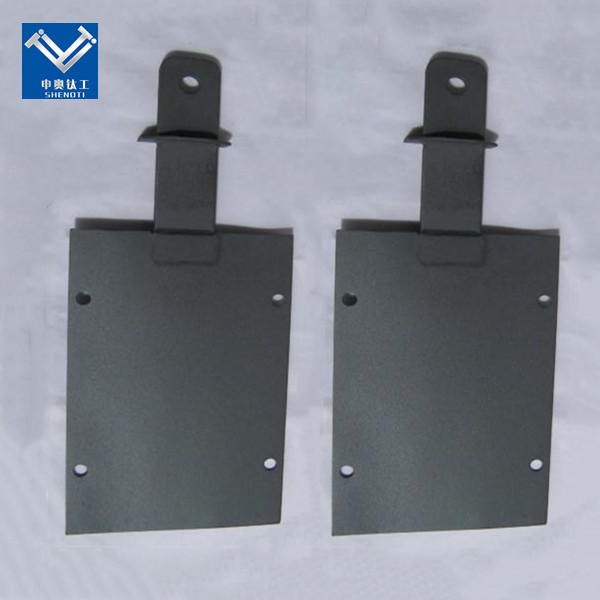
I. Basic Structure and Material Composition of Titanium Anodes for Wastewater Treatment
Titanium anodes typically consist of two parts:
• Base material: Industrial pure titanium (Grade 1 / Grade 2), possessing corrosion resistance and mechanical strength
• Functional coating: MMO (Mixed Metal Oxide) coating mainly composed of noble metal oxides (such as RuO₂, IrO₂)
This structure is also known as DSA (Dimensionally Stable Anode), with advantages including:
• Stable electrode dimensions, not easily dissolved
• High electrocatalytic activity
• Long service life (up to several years)
II. Working Principle of Titanium Anodes in Wastewater Treatment
Through electrolysis, titanium anodes generate strong oxidizing substances on the anode surface, degrading pollutants.
1. Titanium Anodic Oxidation Process for Wastewater Treatment
Under energized conditions, water reacts on the surface of the titanium anode:
• Hydroxyl radicals (·OH) are generated
• Active chlorine (Cl₂ / HOCl / OCl⁻)
Among these, hydroxyl radicals are extremely strong oxidants, second only to fluorine in oxidizing power, capable of rapidly decomposing most organic pollutants.
2. The reaction mechanism of titanium anodes for wastewater treatment includes two mechanisms:
(1) Direct oxidation
Pollutants lose electrons on the anode surface and are directly oxidized and decomposed:
Organic matter → CO₂ + H₂O
Ammonia nitrogen → N₂
(2) Indirect oxidation
Reaction occurs through the generation of strong oxidizing intermediates (such as ·OH, ClO⁻):
Organic pollutants are gradually mineralized
Color and COD are significantly reduced
3. Key control factors in the electrolysis process
The main parameters affecting the treatment effect of titanium anodes include:
Current density (determines the oxidation rate)
Electrolysis time (affects the removal rate)
Electrolyte concentration (such as Cl⁻ content)
pH value (affects the oxidation path)
Optimizing these parameters can improve treatment efficiency and energy consumption ratio.
III. Advantages of titanium anode technology for wastewater treatment
Compared with traditional physicochemical or biochemical treatment processes, titanium anodes have significant advantages in wastewater treatment:
1. Highly efficient degradation of recalcitrant pollutants
Suitable for complex water qualities such as dyeing and printing wastewater, pharmaceutical wastewater, and electroplating wastewater. 2. No Secondary Pollution
No large-scale reagent addition is required during the reaction process, avoiding sludge accumulation.
3. High Degree of Automation
The system can operate continuously, suitable for industrial-scale applications.
4. Broad-Spectrum Sterilization and Disinfection Capabilities
Effectively kills bacteria, viruses, and algae.
IV. Application Areas of Titanium Anodes for Wastewater Treatment
Titanium anodes are widely used in the following wastewater treatment scenarios:
Electroplating wastewater: removal of heavy metals and complexes
Dyeing and printing wastewater: decolorization and COD reduction
Pharmaceutical wastewater: degradation of antibiotics and organic pollutants
Landfill leachate: treatment of high-concentration organic matter
In high-difficulty wastewater treatment, titanium anodes serve as an important unit for deep treatment or upgrading.
Titanium anodes convert electrical energy into strong oxidizing power through an electrochemical oxidation mechanism, achieving efficient degradation of pollutants, representing a significant breakthrough in modern wastewater treatment technology. Their stability, environmental friendliness, and high adaptability make them an important tool for enterprises to achieve green production.
If you are looking for an efficient and sustainable wastewater treatment solution, the titanium anodes used in Baoji ShenAo Metal Wastewater Treatment are undoubtedly a technology worth considering.


YOU MAY LIKE