Analysis of the Advantages of Titanium Anodes in Wastewater Treatment
2026-04-20 11:45:52
Under the backdrop of increasingly stringent environmental policies, wastewater treatment technology is rapidly developing towards higher efficiency, energy saving, and stability. Titanium anodes, as one of the materials used in electrochemical treatment systems, are widely used in the treatment of industrial wastewater, municipal sewage, and highly complex organic wastewater.
I. Background of Titanium Anode Applications in Wastewater Treatment
With the mature application of electrochemical technology in the water treatment industry, titanium anodes are gradually replacing traditional graphite electrodes, lead electrodes, and other materials. In processes such as electrolytic oxidation, electro-Fenton electrolysis, electrocoagulation, and electro-disinfection, the stability and high efficiency of titanium anodes play a crucial role.
Applications of titanium anodes in wastewater treatment include: Electroplating wastewater treatment; Dyeing and printing wastewater decolorization; Pharmaceutical wastewater degradation; Chemical organic wastewater treatment; Treatment of wastewater with high concentrations of ammonia nitrogen and COD; Medical wastewater disinfection and sterilization.
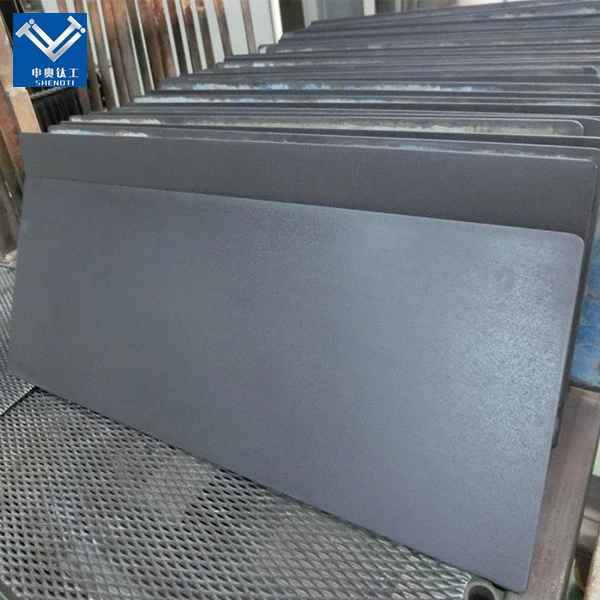
II. Advantages of Titanium Anodes for Wastewater Treatment
1. Strong Corrosion Resistance
Titanium substrates possess extremely strong corrosion resistance, maintaining stable operation even in acidic, alkaline, and high-salt wastewater environments. Compared to traditional electrode materials, titanium anodes are less prone to oxidation or dissolution, significantly extending their service life.
Advantages include: Suitable for complex water quality environments; Reduced equipment replacement frequency; Lower long-term operating costs.
2. High Electrocatalytic Activity
The titanium anode surface is coated with an MMO (mixed metal oxide) catalytic layer, such as RuO₂ or IrO₂. These coatings exhibit extremely high electrocatalytic activity, improving the degradation efficiency of organic pollutants. Technical Advantages:
Accelerates COD and BOD decomposition
Improves oxidation reaction efficiency
Reduces energy consumption
3. Long service life and strong stability
High-quality DSA (Dimensionally Stable Anode) titanium anodes can operate continuously for thousands of hours with extremely low performance degradation. Their dimensional stability ensures uniform current distribution and stable treatment results during electrolysis.
Application Value:
Suitable for continuous industrial operation
Reduced maintenance costs
Improved system reliability
4. Environmentally friendly with no secondary pollution
Traditional electrodes may release heavy metal ions during use, while titanium anodes are inert materials and will not cause secondary pollution to water bodies, aligning with current green and environmentally friendly development trends.
Environmental Advantages:
No release of harmful substances
Meets environmental emission standards
Suitable for drinking water treatment and reuse systems
5. High current efficiency and significant energy savings
Titanium anodes have a low oxygen evolution overpotential, making the electrolysis reaction easier to occur, improving current utilization, and reducing energy loss.
Energy Saving Performance:
Reduced operating power consumption
Improved treatment efficiency
Reduced enterprise operating costs
6. Adaptable to Multiple Electrochemical Processes
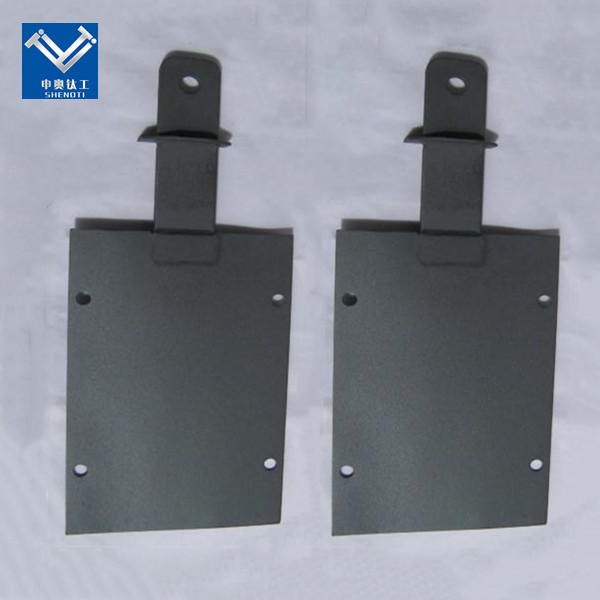
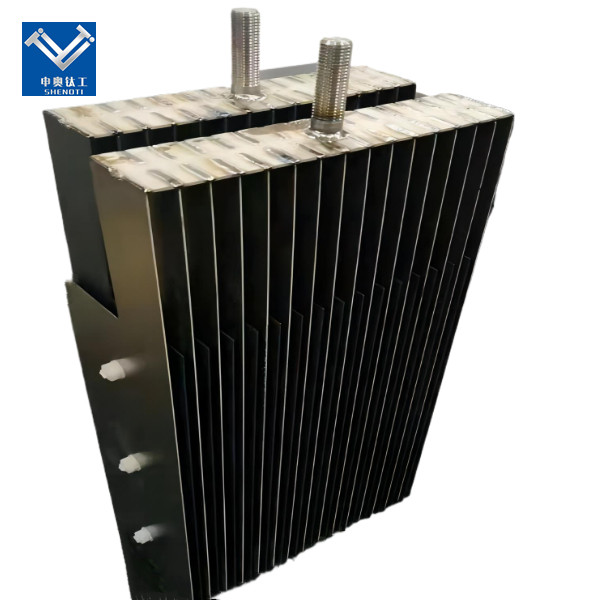
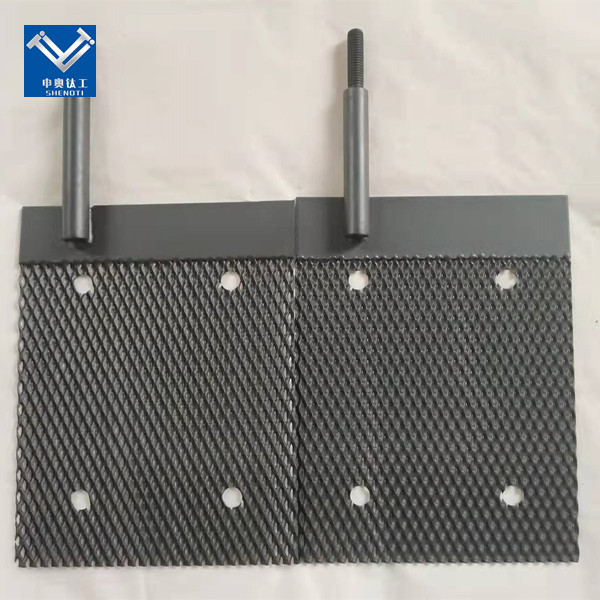
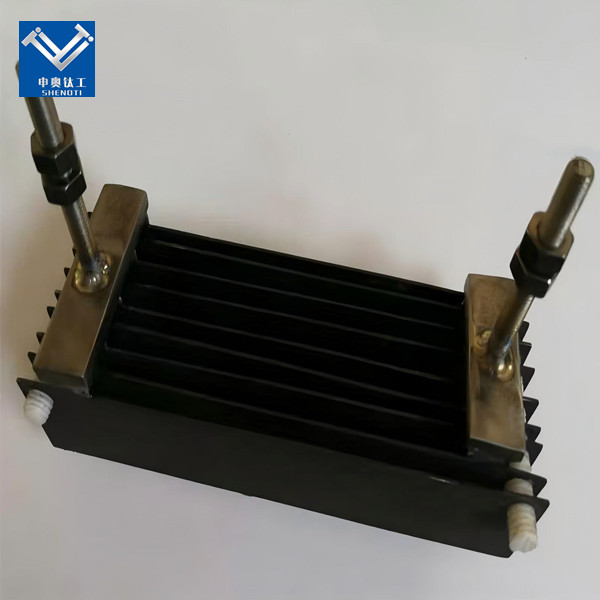
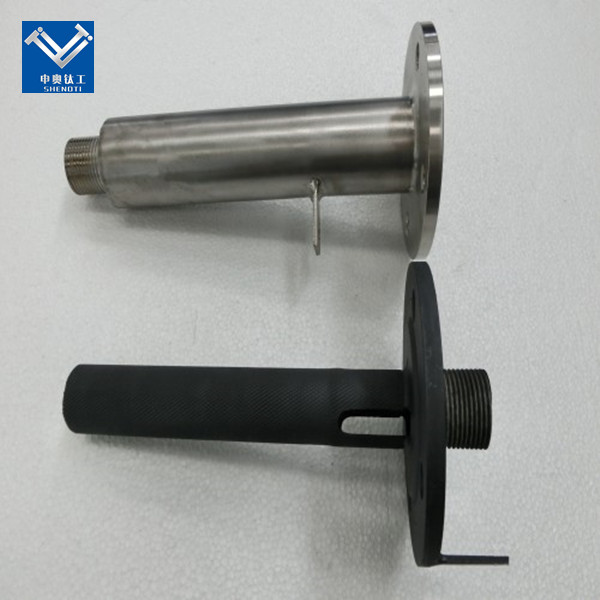
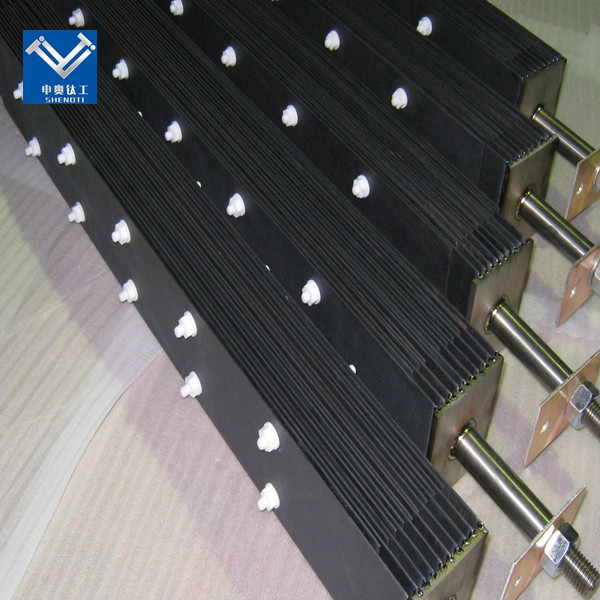
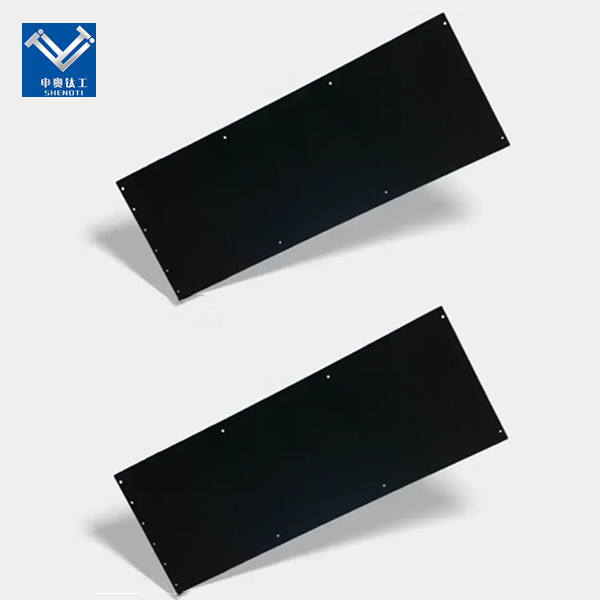
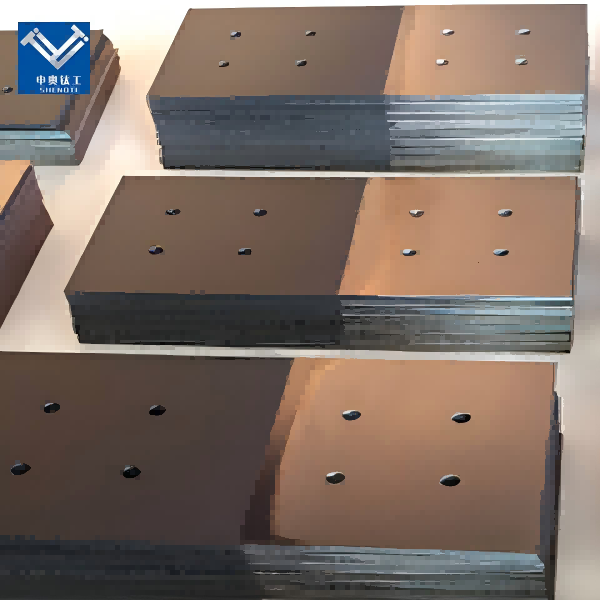
Titanium anodes have flexible structures and can be designed in various forms such as plate, mesh, and tubular to meet different process requirements, adapting to different wastewater treatment systems.
Applicable processes include:
Electrochemical Oxidation
Electrocoagulation
Electrochlorination
Electro-Fenton
III. Case Studies of Titanium Anode Applications in Wastewater Treatment
Case 1: Electroplating Wastewater Treatment
An electroplating plant uses MMO titanium anodes for electrolytic treatment, effectively removing heavy metal ions and organic pollutants from wastewater.
Treatment Results:
COD Removal Rate > 90%
Heavy Metal Removal Rate > 95%
Stable system operation, 30% reduction in maintenance costs
Case 2: Dyeing and Printing Wastewater Decolorization
In the dyeing and printing industry, wastewater has high color and is difficult to degrade. Titanium anode electro-oxidation technology can quickly destroy the dye molecular structure.
Results: Decolorization rate exceeding 95%
Treatment time reduced by 40%
Effluent meets discharge standards
Case Study 3: Deep Treatment of Pharmaceutical Wastewater
Pharmaceutical wastewater has a complex composition, making it difficult to treat using traditional biochemical methods. The introduction of a titanium anode electrochemical system achieves highly efficient degradation.
Core Values:
Improved wastewater biodegradability
Significantly reduced COD
Stable system operation, suitable for large-scale application
The advantages of Baoji Shenao Metal's titanium anodes in wastewater treatment are mainly reflected in their strong corrosion resistance, high electrocatalytic efficiency, long service life, environmental friendliness, and energy-saving effects. They have demonstrated application value in multiple industries such as electroplating, printing and dyeing, chemicals, and pharmaceuticals.
For enterprises seeking efficient, stable, and environmentally friendly solutions, choosing high-quality titanium anodes can not only improve wastewater treatment efficiency but also reduce long-term operating costs, representing an important technological path to achieving green production.


YOU MAY LIKE