The Influence of Current Density on the Lifespan of Titanium Anodes for Electrolytic Sterilization | Technical Analysis by Titanium Anode Manufacturers for Electrolytic Sterilization
2026-03-10 15:51:01
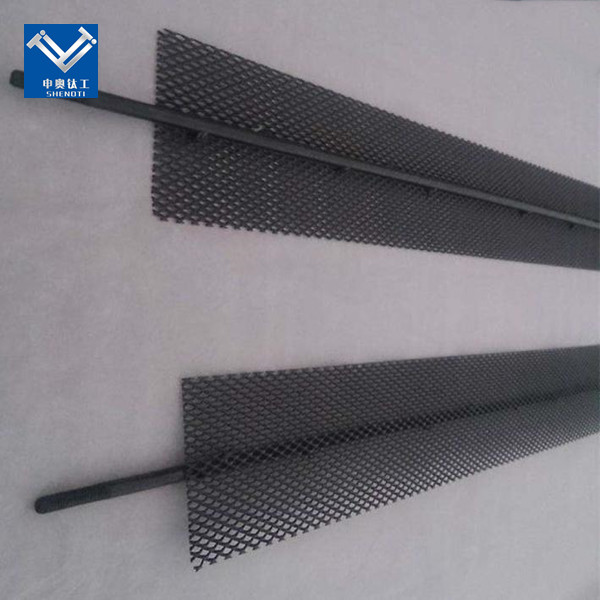
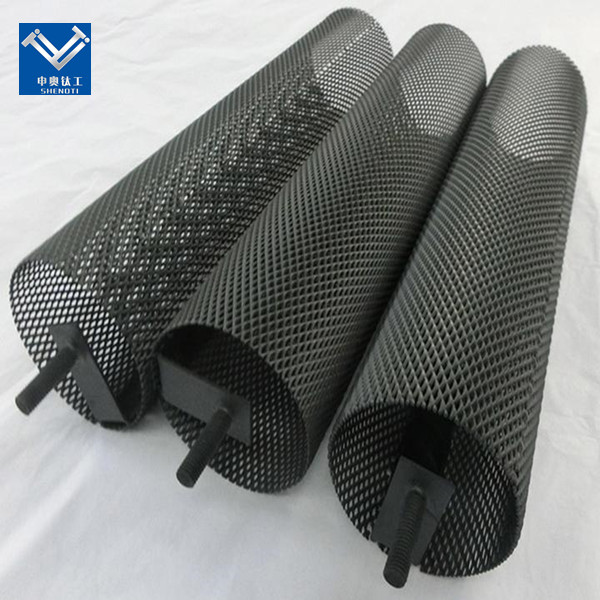
In electrolytic disinfection systems, titanium anodes are the primary electrode material, and their operational stability directly impacts the equipment's chlorine production efficiency, energy consumption, and overall lifespan. Many factors influence the lifespan of titanium anodes used in electrolytic disinfection, with current density being one of the most critical technical parameters. Properly controlling the current density can improve electrolysis efficiency and extend the service life of the titanium anodes.
I. Basic Working Principle of Titanium Anodes for Electrolytic Disinfection Electrolytic disinfection systems typically use chlorinated brine as the electrolyte. Under a DC power supply, effective chlorine is generated through electrode reactions, achieving water disinfection. During electrolysis, an oxidation reaction occurs on the surface of the titanium anode, converting chloride ions into chlorine gas, which further generates hypochlorous acid.
The anode reaction is: 2Cl⁻ → Cl₂ + 2e⁻ The generated chlorine gas reacts with water to produce hypochlorous acid (HOCl), achieving sterilization and disinfection.
In this process, the MMO noble metal coating on the surface of the titanium anode plays a catalytic role; its stability and consumption rate directly affect the long-term operation of the electrolysis system.
II. What is Current Density?
Current density refers to the amount of current carried per unit electrode area, usually expressed in A/m² (amperes per square meter).
The formula is:
Current Density = Current / Effective Anode Area
In electrolytic disinfection equipment, current density determines:
* Electrolytic reaction rate
* Effective chlorine generation efficiency
* Electrolytic energy consumption
* Electrode material consumption rate
Current density is a key parameter that must be considered when designing an electrolytic disinfection system.
III. The Effects of Excessively High Current Density on Electrolytic Disinfection Titanium Anodes
When the current density is too high, it will cause the precious metal coating on the surface of the electrolytic disinfection titanium anode to be consumed more quickly, shortening the electrode's lifespan.
The main effects include:
1. Accelerated Coating Consumption
The MMO coating undergoes a faster electrochemical reaction at high current densities, leading to gradual coating consumption. When the coating thickness decreases to a certain extent, the anode catalytic activity decreases, and the electrolysis efficiency decreases.
2. Increased Electrode Temperature
High current density will cause the electrolytic cell temperature to rise, accelerating coating aging. Prolonged exposure to high temperatures can affect the stability of titanium anodes used in electrolytic sterilization.
3. Increased Voltage
When the current density is too high, the operating voltage of the electrolysis system will rise, leading to increased energy consumption and accelerated anode material wear.
4. Significantly Shortened Service Life
Under normal design conditions, the service life of titanium anodes used in electrolytic sterilization is generally 3-8 years. If operated at high current densities for extended periods, the service life may be shortened to 1-2 years.
IV. Effects of Low Current Density
While high current density shortens electrode life, excessively low current density also negatively impacts the operation of the electrolytic disinfection system.
The main effects are:
* Insufficient effective chlorine production
* Reduced electrolysis efficiency
* Decreased equipment utilization
When designing an electrolytic disinfection system, a balance must be struck between chlorine production efficiency and anode lifespan.
V. Recommended Current Density Range for Electrolytic Disinfection Titanium Anodes
Based on industry experience and engineering application data, the recommended operating current density range for titanium anodes used in electrolytic disinfection is:
500 A/m² — 3000 A/m²
Suggested parameters for different application scenarios are as follows:
|
Application Areas |
Recommended Current Density |
|
Sodium Hypochlorite Generator |
1500–3000 A/m² |
|
Tap Water Disinfection System |
800–2000 A/m² |
|
Hospital Wastewater Treatment |
800–1500 A/m² |
|
Seawater Electrolysis Disinfection |
1000–2500 A/m² |
A reasonable current density can not only improve electrolysis efficiency but also effectively extend the service life of electrolytically sterilized titanium anodes.
VI. How to Extend the Lifespan of Electrolytically Sterilized Titanium Anodes Through Optimized Design
To ensure the long-term stable operation of titanium anodes used for electrolytic sterilization, optimization can typically be achieved through the following methods:
1. Increasing the Effective Anode Area
Increasing the anode area can reduce the current density per unit area, thus reducing coating consumption.
2. Optimizing the Electrolytic Cell Structure
Optimizing the electrode spacing and electrolytic cell structure can improve the uniformity of current distribution and prevent excessively high local current densities.
3. Selecting a High-Quality MMO Coating
Reputable manufacturers of electrolytically sterilized titanium anodes use a stable ruthenium-iridium coating system, forming a uniform coating through multiple sintering processes, improving corrosion resistance.
4. Controlling Operating Parameters
Maintaining stable current, voltage, and temperature conditions can reduce abnormal wear and tear on electrode materials.
VII. The Importance of Choosing a Professional Electrolytically Sterilized Titanium Anode Manufacturer
The lifespan of titanium anodes used for electrolytic sterilization is related to current density and is also closely related to the production process. Professional manufacturers of electrolytic disinfection titanium anodes typically possess:
* Stable MMO coating formulations
* Precise sintering temperature control processes
* Electrochemical performance testing equipment
* A complete lifespan testing system
Choosing an experienced manufacturer of electrolytic disinfection titanium anodes during the design and equipment selection process for electrolytic disinfection systems can effectively ensure long-term stable operation of the equipment.
Current density is a technical parameter affecting the lifespan of electrolytic disinfection titanium anodes. Properly controlling the current density can not only improve electrolysis efficiency but also extend the service life of titanium anodes used for electrolytic disinfection. By optimizing the electrode area, improving the electrolytic cell structure, and selecting high-quality electrolytic disinfection titanium anode manufacturers, system operating costs can be reduced while ensuring disinfection effectiveness.
For water treatment equipment manufacturers and engineering companies, scientifically matching the current density and electrode specifications during the design of electrolytic disinfection systems is a crucial prerequisite for ensuring the long-term stable operation of the system.


YOU MAY LIKE