How to Select the Right Titanium Anode for Electrolytic Sterilization? A Selection Guide from Titanium Anode Manufacturers for Electrolytic Sterilization
2026-03-10 15:42:42
In electrolytic disinfection systems, the titanium anode used for electrolytic disinfection is one of the key components, and its performance directly affects disinfection efficiency, equipment stability, and system operating costs. Therefore, correctly selecting the titanium anode for electrolytic disinfection is a crucial focus for equipment manufacturers and engineering units when constructing an electrolytic disinfection system or replacing electrodes.
I. Selecting a Titanium Anode for Electrolytic Disinfection Based on Current Density
Current density is an important parameter in the design of an electrolytic disinfection system and a key factor determining the lifespan of the titanium anode.
Generally, the operating current density range for titanium anodes used in electrolytic disinfection is: 500A/m² — 3000A/m². If the current density is too high, it will lead to accelerated coating consumption and shorten the lifespan of the titanium anode; if the current density is too low, it will reduce chlorine evolution efficiency and affect the disinfection effect.
When selecting a model, it is necessary to determine a reasonable current density range based on the equipment design parameters and choose a matching titanium anode model for electrolytic disinfection.
II. Selection of Titanium Anode Type Based on Water Quality Conditions
Different water quality conditions place different requirements on titanium anodes used for electrolytic disinfection. The following factors should be considered:
1. Chloride Ion Concentration
Higher chloride ion concentrations result in higher electrolysis efficiency but also accelerate the consumption of the electrode surface coating. In high-salt environments or seawater electrolysis systems, MMO-coated titanium anodes with better corrosion resistance are required.
2. Water pH Value
pH value affects the efficiency of available chlorine generation during electrolysis. Generally, neutral or slightly alkaline water is more suitable for electrolytic disinfection systems.
Under conditions with significant pH fluctuations, titanium anodes with higher stability should be selected.
3. Impurity Content in Water
If the water contains a large amount of suspended solids or metal ions, deposits can easily form on the electrode surface, affecting the working efficiency of the titanium anodes used for electrolytic disinfection. In such environments, pretreatment should be strengthened, and anode structures with stronger anti-fouling properties should be selected.
III. Selection of Titanium Anodes for Electrolytic Disinfection Based on Structural Form
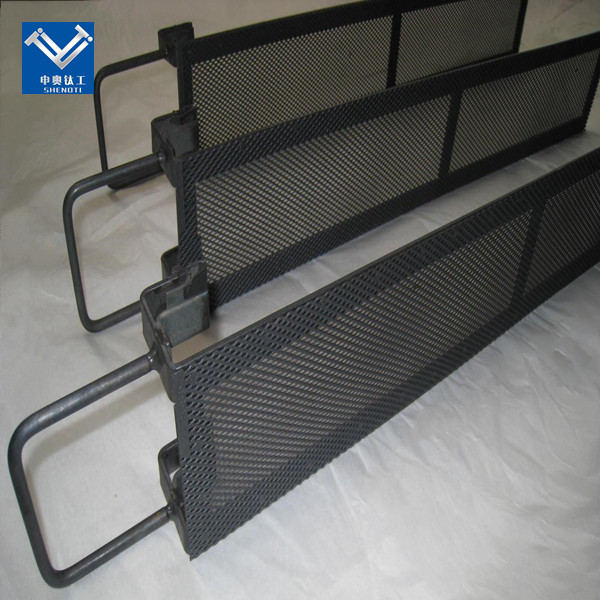
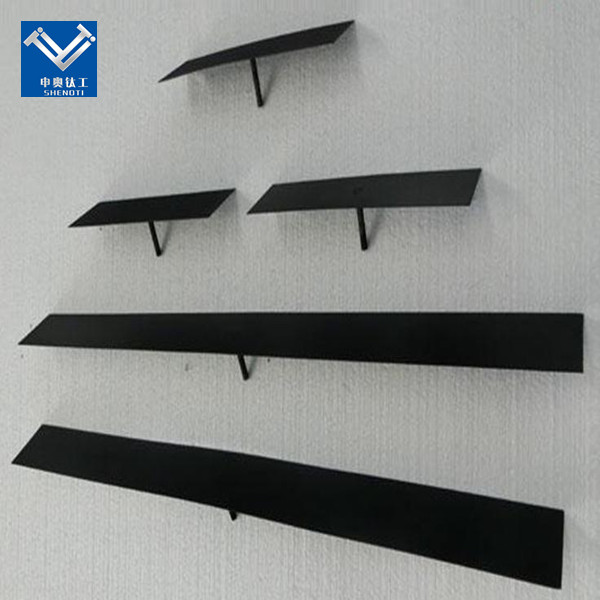
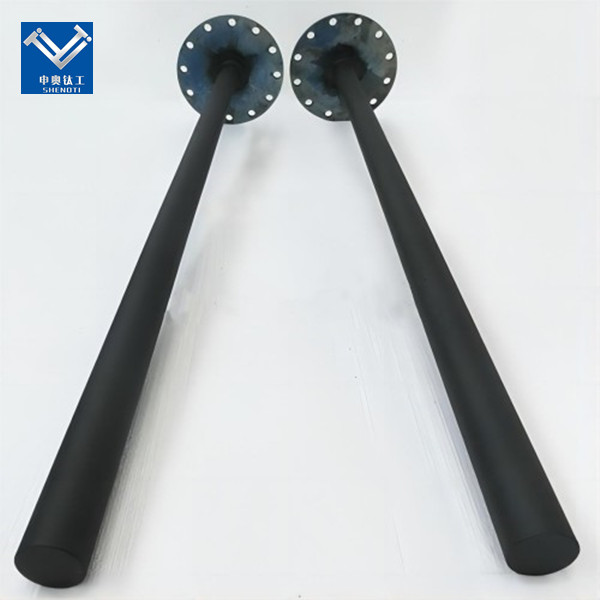
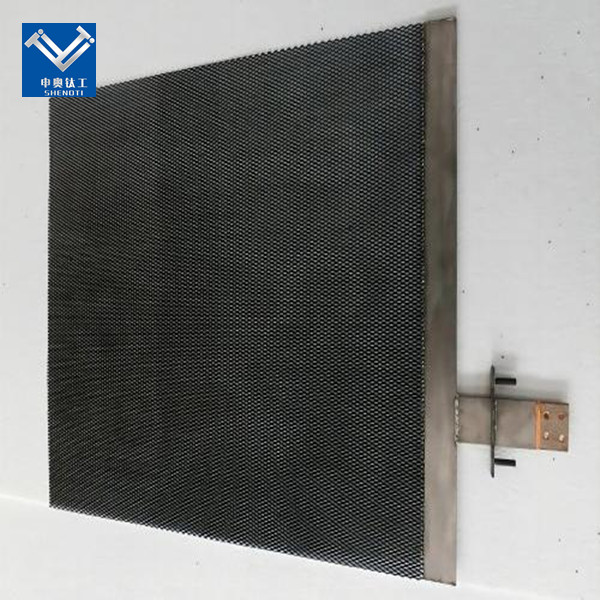
Titanium anodes for electrolytic disinfection can be designed in various forms depending on the equipment structure:
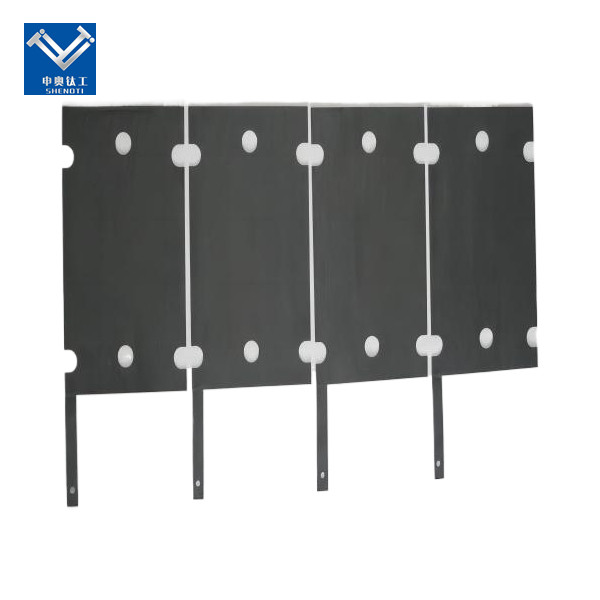
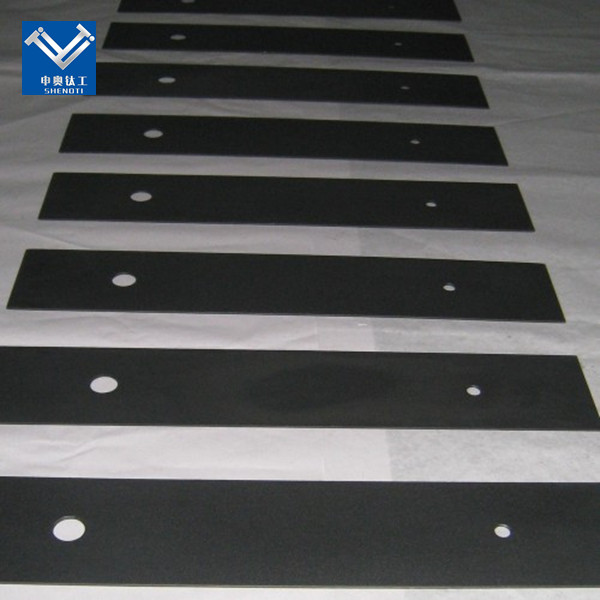
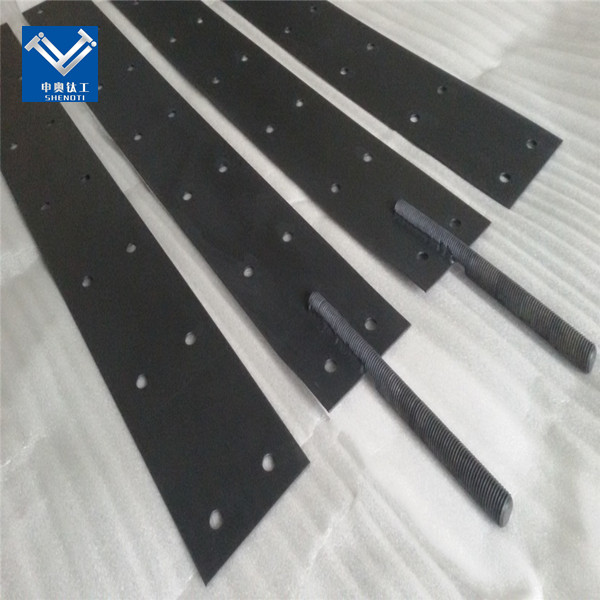
Plate-type Electrolytic Disinfection Titanium Anodes: Suitable for most electrolytic disinfection equipment, with a simple structure, uniform current distribution, and convenient maintenance.
Mesh-type Electrolytic Disinfection Titanium Anodes: Have a larger specific surface area, which can improve electrolysis efficiency and is suitable for high-efficiency disinfection systems.
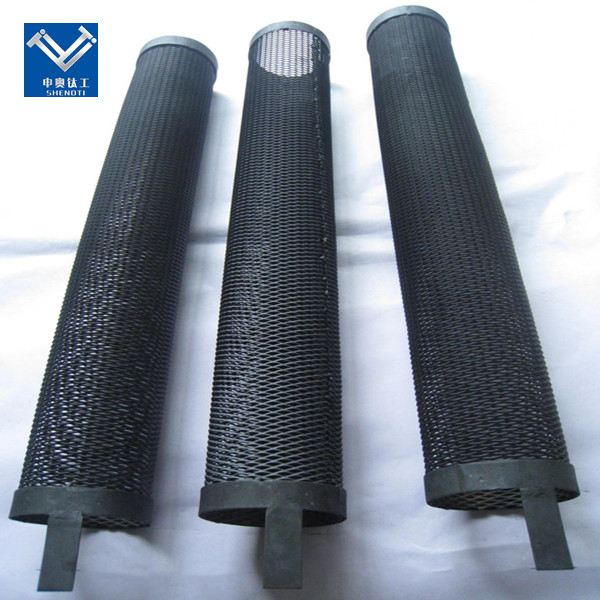
Tube-type Electrolytic Disinfection Titanium Anodes: Commonly used in large electrolytic cells or continuously operating equipment, suitable for large-scale water treatment systems.
In actual selection, the structural dimensions of the electrolytic cell, current distribution, and equipment installation method should be comprehensively considered.
IV. Selecting Titanium Anodes for Electrolytic Disinfection Based on Coating Type
The performance of titanium anodes for electrolytic disinfection primarily depends on their surface coating. Currently, the most commonly used coating in the water treatment industry is the MMO (Metal-Modified Metal) noble metal oxide coating.
Common coating systems include:
* Ruthenium-iridium coating
* Ruthenium-titanium coating
* Multi-element noble metal composite coating
Ruthenium-iridium coated titanium anodes for electrolytic disinfection exhibit high chlorine evolution efficiency and a long service life, making them the most widely used type in current electrolytic disinfection systems.
High-quality titanium anodes for electrolytic disinfection typically employ multiple coating processes and high-temperature sintering to ensure a stronger bond between the coating and the titanium substrate.
V. How to Assess the Service Life of Titanium Anodes for Electrolytic Disinfection
During the selection process, many users are concerned about the service life of titanium anodes used for electrolytic disinfection.
Under normal operating conditions, the service life of a high-quality MMO-coated electrolytic disinfection titanium anode can reach: 3 to 8 years. The main factors affecting service life include:
* Operating current density
* Daily operating time
* Water quality conditions
* Coating thickness
When purchasing electrolytic disinfection titanium anodes, choose manufacturers with mature production processes to ensure product stability.
VI. What parameters are needed for selecting electrolytic disinfection titanium anodes?
To more accurately match the model of titanium anode used for electrolytic disinfection, it is recommended that users provide the following parameters during selection:
* Electrolytic cell size
* Operating current or current density
* Water salinity
* Equipment operating time
* Installation structure
With these parameters, electrolytic disinfection titanium anode manufacturers can provide a more reasonable selection solution.
VII. How to choose a reliable electrolytic disinfection titanium anode manufacturer
In addition to product parameters, choosing a professional electrolytic disinfection titanium anode manufacturer is equally important. We recommend focusing on the following points:
* Does the manufacturer possess mature MMO coating technology?
* Does the manufacturer support non-standard customization?
* Does the manufacturer provide selection technical support?
* Does the manufacturer have stable batch supply capabilities?
Professional manufacturers can provide more reliable titanium anode solutions for electrolytic disinfection based on the needs of different water treatment systems.
As a key component in electrolytic disinfection systems, the selection of titanium anodes directly affects the operating efficiency and lifespan of the equipment. By properly matching current density, water quality conditions, structural form, and coating type, the overall performance of the electrolytic disinfection system can be improved.
If you are planning an electrolytic disinfection system or need to replace electrodes, we recommend communicating with a professional titanium anode manufacturer for electrolytic disinfection to customize a more suitable product solution based on your actual operating conditions.


YOU MAY LIKE