The Influence of Ruthenium-Iridium Coating on Electrolytic Disinfection Efficiency | Analysis of Titanium Anode Technology for Electrolytic Disinfection
2026-03-10 15:55:11
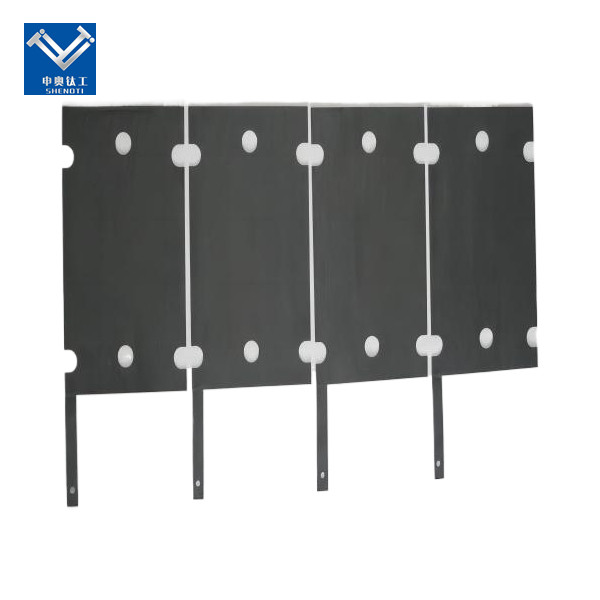
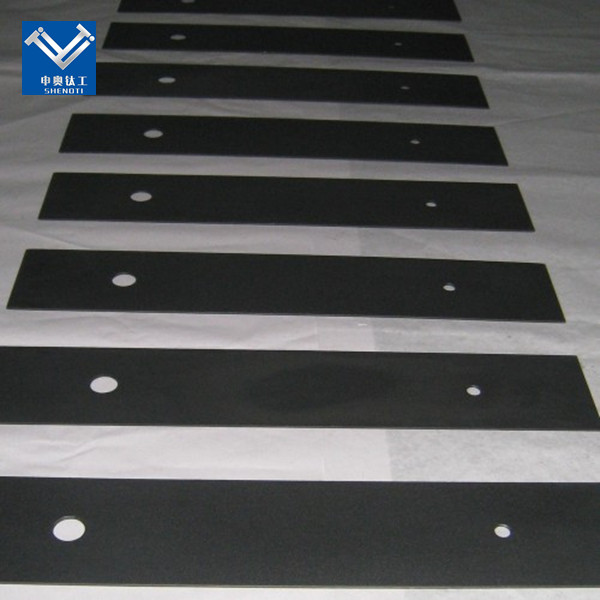
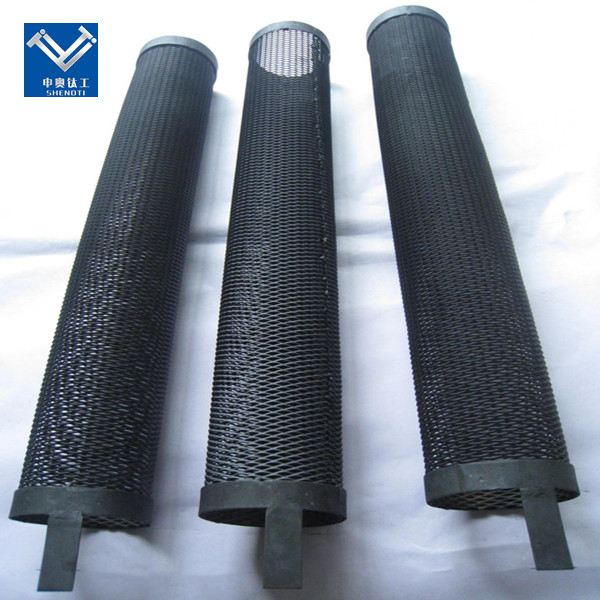
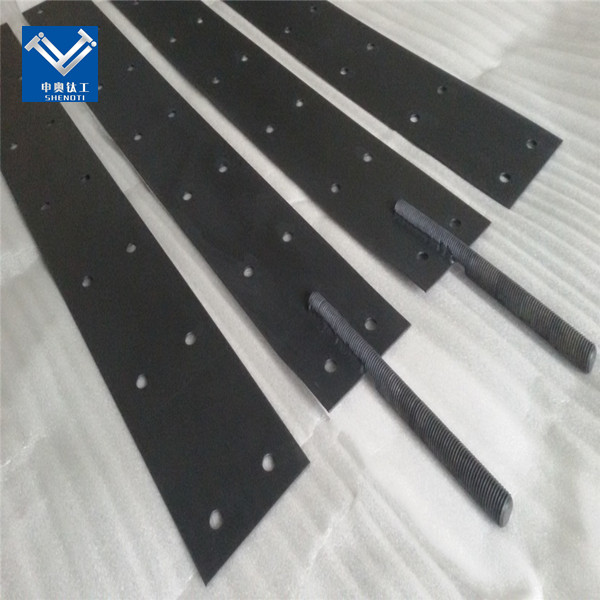
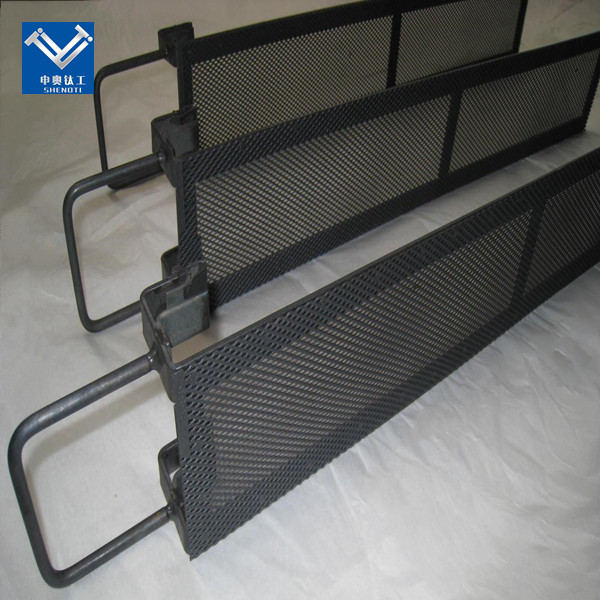
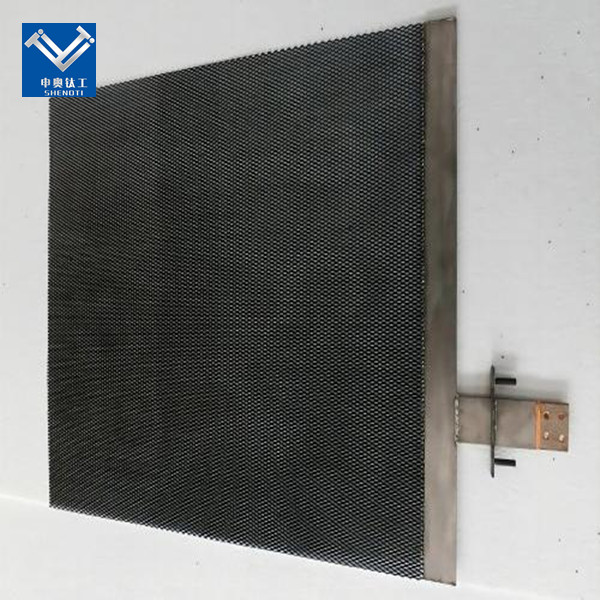
In electrolytic disinfection equipment and water treatment systems, the performance of electrode materials directly determines electrolysis efficiency and equipment operational stability. The ruthenium-iridium coating (RuO₂-IrO₂) on the surface of titanium anodes used for electrolytic disinfection is one of the most mature and stable catalytic coatings in the field of electrolytic chlorination. The ruthenium-iridium coating can improve electrolysis reaction efficiency, reduce energy consumption, and extend electrode lifespan, and is widely used in sodium hypochlorite generators, water treatment electrolytic disinfection systems, and seawater electrolytic chlorination equipment.
I. Basic Principles of Electrolytic Disinfection Systems
Electrolytic disinfection technology mainly utilizes saline water as the electrolyte. Under the action of direct current, effective chlorine is generated through electrode reactions, achieving water sterilization and disinfection.
During the electrolysis process, the following reaction occurs on the surface of the titanium anode used for electrolytic disinfection:
Anodic reaction:
2Cl⁻ → Cl₂ + 2e⁻
The generated chlorine gas dissolves in water to form hypochlorous acid (HOCl) and hypochlorite ions (OCl⁻), achieving the sterilization and disinfection effect.
Electrolytic disinfection systems place high demands on anode materials:
* High chlorine evolution catalytic activity
* Excellent corrosion resistance
* Stable operation at high current densities
* Low potential, reducing energy loss
Ordinary metal electrodes are prone to corrosion or passivation in chlorine environments, while titanium anodes for electrolytic disinfection with ruthenium-iridium coatings effectively solve these problems.
II. Structural Characteristics of Ruthenium-iridium Coatings
Ruthenium-iridium coatings are a type of mixed metal oxide coating (MMO coating), typically composed of ruthenium oxide (RuO₂) and iridium oxide (IrO₂), coated onto the surface of a titanium substrate through a high-temperature thermal decomposition process.
This coating structure has the following characteristics:
1. High Electrocatalytic Activity
Ruthenium oxide has extremely high chlorine evolution catalytic activity, reducing the overpotential of the chloride ion oxidation reaction and improving electrolysis efficiency.
2. Excellent Chemical Stability
Iridium oxide has extremely strong corrosion resistance, maintaining a stable structure even in high-chlorine and high-salt environments.
3. Porous Microstructure
The ruthenium-iridium coating forms a microporous structure during sintering, increasing the electrode's specific surface area and enhancing electrochemical reactivity.
This structure enables the titanium anode for electrolytic disinfection to achieve higher current efficiency and lower energy consumption during electrolysis.
III. Improvement of Electrolytic Disinfection Efficiency by Ruthenium-iridium Coating
In electrolytic disinfection systems, the ruthenium-iridium coating primarily improves electrolysis efficiency in the following ways:
1. Increased Chlorine Emission Efficiency
The ruthenium-iridium coating has a lower chlorine evolution overpotential, making it easier for chloride ions to undergo oxidation on the anode surface, thus increasing the effective chlorine generation rate.
Under the same current conditions, titanium anodes for electrolytic disinfection using the ruthenium-iridium coating can generate more effective chlorine, improving disinfection efficiency.
2. Reduced Energy Consumption
Due to the lower electrode reaction potential of the ruthenium-iridium coating, the electrolysis equipment requires lower voltage during operation.
This means:
* Reduced energy consumption of the electrolysis system
* Reduced operating costs
* More stable electrolysis equipment
For large-scale water treatment projects, reducing energy consumption has significant economic implications.
3. Improved current efficiency
During electrolysis, if the anode material's catalytic performance is insufficient, side reactions such as the oxygen evolution reaction can easily occur.
The ruthenium-iridium coating can effectively suppress side reactions, allowing more current to be used for chlorine generation, thus improving current efficiency.
4. Extended electrode lifespan
Electrolytic disinfection equipment typically requires long-term continuous operation, making anode lifespan crucial.
The ruthenium-iridium coating has:
* Strong adhesion
* Strong corrosion resistance
* Difficult to peel off
Under reasonable current density conditions, the lifespan of titanium anodes used for electrolytic disinfection can typically reach 3 to 8 years.
IV. Factors Affecting the Performance of Ruthenium-Iridium Coatings
Although ruthenium-iridium coatings offer superior performance, their actual effectiveness is still influenced by several factors.
1. Coating Formulation Ratio
Different ruthenium to iridium ratios affect catalytic performance and corrosion resistance.
For example:
*High ruthenium ratio: High chlorine evolution efficiency
*High iridium ratio: Stronger corrosion resistance
Optimization design is required based on specific electrolysis conditions.
2. Coating Thickness
A coating that is too thin will accelerate wear and shorten its lifespan; a coating that is too thick may increase resistance and affect electrolysis efficiency.
Electrolysis sterilization titanium anode manufacturers typically control coating thickness through multiple coating and sintering processes.
3. Current Density
Excessively high current density will accelerate coating wear and reduce electrode lifespan.
It is generally recommended that the operating current density of titanium anodes used for electrolysis sterilization be controlled within a reasonable range to ensure stable operation.
V. Application Areas of Ruthenium-Iridium Coated Titanium Anodes for Electrolytic Disinfection
Ruthenium-iridium coated titanium anodes for electrolytic disinfection have been widely used in various industries, including:
* Electrolytic disinfection systems in water treatment plants
* Hospital wastewater treatment equipment
* Rural drinking water safety projects
* Swimming pool circulating water disinfection systems
* Seawater electrolysis chlorination equipment
* Sodium hypochlorite generators
These applications have high requirements for electrolysis efficiency and electrode lifespan, making ruthenium-iridium coating a crucial technology choice in the field of electrolytic disinfection.
The ruthenium-iridium coating is a vital component of titanium anodes used in electrolytic disinfection, significantly influencing electrolysis efficiency, energy consumption, and equipment stability. By improving chlorine evolution efficiency, reducing electrode potential, increasing current utilization, and extending electrode lifespan, the ruthenium-iridium coating can significantly enhance the overall performance of the electrolytic disinfection system.
In practical applications, selecting a titanium anode manufacturer with mature coating technology and stable production capabilities is crucial for ensuring the long-term stable operation of the electrolysis system.
For water treatment equipment manufacturers and engineering companies, selecting ruthenium-iridium coated titanium anodes for electrolytic disinfection based on specific electrolysis conditions can effectively improve equipment efficiency and reduce long-term operating costs.


YOU MAY LIKE