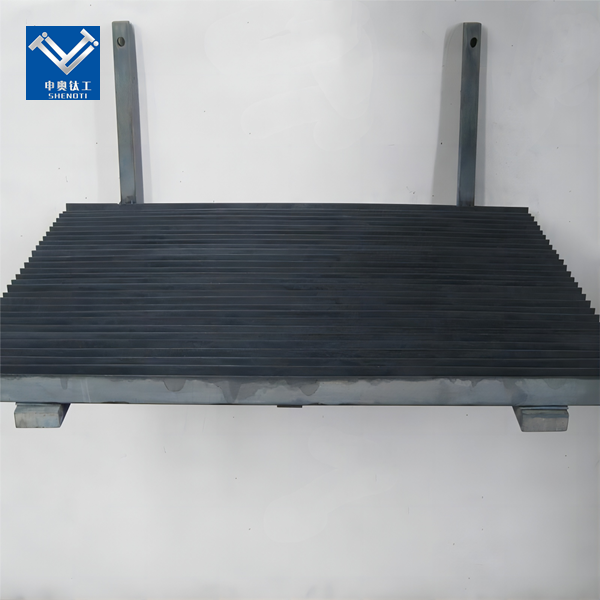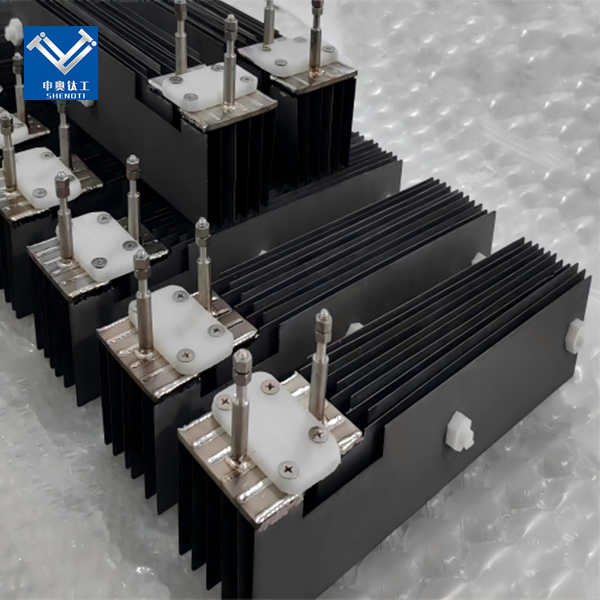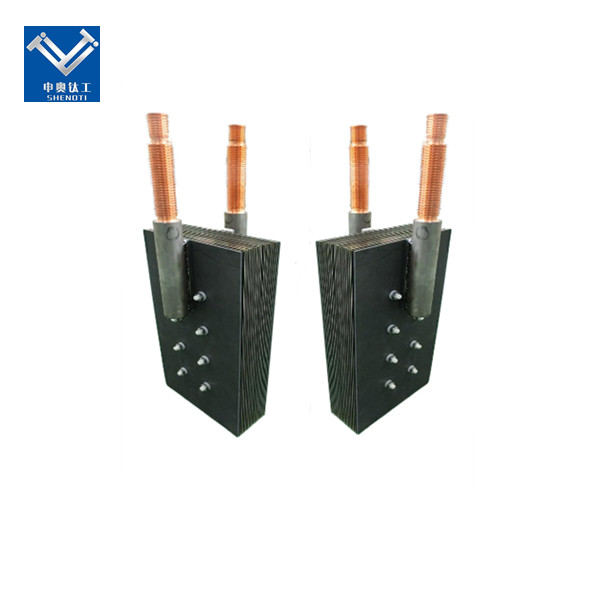
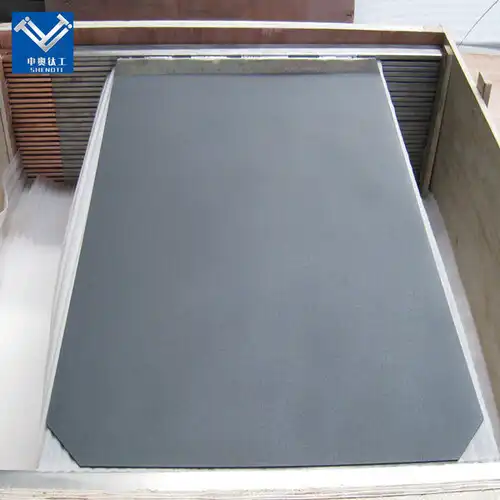
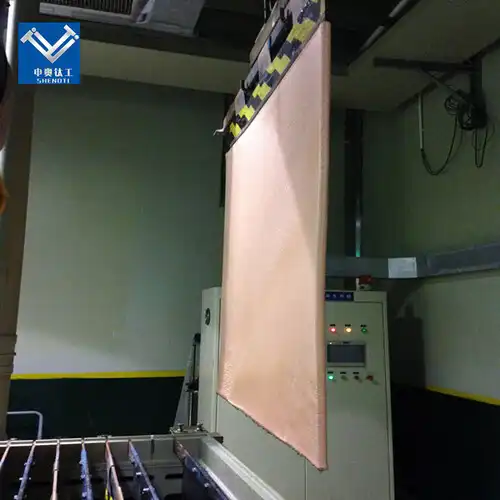
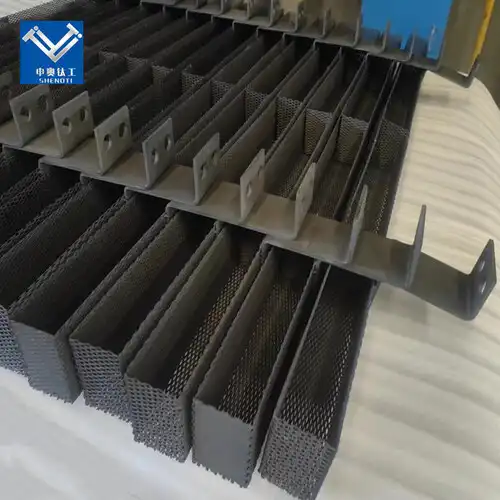
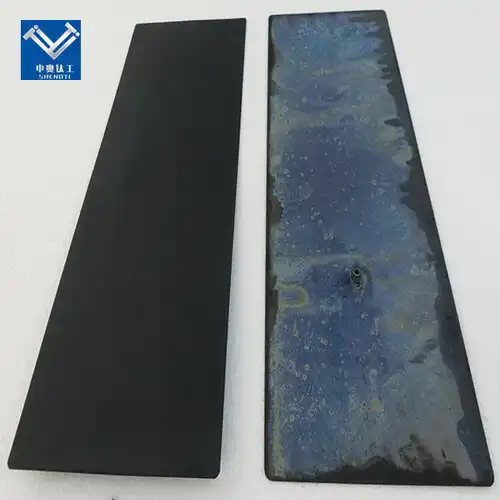
Titanium anode for aluminum foil conversion


Current Density:500–3000 A/m² (Customizable)
Coating Thickness:5–15 μm (Depending on Application)
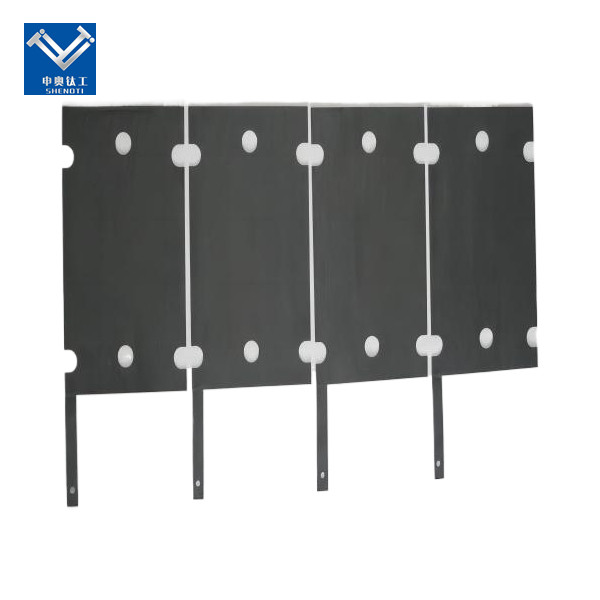
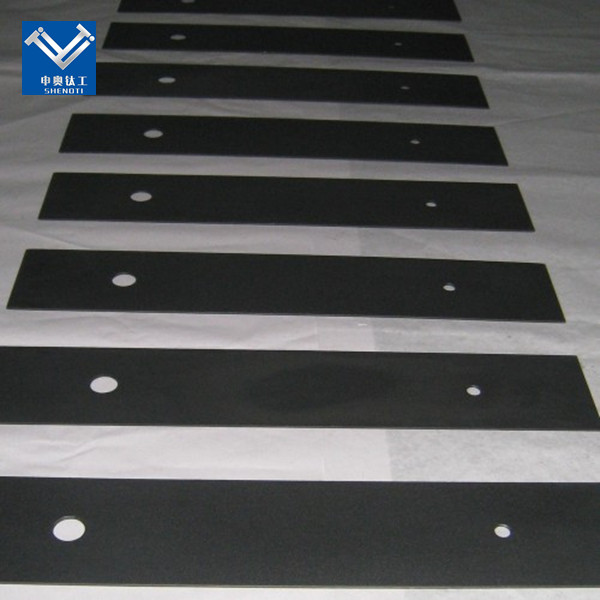
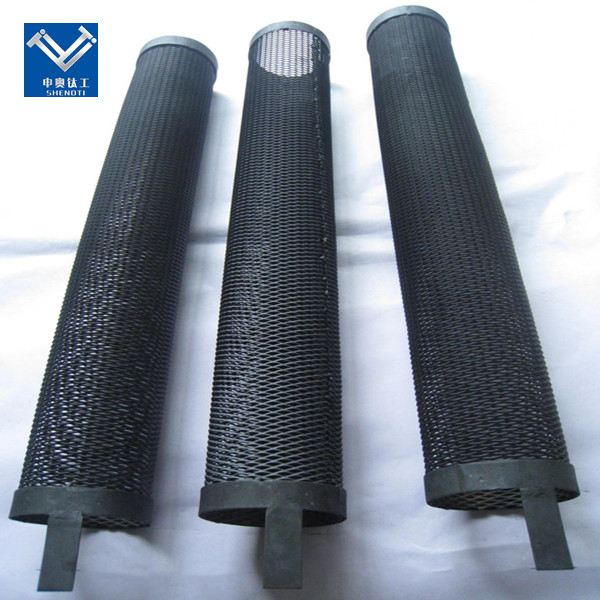
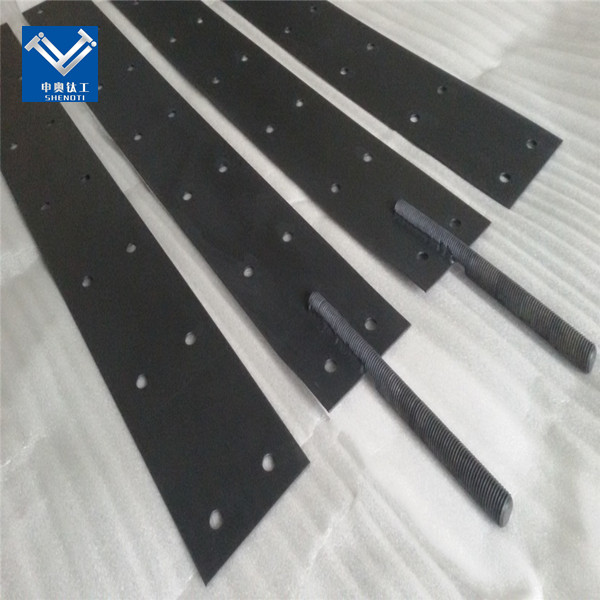
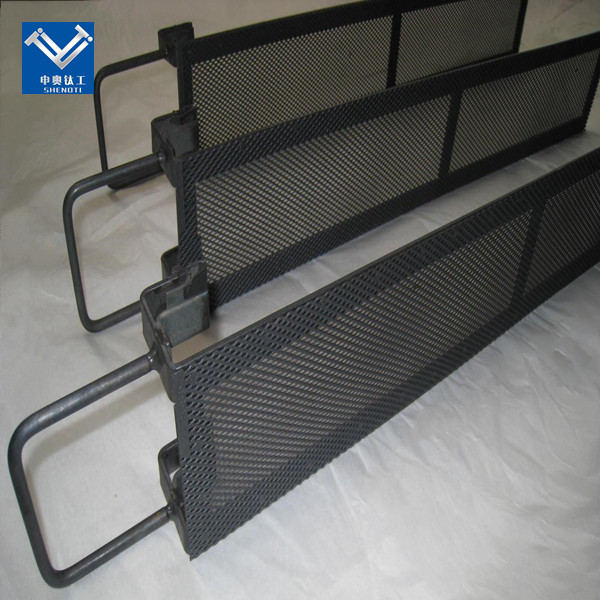
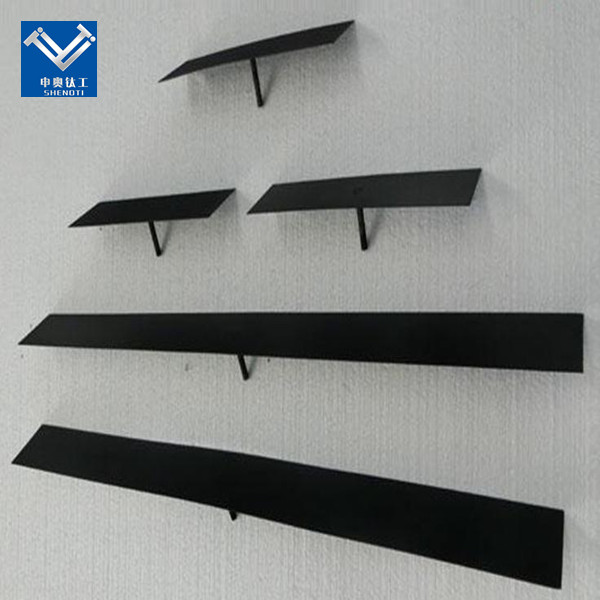
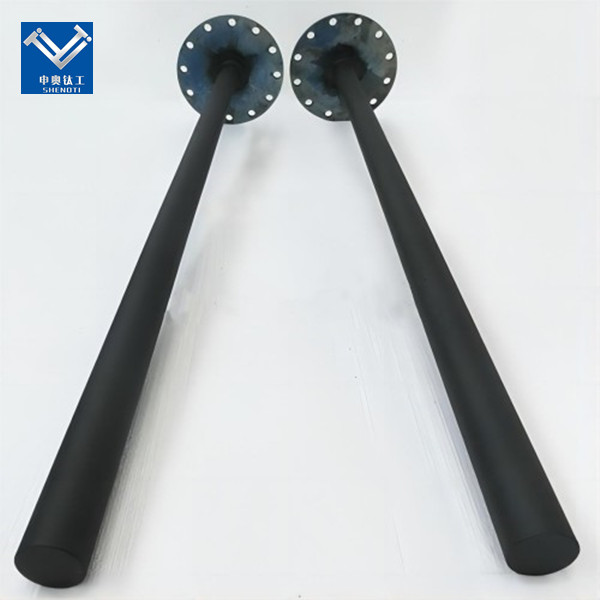
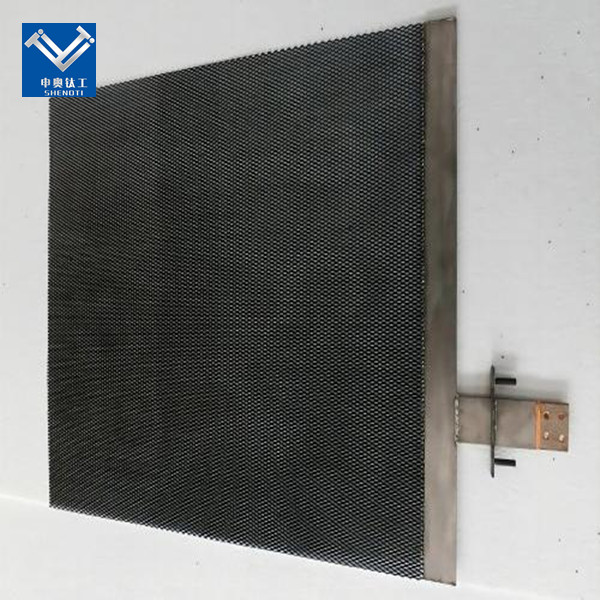
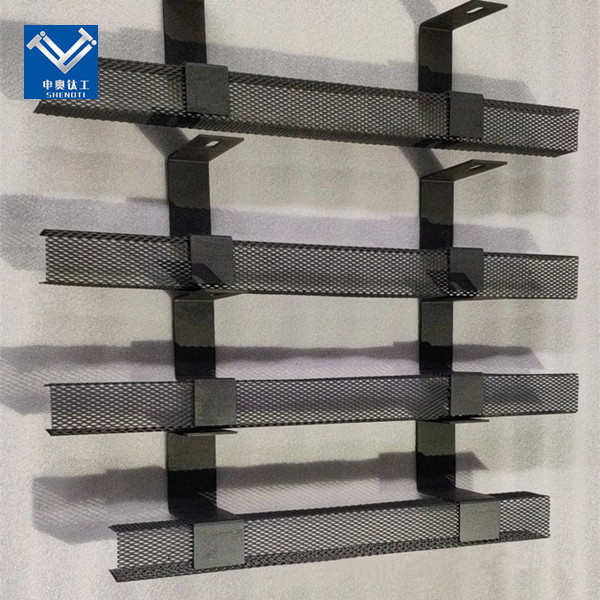
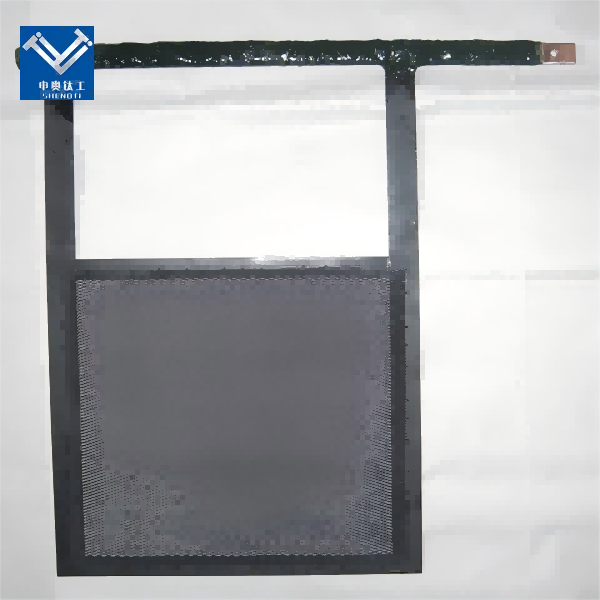
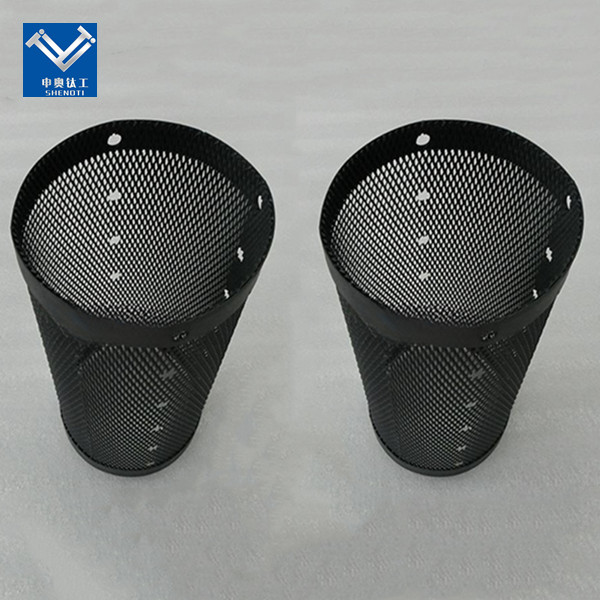
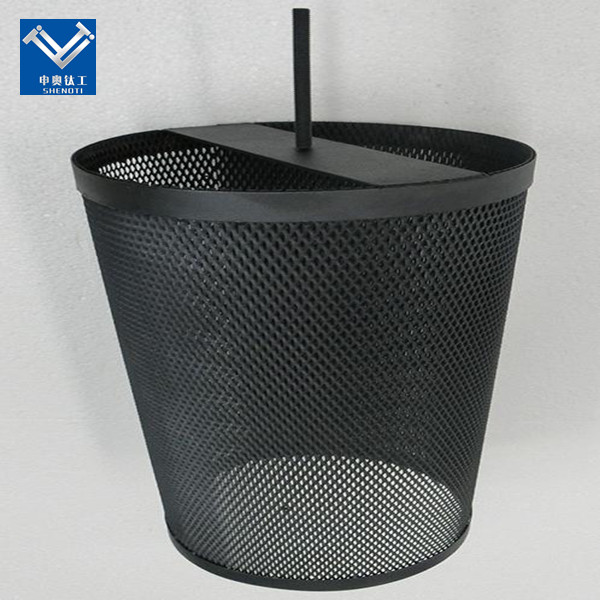
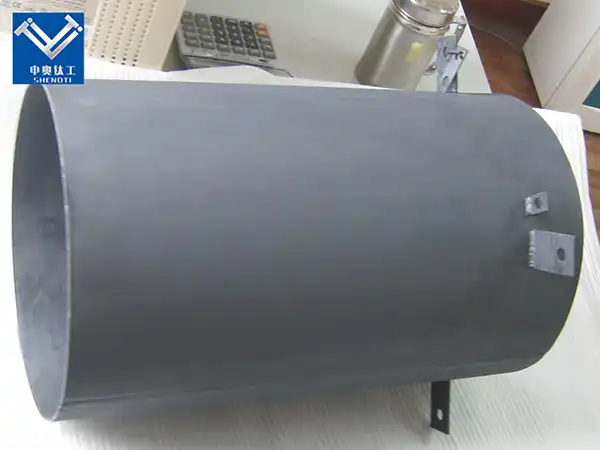
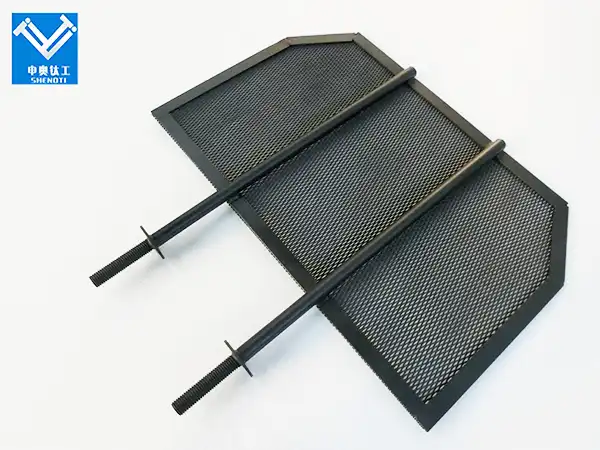
Shape Options:Plate、Mesh、Tube、Custom Structure
Lifespan:8,000–20,000 hours (Depending on Operating Conditions)
coating:Ruthenium oxide
Material:Grade 2 pure titanium
Titanium Anode for Aluminum Foil Conversion
When you're producing aluminum electrolytic capacitors, the quality of your electrochemical process determines everything. Our Titanium anode for aluminum foil conversion at Baoji City ShenAo Metal Materials Co., Ltd. delivers exceptional performance with proven reliability. Built on Grade 1/2 pure titanium substrates and coated with premium ruthenium oxide layers (5–15 μm thickness), these anodes support current densities from 500 to 3,000 A/m². With operational lifespans extending between 8,000 to 20,000 hours depending on your specific conditions, you gain a dependable solution for continuous high-speed production lines while reducing downtime by up to 30% through substrate recoating services.
Why Choose Our Titanium Anodes?
Superior Dimensional Stability
Your generation line requests consistency. Conventional lead anodes debase and alter shape, disturbing anode crevices and compromising thwart quality. Our item keeps up exact measurements all through its whole benefit life. This soundness guarantees uniform current conveyance over your aluminum thwart surface, making steady burrow pit structures amid carving and anticipating burnt spots amid oxide formation.
Energy Proficiency That Impacts Your Foot Line
You'll take note quick operational reserve funds. Our MMO-coated titanium anodes decrease cell voltage by 0.2V to 0.5V compared to customary lead choices. Lower overpotential implies decreased control utilization over your whole change line. When you're running high-current thickness operations at 2,000–3,000 A/m², these vitality reserve funds compound essentially over time.
Zero Electrolyte Contamination
Lead disintegration into your electrolyte causes genuine issues. It makes spillage streams in wrapped up capacitors and requires exorbitant electrolyte substitution. Our inactive titanium substrate with catalytic oxide coating kills this defilement chance completely. You keep up high-purity conditions fundamental for creating premium-grade electronic components.
|
|
|
|
|
|
|
|
|
|
|
|





Technical Specifications
|
Parameter
|
Specification
|
|
Substrate Material
|
Grade 1/2 Pure Titanium (ASTM B265)
|
|
Coating Type
|
Ruthenium Oxide (RuO₂-based MMO)
|
|
Coating Thickness
|
5–15 μm (Application-dependent)
|
|
Current Density Range
|
500–3,000 A/m² (Customizable)
|
|
Operating Lifespan
|
8,000–20,000 hours
|
|
Shape Options
|
Plate, Mesh, Tube, Custom Structures
|
|
Corrosion Resistance
|
Excellent in H₂SO₄, HCl, adipic acid systems
|
|
Recoating Capability
|
Yes (Substrate reusable)
|
Real-World Applications
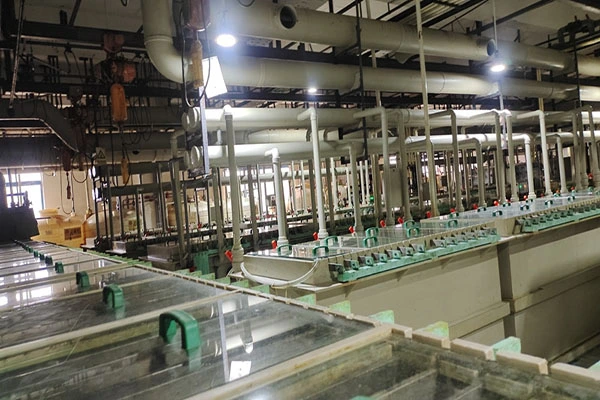
High-Voltage Foil Etching
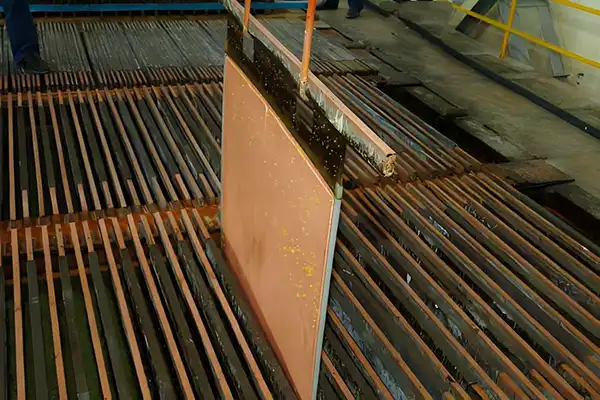
In your hydrochloric and sulfuric acid etching baths, our anodes withstand aggressive conditions while maintaining stable performance. The high current density tolerance creates the dense tunnel pit structures you need for maximum capacitance in finished products.
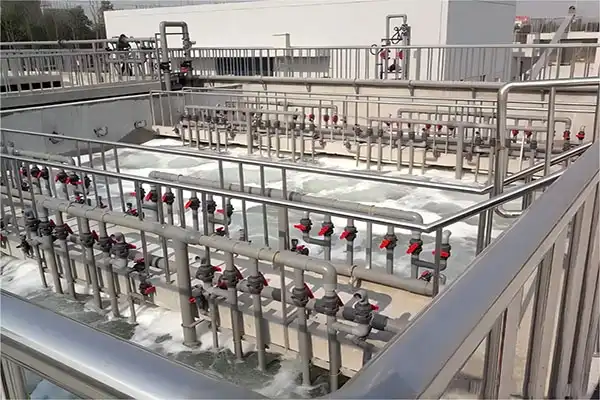
Electrolytic Formation Lines
During dielectric oxide layer formation, voltage stability is critical. Our anodes provide consistent output that prevents defects and ensures high breakdown voltage in your final capacitors. You get reliable quality batch after batch.
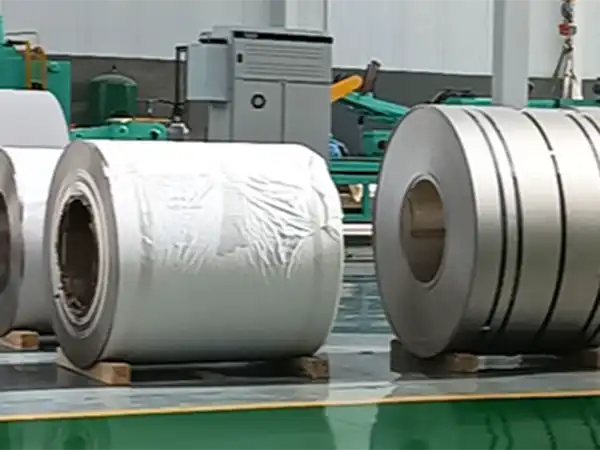
Continuous Roll-to-Roll Production
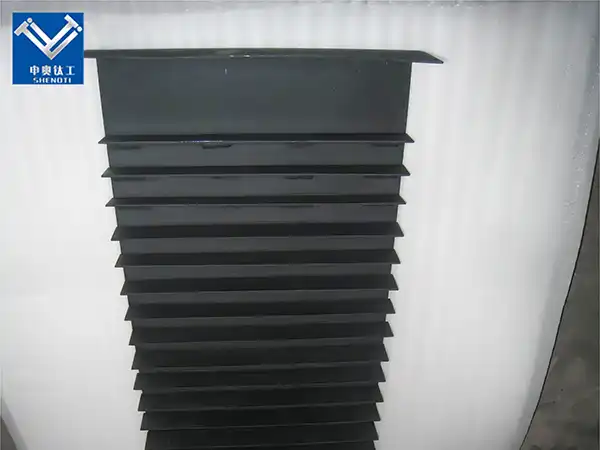
The lightweight yet robust titanium construction allows complex geometries—perforated plates, ribbed designs, mesh configurations—for Titanium anode for aluminum foil conversion. These custom structures optimize electrolyte flow and gas discharge in high-turbulence environments, perfect for automated high-speed lines.
 |
 |
 |
 |
 |
 |
 |
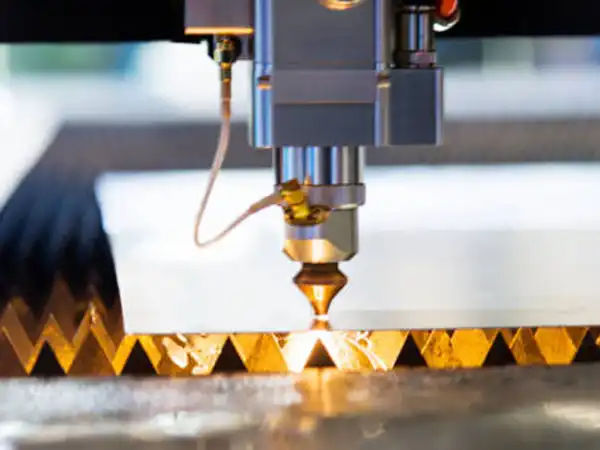
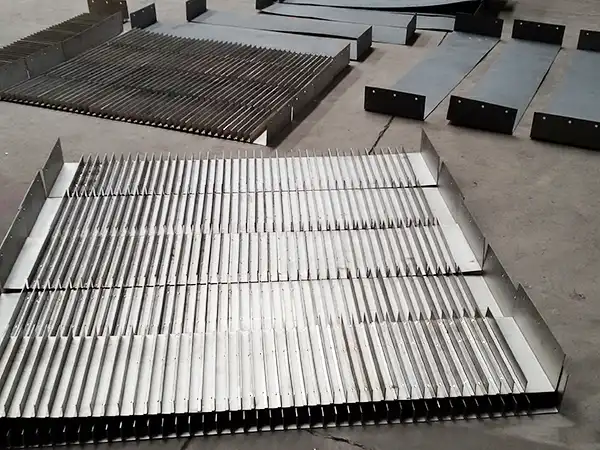
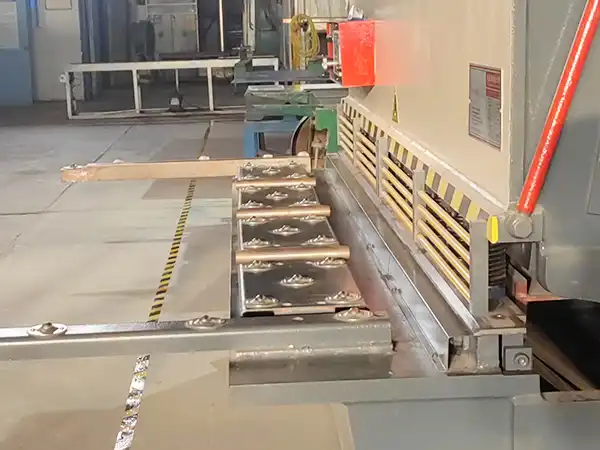
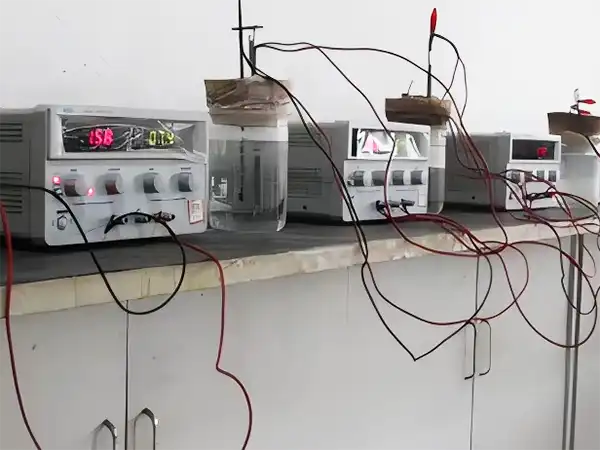
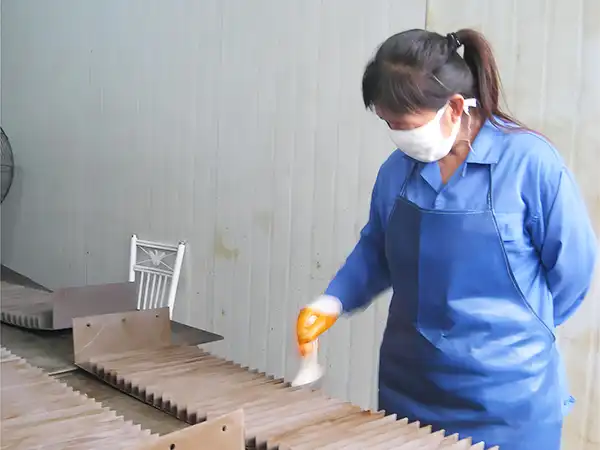
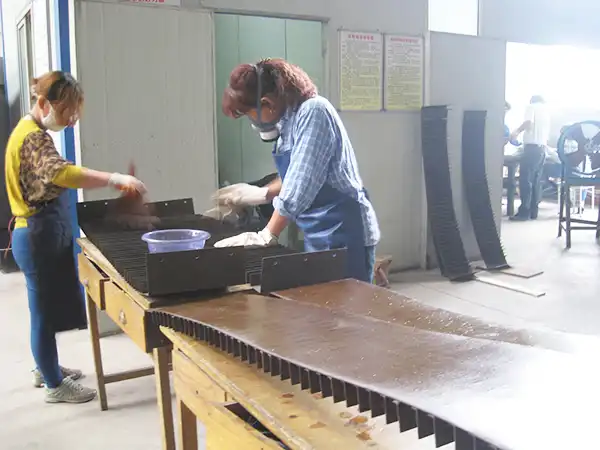
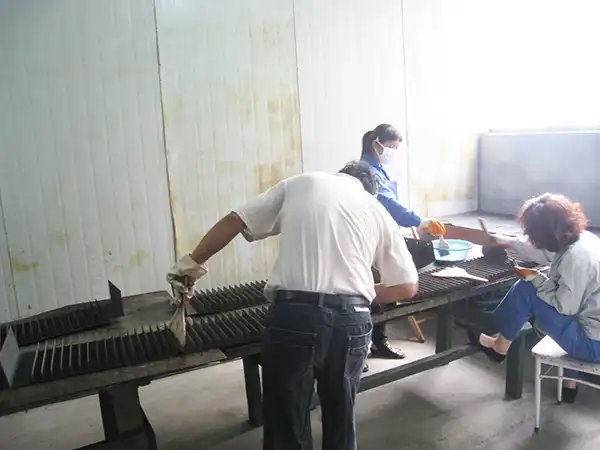
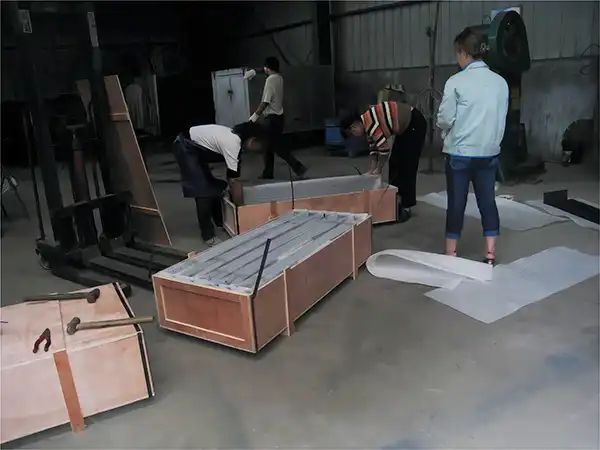
Product production process
 |
 |
 |
 |
 |
 |
 |
 |
 |
 |
The ShenAo Advantage
17 A long time of Fabricating Excellence
Since 2008, we've specialized in valuable metal coated titanium anodes from our office in Baoji's "China Titanium Valley." Our develop bimetallic hazardous welding innovation and progressed coating forms provide items you can trust.
Customization for Your Correct Needs
Every generation line is diverse. We give custom fitted arrangements coordinating your particular current thickness necessities, electrolyte composition, and operational parameters. Whether you require little bunch testing or full-scale generation amounts, we convey on time.
Cost-Effective Lifecycle Management
When coating exhaustion happens, you do not dispose of the whole anode. Our proficient recoating benefit strips the ancient oxide layer, sandblasts the substrate, and reapplies new MMO coating. This expands resource life and decreases your add up to taken a toll of proprietorship considerably.
 |
 |
 |
 |
 |
 |
 |
 |
 |
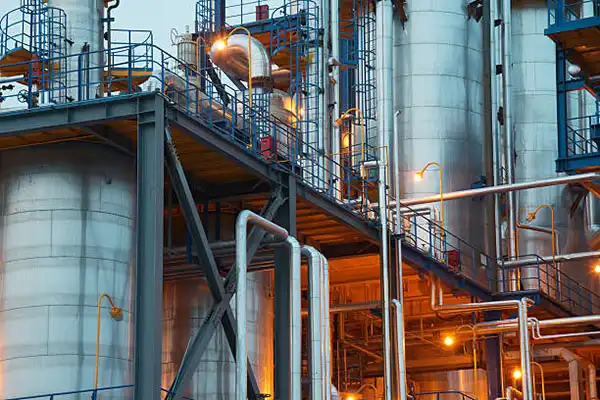
Application Industries
 |
 |
 |
 |
 |
 |
 |
 |
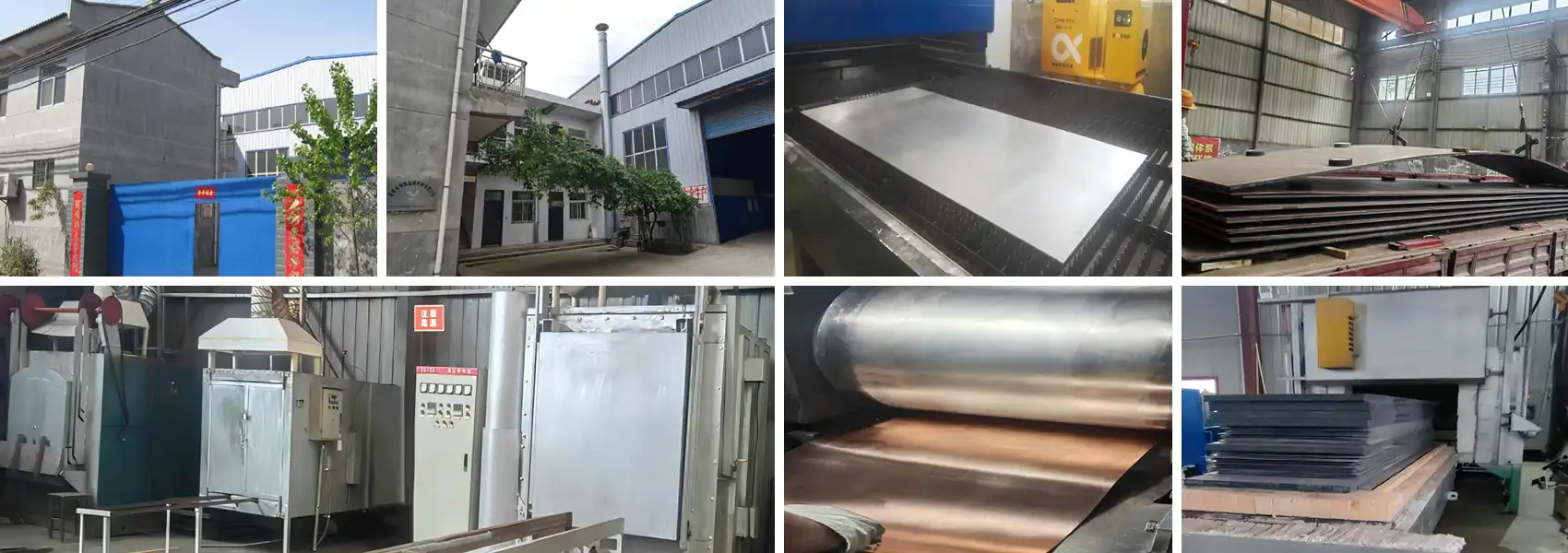
Our Factory
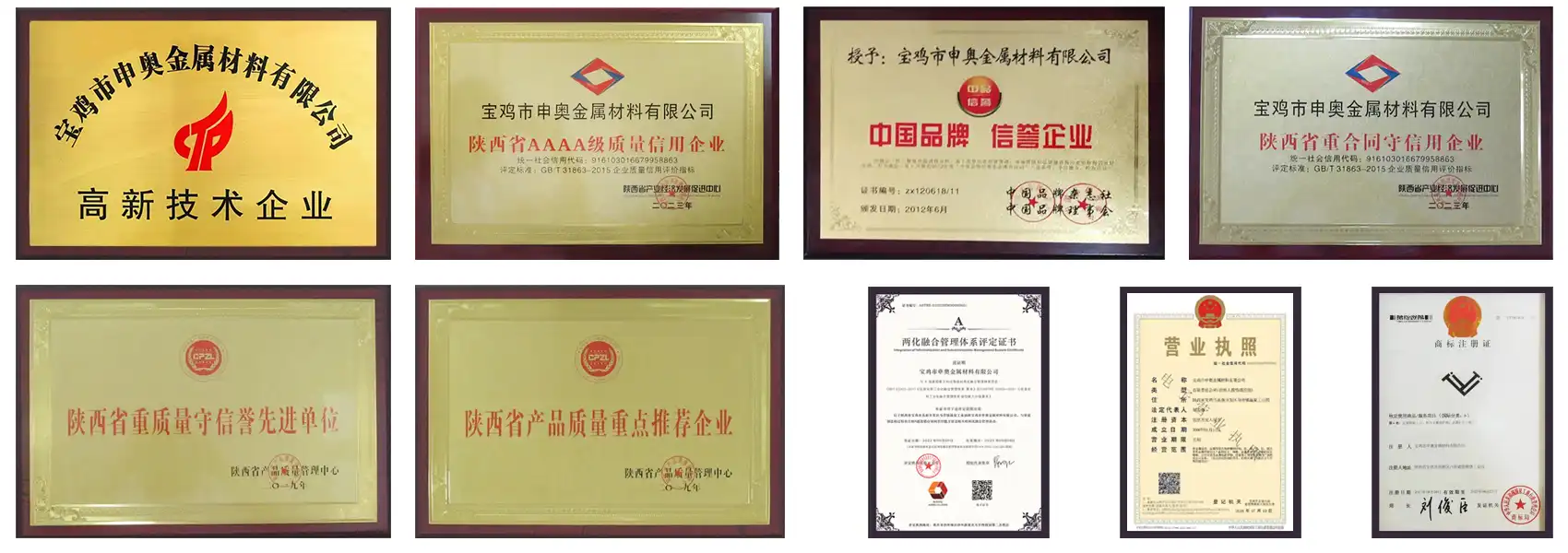
Our Patents and Honors

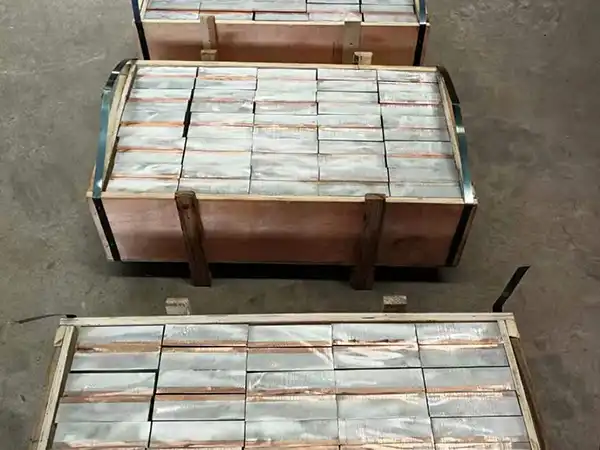
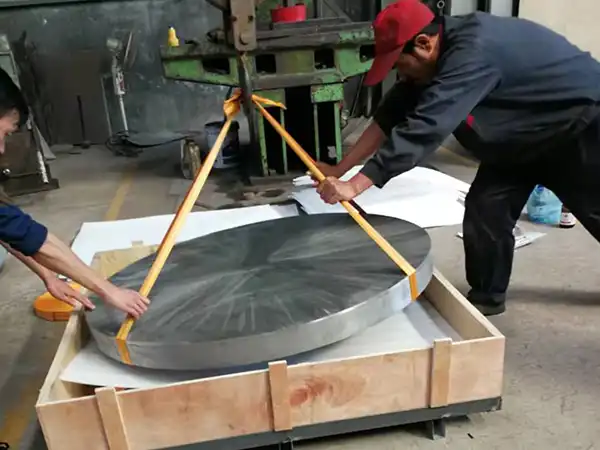
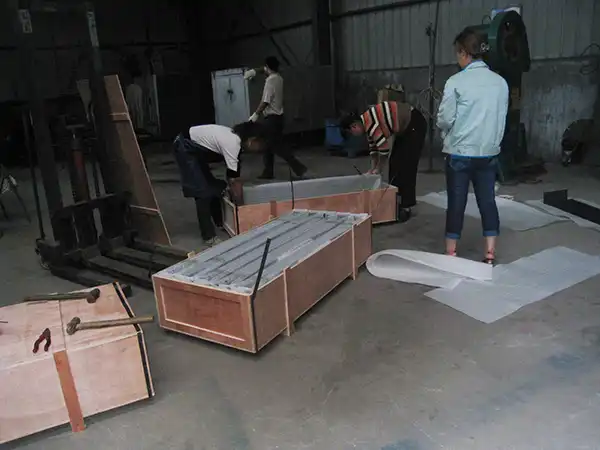
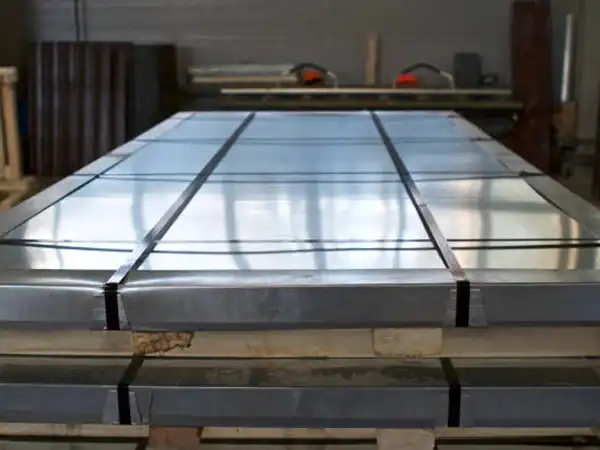
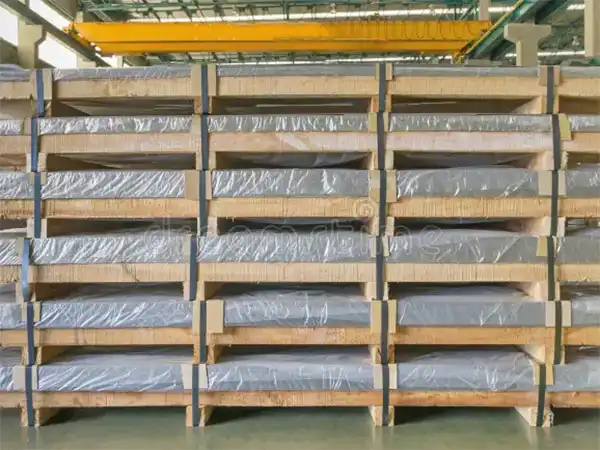
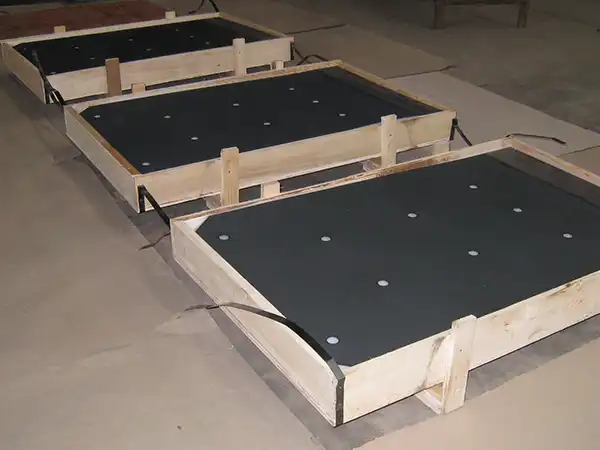
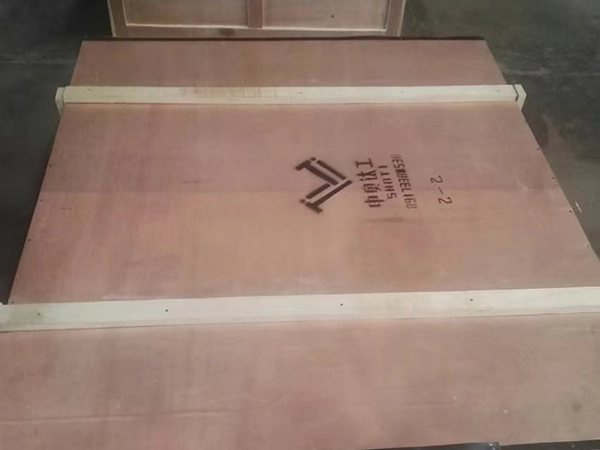
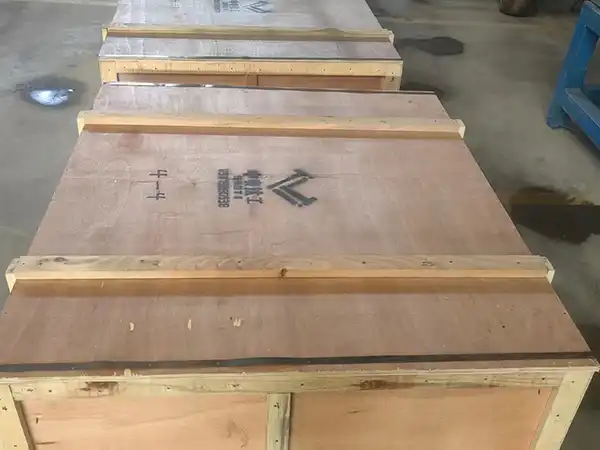
 Our Packaging
 |
 |
 |
 |
 |
 |
 |
 |
 |
 |
Frequently Asked Questions
Q: What is the typical lifespan of a product?
A: Depending on current density and electrolyte temperature, expect 12,000 to 25,000 operating hours. Regular voltage monitoring helps predict replacement timing.
Q: Can the titanium substrate be reused once the coating is depleted?
A: Absolutely. Professional recoating services can restore anode performance, reducing total cost by up to 30%. The titanium base maintains structural integrity through multiple coating cycles.
Q: How do impurities in the electrolyte affect anode performance?
A: Fluoride ions are particularly damaging, attacking the titanium substrate directly. Maintain fluoride levels below 10 ppm for optimal anode integrity and lifespan.
Q: What causes sudden cell voltage increases?
A: Rising voltage typically indicates coating depletion or substrate passivation. Implement periodic cleaning schedules and continuous voltage monitoring as preventive measures.
Q: What shape options are available?
A: We manufacture plates, mesh, tubes, and fully custom structures. Complex geometries like perforated or ribbed designs optimize fluid dynamics in your specific cell configuration.
Q: How does coating thickness affect performance?
A: Thicker coatings (10–15 μm) extend operational life in high-current applications, while thinner layers (5–8 μm) may suit lower-intensity processes. We'll recommend optimal specifications for your conditions.
Contact Us
Ready to optimize your Titanium anode for aluminum foil conversion process? Reach out to our team at zh@baojiti.com.cn for technical consultation and customized solutions.
YOU MAY LIKE