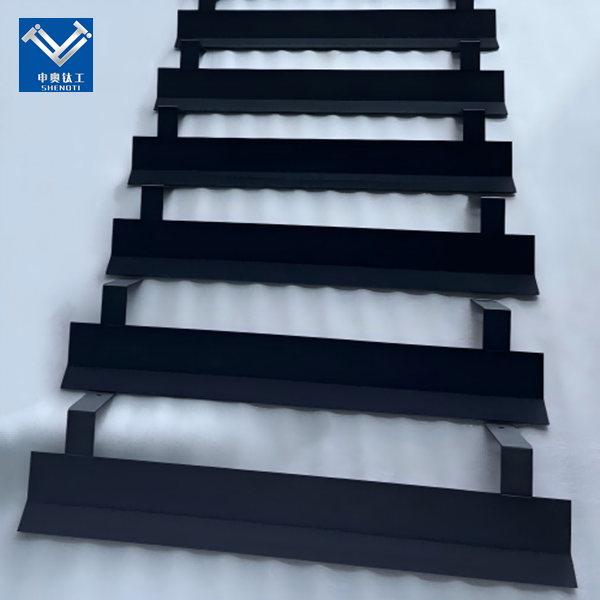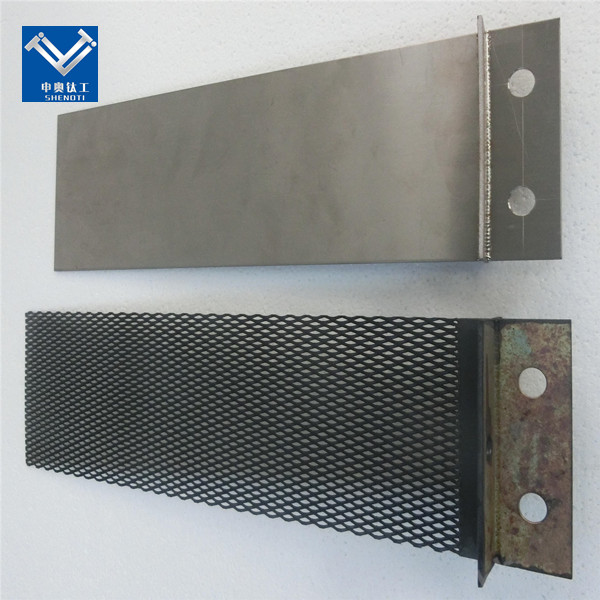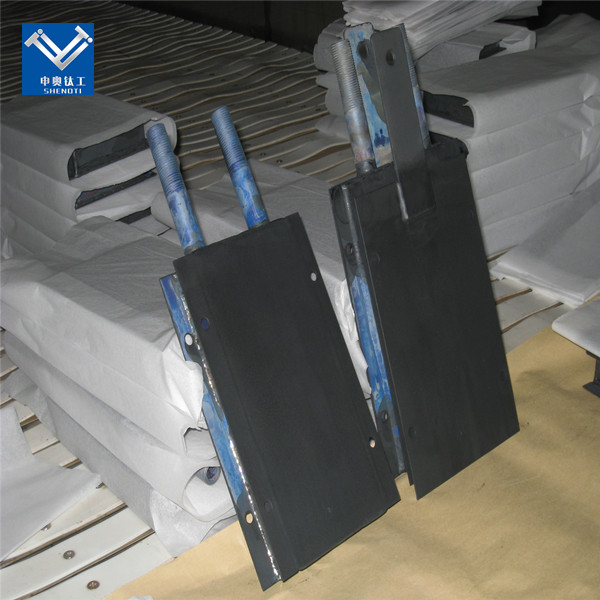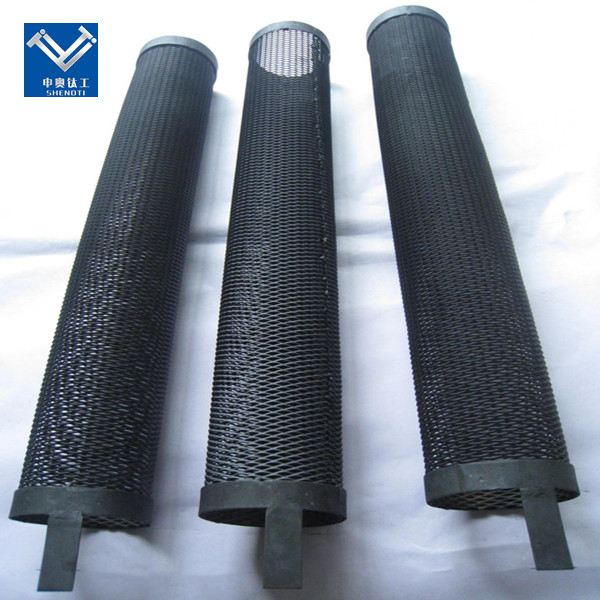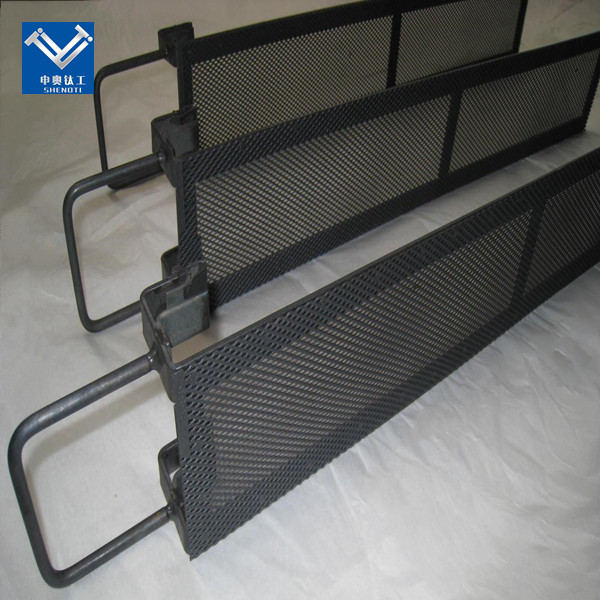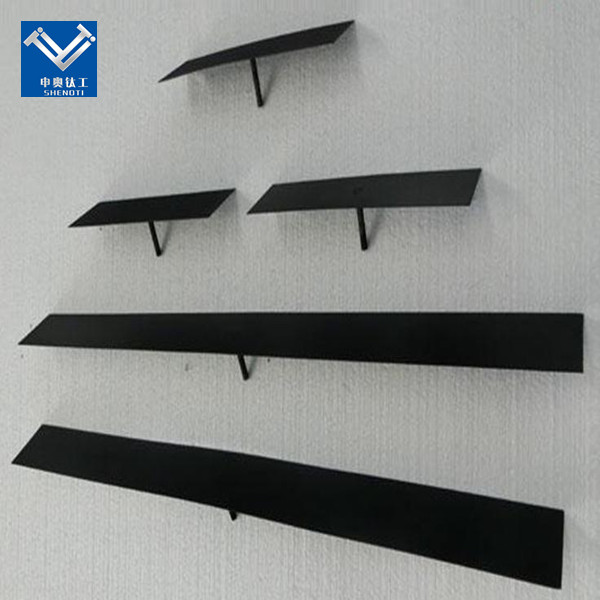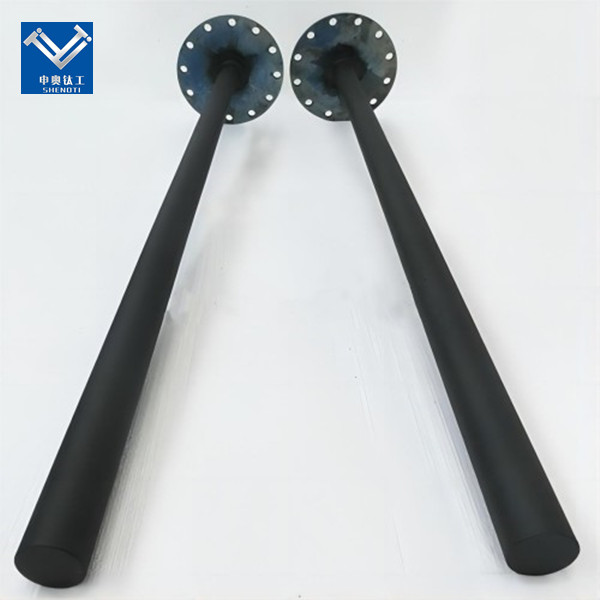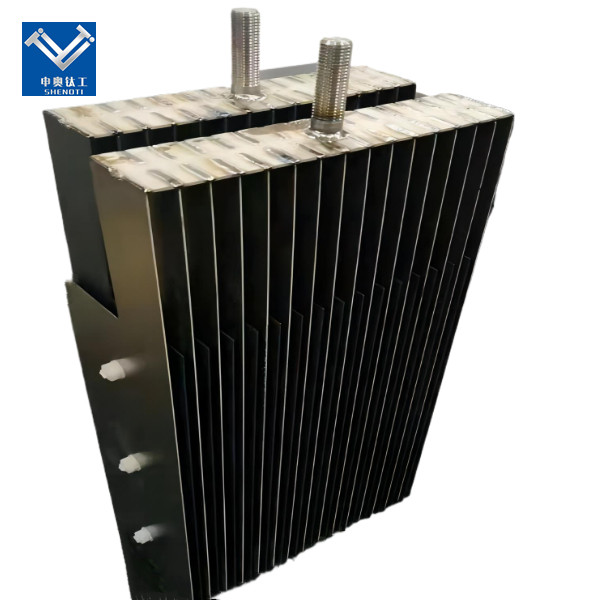
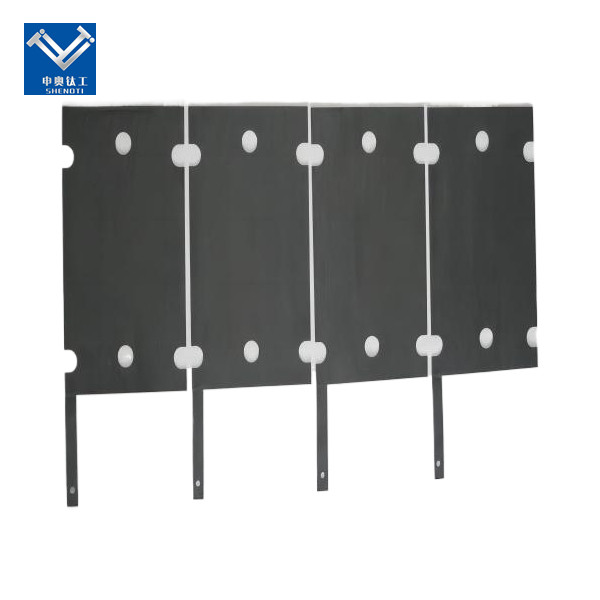
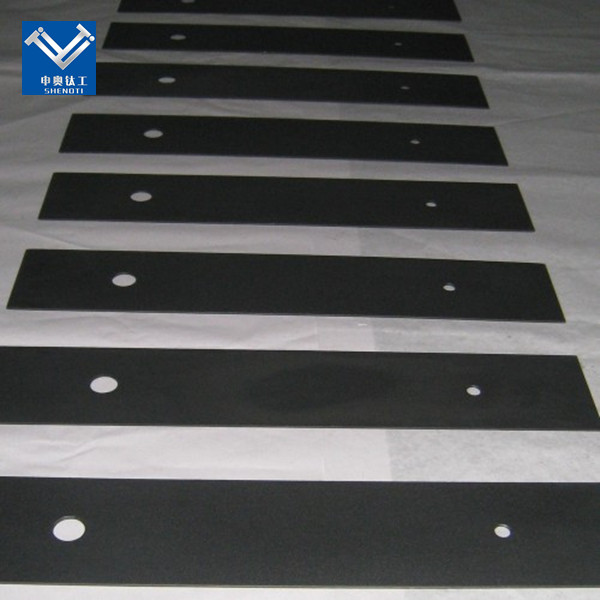
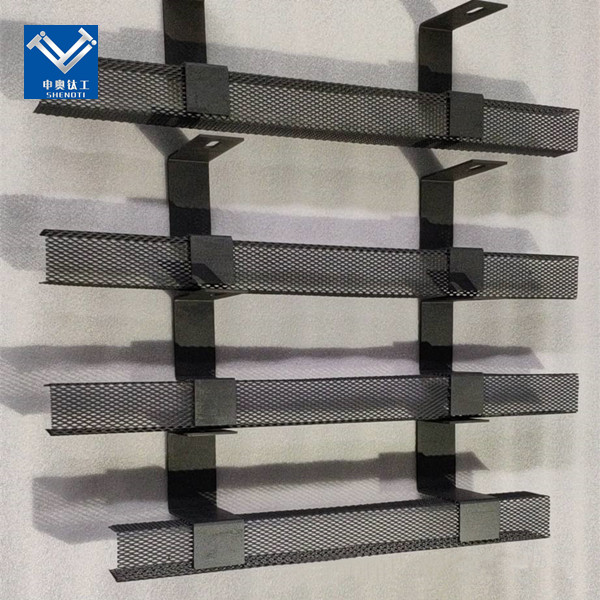
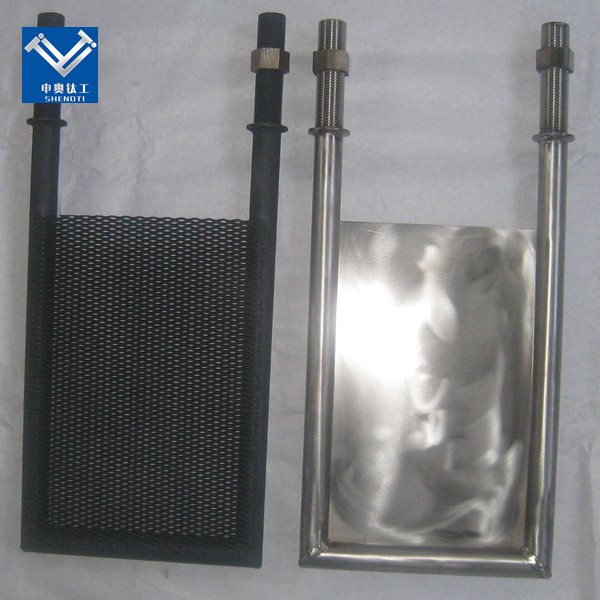
Titanium anodes for industrial wastewater treatment


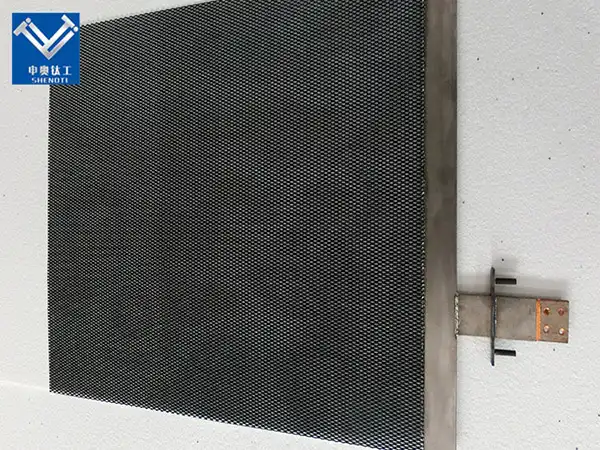
Production process:Sand blasting,Acid washing
Titanium content:99.6%
Chemical property:corrosion resistant
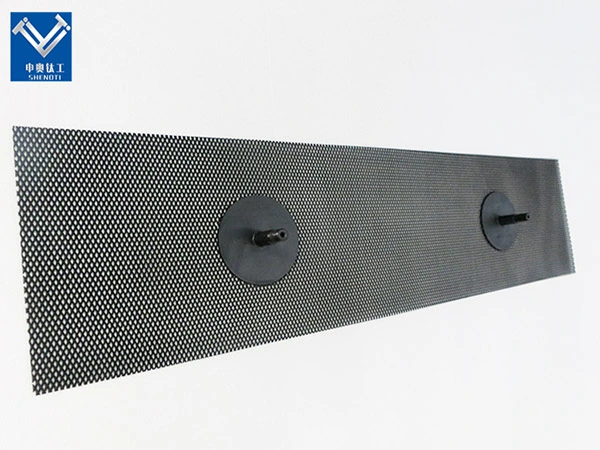
Shape:Round square
Working current density:<2000A/㎡
Metal content:8~25g/㎡
Coating thickness:8~12㎛
Working temperature:<60℃
Working life:>5 years
Titanium Anodes for Industrial Wastewater Treatment
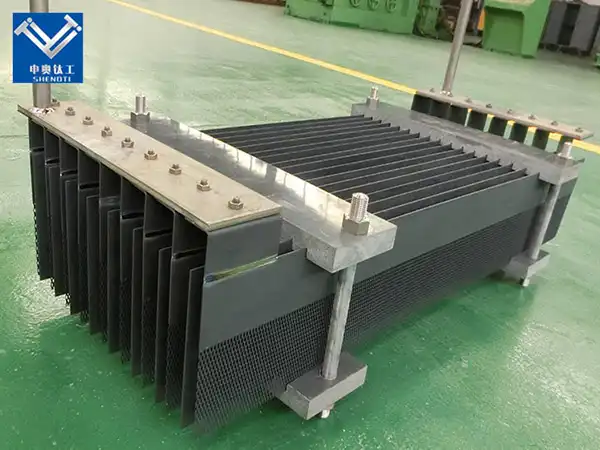
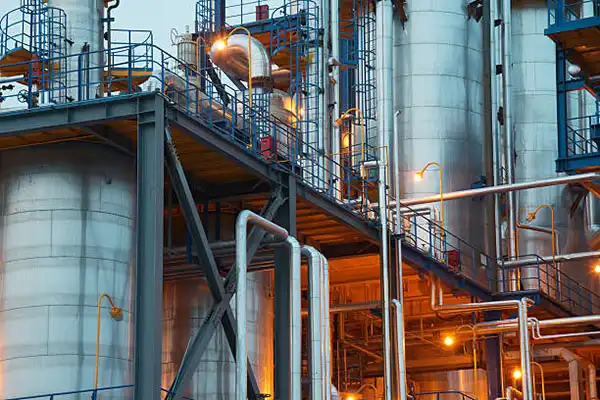
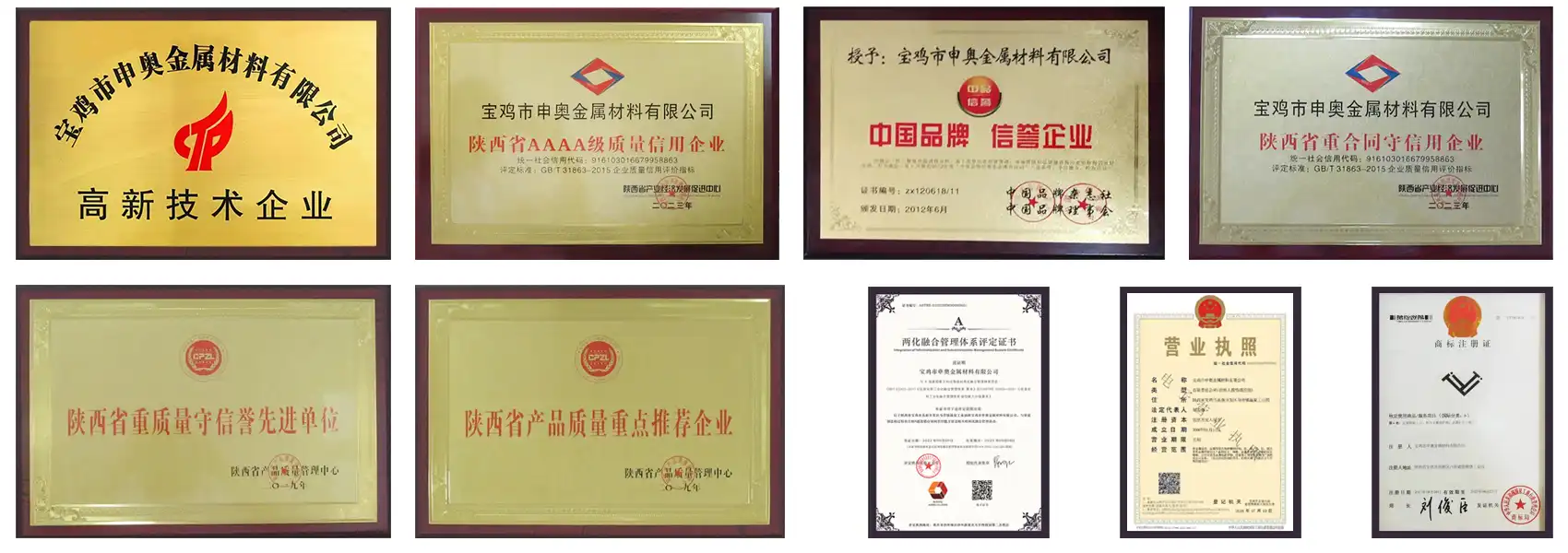
Baoji City ShenAo Metal Materials Co., Ltd. brings you enterprise-grade Titanium anodes for industrial wastewater treatment with proven performance metrics. Our Dimensionally Stable Anodes (DSA) feature 99.6% pure titanium substrates coated with noble metal mixed oxides, delivering exceptional durability with a working life exceeding 5 years. Operating efficiently at current densities up to 2000A/㎡ and temperatures below 60℃, these anodes maintain stability across extreme pH ranges (0-14). With metal oxide coating thickness of 8-12μm and content of 8-25g/㎡, your facility gets reliable electrochemical oxidation power. Backed by 17 years of manufacturing excellence since 2008, we serve hundreds of partners across textile, pharmaceutical, and petrochemical sectors.
What Are Titanium Anodes and Why Your Facility Needs Them?
When your organic treatment frameworks battle with non-biodegradable compounds, you require a distinctive approach. These specialized terminals comprise of unadulterated titanium substrates (ASTM B265 Review 1 or 2) coated with respectable metal blended metal oxides counting Ruthenium, Iridium, and Tantalum.
Unlike conventional conciliatory anodes that erode absent, your speculation remains dimensionally steady all through electrolysis. This implies steady execution year after year.
Key preferences you'll experience:
· Refractory organics expulsion: Break down phenols and anti-microbials that natural medications cannot touch
· Minimal slime era: Utilize electrons instep of chemicals, diminishing transfer costs dramatically
· High saltiness resilience: Handle chloride-rich wastewaters without the fast erosion tormenting steel anodes
Your support groups will appreciate the operational effortlessness. The anodes produce hydroxyl radicals and dynamic chlorine species that assault poisons specifically at the atomic level.
|
|
|
|
|
|
|
|
|
|
|
|
|
|
|
|
|
|









Technical Specifications
|
Parameter
|
Specification
|
|
Material
|
Titanium
|
|
Titanium Content
|
99.6%
|
|
Production Process
|
Sand blasting, Acid washing
|
|
Shape
|
Round, Square
|
|
Coating Thickness
|
8~12μm
|
|
Metal Content
|
8~25g/㎡
|
|
Working Current Density
|
<2000A/㎡
|
|
Working Temperature
|
<60℃
|
|
Working Life
|
>5 years
|
|
Chemical Property
|
Corrosion resistant
|
|
pH Range
|
0-14
|
Critical Applications Where Our Anodes Excel
Landfill Leachate Treatment
Your leachate contains extremely high COD and ammonia nitrogen that overwhelms conventional systems. Our Ir-Ta coated Titanium anodes for industrial wastewater treatment deploy high oxygen overpotential to focus energy on direct oxidation. You'll achieve strict discharge compliance by converting ammonia into harmless nitrogen gas while mineralizing stubborn organics.
Textile and Dyeing Wastewater
Managing with dynamic colors in your release? Our Ru-Ir coated anodes use your wastewater's inalienable saltiness to create dynamic chlorine in situ. This breaks azo twofold bonds in engineered receptive colors, conveying over 95% decolorization. You maintain a strategic distance from including outside chemicals whereas accomplishing fast COD diminishment that conventional flocculation cannot match.
Pharmaceutical and Chemical Effluents
When bio-toxic anti-microbial buildups undermine your release licenses, electrochemical oxidation gets to be fundamental. The anodes produce effective oxidizing specialists that corrupt fragrant compounds and complex pharmaceuticals. Your office keeps up compliance indeed with the strictest natural limits.
Petrochemical Created Water
Your oilfield water contains emulsified oils, sulfides, and polycyclic fragrant hydrocarbons. The corrosion-resistant titanium substrate withstands high-temperature, destructive brine conditions. Through electro-flotation and oxidation, you'll break emulsions and dispense with harmfulness effectively.
 |
 |
 |
 |
 |
 |
 |
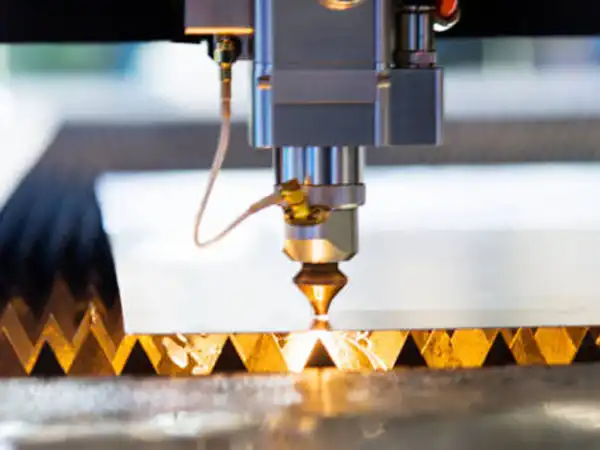
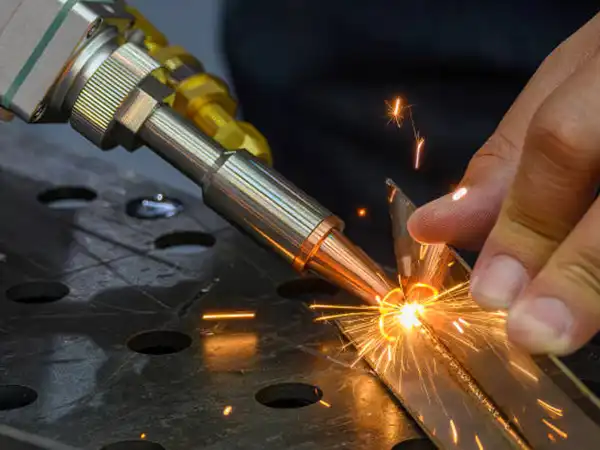
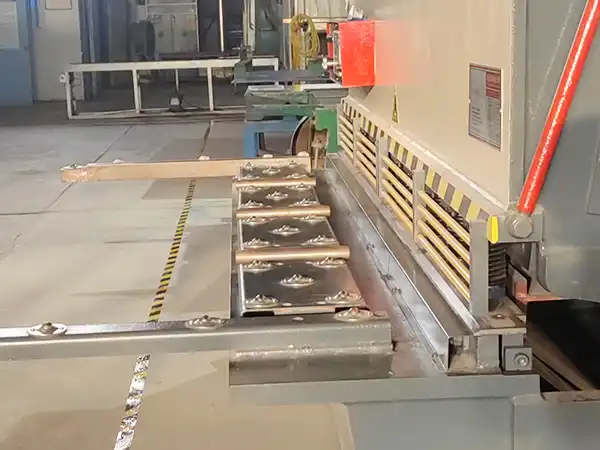
Product production process
|
|
|
|
|
|
|
|
|
|
|
|




Why Choose ShenAo for Your Wastewater Challenges?
Proven Manufacturing Excellence
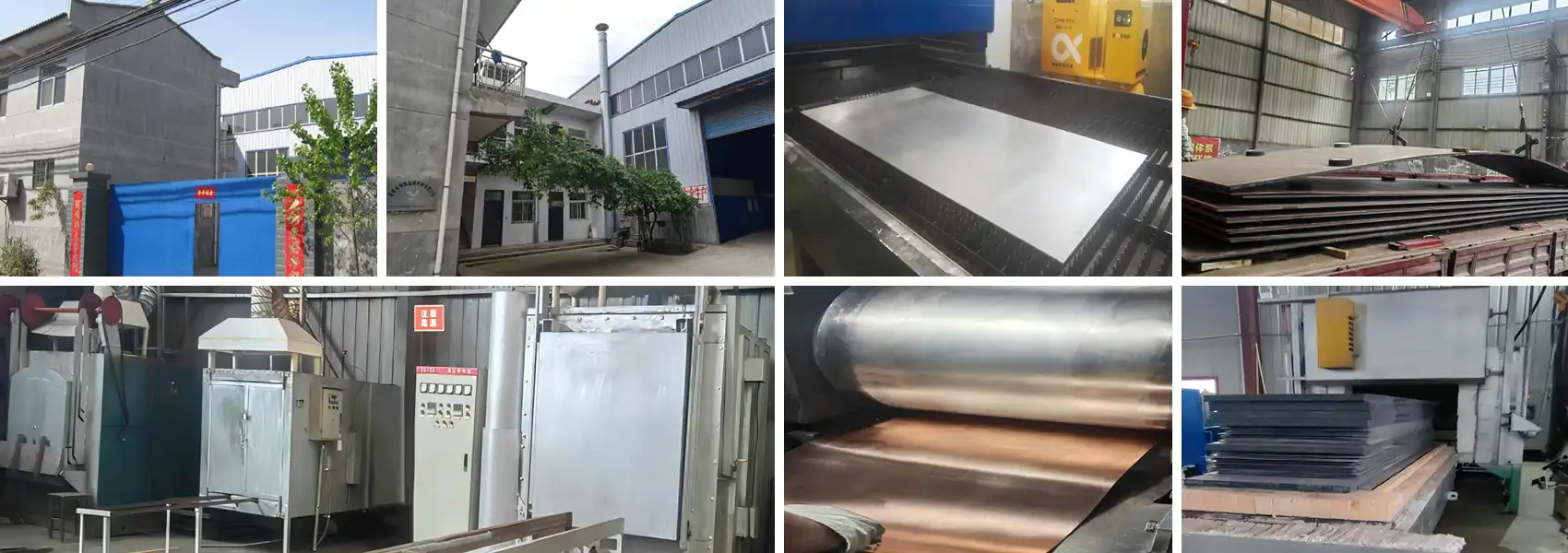
Since 2008, we've specialized in precious metal coated titanium anodes from China's Titanium Valley. Our bimetallic explosive welding technology and advanced active coating manufacturing processes ensure reliable performance.
Customization for Your Specific Needs
Every wastewater stream presents unique challenges. We provide customized specifications matching your technical requirements, whether you're treating high-chloride textile effluent or acidic pharmaceutical waste.
Technical Support You Can Trust
Our experienced R&D team works directly with your engineers. We'll help you select between Ru-Ir and Ir-Ta coatings based on your water chemistry, ensuring optimal performance from day one.
Quality at Every Step
Strict process technology and testing standards guarantee consistent quality. Whether you need small batch testing or large-scale production, we deliver on time with stable performance.
 |
 |
 |
 |
 |
 |
 |
 |
 |
Application Industries
 |
 |
 |
 |
 |
 |
 |
 |
Our Factory
Our Patents and Honors

 Our Packaging
|
|
|
|
|
|
|
|
|
|
|
|





Frequently Asked Questions
Q: How do I choose between Ru-Ir and Ir-Ta coatings for my wastewater plant?
A: Your decision depends on ion content. If your wastewater contains chloride ions above 500ppm (common in saline or textile applications), use Ru-Ir for chlorine evolution. For acidic or low-halide environments like plating waste or landfill leachate, choose Ir-Ta for superior oxygen evolution efficiency and corrosion resistance.
Q: What causes titanium anode failure in wastewater applications?
A: The primary failure mode is passivation. This occurs when a non-conductive titanium oxide layer forms between substrate and coating, blocking current flow. Failure accelerates if the coating gets damaged or operating voltage exceeds breakdown potential.
Q: Can you recoat used titanium anodes?
A: Absolutely. We sandblast old coating, pickle the substrate to fresh metal, and apply new coating. This reduces your capital expenditure by 30-40% compared to purchasing new anodes, since the titanium substrate represents significant value.
Q: Are there limitations with fluoride ions in wastewater?
A: Yes, fluoride ions above 50ppm rapidly corrode titanium substrates, causing coating detachment. For high-fluoride scenarios, we apply specialized anti-corrosion sub-layers to protect your investment.
Q: How does current density affect anode lifespan?
A: There's an inverse relationship. Doubling current density approximately halves coating lifetime. We recommend designing your electrolyzer for 500-1000 A/m² to balance treatment speed with anode longevity for the product applications.
Contact Us for Solutions Tailored to Your Needs
Ready to solve your wastewater challenges with Titanium anodes for industrial wastewater treatment? Reach our technical team at zh@baojiti.com.cn for customized solutions and expert guidance.
YOU MAY LIKE