Titanium Anode Application in Water Treatment Electrolytic Disinfection | Titanium Anode Solution for Water Treatment Electrolytic Disinfection
2026-03-11 08:53:32
As urban water supply safety standards continue to rise, water treatment plants are placing higher demands on the stability, operating costs, and safety of disinfection technologies. Traditional liquid chlorine or sodium hypochlorite dosing methods pose certain risks in terms of transportation, safety, and storage. As a result, an increasing number of water plants are adopting electrolytic disinfection systems.
In electrolytic disinfection systems, the titanium anode is the most critical electrode material, directly impacting chlorine production efficiency, equipment operational stability, and overall maintenance costs.
I. Background of Electrolytic Disinfection System Application in Water Treatment Plants A water treatment plant in a certain city supplies approximately 80,000 tons of water per day. Previously, it used chemical disinfection methods. With aging equipment and increasing operating costs, the water plant decided to upgrade to an electrolytic disinfection system, preparing sodium hypochlorite solution on-site through brine electrolysis to achieve stable and safe water disinfection.
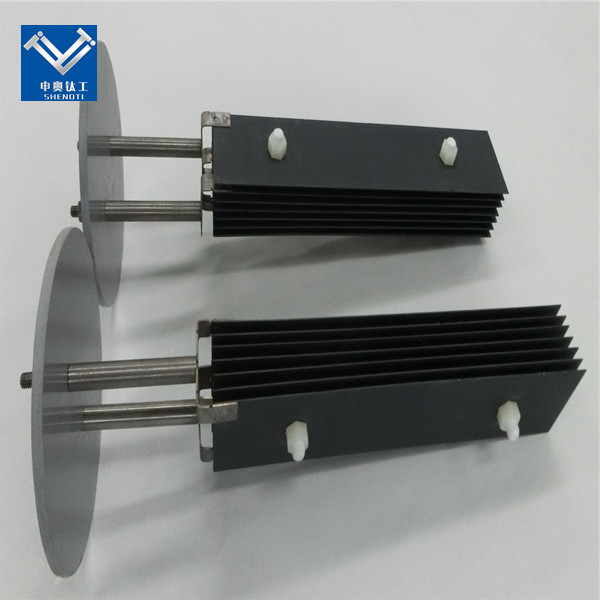
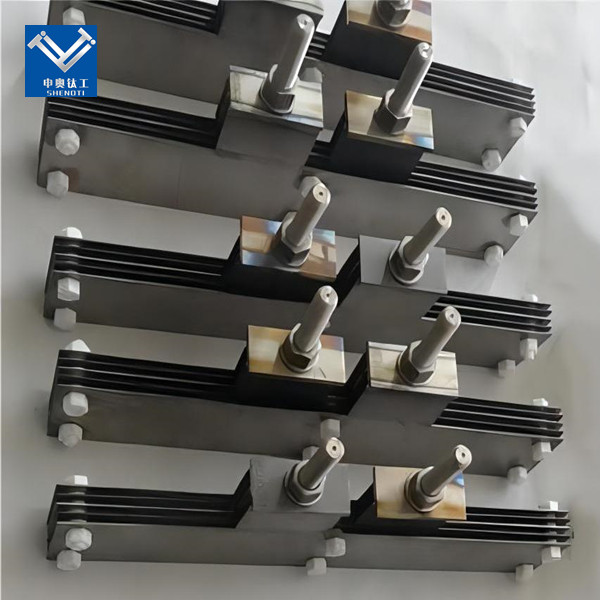
The system equipment includes: Brine preparation system; Electrolytic cell system; Titanium anode electrode assembly for electrolytic disinfection; Hypochlorous acid storage and dosing system. The titanium anode assembly for electrolytic disinfection is the most critical part of the electrolytic cell.
II. Technical Configuration of Titanium Anode for Electrolytic Disinfection
Based on the operational requirements of the waterworks, MMO-coated titanium anodes for electrolytic disinfection are adopted. Specific technical parameters are as follows:
|
Project |
Parameters |
|
Anode Substrate: |
TA1 Industrial Pure Titanium |
|
Coating Type |
Ruthenium-Iridium MMO Noble Metal Oxide |
|
Current Density |
1500A/m² |
|
Electrolysis Voltage |
≤7V |
|
Anode Structure |
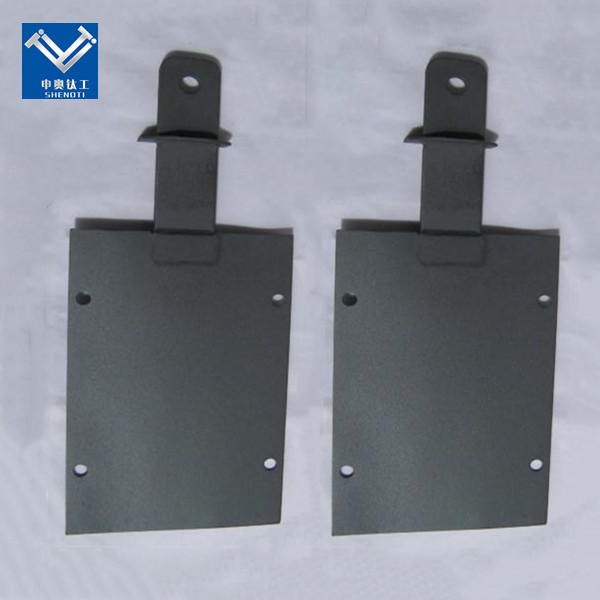
Plate Structure |
|
Design Life: |
Design Life: Over 5 years
|
The titanium anode used for electrolytic disinfection features: high chlorine evolution efficiency, low power consumption, stable coating, and strong corrosion resistance, making it ideal for long-term continuous operation in waterworks.
III. Working Principle of the Titanium Anode for Electrolytic Disinfection
In the electrolytic cell, brine (NaCl) undergoes an electrochemical reaction under the action of direct current.
Anode Reaction:
2Cl⁻ → Cl₂ + 2e⁻ The generated chlorine gas rapidly reacts with water to form hypochlorous acid (HOCl), which then forms sodium hypochlorite (NaClO) for water disinfection.
During this process, the MMO coating on the surface of the titanium anode for electrolytic disinfection exhibits extremely high chlorine evolution catalytic activity, enabling the generation of stable available chlorine at lower voltages, improving current efficiency and reducing energy consumption.
IV. Application Effects of the Titanium Anode for Electrolytic Disinfection in the Project
After one year of system operation, the waterworks conducted an operational evaluation of the electrolytic disinfection equipment.
The operational effects are as follows:
1️⃣ Improved Disinfection Stability
The electrolytic disinfection system can continuously and stably produce sodium hypochlorite solution with a stable effective chlorine concentration, meeting the water supply disinfection standards.
2️⃣ Reduced Operating Costs
Compared to traditional chemical disinfection methods:
Reduced reagent transportation costs
Reduced safety management costs
Reduced labor maintenance costs
Overall operating costs are significantly lower.
3️⃣ Stable Operation of Titanium Anodes for Electrolytic Disinfection
During continuous operation, the titanium anodes used for electrolytic disinfection:
No coating peeling occurred
Valve voltage remained stable
Chlorine evolution efficiency showed no significant decrease
System operation was excellent.
V. Selection Experience for Titanium Anodes for Electrolytic Disinfection
In water treatment plant electrolytic disinfection systems, the selection of titanium anodes is crucial. Based on this project's experience, the following factors should be considered during selection:
1️⃣ Current Density Matching
Excessively high current density will shorten the lifespan of the titanium anodes used for electrolytic disinfection; therefore, reasonable calculations based on the electrolytic cell area are necessary.
2️⃣ Coating Type Selection
For water disinfection systems, it is recommended to use ruthenium-iridium MMO-coated titanium anodes for electrolytic disinfection, as they offer higher chlorine evolution efficiency.
3️⃣ Anode Structure Design
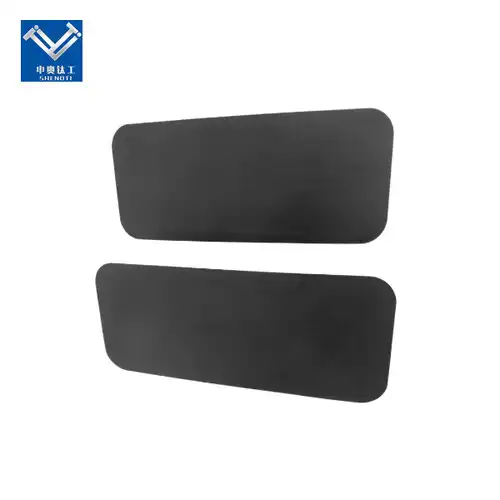
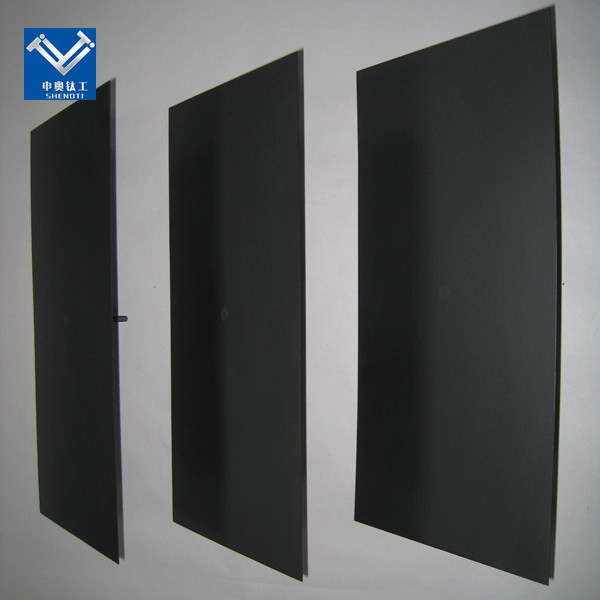
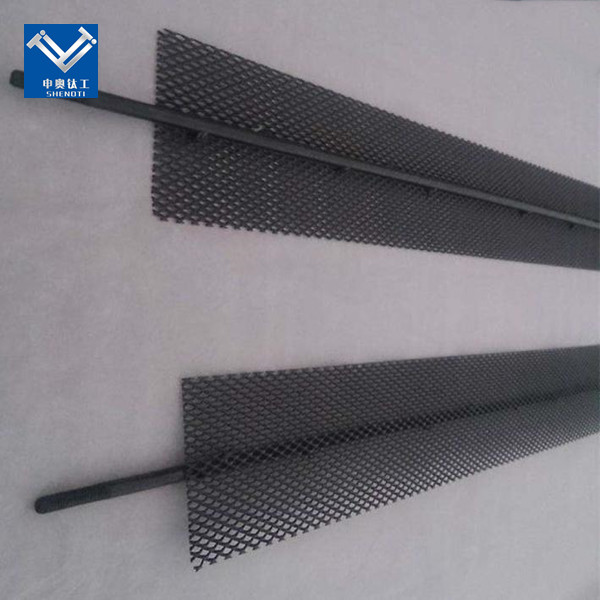
Common structures include: Plate-type electrolytic sterilization titanium anode
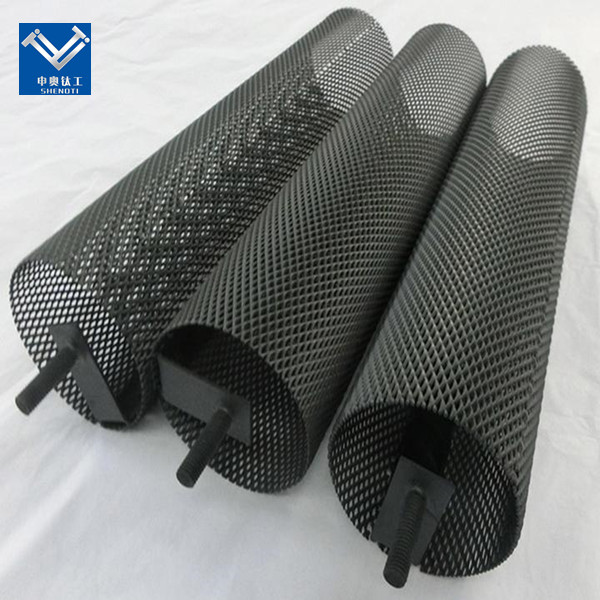
Mesh-type electrolytic sterilization titanium anode
A well-designed structure helps to distribute current evenly.
Currently, most water treatment plant electrolytic disinfection systems use titanium anodes for electrolytic disinfection.
VI. Comparison of Electrolytic Sterilization Titanium Anodes and Traditional Anodes
|
Project |
Titanium Anode |
Graphite Anode |
|
Service Life |
3-8years |
6-12months |
|
Chlorine Emission Efficiency |
High |
Average |
|
Powder Shedding: |
No |
Prone to Powder Shedding |
|
Maintenance Cost: |
Low |
High |
VII. The Importance of Technical Support from Titanium Anode Manufacturers for Electrolytic Disinfection
In water treatment plant projects, electrolytic disinfection titanium anodes require high-quality materials and technical support from professional manufacturers, including:
Current density calculation
Electrolytic cell matching design
Anode structure customization
Operating parameter optimization
Choosing an experienced titanium anode manufacturer for electrolytic disinfection can ensure the long-term stable operation of the system.
In water treatment plant electrolytic disinfection systems, the titanium anode for electrolytic disinfection is a key component; its performance directly affects disinfection efficiency and equipment operating costs.
Through proper selection and manufacturing processes, MMO-coated titanium anodes for electrolytic disinfection can achieve the following in water disinfection projects:
High-efficiency chlorine release
Stable operation
Long service life
Low maintenance costs
As water treatment technology continues to upgrade, titanium anodes for electrolytic disinfection will be more widely used in urban water supply disinfection.


YOU MAY LIKE