Understanding the Principles of Seawater Electrolysis for Chlorine Production
2026-03-31 11:46:41
Seawater electrolysis for chlorination utilizes electrical energy to decompose seawater (sodium chloride) into chlorine gas (Cl₂), hydrogen gas (H₂), and sodium hydroxide (NaOH). Anodes and cathodes immersed in the seawater facilitate the oxidation of chloride ions, resulting in the generation of chlorine gas.
Selecting the wrong anode material can lead to inefficiency, corrosion, high maintenance costs, and a shortened system lifespan.
When selecting titanium anodes for seawater electrolysis chlorination, consider the following factors:
1. Corrosion Resistance
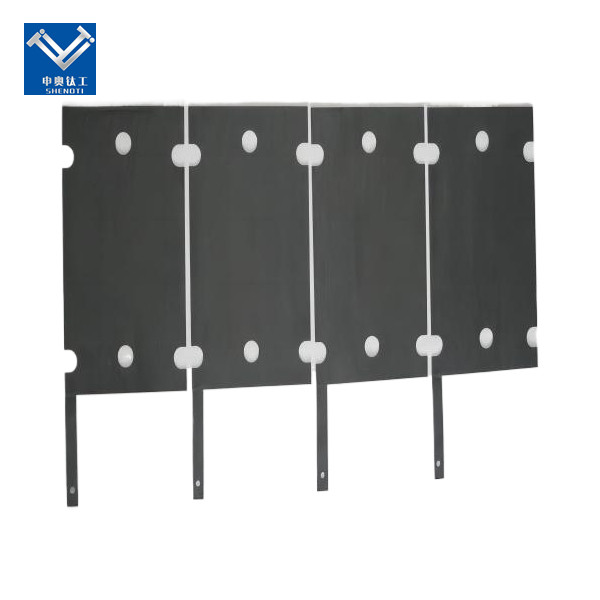
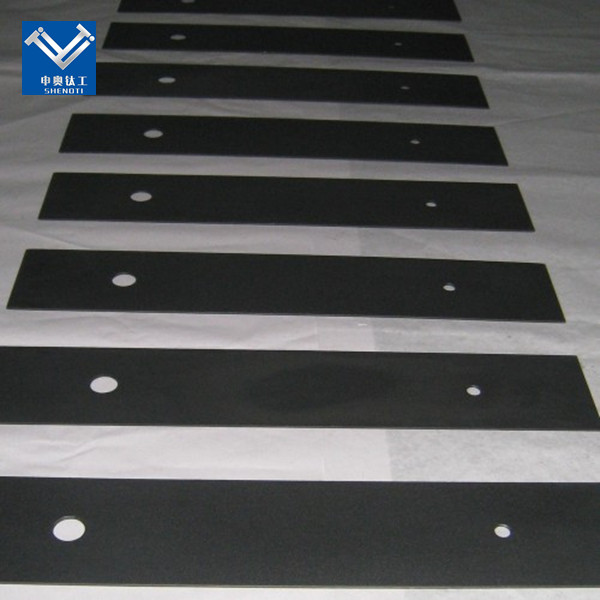
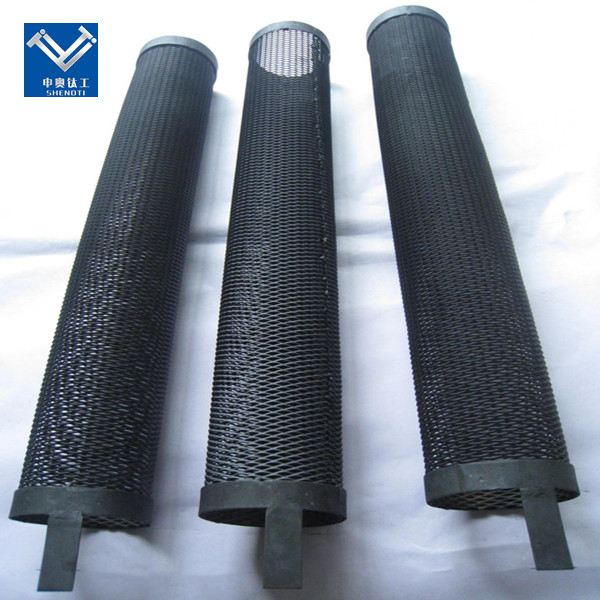
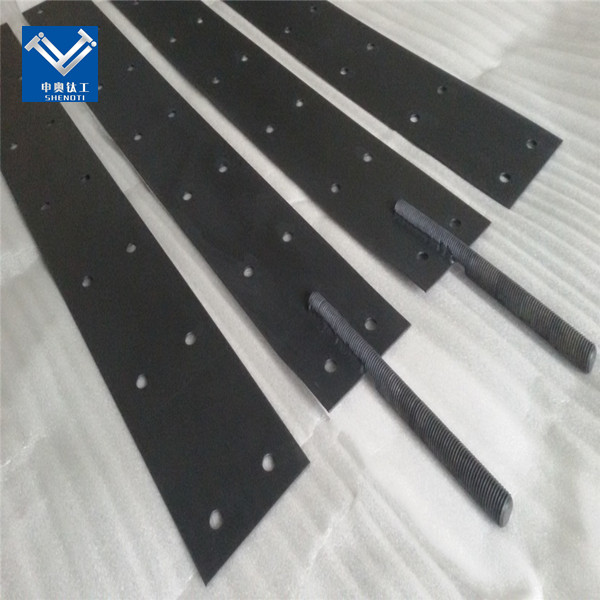
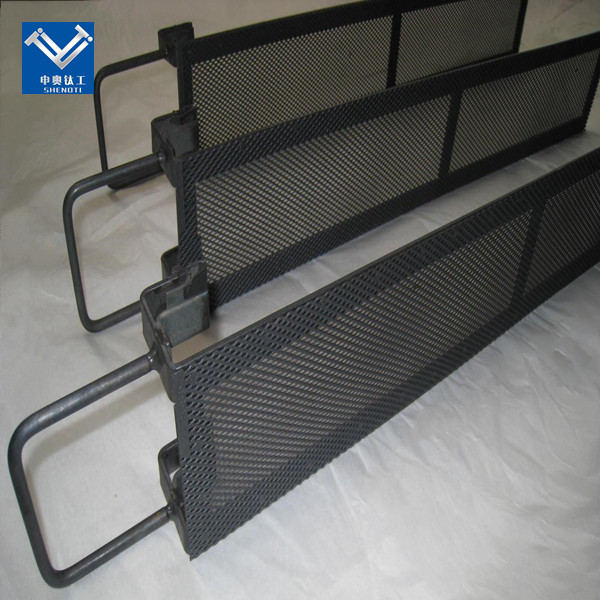
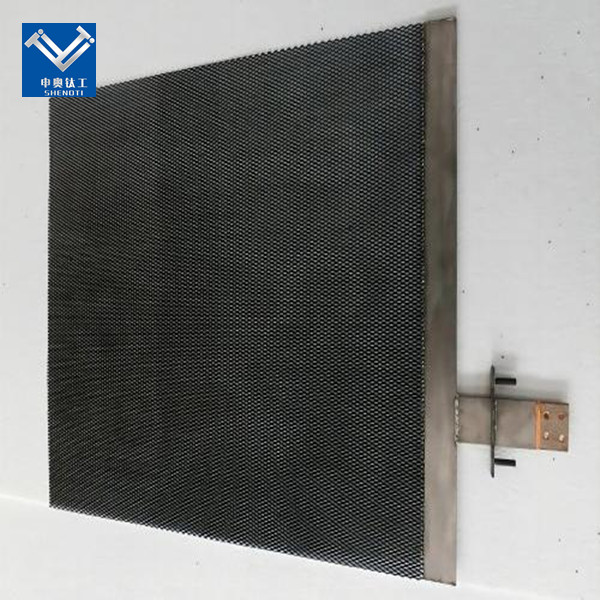
Seawater is highly corrosive, particularly under conditions involving elevated temperatures and fluctuating pH levels. Titanium stands out as a primary anode material due to its exceptional resistance to corrosion within such aggressive marine environments. However, not all titanium anodes perform identically. Opting for Dimensionally Stable Anodes (DSAs)—which feature a protective oxide coating (such as ruthenium or iridium)—ensures long-term durability and reliability.
2. Current Efficiency
Anodes with high current efficiency enhance the conversion of chloride ions into chlorine gas. This translates to lower energy consumption, higher productivity, reduced operating costs, and increased chlorine output.
3. Service Life and Durability
The durability of titanium anodes directly impacts the overall service life of the chlorination system. High-quality coatings—such as those made of iridium or ruthenium—serve to protect the titanium substrate, enabling it to withstand the rigors of prolonged high-current operation and the corrosive effects of seawater.
4. Cost-Effectiveness
While titanium anodes may have a higher upfront cost, they offer superior long-term value through their sustained performance and low maintenance requirements. Conversely, inexpensive anodes tend to degrade rapidly, leading to frequent replacements, high maintenance expenses, and extended operational downtime.
5. Compatibility with Various Chlorine Production Systems
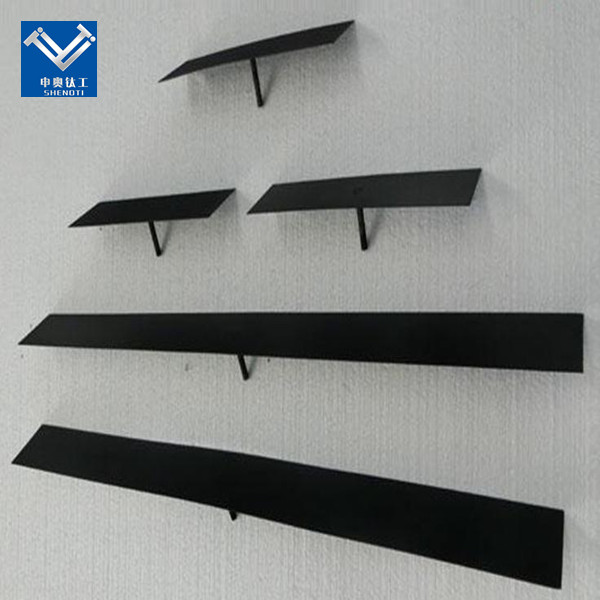
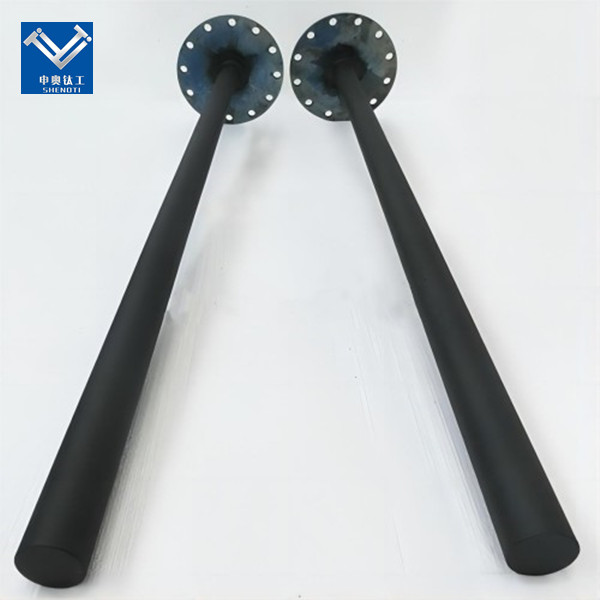
Titanium anodes are compatible with a wide range of chlorine production setups, ranging from large-scale industrial facilities to smaller-scale seawater disinfection units. Selecting the appropriate anode can optimize the performance of diverse systems, thereby enhancing both scalability and operational efficiency.
There are several common misconceptions regarding titanium anodes that can lead to improper selection:
Misconception #1: "Titanium anodes never wear out."
While titanium itself possesses strong corrosion resistance, the functional coating applied to the anode *does* wear down over time—particularly in high-chlorine environments. This wear can result in premature anode aging, diminished performance, and increased operating costs. Regular monitoring and proper maintenance are therefore crucial.
Misconception #2: "All titanium anodes are the same."
Not all titanium anodes perform identically; their performance varies significantly depending on factors such as the quality of the titanium substrate, the composition and application of the protective coating, and the manufacturing process. Coating materials, thickness, and application methods are all critical factors determining anode performance. Low-quality coatings or improper application techniques can lead to accelerated anode wear and reduced energy efficiency.
Misconception #3: Lower-Priced Anodes Are Always More Economical
Lower-priced anodes typically exhibit inferior performance and rapid degradation, resulting in frequent replacements and increased maintenance costs. Investing in high-quality anodes reduces long-term operating expenses by offering extended service life and superior efficiency.
Real-World Case Studies of Titanium Anode Applications
Case Study 1: Industrial Chlorine Production in the Middle East
A large chlor-alkali plant in the Middle East faced significant challenges due to the short service life of traditional anodes, a problem exacerbated by high chlorine concentrations within their operations. After switching to high-performance titanium anodes coated with ruthenium-iridium, the plant achieved a 25% increase in chlorine output and a 50% reduction in maintenance costs. This success story underscores the critical importance of selecting high-quality anodes for operations in harsh environments.
Case Study 2: Seawater Disinfection in Southeast Asia
A water treatment facility in Southeast Asia faced rising operational costs stemming from the frequent need to replace its anodes. Following a consultation with a titanium anode manufacturer, the facility adopted a customized titanium anode solution specifically designed for seawater disinfection applications. Consequently, the facility experienced a substantial reduction in maintenance-related downtime, an increase in chlorine production, lower overall costs, and improved customer satisfaction.
How to Choose the Right Titanium Anode for Your Seawater Chlorination System
Choosing the right titanium anode for your seawater chlorination system is crucial to ensuring efficient chlorine production, reducing costs, and minimizing maintenance. The key to successful selection lies in understanding your system's specific needs, including corrosion resistance, current efficiency, service life, and compatibility.
If you are unsure which titanium anode is right for your application, contact the experienced manufacturer Baoji Shenao Metal Materials Co., Ltd. We can provide tailored advice based on actual performance data, production environment, and system requirements.
How We Can Help You Optimize Your Chlorination System
Baoji Shenao Metal Materials Co., Ltd. specializes in manufacturing titanium anodes for seawater chlorination. Our extensive industry experience, combined with advanced manufacturing technology, ensures our products perform well even in challenging environments.
We offer customized titanium anode solutions to meet your specific needs. From selecting the appropriate coating material to the precise dimensions required for your chlorination system, we offer a full range of products with decades of professional experience.
Ready to boost your chlorine production efficiency?
Contact us today to learn more about titanium anodes and optimize your seawater chlorination process. Our team is ready to assist you in selecting the right anode for your system's needs.


YOU MAY LIKE