Titanium Anode for Seawater Electrolytic Sterilization
2026-04-01 08:57:28
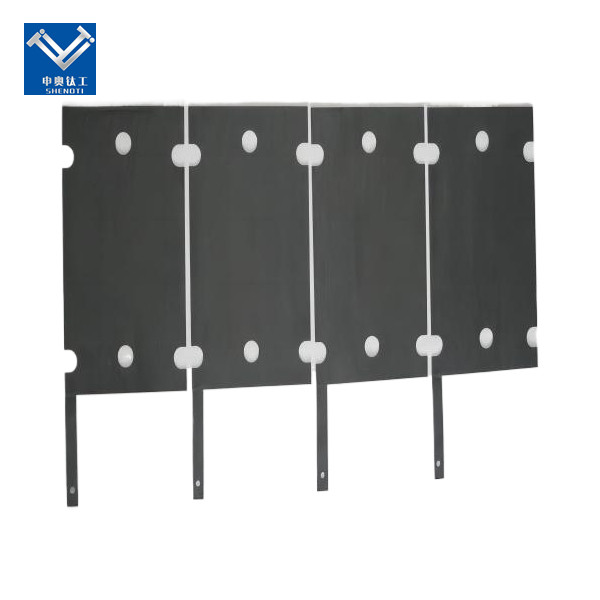
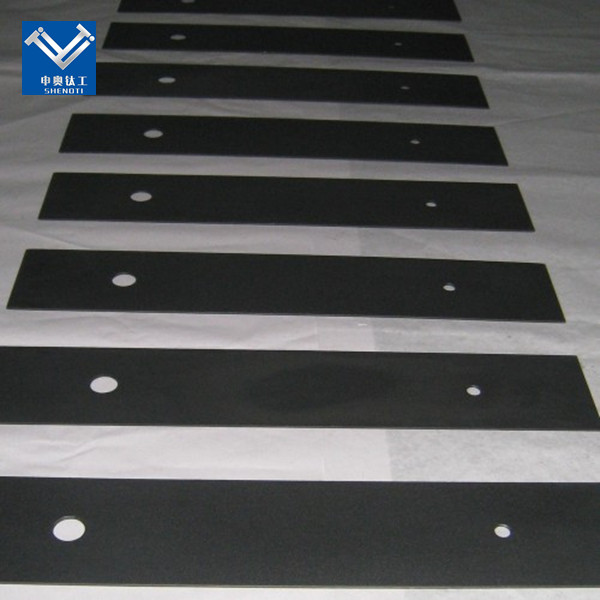
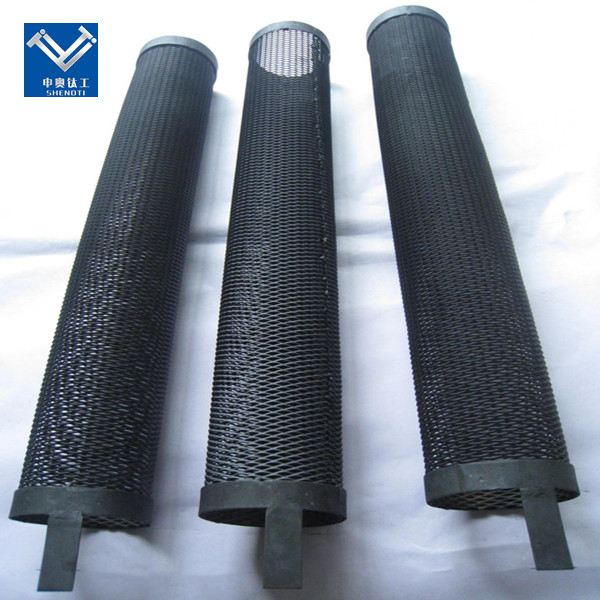
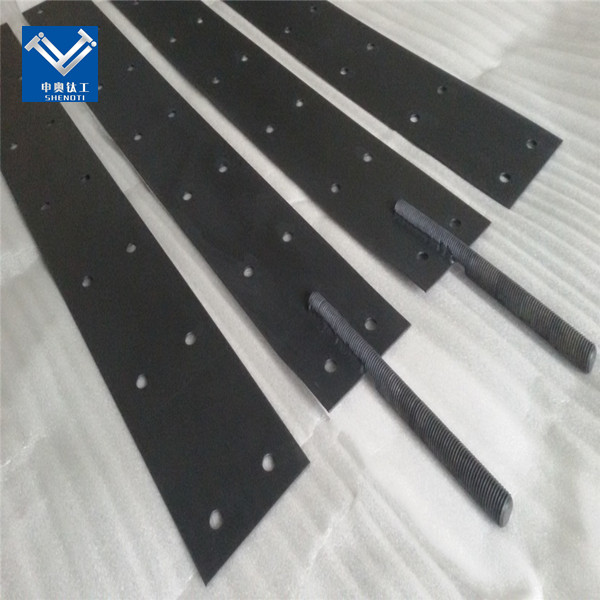
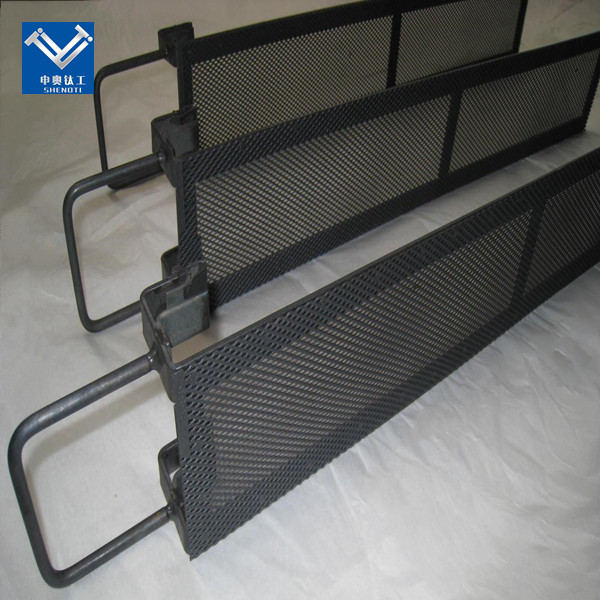
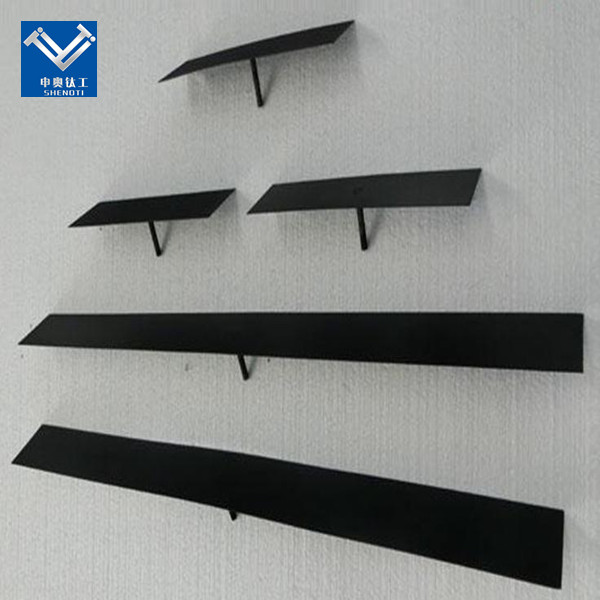
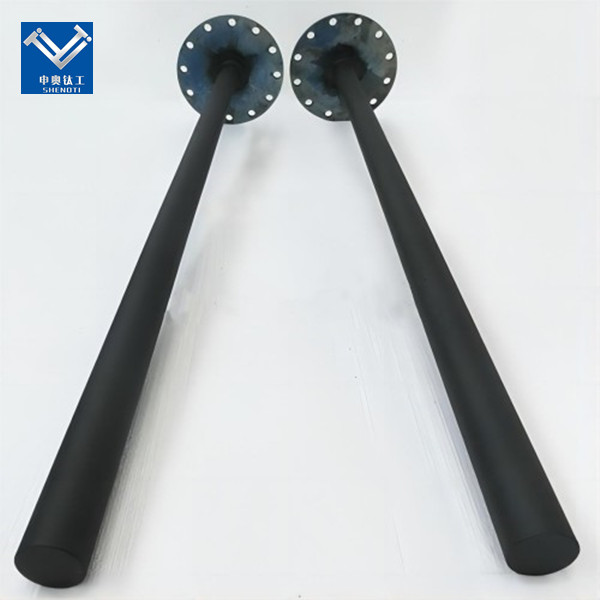
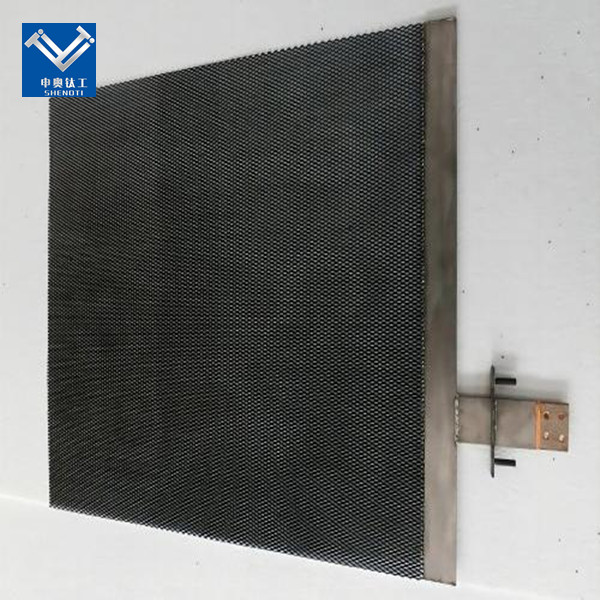
1.Coating & Structure: Ru-Ir oxide coating is still the mainstream; for aquaculture scenarios with stricter by-product control, IrO₂-Ta₂O₅ or Ru-Ir-Sn composite coatings can be selected to reduce oxygen evolution and chlorate formation. The substrate is also Gr1/Gr2 titanium, and the electrode shape is more flexible (plate, mesh, tubular) to fit small electrolyzers.
2.Disinfection Mechanism: Hypochlorous acid (HOCl) and reactive chlorine species (RCS) generated by electrolysis destroy microbial cell membranes, inactivate enzymes, and degrade nucleic acids, achieving rapid sterilization (99.99% pathogen kill in seconds to minutes).
3.Typical Operating Conditions: Current density 100–500 A/m², temperature 15–35°C, produces 0.5–2 ppm effective chlorine, direct on-site dosing without concentration; open or small diaphragm cells, avoiding excess H₂ accumulation.
4.Main Applications: Marine aquaculture water circulation disinfection, coastal urban landscape water treatment, swimming pool saltwater electrolytic disinfection, small-scale shipboard drinking water pretreatment.
5.Key Features: No need for chemical chlorine transportation/storage, low residual chlorine, minimal THMs and chlorate, integrated with water flow systems for continuous online disinfection.
Technical Introduction
This titanium anode is a dimensionally stable anode (DSA) specially developed for in-situ sterilization and algae control by seawater electrolysis. It uses high-purity titanium as substrate and is coated with precious metal oxide catalyst to efficiently generate hypochlorous acid and active chlorine species directly from seawater chloride ions, realizing safe, continuous and environment-friendly water disinfection.
Working Principle
By electrolyzing chloride ions naturally present in seawater:
Anode reaction:2Cl¯→Cl₂+2e¯
Liquid-phase reaction:Cl₂+H₂O→HCl+HOCl
The generated hypochlorous acid (HOCl) destroys cell membranes, inactivates enzymes and degrades nucleic acids of bacteria, viruses and algae, achieving high-efficiency sterilization and anti-fouling effects.
Structure & Materials
Substrate: Industrial pure titanium (TA1/TA2), with excellent corrosion resistance to seawater, chloride and oxidizing environments.
Coating: Ruthenium‑iridium‑tantalum composite oxide coating, featuring low chlorine evolution potential, high current efficiency and strong adhesion.
Configuration: Available in mesh, plate, rod and tubular forms to match various electrolytic cells.
Key Performance Features
High chlorine generation efficiency and low power consumption
Stable performance, long service life, no electrode dissolution or pollution
In-situ chlorine production, eliminating transportation and storage of hazardous chemicals
Broad‑spectrum sterilization, effective against bacteria, vibrio, algae and biofilms
Mild operating conditions, low by‑product formation, safe for aquatic organisms and equipment
Typical Applications
Marine aquaculture water disinfection and vibrio control
Seawater swimming pools and landscape water treatment
Shipboard and offshore platform drinking water disinfection
Coastal circulating cooling water anti-algae and anti-biofouling
Aquariums and marine ecological water maintenance


YOU MAY LIKE