Titanium Anodes for Wastewater Treatment: A Durable, Efficient, and Reliable Electrochemical Solution
2026-04-18 14:47:13
What are Titanium Anodes for Wastewater Treatment?
Titanium anodes for wastewater treatment are advanced electrochemical elements that provide efficient oxidation, disinfection, and contaminant removal for industrial and municipal water systems. Based on high-purity titanium and coated with a catalytic layer such as mixed metal oxides (MMOs), they offer durability, conductivity, and chemical stability.
In modern environmental engineering, titanium anodes for wastewater treatment have become the preferred alternative to traditional graphite or lead-based electrodes. Their strong corrosion resistance, long service life, and stable performance at high current densities make them ideal for continuous, large-scale wastewater treatment.
From industrial wastewater to municipal sewage systems, titanium anodes for wastewater treatment play a crucial role in improving water quality, ensuring compliance with environmental standards, and reducing operating costs.
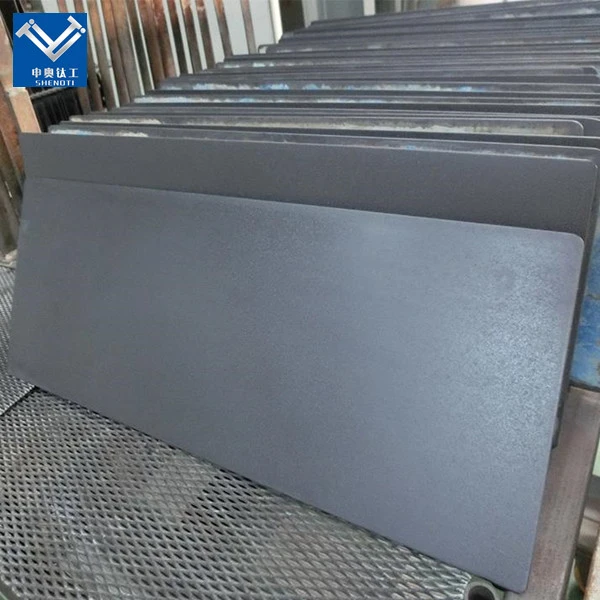
Material Advantages of Titanium Anodes for Wastewater Treatment
1: High-Purity Titanium Substrate
Titanium anodes for wastewater treatment are based on Grade 1 or Grade 2 titanium, which offers excellent mechanical strength and corrosion resistance. Titanium naturally forms a dense oxide layer, protecting the substrate from the corrosive chemical environments common in wastewater systems.
2: Advanced Hybrid Metal Oxide (MMO) Coating Technology
Hybrid metal oxide coatings (typically composed of oxides of ruthenium, iridium, or tantalum) enhance the performance of titanium anodes used in wastewater treatment. These coatings offer the following advantages:
High electrocatalytic activity
Low oxygen evolution potential
Resistant to passivation
This ensures that titanium anodes used in wastewater treatment maintain stable efficiency over extended periods.
Manufacturing Process of Titanium Anodes for Wastewater Treatment
1: Precision Surface Treatment
To ensure adhesion between the titanium substrate and the coating, titanium anodes for wastewater treatment undergo rigorous surface treatment, including sandblasting, acid etching, and ultrasonic cleaning. This removes impurities and enhances the bond strength between the coating and the substrate.
2: Thermal Decomposition Coating Method
MMO coatings on titanium anodes for wastewater treatment are typically prepared using a thermal decomposition method. This method involves repeatedly coating the precursor solution and sintering at high temperatures to form a uniform and stable catalytic layer.
3. Stringent Quality Control Standards
Each batch of titanium anodes for wastewater treatment undergoes the following tests:
Coating thickness and uniformity
Adhesion
Electrochemical performance
Durability under simulated operating conditions
These stringent quality tests ensure reliable operation in harsh environments.
Advantages of Titanium Anodes in Wastewater Treatment
1. Corrosion Resistance
Titanium anodes used for wastewater treatment can withstand strong acids, strong alkalis, and high-salt environments without degradation. This makes them suitable for wastewaters of various compositions.
2. High Electrochemical Efficiency
Titanium anodes possess low overpotential and high catalytic activity, enabling efficient oxidation of organic pollutants, ammonia nitrogen, and harmful microorganisms.
3. Long Service Life
Compared to traditional electrodes, titanium anodes for wastewater treatment have a service life of several years, reducing replacement frequency and maintenance costs.
4. Energy-Saving Operation
Titanium anodes for wastewater treatment are optimized for reduced energy consumption while maintaining high treatment efficiency, thus helping to lower operating costs.
5. Environmentally Friendly Solutions
Unlike lead-based electrodes, titanium anodes used for wastewater treatment do not release toxic substances, making them a safe and environmentally friendly option.
Functions of Titanium Anodes in Wastewater Treatment
1. Degradation of Organic Pollutants
Titanium anodes used in wastewater treatment generate strong oxidants, such as hydroxyl radicals, which break down complex organic compounds into simpler, less harmful substances.
2. Disinfection and Sterilization
In electrochemical disinfection systems, titanium anodes used in wastewater treatment effectively remove bacteria, viruses, and algae, ensuring the safe discharge or reuse of water.
3. Heavy Metal Removal
Through electrochemical reactions, titanium anodes used in wastewater treatment promote the precipitation and removal of heavy metals such as copper, nickel, and chromium.
4. Deodorization
By oxidizing sulfides and ammonia, titanium anodes used in wastewater treatment eliminate odors in wastewater treatment facilities.
Product Specifications and Customization Options
Titanium anodes for wastewater treatment are available in a variety of sizes to meet different system requirements:
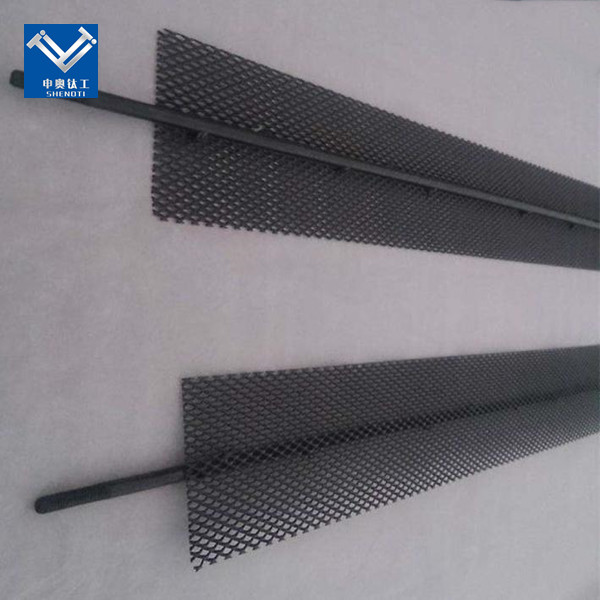
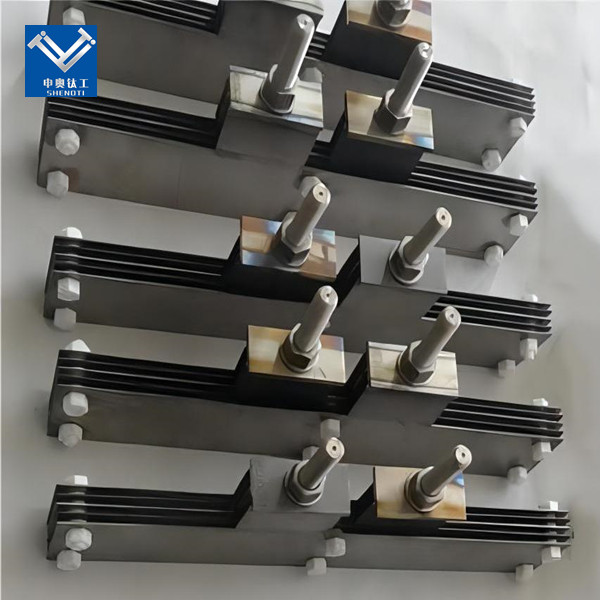
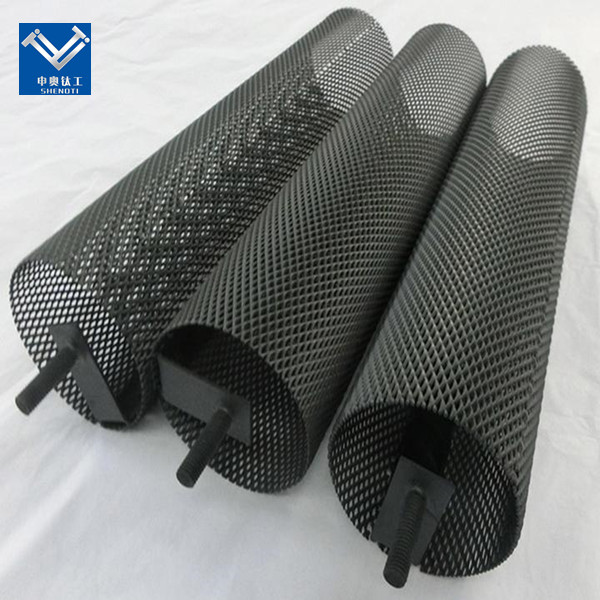
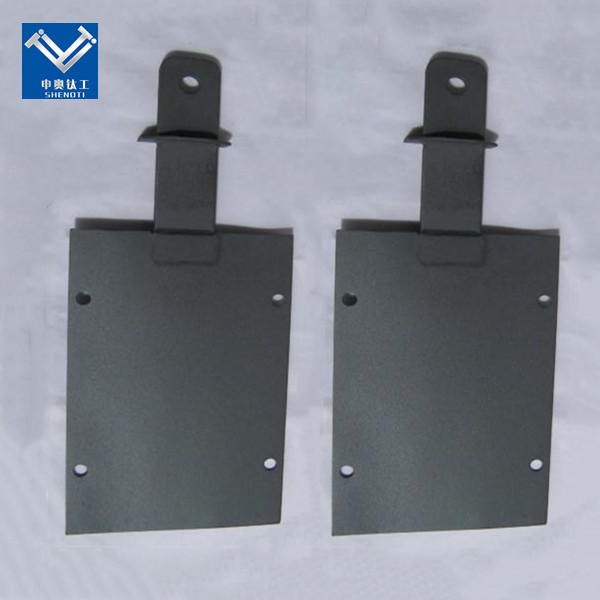
Shapes: Plate, Mesh, Tube, Rod, Strip
Substrate Thickness: 0.5 mm to 5 mm
Coating Type: RuO₂, IrO₂, Ta₂O₅ combination
Coating Thickness: 5–20 μm
Current Density: Up to 8000 A/m²
Size: Fully customizable
These flexible configurations of titanium anodes for wastewater treatment enable them to adapt to a wide range of industrial applications.
Applications of Titanium Anodes for Wastewater Treatment
1: Industrial Wastewater Treatment
Industries such as textiles, chemicals, pharmaceuticals, and electroplating use titanium anodes for wastewater treatment to remove toxic pollutants and meet emission standards.
2: Municipal Wastewater Treatment
In municipal wastewater treatment plants, titanium anodes for wastewater treatment are used for disinfection, nutrient removal, and sludge reduction.
3. Landfill Leachate Treatment
Using titanium anodes for wastewater treatment can effectively treat highly polluted leachate, reducing chemical oxygen demand (COD) and ammonia nitrogen levels.
4. Aquaculture Water Purification
Titanium anode wastewater treatment helps control pathogens and organic waste, maintaining water quality in aquaculture systems.
Real-world Application Cases
1. Chemical Wastewater Project
A chemical plant used titanium anodes in its electro-oxidation system for wastewater treatment, reducing COD levels by 30% and improving environmental compliance.
2. Municipal Wastewater Treatment Upgrade
A municipal wastewater treatment plant replaced its old electrodes with titanium anodes for wastewater treatment, improving disinfection efficiency and reducing energy consumption.
3. Electroplating Wastewater Treatment
An electroplating company used titanium anodes for wastewater treatment to remove heavy metals, improving water recycling rates.
Structural Design Advantages
Beyond performance, titanium anodes for wastewater treatment offer structural and visual advantages:
Smooth, uniform coating surface
Precision manufacturing, consistent dimensions
Resistant to deformation under high current and long current conditions
Lightweight and robust structure
These characteristics ensure ease of installation, stable operation, and long-term reliability.
Why Choose Titanium Anodes for Wastewater Treatment?
Choosing titanium anodes for wastewater treatment means investing in:
Mature electrochemical technology
High durability and low maintenance costs
Energy efficiency
Environmentally friendly materials
Customizable solutions to meet specific needs
Titanium anodes for wastewater treatment are ideal for modern wastewater treatment systems.
With increasingly stringent environmental regulations and industries seeking sustainable solutions, titanium anodes for wastewater treatment have become a key technology for efficient and reliable water purification. Advanced materials, precise manufacturing processes, and electrochemical performance deliver long-term value and operational performance.
Whether for industrial or municipal wastewater treatment, titanium anodes for wastewater treatment provide efficient, environmentally friendly, and economical solutions. By selecting high-quality titanium anodes for wastewater treatment, businesses can improve treatment efficiency, reduce costs, and achieve sustainable environmental compliance.