Titanium Anodes for Wastewater Treatment: An Advanced Electrochemical Solution for High-Efficiency Water Purification
2026-04-18 09:46:24
Titanium anodes for wastewater treatment have become a cornerstone technology in modern environmental engineering, providing an efficient, durable, and sustainable solution to complex water purification challenges. As industries face increasingly stringent emission regulations and growing environmental responsibility, the demand for reliable electrochemical treatment systems continues to grow.
Titanium anodes for wastewater treatment are typically made from a high-purity titanium substrate coated with a mixed metal oxide (MMO), platinum, or other catalytic layer. These coatings promote powerful oxidation reactions, thereby decomposing organic pollutants, eliminating pathogens, and reducing chemical oxygen demand (COD) and biological oxygen demand (BOD).
Compared to traditional treatment methods, titanium anodes for wastewater treatment offer a chemical-free, energy-efficient, and easily automated solution, widely used in municipal, industrial, and decentralized water treatment systems.
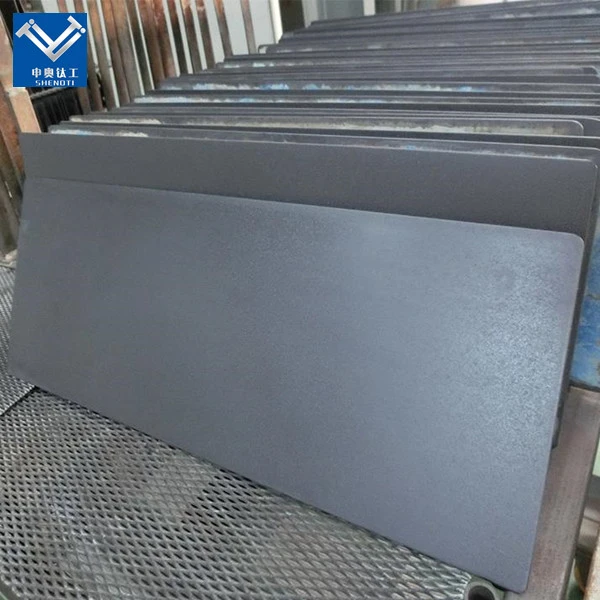
Titanium Anode Technology for Wastewater Treatment
1: Electrochemical Oxidation Mechanism
The principle of titanium anodes for wastewater treatment is electrochemical oxidation. Upon application of electricity, the anode generates strong oxidants such as hydroxyl radicals (•OH), chlorine species, and ozone (depending on the electrolyte composition).
These oxidants rapidly decompose organic pollutants into harmless end products such as carbon dioxide (CO₂) and water (H₂O). Titanium anodes for wastewater treatment possess high oxidation potentials, ensuring efficient degradation of recalcitrant pollutants that are difficult to treat using biological methods.
2: Advanced Coating Technology
High-performance titanium anodes for wastewater treatment rely on advanced coating systems, including:
Mixed metal oxide (MMO) coatings (IrO₂, RuO₂, Ta₂O₅)
Platinum coatings for enhanced conductivity
Nanostructured catalytic surfaces
These coatings improve catalytic activity, corrosion resistance, and service life, making titanium anodes for wastewater treatment suitable for long-term industrial operation.
3: Stable Current Distribution and Energy Efficiency
Carefully designed titanium anodes for wastewater treatment ensure uniform current distribution, minimizing energy loss and maximizing reaction efficiency. This helps reduce operating costs and increase treatment capacity, especially in large-scale systems.
Key Advantages of Titanium Anodes for Wastewater Treatment
1. Corrosion Resistance
The combination of a titanium substrate and a protective coating allows titanium anodes for wastewater treatment to operate in highly corrosive environments, including acidic and chloride-rich wastewater.
2. Long Service Life
Compared to traditional graphite or lead electrodes, titanium anodes for wastewater treatment have a longer service life, reducing replacement frequency and maintenance costs.
3. High Treatment Efficiency
Titanium anodes for wastewater treatment have strong oxidation capabilities, rapidly removing chemical oxygen demand (COD), ammonia nitrogen, dyes, and other contaminants.
4. Environmentally Friendly Operation
Titanium anodes for wastewater treatment require no chemical additives, reducing secondary pollution and sludge generation.
5. Flexible System Integration
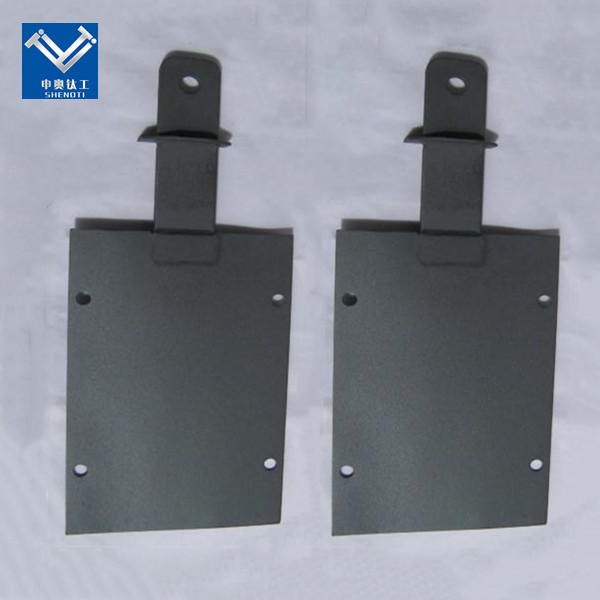
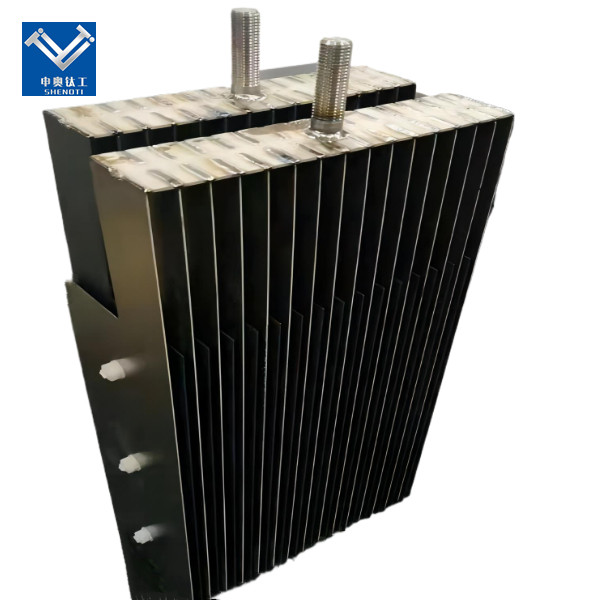
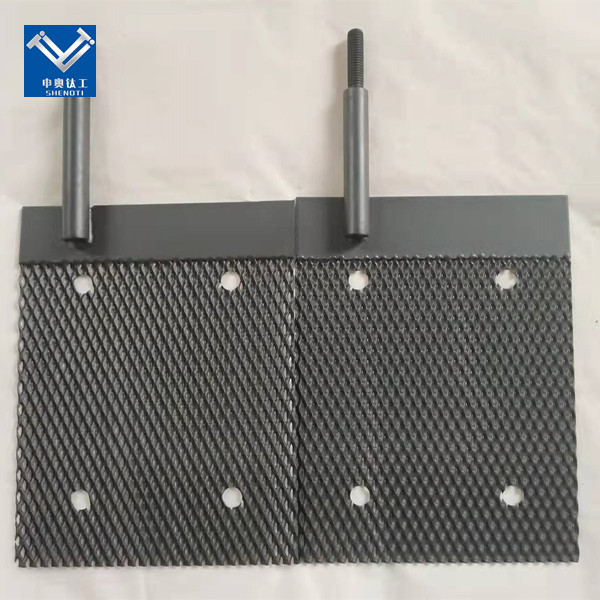
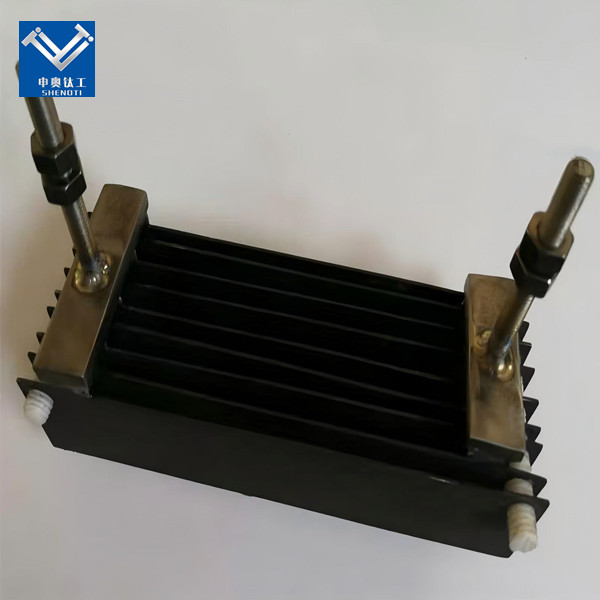
These anodes can be customized in plate, mesh, or tubular forms for easy integration into various wastewater treatment systems.
Industry Applications of Titanium Anodes for Wastewater Treatment
1. Industrial Wastewater Treatment
Industries such as electroplating, textiles, pharmaceuticals, and chemicals generate complex wastewater containing heavy metals, dyes, and toxic organic compounds. Titanium anodes for wastewater treatment can efficiently decompose pollutants through electrochemical oxidation.
2: Municipal Wastewater Treatment
In municipal wastewater treatment systems, titanium anodes can be used for disinfection, deodorization, and advanced treatment stages. They improve water quality and ensure compliance with environmental standards.
3: Landfill Leachate Treatment
Leachate contains high concentrations of organic pollutants and ammonia. Titanium anodes for wastewater treatment provide an effective solution for reducing toxicity and improving biodegradability.
4: Aquaculture and Agricultural Water
For aquaculture systems, titanium anodes for wastewater treatment help remove pathogens and organic waste, thereby maintaining water quality and ensuring a healthy living environment for aquatic organisms.
Case Study: Upgrading Electroplating Wastewater Treatment
1: Project Background
A large electroplating plant faced challenges in treating wastewater containing high concentrations of heavy metals, cyanides, and organic additives. Traditional chemical treatment methods were inefficient and generated large amounts of sludge.
2: Solution for Wastewater Treatment with Titanium Anodes
The company implemented an electrochemical treatment system equipped with titanium anodes to treat the wastewater. This system utilizes MMO coating technology. Designed to handle high pollutant loads, the system features stable current density and automated control.
3: Results and Performance
After adopting titanium anodes for wastewater treatment, the plant achieved:
COD removal rate exceeding 85%
Reduced heavy metal concentration
30% reduction in sludge production
Reduced chemical consumption and operating costs
The system's stable performance and extremely low maintenance requirements demonstrate the effectiveness of titanium anodes in industrial wastewater treatment applications.
Case Study: Textile Printing and Dyeing Wastewater Treatment
1: Challenges
A textile manufacturer faced the challenge of high-color wastewater containing persistent dyes that were difficult to remove through biological treatment.
2. Electrochemical Solution
This plant treats wastewater using integrated titanium anodes, applying advanced oxidation processes to decompose dye molecules and improve water transparency.
3. Results
Decolorization rate exceeds 95%
Improved wastewater biodegradability
Complies with emission standards
Enhanced system stability
This case study highlights how titanium anode wastewater treatment solves the complex wastewater treatment challenges of the textile industry.
Titanium Anode Technical Specifications for Wastewater Treatment
Typical parameters for titanium anodes used in wastewater treatment include:
Substrate: Grade 1 or 2 titanium
Coating: MMO (IrO₂/RuO₂/Ta₂O₅) or platinum
Coating thickness: 5–20 μm (MMO) or customizable
Current density: 500–10,000 A/m²
Lifespan: 2–8 years, depending on operating conditions
Shape: Plate, mesh, tubular, rod
Customization options ensure that titanium anodes for wastewater treatment meet specific process requirements.
Key Success Factors for Titanium Anode Projects in Wastewater Treatment
1: Advanced Materials Engineering
High-quality coatings and precision manufacturing processes ensure the reliability of titanium anodes used in wastewater treatment.
2: Optimized System Design
Efficient reactor design and electrode arrangement maximize the performance of titanium anodes for wastewater treatment.
3: Technical Support and Service
Professional technical guidance and after-sales support are crucial for the effectiveness of titanium anodes in wastewater treatment.
4: Customization Capabilities
Tailor-made solutions help various industries fully leverage the advantages of titanium anodes in wastewater treatment for different applications.
Why Choose Titanium Anodes for Wastewater Treatment?
For companies seeking efficient and sustainable water treatment solutions, choosing titanium anodes for wastewater treatment offers strategic advantages. Titanium anodes are durable, have high oxidation efficiency, and low operating costs, making them a future-proof investment.
Titanium anodes are a powerful and reliable solution to modern water purification challenges. Their advanced electrochemical performance, long service life, and environmental benefits make them an essential component of industrial and municipal wastewater treatment systems.
By employing titanium anodes for wastewater treatment, businesses can improve treatment efficiency, reduce environmental impact, and ensure compliance with increasingly stringent regulatory requirements. Whether treating complex industrial wastewater or upgrading municipal wastewater treatment systems, titanium anodes for wastewater treatment deliver measurable performance and long-term value.
For organizations committed to improving water treatment efficiency and sustainability, investing in high-quality titanium anodes for wastewater treatment is key to achieving stable, scalable, and cost-effective results.