Titanium Anodes for Industrial Wastewater Treatment in Advanced Mineralization of Pharmaceutical Wastewater
2026-07-09 09:04:48
Pharmaceutical and fine chemical enterprises face increasingly severe wastewater treatment challenges. Antibiotic residues, heterocyclic compounds, and organic solvents exert significant inhibitory effects on conventional activated sludge processes, with considerable proportions of recalcitrant organics remaining in effluent after biological treatment, posing compliance risks against the backdrop of continuously tightening discharge standards. Electrochemical advanced oxidation technology, through in-situ generation of hydroxyl radicals on the anode surface, can progressively convert recalcitrant organics into carbon dioxide and water, with the titanium anode for industrial wastewater treatment serving as its core component.
Hydroxyl Radical Mineralization: The Technical Pathway for Disrupting Recalcitrant Molecular Structures
The characteristic pollutants in pharmaceutical wastewater—antibiotics containing aromatic rings, nitrogen-containing heterocyclic intermediates, and halogenated solvents—possess stable chemical structures with relatively strong resistance to microbial degradation. Hydroxyl radicals, by virtue of their high oxidation-reduction potential, can attack these conjugated structures with relative non-selectivity, cleaving aromatic rings, converting macromolecular organics into small-molecule organic acids, and ultimately mineralizing them into carbon dioxide, water, and simple inorganic salts.
When energized, the active sites on the coating surface of the titanium anode for industrial wastewater treatment generate adsorbed hydroxyl radicals through electrocatalytic water molecule oxidation. Coating formulations are typically based on metal oxide systems such as RuO₂-IrO₂-SnO₂ or IrO₂-Ta₂O₅. Through modulation of composition ratios and microstructure, the coating can maintain a relatively low oxygen evolution overpotential across a broad current density range, directing more current toward hydroxyl radical generation rather than the oxygen evolution side reaction. For pharmaceutical wastewater containing chloride ions, the anode can simultaneously generate active chlorine, which acts synergistically with hydroxyl radicals on organic pollutants of different structures. Under typical operating conditions, this technical pathway contributes to deep chemical oxygen demand reduction and a relatively high degree of organic carbon mineralization. Actual mineralization efficiency varies depending on wastewater composition, pollutant structure, pH, and current density.
Performance varies based on specific operating conditions. Actual results depend on wastewater quality and operating parameters.

Resistance to Complex Water Matrices: Addressing the Multi-Component Challenges of Pharmaceutical Wastewater
The water quality of pharmaceutical wastewater fluctuates significantly with production batches and product types, often simultaneously containing high concentrations of inorganic salts, residual organic solvents, and various intermediates. Anodes operating long-term in such composite water quality face the risk of active site fouling caused by organic polymerization and adsorption on the electrode surface, as well as chemical corrosion of the substrate in high-salinity environments. Some chloride-containing wastewater also generates corrosive active chlorine during electrolysis, placing additional demands on the chemical stability of the coating.
The titanium anode for industrial wastewater treatment employs high-purity titanium as the substrate. The titanium substrate can spontaneously form a dense passive film under anodic polarization conditions, providing structural stability for the electrode in wastewater with fluctuating salinity and pH levels. The introduction of inert components such as SnO₂ or Ta₂O₅ into the coating can improve the hydrophilicity and anti-fouling tendency of the coating surface, helping to reduce irreversible adsorption of organics on active sites. The coating and substrate achieve high bonding strength through optimized pretreatment processes, supporting the maintenance of structural integrity during long-term operation. The coating thickness has been optimized to balance catalytic activity with durability. Actual working life varies depending on wastewater composition, salinity, temperature, and operating mode.
Engineering Value for the Pharmaceutical Wastewater Treatment Market
In the global pharmaceutical and fine chemical industries, the continuous tightening of wastewater discharge standards is driving enterprises to seek treatment technologies capable of achieving deep mineralization. The engineering value of the titanium anode for industrial wastewater treatment in this market lies in its advanced oxidation capability centered on hydroxyl radicals, supporting pharmaceutical wastewater in further reducing residual organics after biological treatment and lowering effluent ecotoxicity.
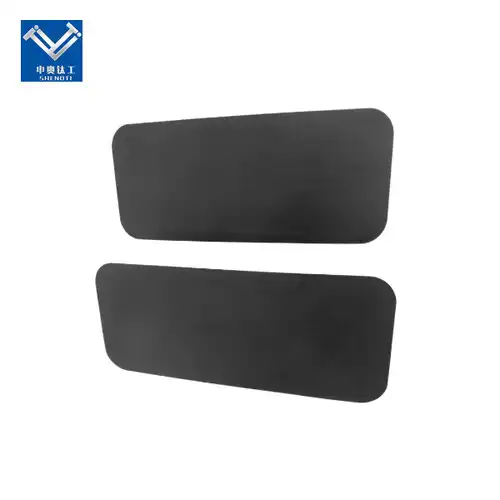
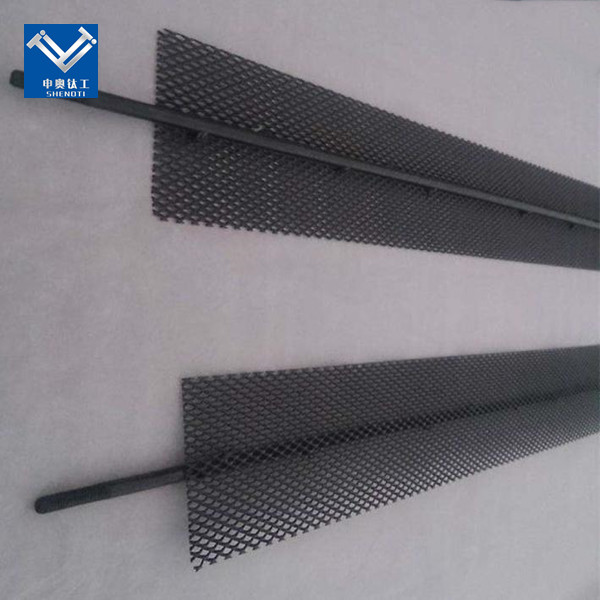
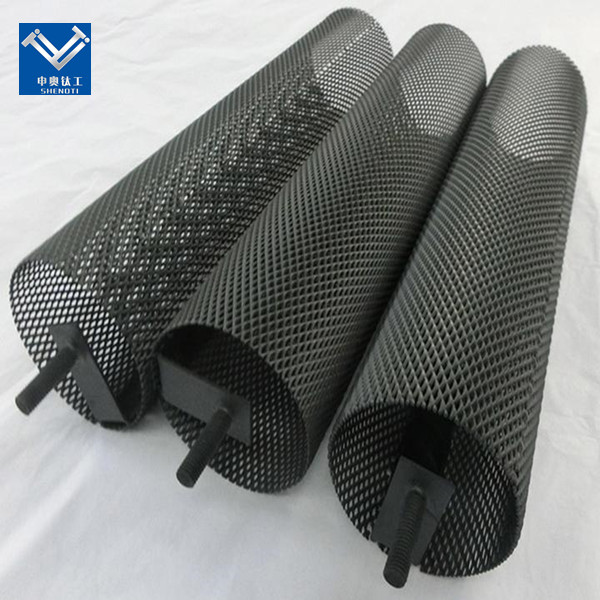
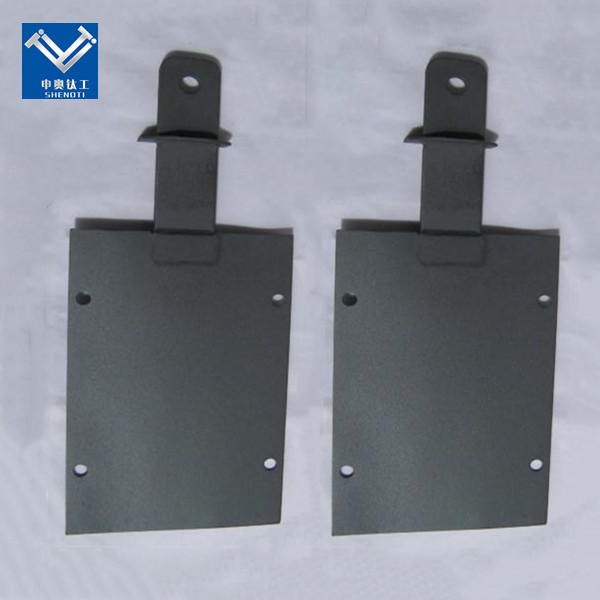
These titanium anode products are built on high-purity titanium substrates and coated with metal oxide systems such as RuO₂-IrO₂-SnO₂ or IrO₂-Ta₂O₅, and can be customized into plate, mesh, tubular, and other geometric configurations to suit pharmaceutical wastewater electrochemical advanced treatment devices of different scales. It is recommended that pharmaceutical enterprises and environmental engineering firms conduct field condition testing of titanium anodes for industrial wastewater treatment based on their wastewater characteristic pollutant composition, salinity, and discharge limits. By tracking indicators such as chemical oxygen demand removal trends, degradation extent of characteristic pollutants, and long-term anode operating performance, the technical compatibility and operational reliability of the electrochemical deep mineralization solution in specific application scenarios can be evaluated.
Important Note: The performance descriptions above are based on engineering experience under specific test conditions or internal test data. Differences may exist between laboratory results and actual operating conditions. Actual mineralization efficiency, working life, and energy consumption levels vary depending on wastewater quality, pollutant type, salinity, temperature, current density, operating parameters, and system design. This product is an industrial wastewater treatment equipment component, and its suitability for pharmaceutical wastewater treatment must be verified by the user according to local environmental regulations and discharge standards.
Titanium Anode Manufacturer
Email: zh@baojiti.com.cn
Products: Titanium Anodes, MMO Titanium Anodes, DSA Coated Titanium Electrodes, Electrolysis Electrodes, Hydrogen Production Electrodes, Wastewater Treatment Titanium Anodes.