Key Considerations for Titanium Anode Selection in Hospital Wastewater Electrolytic Disinfection | Technical Analysis of Hospital Wastewater Treatment Electrolytic Disinfection Systems
2026-03-10 15:38:03
With increasingly stringent wastewater discharge standards from medical institutions, hospital wastewater disinfection has become a crucial component of environmental protection projects. Electrolytic disinfection technology, due to its low reliance on chemical reagents, stable operation, and high degree of automation, is widely used in hospital wastewater treatment systems. The titanium anode, a key component of the electrolytic equipment, directly impacts disinfection efficiency, system stability, and equipment lifespan through its performance and selection.
I. Working Principle of Hospital Wastewater Electrolytic Disinfection Systems
Hospital wastewater electrolytic disinfection systems typically use brine or chloride-containing water as the electrolysis medium. Under direct current, effective chlorine is generated through the electrolytic disinfection titanium anode, achieving sterilization.
The main electrolysis reactions are:
Anode reaction:
2Cl⁻ → Cl₂ + 2e⁻
The generated chlorine dissolves in water to form hypochlorous acid (HOCl), which has extremely strong bactericidal capabilities, effectively killing bacteria, viruses, and pathogenic microorganisms in the wastewater.
Throughout the electrolysis process, the titanium anode, used for electrolytic disinfection, undertakes the chlorine evolution reaction, demonstrating excellent electrocatalytic performance and corrosion resistance.
II. Requirements for Titanium Anode Materials for Electrolytic Disinfection of Hospital Wastewater Hospital wastewater environments have the following characteristics:
* High chloride ion content
* High organic matter content
* Significant water quality fluctuations
Ordinary metal electrodes are easily corroded or passivated in such environments. Therefore, hospital wastewater electrolytic disinfection systems typically use MMO-coated titanium anodes.
High-quality electrolytic disinfection titanium anodes consist of the following structure:
1. Titanium Substrate
Using TA1 or TA2 industrial pure titanium as the substrate, it possesses:
* Excellent corrosion resistance
* Stable electrical conductivity
* High mechanical strength
The titanium substrate does not participate in the chemical reaction during electrolysis, serving as a conductive support structure.
2. MMO Noble Metal Oxide Coating
The surface of the titanium anode for electrolytic disinfection is coated with a ruthenium-iridium noble metal oxide coating, which includes:
* Improved chlorine evolution efficiency
* Reduced electrolysis voltage
* Enhanced corrosion resistance
* Extended electrode lifespan
High-quality MMO coatings, through multiple coating processes and high-temperature sintering, form a stable structure, enabling long-term stable operation in high-chlorine environments.
III. Key Considerations for Selecting Titanium Anodes for Hospital Wastewater Electrolytic Disinfection When designing a hospital wastewater electrolytic disinfection system, selecting the appropriate titanium anode manufacturer and model requires careful attention to the following aspects:
1. Current Density Matching
Current density is a crucial factor affecting the lifespan of electrolytic disinfection titanium anodes.
Generally, the current density range for hospital wastewater electrolysis systems is 500–2000 A/m². Excessive current density accelerates coating wear and reduces the lifespan of the electrolytic disinfection titanium anode.
2. Anode Structure Type
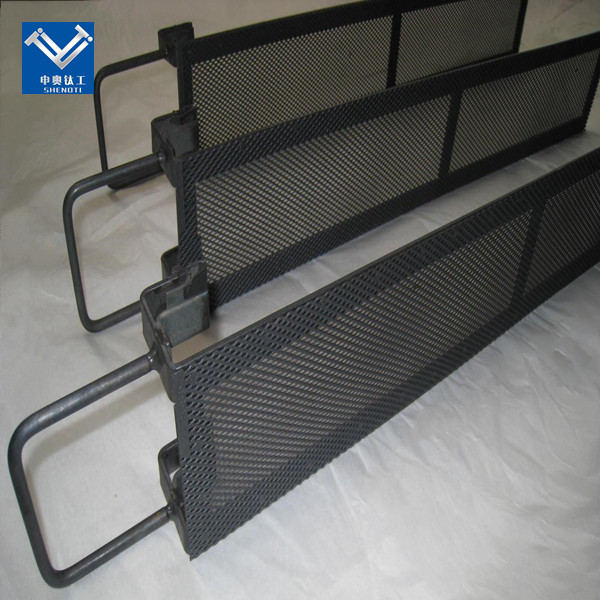
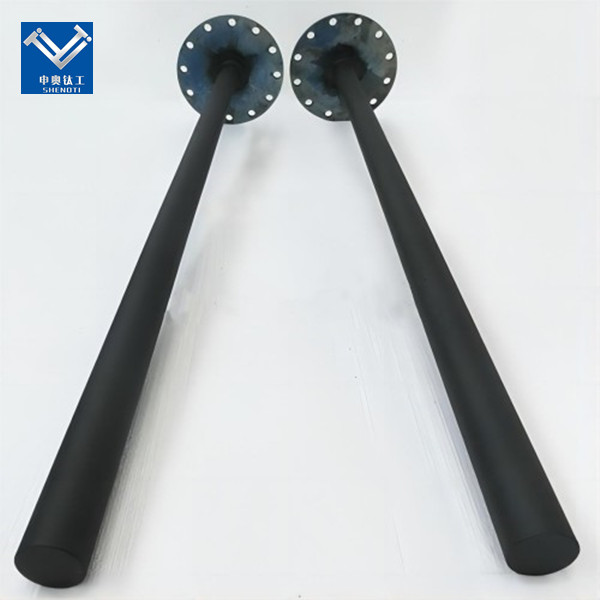
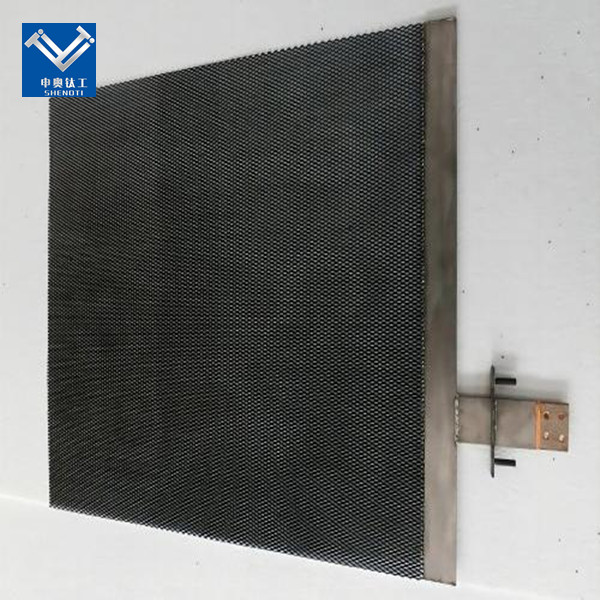
Different types of titanium anodes for electrolytic disinfection can be selected based on the electrolytic cell structure, such as:
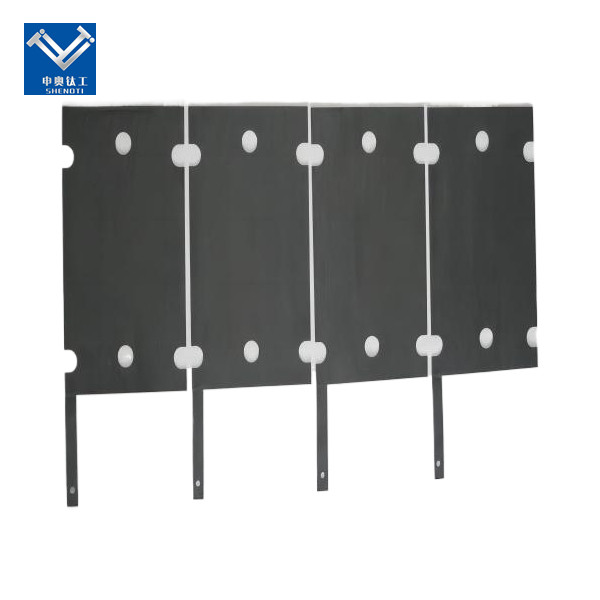
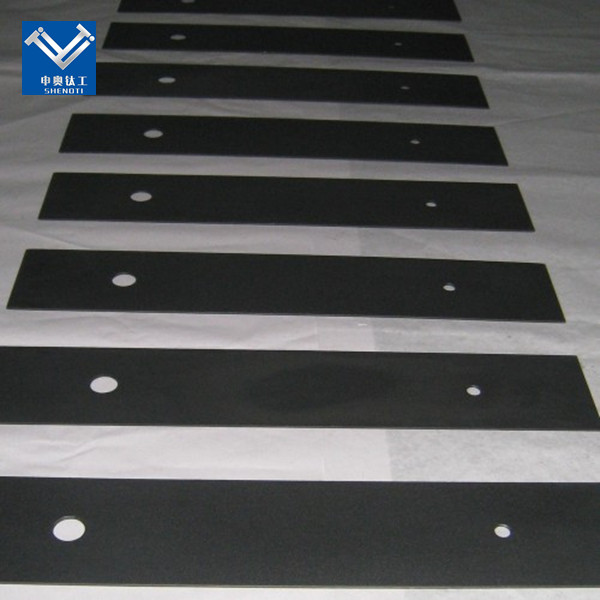
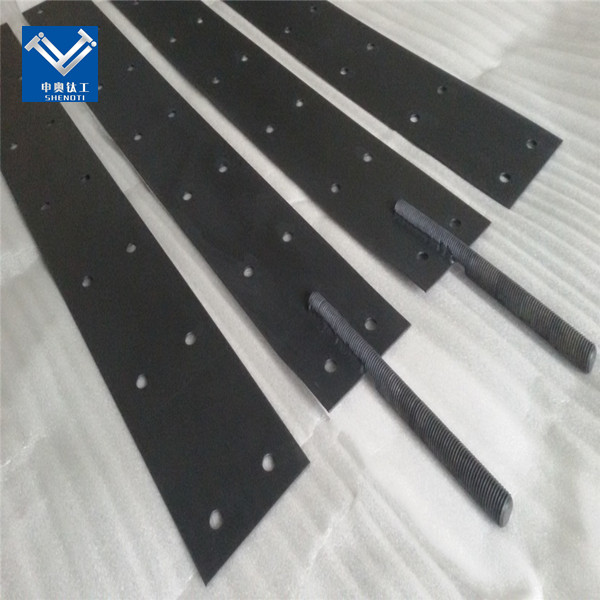
* Plate-type titanium anode
* Mesh-type titanium anode
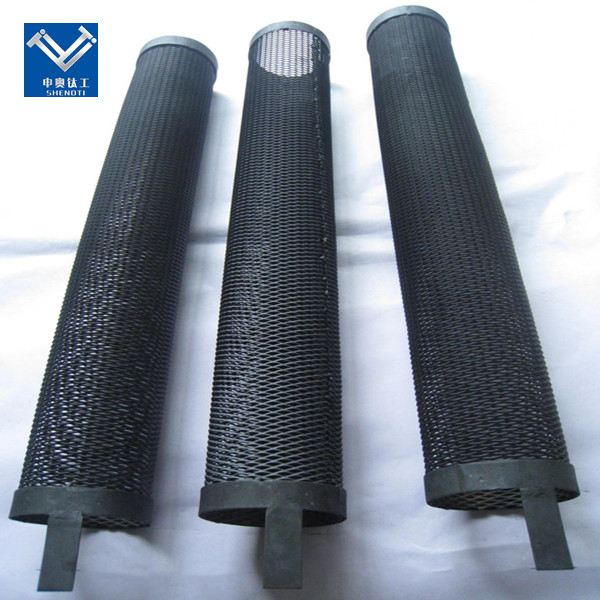
* Tubular-type titanium anode
The mesh structure increases the effective reaction area and improves electrolysis efficiency, making it widely used in hospital wastewater electrolytic disinfection systems.
3. Coating Type Selection
Hospital wastewater treatment systems typically select high-chlorine-evolving MMO-coated titanium anodes, which offer the following advantages:
* High chlorine evolution efficiency
* Low power consumption
* Stable operation
The coating formulation and sintering process are key factors determining the performance of electrolytic disinfection titanium anodes; therefore, selecting a professional electrolytic disinfection titanium anode manufacturer is crucial.
4. Equipment Operating Time
Hospital wastewater treatment equipment usually operates continuously for extended periods daily. Electrolytic disinfection titanium anodes possess a long service life.
Generally, high-quality electrolytic disinfection titanium anodes can have a service life of:
3–6 years. The specific lifespan depends on the operating load and water quality conditions.
IV. Common Problems with Titanium Anodes for Electrolytic Disinfection of Hospital Wastewater
During actual operation, the following problems may occur in hospital wastewater electrolytic disinfection systems:
1. Decreased Electrolysis Efficiency
Possible causes include:
* Anode coating aging
* Excessively high current density
* Significant changes in water quality
2. Voltage Increase
Voltage increase is usually related to electrode polarization or coating wear, requiring timely inspection of the titanium anode condition for electrolytic disinfection.
3. Insufficient Chlorine Production
Insufficient chlorine production may be caused by:
* Insufficient effective anode area
* Unstable electrolysis current
* Deterioration of anode coating performance
During the system design phase, the area of the titanium anode used for electrolytic disinfection should be rationally configured.
V. How to Choose a Reliable Titanium Anode Manufacturer for Electrolytic Disinfection
In hospital wastewater electrolytic disinfection projects, choosing a professional manufacturer can effectively improve system stability. Electrolytic disinfection titanium anode manufacturers possess the following advantages:
* Independent MMO coating production process
* Complete electrochemical testing equipment
* Extensive experience in water treatment projects
* Support for non-standard size customization
Professional manufacturers can also provide appropriate electrolytic disinfection titanium anode selection based on the hospital wastewater quality conditions.
With continuously improving environmental standards, the application of electrolytic disinfection technology for hospital wastewater is becoming increasingly widespread. The performance and selection of titanium anodes, a key component of the electrolytic disinfection system, directly affect the system's disinfection effect and operating costs.
In hospital wastewater treatment projects, appropriately selecting the electrolytic disinfection titanium anode model and choosing a reliable manufacturer to control the current density can effectively improve equipment operational stability, extend service life, and reduce long-term maintenance costs.


YOU MAY LIKE