Sodium hypochlorite generator titanium anode selection standards | Technical guide for titanium anode manufacturers for electrolytic disinfection
2026-03-10 15:18:46
In electrolytic disinfection equipment, the titanium anode of the sodium hypochlorite generator is a key component determining the system's operating efficiency and service life. Properly selecting the titanium anode for electrolytic disinfection can not only improve chlorine production efficiency but also reduce equipment operating costs. When designing and purchasing a sodium hypochlorite generator, it is essential to select the appropriate model and specifications of the electrolytic disinfection titanium anode based on the actual operating conditions.
I. Working Principle of Titanium Anode in Sodium Hypochlorite Generator
The sodium hypochlorite generator is a device that electrolyzes brine to generate available chlorine, achieving water disinfection. During electrolysis, the titanium anode for electrolytic disinfection undergoes an oxidation reaction under the action of direct current:
Anode reaction:
2Cl⁻ → Cl₂ + 2e⁻
The generated chlorine gas reacts with water to produce hypochlorous acid (HOCl), further forming a sodium hypochlorite solution, achieving sterilization and disinfection.
The titanium anode for a sodium hypochlorite generator must possess the following properties: high chlorine evolution efficiency, low voltage loss, strong corrosion resistance, and long-term stable operation. Currently, the water treatment industry uses MMO-coated titanium anodes for electrolytic disinfection, which offer stable electrochemical performance and can operate continuously in high-chlorine environments.
II. Structure and Composition of the Titanium Anode in a Sodium Hypochlorite Generator
The titanium anode for a sodium hypochlorite generator consists of two parts:
1. Titanium Substrate
Using industrial pure titanium TA1 or TA2 as the substrate, its characteristics include: strong corrosion resistance, high strength and good stability, stable conductivity, and no deformation under long-term electrolytic conditions. The titanium substrate provides conductive support during electrolysis.
2. MMO Noble Metal Coating
The surface of the electrolytic disinfection titanium anode is coated with a noble metal oxide coating (MMO), which is a ruthenium-iridium oxide system.
This coating has the following advantages: low chlorine evolution potential, high current efficiency, strong resistance to chlorine corrosion, and long service life. The titanium anode for the sodium hypochlorite generator uses a multi-layer coating and multiple high-temperature sintering processes, resulting in stronger coating adhesion.
III. Selection Parameters for Titanium Anodes in Sodium Hypochlorite Generators
When selecting titanium anodes for electrolytic disinfection, consider the following technical parameters:
1. Current Density
Current density is a crucial factor affecting the lifespan of titanium anodes in sodium hypochlorite generators.
Common recommended range: 500A/m² — 3000A/m²
Excessive current density will accelerate coating wear and shorten the lifespan of the electrolytic disinfection titanium anode.
2. Electrolytic Cell Dimensions
The structure of the electrolytic cell directly affects the anode area design.
In the design of sodium hypochlorite generators, the effective area of the titanium anode for electrolytic disinfection is determined based on:
Electrolytic cell dimensions
Electrode spacing
Water treatment capacity.
3. Brine Concentration
Brine concentration has a significant impact on electrolysis efficiency.
A brine concentration of 3%–5% is generally recommended. Properly controlling the brine concentration can improve the current efficiency of the titanium anode in the sodium hypochlorite generator.
4. Operating Time
The longer the equipment operates, the higher the lifespan requirement for the electrolytic disinfection titanium anode.
For continuously operating equipment, select high-lifespan MMO-coated titanium anodes. IV. Titanium Anode Structure Types for Sodium Hypochlorite Generators
Depending on the equipment structure, electrolytic disinfection titanium anodes come in the following forms:
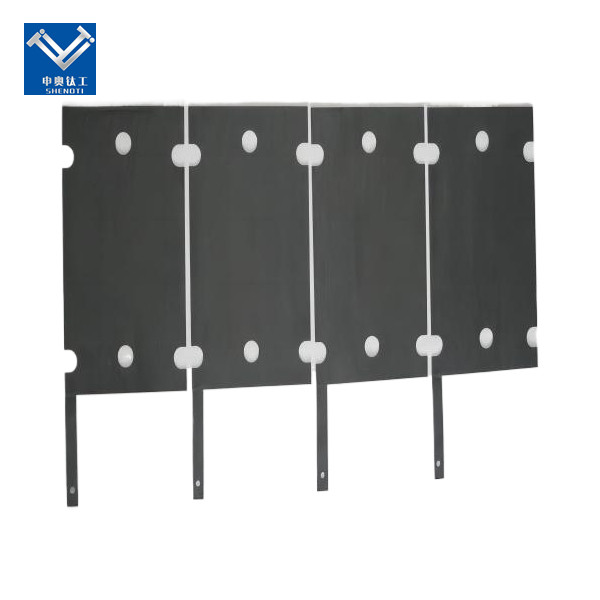
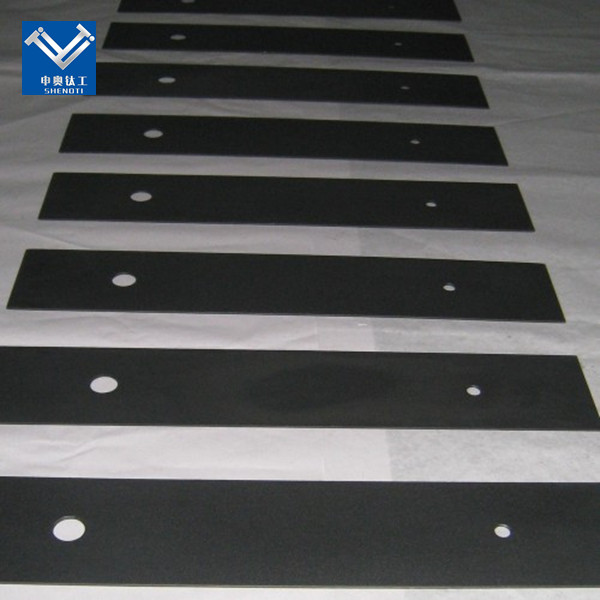
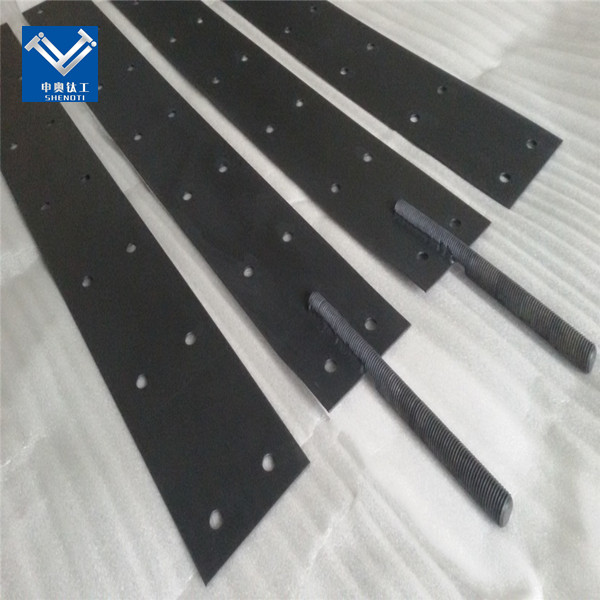
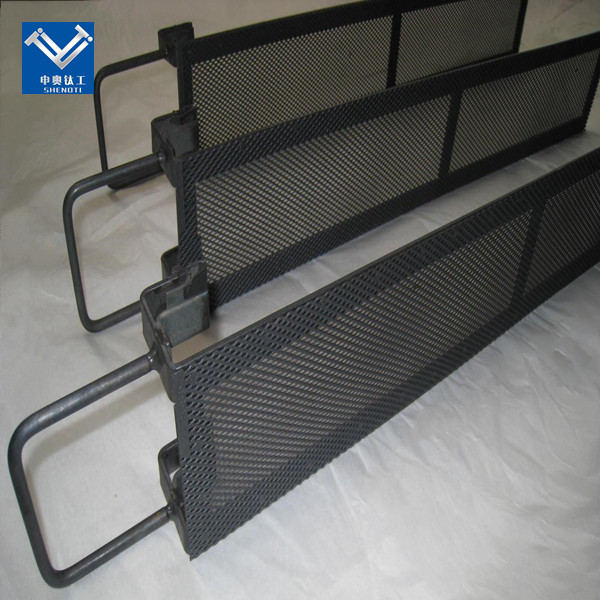
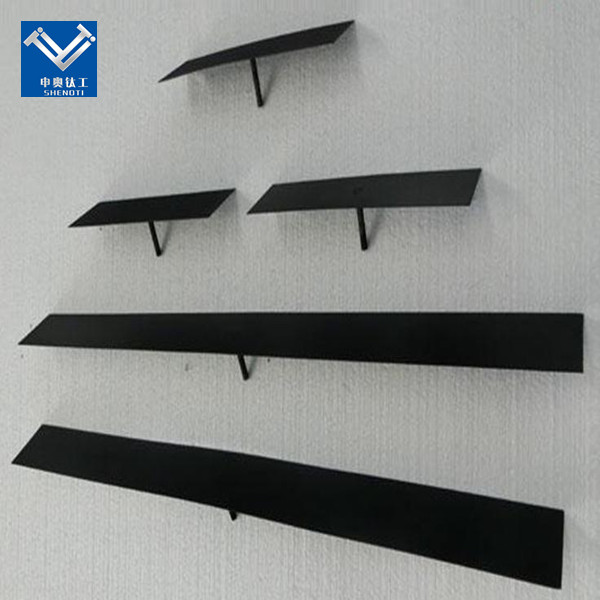
Plate-type titanium anode: Suitable for most sodium hypochlorite generators.
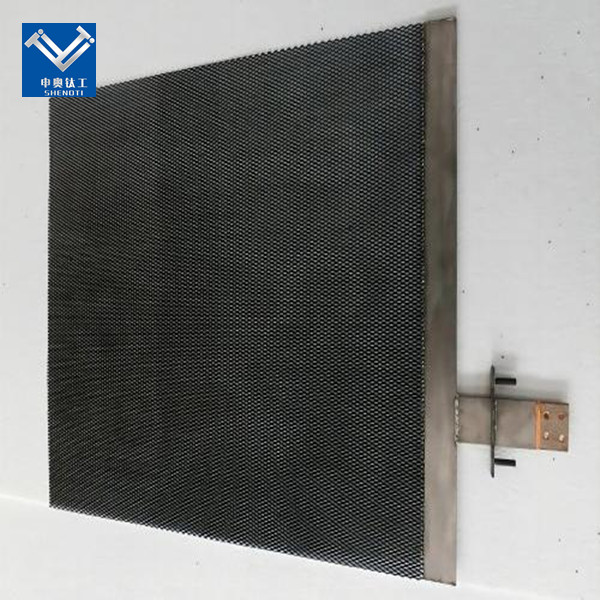
Mesh-type titanium anode: Increases the electrolysis area and improves electrolysis efficiency.
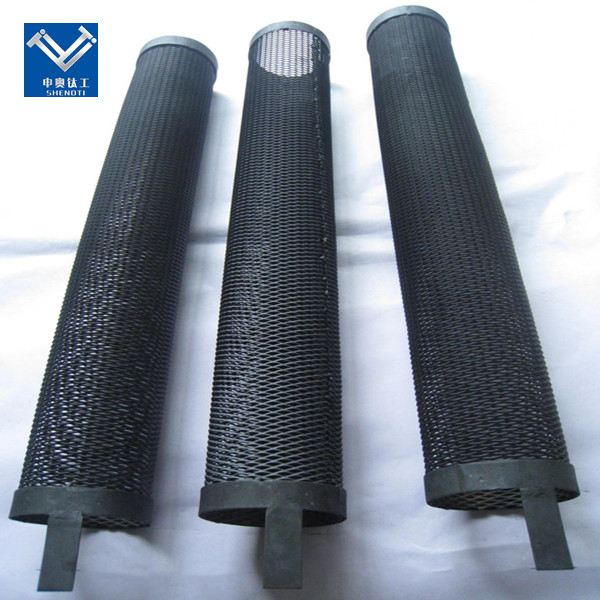
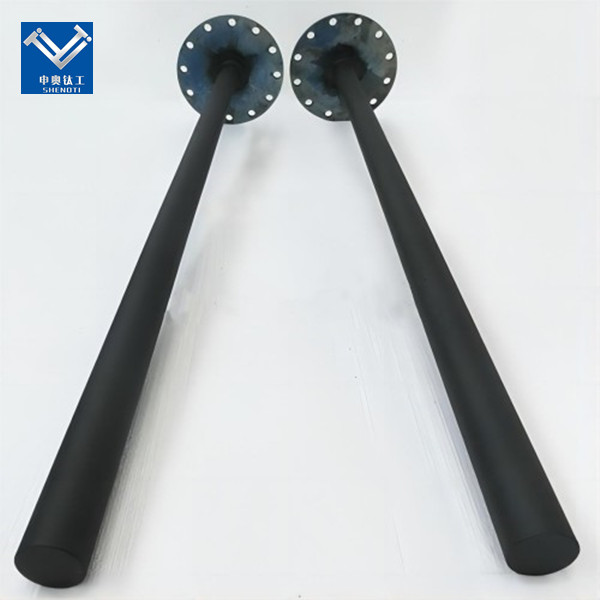
Tube-type titanium anode: Commonly used in large-scale electrolytic disinfection equipment.
When selecting a model, the appropriate form should be chosen based on the electrolytic cell structure.
V. Factors Affecting the Lifespan of Titanium Anodes in Sodium Hypochlorite Generators
The lifespan of electrolytic disinfection titanium anodes is typically 3-8 years, affected by the following factors:
Current density
Water quality conditions
Chloride ion concentration
Operating time
Coating quality
Choose a professional electrolytic disinfection titanium anode manufacturer to ensure coating uniformity and stable electrochemical performance.
VI. Selection Recommendations for Titanium Anodes in Sodium Hypochlorite Generators
In actual projects, the selection process should follow these steps:
1: Determine the water volume to be treated
2: Calculate the electrolysis current
3: Determine the current density
4: Calculate the anode area
Step 5: Select the structural form of the electrolytic disinfection titanium anode
Through reasonable design, the operational stability of the equipment can be effectively improved.
VII. How to Choose a Reliable Electrolytic Disinfection Titanium Anode Manufacturer
When purchasing titanium anodes for sodium hypochlorite generators, pay close attention to the following points:
▪ Does the manufacturer possess MMO coating production technology?
▪ Does the manufacturer support non-standard customization?
▪ Does the manufacturer have electrochemical testing capabilities?
▪ Does the manufacturer have a stable supply capacity?
Titanium anodes for electrolytic disinfection can improve chlorine production efficiency and reduce long-term equipment maintenance costs.
The titanium anode of a sodium hypochlorite generator is an important component of the electrolytic disinfection system, directly affecting the equipment's operating efficiency and service life. In application, the appropriate electrolytic disinfection titanium anode model should be selected based on water quality conditions, current density, and equipment structure.
Through scientific selection and cooperation with professional manufacturers, the long-term stable operation of the sodium hypochlorite generator can be ensured, improving the overall efficiency of the water treatment system.


YOU MAY LIKE