Detailed Explanation of the Working Principle of Titanium Anodes for Electrolytic Disinfection | Technical Analysis from Titanium Anode Manufacturers
2026-03-05 14:42:56
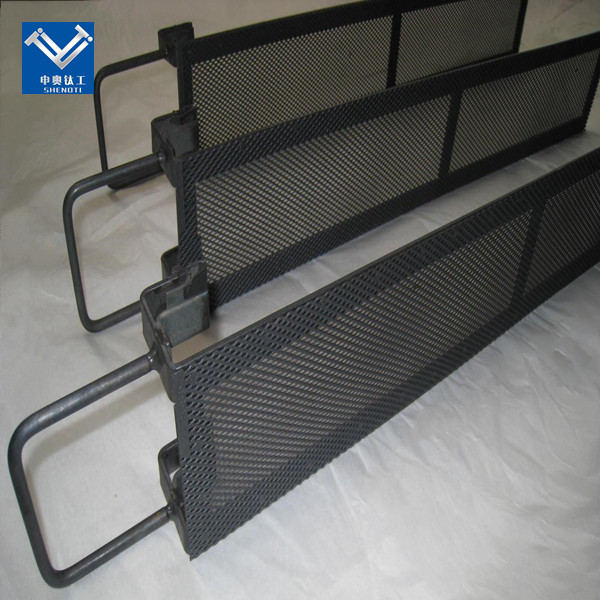
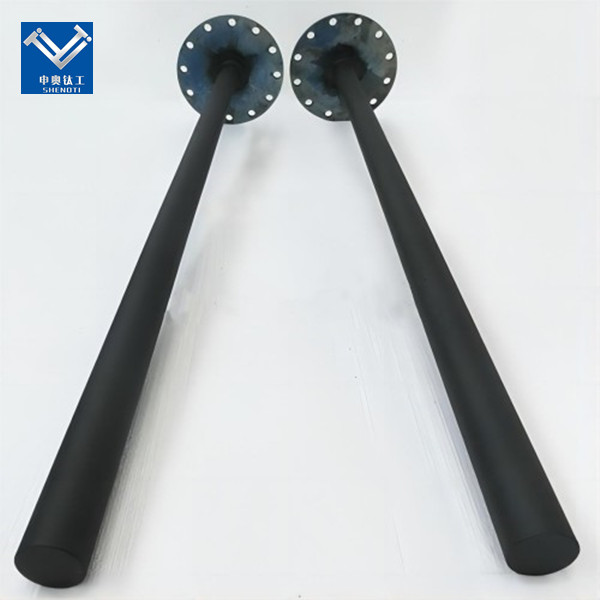
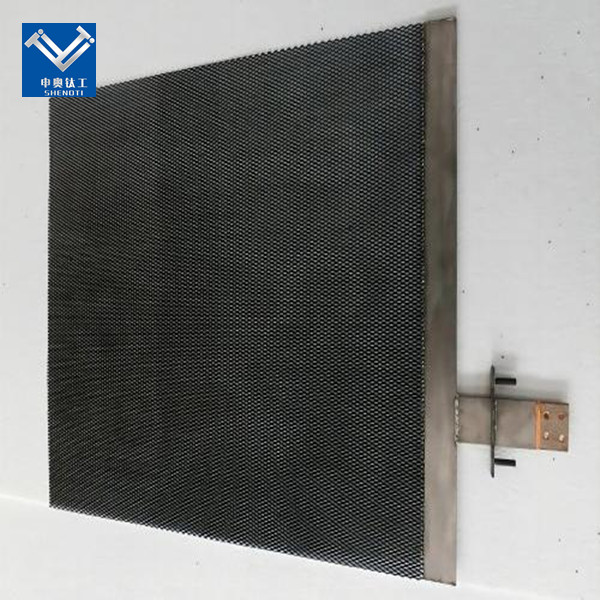
In the water treatment industry, electrolytic disinfection technology, with its advantages of safety, environmental friendliness, and elimination of the need to transport hazardous chemicals, is widely used in tap water treatment, hospital wastewater treatment, and sodium hypochlorite generation systems. The titanium anode for electrolytic disinfection is a key component of the electrolysis system, and its working principle directly determines the disinfection efficiency and system stability.
I. Basic Principle of Electrolytic Disinfection Systems
Electrolytic disinfection systems typically use brine (NaCl solution) as the electrolyte. Under the influence of a DC power supply, a redox reaction occurs within the electrolytic cell.
During electrolysis:
The anode region (titanium anode for electrolytic disinfection) undergoes an oxidation reaction:
2Cl⁻ → Cl₂ + 2e⁻
The generated chlorine gas (Cl₂) dissolves in water and reacts with water to form hypochlorous acid (HOCl) and hypochlorite ions (OCl⁻), forming available chlorine and achieving sterilization.
The functions of titanium anodes for electrolytic disinfection are:
* Providing a stable chlorine evolution reaction interface
* Reducing the chlorine evolution potential
* Improving current efficiency
* Ensuring long-term continuous operational stability
If the anode material is unstable, it can lead to decreased chlorine production, increased voltage, or even equipment shutdown.
2. Structural Composition of Titanium Anodes for Electrolytic Disinfection
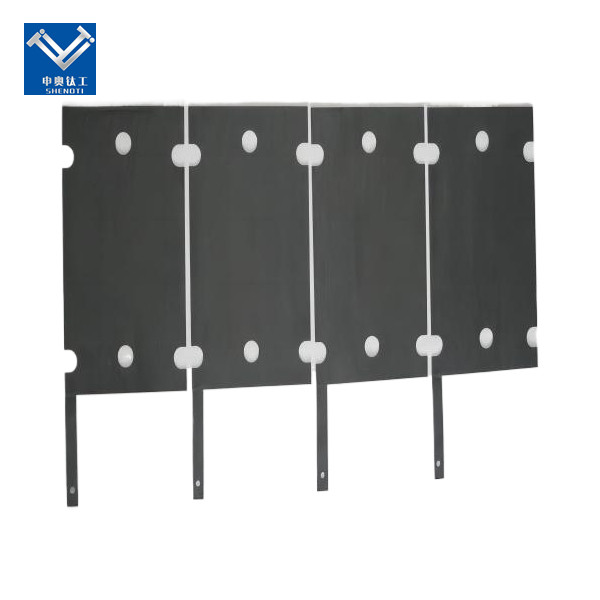
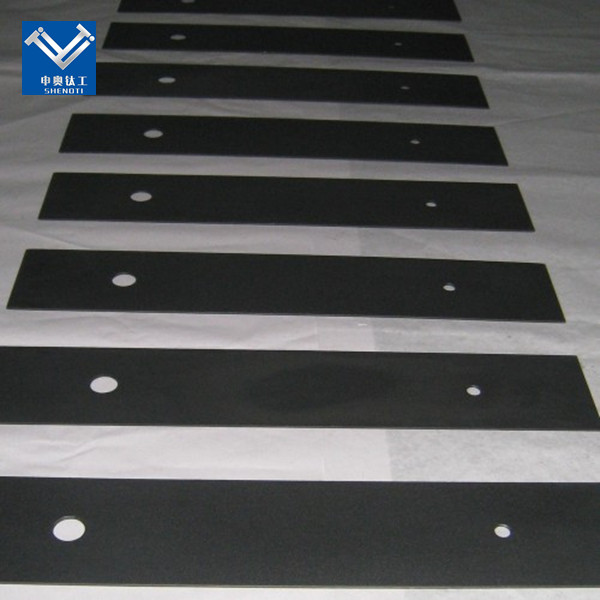
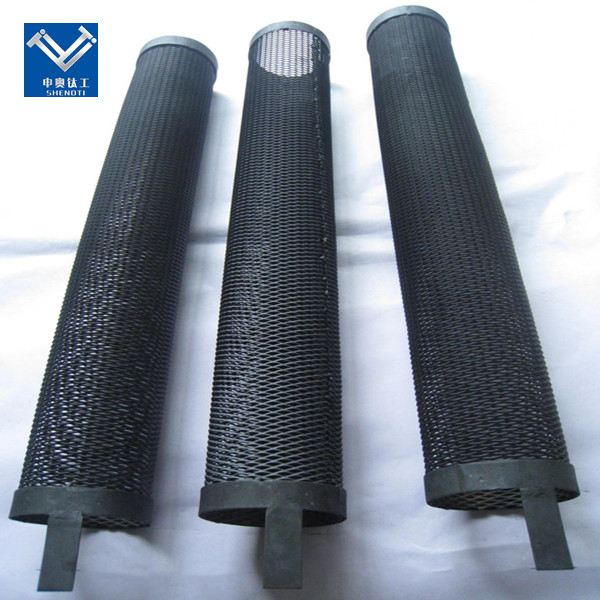
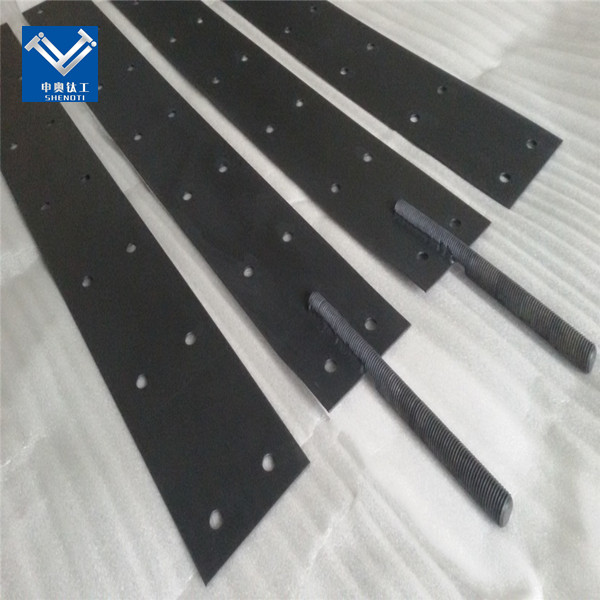
Titanium anodes for electrolytic disinfection consist of a titanium substrate and an MMO (Mixed Metal Oxide) noble metal oxide coating.
1️⃣ Function of the Titanium Substrate
The substrate is mostly made of TA1 or TA2 industrial pure titanium. Its functions include:
* Providing a conductive path
* Bearing the structural load of electrolysis
* Resisting corrosion in the electrolytic environment
Titanium itself can form a dense oxide film in a strong oxidizing environment, exhibiting extremely strong corrosion resistance, making it an ideal substrate for electrolytic disinfection systems.
2️⃣ Working Mechanism of the MMO Coating
The actual reaction interface of the titanium anode for electrolytic disinfection comes from the surface-coated MMO (Mixed Metal Oxide) coating, commonly a ruthenium-iridium system.
MMO coatings possess the following characteristics: Excellent electrocatalytic activity, reduced chlorine evolution overpotential, high corrosion resistance, and long lifespan. Under the influence of current, chloride ions undergo oxidation at the active sites of MMO, improving electrolysis efficiency.
High-quality titanium anodes for electrolytic disinfection undergo multiple coating processes and high-temperature sintering to ensure strong coating adhesion, preventing peeling or deactivation.
3. Electrochemical Reaction Process of Titanium Anodes for Electrolytic Disinfection
The reaction within the electrolytic cell can be divided into three stages:
① Charge Transfer Stage: Chloride ions migrate to the anode surface.
② Surface Catalytic Reaction Stage: Electron transfer occurs at the active sites of MMO, generating chlorine gas.
③ Product Diffusion Stage: The generated chlorine gas diffuses into the water and forms hypochlorous acid.
During this process, the titanium anode for electrolytic disinfection must maintain:
Uniform current distribution, stable potential, and no decay of surface activity. Excessive current density will accelerate coating consumption and shorten the lifespan of the titanium anode for electrolytic disinfection.
4. The Influence of Current Density on Titanium Anodes for Electrolytic Disinfection
Current density is a crucial factor affecting the performance of titanium anodes for electrolytic disinfection.
Recommended operating range: 500–3000 A/m² Excessive current density will lead to: Accelerated coating wear; Increased operating voltage; Shortened service life. Properly controlling the current density can extend the operating cycle of titanium anodes used for electrolytic disinfection.
5. Operating Characteristics in Different Application Scenarios
Waterworks Electrolytic Disinfection System: Long operating time, requiring high stability.
Hospital Wastewater Electrolytic Disinfection Equipment: Requires continuous operation and high sterilization efficiency.
Seawater Electrolytic Disinfection System: High-salt environment, requiring higher corrosion resistance of the coating.
Therefore, in different scenarios, the selection of titanium anodes for electrolytic disinfection needs to be based on water quality, salinity, and operating time.
6. Factors Affecting the Lifespan of Titanium Anodes for Electrolytic Disinfection
Current density setting
Water impurity content
pH value changes
Prolonged full-load operation
Coating quality stability
Choosing a titanium anode manufacturer with mature coating technology can effectively ensure product stability.
7. How to Judge the Performance of Titanium Anodes for Electrolytic Disinfection?
The following indicators can be used to judge: Whether the operating voltage is stable; whether the chlorine production efficiency is consistent; whether the coating is uniform; and whether lifespan test data is provided. High-quality electrolytic disinfection titanium anode manufacturers typically possess electrochemical testing capabilities.
8. Titanium Anodes for Electrolytic Disinfection are a System
Titanium anodes for electrolytic disinfection are not merely electrode materials, but also a guarantee for the stable operation of the electrolysis system. Scientific selection, reasonable current control, and high-quality coating processes determine the long-term operating costs of the equipment.
If you are planning an electrolytic disinfection system or upgrading existing equipment, it is recommended to select the appropriate electrolytic disinfection titanium anode specifications based on actual operating conditions and consult a professional electrolytic disinfection titanium anode manufacturer for selection advice.


YOU MAY LIKE