Municipal Wastewater Electrolytic Disinfection Anode System Description | Application of Titanium Anodes in Wastewater Treatment
2026-03-12 09:43:25
With increasingly stringent environmental emission standards, the application of traditional chemical chlorination disinfection methods in municipal wastewater treatment is gradually being restricted. Electrolytic disinfection technology, due to its stable operation, safety, environmental friendliness, and high degree of automation, has become one of the important disinfection methods in municipal wastewater treatment plants. In the electrolytic disinfection system, the titanium anode is a key component, and its performance directly determines the system's operating efficiency and equipment lifespan.
I. Working Principle of Municipal Wastewater Electrolytic Disinfection System
The municipal wastewater electrolytic disinfection system mainly utilizes an electrochemical reaction to generate available chlorine by electrolyzing water containing chloride ions, thus achieving sterilization and disinfection.
During the electrolysis process, a cathode and a titanium anode for electrolytic disinfection are installed in the electrolytic cell. When a direct current passes through the electrolyte, an oxidation reaction occurs at the anode, generating chlorine gas, which further forms hypochlorous acid.
The main reaction process is as follows:
Anodic reaction:
2Cl⁻ → Cl₂ + 2e⁻
Chlorine reacts with water to form:
Cl₂ + H₂O → HOCl + HCl
The generated hypochlorous acid has strong oxidizing properties and can quickly kill bacteria, viruses, and microorganisms, achieving the purpose of municipal wastewater disinfection.
Throughout the electrolysis process, the electrolytic disinfection titanium anode plays a crucial role in the chlorine evolution reaction, exhibiting high catalytic activity and good corrosion resistance.
II. Composition of Municipal Wastewater Electrolytic Disinfection System
A complete municipal wastewater electrolytic disinfection system typically consists of the following parts:
1. Electrolytic Cell
The electrolytic cell is the core equipment where the electrolysis reaction occurs. It houses the cathode and the titanium anode for electrolytic disinfection, generating disinfectant through current-driven processes.
The electrolytic cell design needs to ensure:
* Uniform current distribution
* Smooth water circulation
* Convenient equipment maintenance
2. Titanium Anode for Electrolytic Disinfection
The electrolytic disinfection titanium anode is a key component of the electrolysis system. It uses industrial pure titanium as the base material and is coated with an MMO noble metal oxide coating.
Its main functions include: providing a chlorine evolution reaction interface, improving electrolysis efficiency, reducing energy consumption, and extending equipment lifespan. High-quality titanium anodes for electrolytic disinfection can operate stably for extended periods under high salinity and high current density conditions.
3. Power Supply System The power supply system provides stable DC power to the electrolysis equipment and mainly includes: rectifier power supply, control system, and current regulating device. A stable power supply system ensures that the titanium anode for electrolytic disinfection operates at a reasonable current density.
4. Control and Automation System Modern municipal wastewater electrolytic disinfection systems are typically equipped with an automatic control system to achieve: automatic start/stop, current regulation, chlorine production monitoring, and operational data recording, thereby improving the operating efficiency of the wastewater treatment plant.
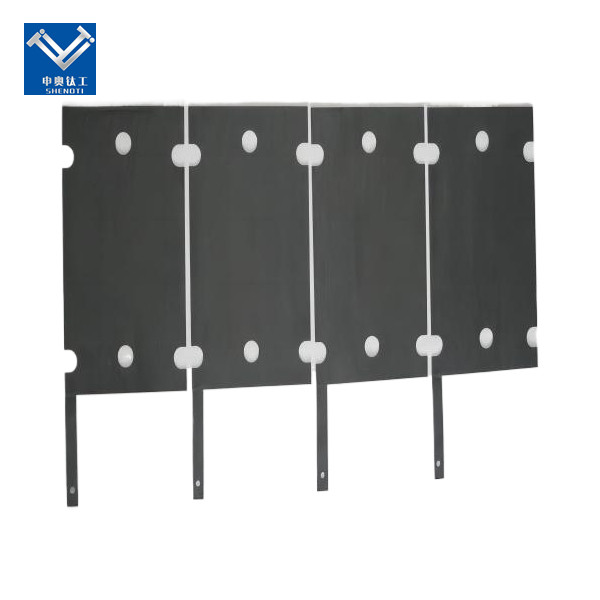
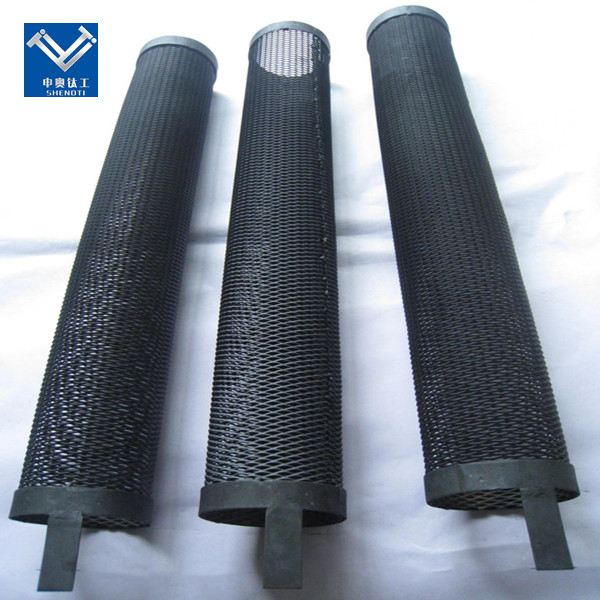
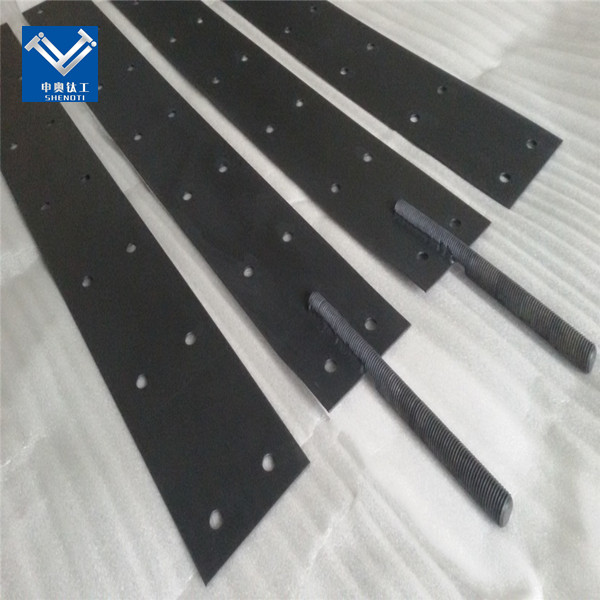
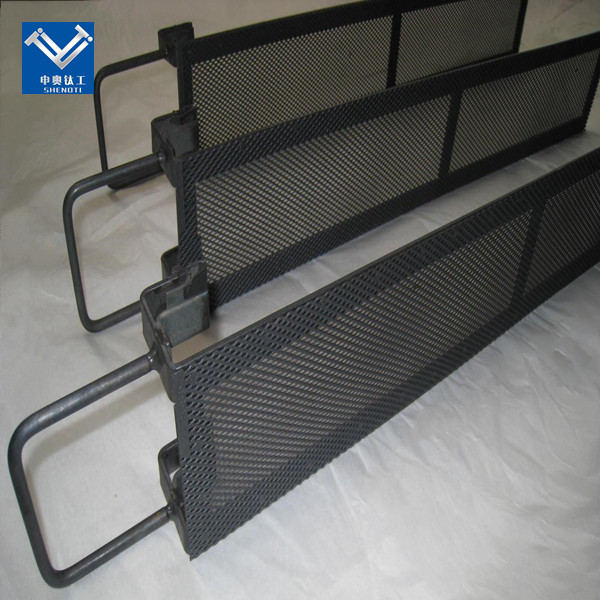
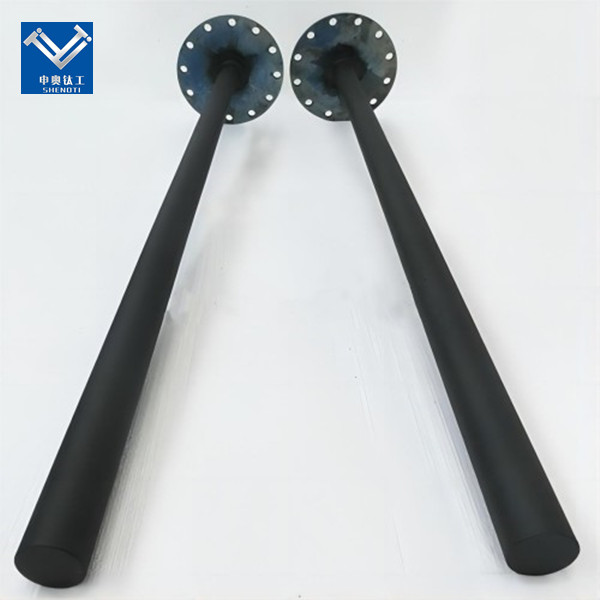
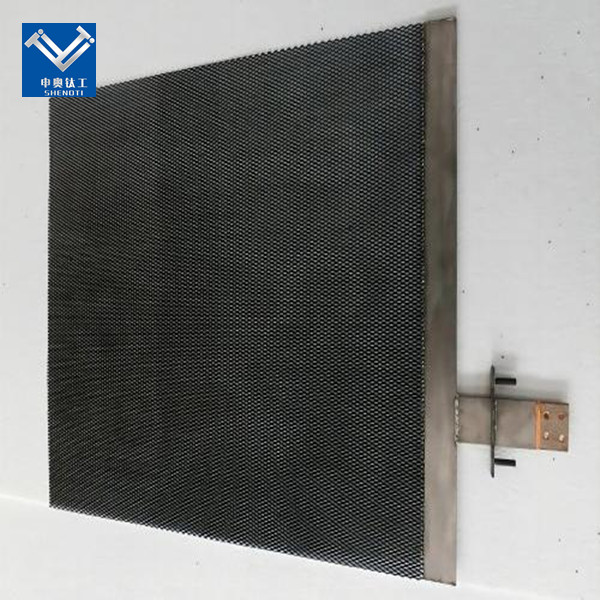
III. Description of Titanium Anode Structure for Electrolytic Disinfection In municipal wastewater electrolytic disinfection systems, common titanium anode structures include: Plate-type titanium anodes, suitable for large electrolytic cells, providing uniform current distribution and easy maintenance; mesh-type titanium anodes, increasing electrode surface area and improving electrolysis efficiency; and tubular titanium anodes, suitable for compact equipment structures.
Titanium anodes for electrolytic disinfection with different structures can be customized according to the wastewater treatment equipment design. IV. The Role of MMO Coating in Wastewater Electrolytic Disinfection The MMO (Mixed Metal Oxide) coating on the surface of titanium anodes for electrolytic disinfection is a crucial technology for ensuring electrode performance.
Common coating systems include: Ruthenium oxide, Iridium oxide, and Titanium oxide composite systems. The main advantages of MMO coatings include: Low chlorine evolution potential, High current efficiency, Strong corrosion resistance, and Long service life. In municipal wastewater electrolytic disinfection systems, high-quality MMO titanium anodes typically have a service life of 3 to 8 years.
V. Advantages of Municipal Wastewater Electrolytic Disinfection Systems
Compared to traditional liquid chlorine or sodium hypochlorite dosing methods, electrolytic disinfection systems offer several advantages:
High Safety: No need to store large quantities of chemical reagents, reducing safety risks.
Low Operating Costs: The titanium anodes used in electrolytic disinfection have a long lifespan, resulting in low maintenance costs.
High Automation: The system can operate automatically and be remotely monitored.
Good Environmental Performance: Reduces transportation and chemical reagent usage.
More and more municipal wastewater treatment plants are adopting electrolytic disinfection technology.
VI. Key Considerations for Selecting Titanium Anodes for Electrolytic Disinfection
In municipal wastewater treatment projects, selecting suitable titanium anodes for electrolytic disinfection is crucial.
The following factors should be considered during selection:
Current density requirements
Electrolytic cell dimensions
Wastewater salinity and chloride ion content
Equipment uptime
Proper selection can improve system operating efficiency and extend the lifespan of the electrolytic disinfection titanium anodes.
VII. Application Prospects of Municipal Wastewater Electrolytic Disinfection Systems
With the continuous expansion of urban wastewater treatment scale, electrolytic disinfection technology has broad application prospects in the municipal environmental protection field. Titanium anodes for electrolytic disinfection are the main material in the system, and their technological level and production quality directly affect the stability of the entire electrolytic disinfection system.
In the future, with the continuous improvement of electrode material technology, high-performance electrolytic disinfection titanium anodes will play an even more important role in fields such as wastewater treatment, industrial wastewater treatment, and reclaimed water utilization.


YOU MAY LIKE