Analysis of Titanium Anode Applications in Swimming Pool Electrolytic Disinfection | Explanation of Core Electrodes in Swimming Pool Electrolytic Disinfection Systems
2026-03-11 11:16:18
With increasingly stringent public health requirements, traditional swimming pool disinfection methods (such as manual addition of disinfectants) are gradually being replaced by safer and more stable electrolytic disinfection technology. In swimming pool circulating water treatment systems, the titanium anode for electrolytic disinfection is a key component for achieving chlorine production and disinfection. Its performance directly affects the disinfection effect, equipment operational stability, and maintenance costs.
I. Working Principle of Swimming Pool Electrolytic Disinfection Systems
Swimming pool electrolytic disinfection systems typically employ low-concentration brine electrolysis technology to generate effective chlorine for water disinfection.
An appropriate amount of sodium chloride (NaCl) is added to the electrolytic cell. When direct current passes through the cell, the titanium anode undergoes an oxidation reaction:
Anode Reaction:
2Cl⁻ → Cl₂ + 2e⁻
The generated chlorine dissolves in water to form hypochlorous acid (HOCl) and hypochlorite ions (ClO⁻). These two substances have extremely strong bactericidal capabilities, effectively eliminating bacteria, viruses, and algae in the water.
II. Structural Composition of Titanium Anodes for Swimming Pool Electrolytic Disinfection
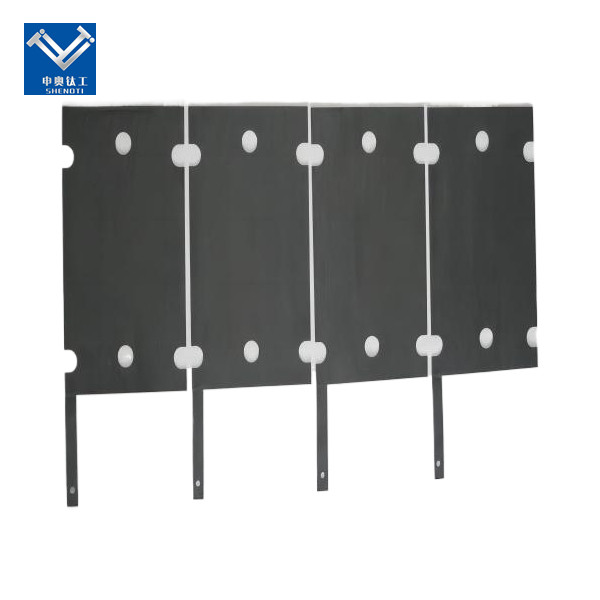
The titanium anode for swimming pool electrolytic disinfection consists of two parts: a titanium substrate and a noble metal oxide coating.
1. Titanium Substrate
The substrate uses industrial pure titanium TA1 or TA2, which has the following characteristics:
Excellent corrosion resistance
Stable electrical conductivity
High mechanical strength
No deformation during long-term operation
Titanium does not corrode in the electrolytic environment, making it an ideal substrate material for electrolytic anodes.
2. MMO Noble Metal Coating
The surface of the titanium anode for swimming pool electrolytic disinfection is coated with an MMO noble metal oxide coating, such as:
Ruthenium oxide
Iridium oxide
This composite coating has extremely high chlorine evolution catalytic activity, reducing electrolysis voltage, improving current efficiency, and extending electrode lifespan.
Electrolytic disinfection titanium anodes typically employ a multi-layer coating process, forming a stable coating through high-temperature sintering, ensuring it does not peel off or pulverize during long-term operation.
III. Application Advantages of Titanium Anodes for Swimming Pool Electrolytic Disinfection
Compared to traditional disinfection methods, swimming pool electrolytic disinfection systems using titanium anodes have significant advantages.
1. Stable Disinfection Effect: The electrolytic disinfection system continuously generates hypochlorous acid, maintaining a stable residual chlorine concentration in the water and ensuring long-term safety of the swimming pool water.
2. Reduced Chemical Reagent Use: Traditional swimming pools require periodic addition of chlorine tablets or liquid chlorine, while the electrolytic disinfection system can generate chlorine on-site, significantly reducing the risks associated with chemical storage and transportation.
3. High Degree of Automation: The electrolytic disinfection equipment can be integrated with the circulating water treatment system to automatically control the residual chlorine concentration, reducing manual maintenance.
4. Lower Operating Costs: Although the initial investment for the electrolytic disinfection titanium anode is slightly higher, its long service life and low maintenance costs make the overall operating cost more advantageous.
IV. Key Considerations for Selecting Titanium Anodes for Swimming Pool Electrolytic Disinfection
Selecting the right titanium anode is crucial in the design of a swimming pool electrolytic disinfection system.
The following factors should be considered:
1. Current Density
Current density directly affects electrolysis efficiency and anode lifespan.
It is generally recommended to control the current density at:
500–1500 A/m². Excessive current density will accelerate coating wear and shorten the lifespan of the electrolytic disinfection titanium anode.
2. Electrolytic Cell Structure
Swimming pool electrolytic disinfection equipment uses:
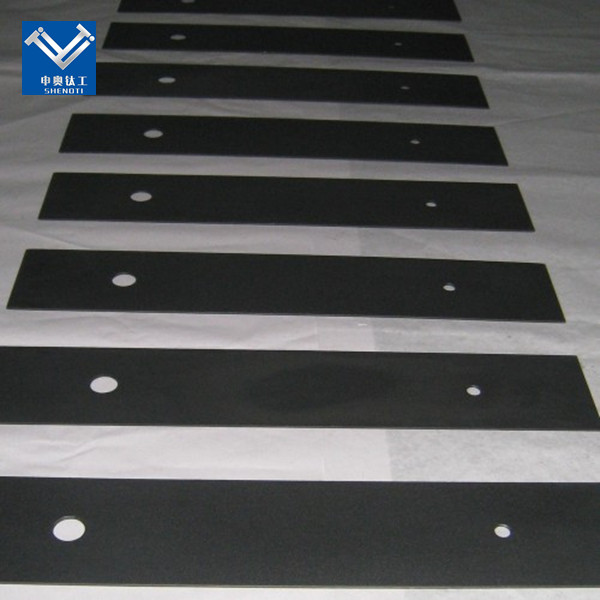
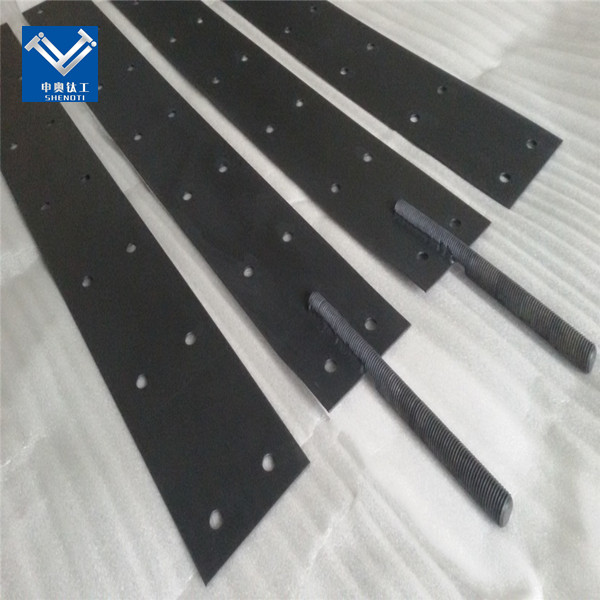
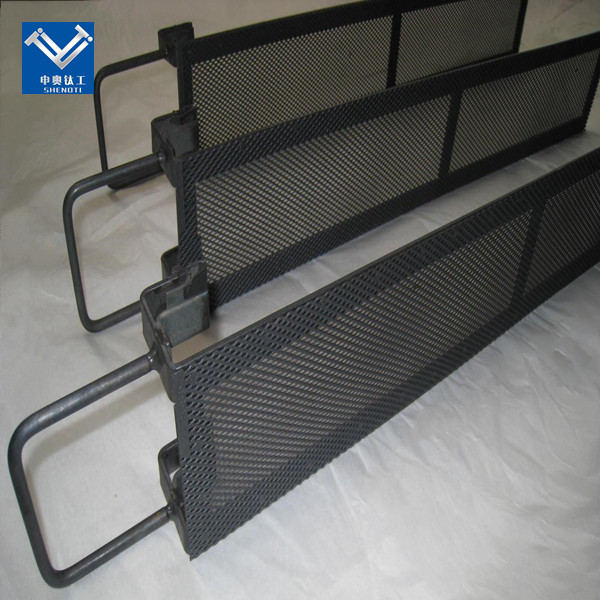
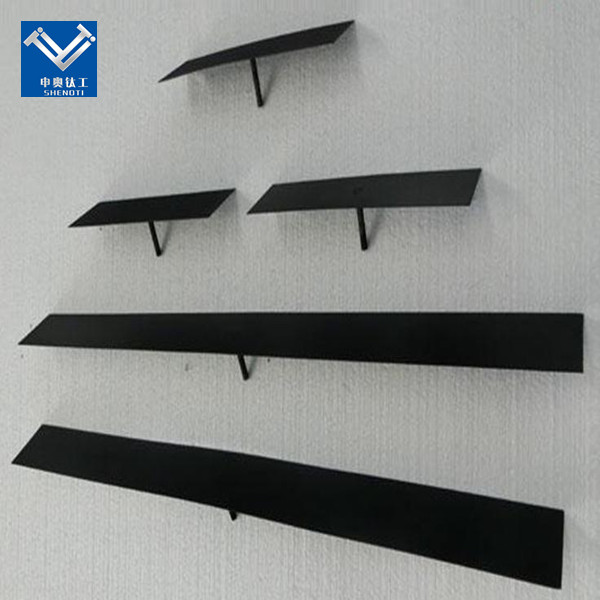
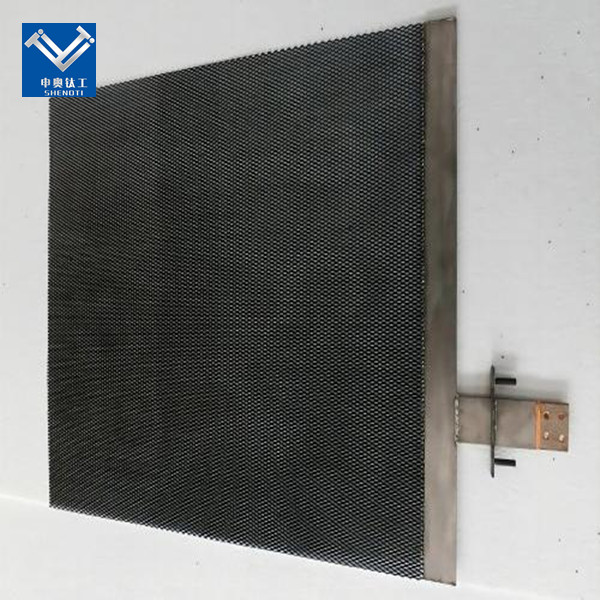
Plate-type titanium anodes
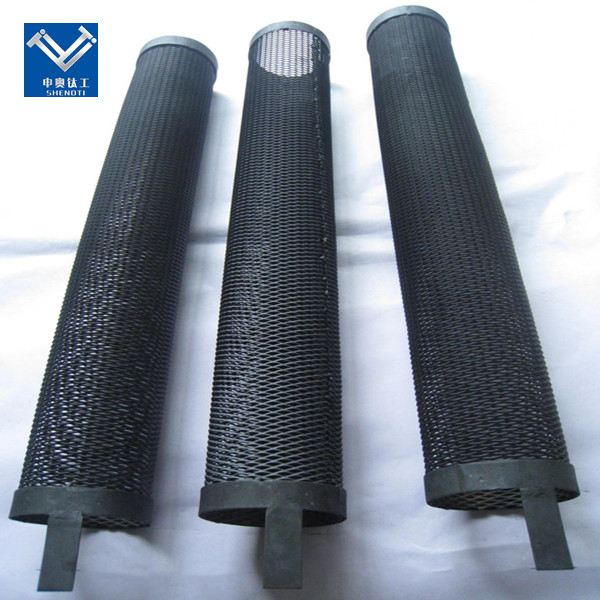
Mesh-type titanium anodes. A reasonable electrode structure ensures uniform current distribution and improves electrolysis efficiency.
3. Salinity Control
Swimming pool electrolytic disinfection systems generally maintain a salinity of:
3000–5000 ppm. Appropriate salt concentration can improve electrolysis efficiency while reducing energy consumption.
4. Anode Lifespan Requirements
High-quality MMO-coated electrolytic disinfection titanium anodes can achieve a lifespan of:
3–5 years in swimming pool applications. The specific lifespan depends on operating time, current density, and water quality conditions. V. Common Problems with Titanium Anodes for Electrolytic Disinfection in Swimming Pools
During actual operation, several factors can affect the performance of the electrolytic disinfection system.
1. Decreased Electrolysis Efficiency
Possible causes include:
Electrode surface contamination
Insufficient salinity
Abnormal current density
Regular maintenance and proper parameter control can effectively prevent this problem.
2. Shortened Anode Lifespan
Main causes include:
Long-term overload operation
Excessive water impurities
Unstable coating quality
Choosing products from professional electrolytic disinfection titanium anode manufacturers can improve equipment stability.
In modern swimming pool water treatment systems, electrolytic disinfection technology has become an important development trend. Titanium anodes, as the main electrode material in the electrolysis system, directly affect disinfection efficiency and equipment lifespan.
Selecting high-quality electrolytic disinfection titanium anodes and scientifically designing them according to the swimming pool size and circulating water treatment parameters can effectively improve the safety level of swimming pool water and reduce long-term operating costs.
For swimming pool water treatment equipment manufacturers or engineering companies, cooperating with professional electrolytic disinfection titanium anode manufacturers and customizing suitable anode structures according to actual working conditions is an important condition for ensuring stable system operation.


YOU MAY LIKE