Electrolytic Disinfection Solutions for Food Processing Plants | Application of Titanium Anodes for Electrolytic Disinfection in the Food Processing Industry
2026-03-12 10:56:31
With increasingly stringent food safety standards, food processing companies are placing higher demands on the disinfection of their production environment, water sources, and equipment. Traditional chemical disinfection methods suffer from transportation and storage risks, unstable dosage, and high long-term costs. More and more food processing plants are adopting electrolytic disinfection systems, using titanium anodes for electrolytic disinfection to prepare hypochlorous acid disinfectant on-site, achieving safe, stable, and efficient sterilization.
I. Why Do Food Processing Plants Need Electrolytic Disinfection Systems?
Water disinfection and equipment hygiene control are crucial in food processing. Incomplete disinfection can easily lead to bacterial growth, food contamination, affecting product quality and even causing food safety issues.
Common disinfection needs in food processing plants include:
* Raw material cleaning water disinfection
* Production equipment cleaning and disinfection
* Pipeline circulating water disinfection
* Floor and operating environment disinfection
* Cooling circulating water disinfection
Traditional disinfection methods often use liquid chlorine or finished sodium hypochlorite, but these present problems such as transportation hazards, unstable storage, and difficulty in controlling disinfection concentration. In contrast, electrolytic disinfection systems generate disinfectant on-site through the electrolysis of brine, offering higher safety and lower operating costs.
The titanium anode used in electrolytic disinfection is the primary electrode material in the system, directly impacting disinfection efficiency and equipment stability.
II. Working Principle of Electrolytic Disinfection Systems Food processing plant electrolytic disinfection systems use brine as a raw material. Under direct current, effective chlorine is generated through the titanium anode, achieving sterilization.
The basic reaction process is as follows:
On the anode surface, chloride ions are oxidized to generate chlorine gas:
2Cl⁻ → Cl₂ + 2e⁻
The generated chlorine gas dissolves in water to form hypochlorous acid (HOCl). Hypochlorous acid has extremely strong oxidizing power, rapidly killing bacteria, viruses, and microorganisms.
Advantages of the hypochlorous acid disinfectant produced by the electrolytic disinfection system:
High sterilization efficiency
No harmful residues
Continuous online production
Stable disinfection concentration
Therefore, it is widely used in the food processing industry.
III. The Role of the Titanium Anode in the Electrolytic Disinfection System
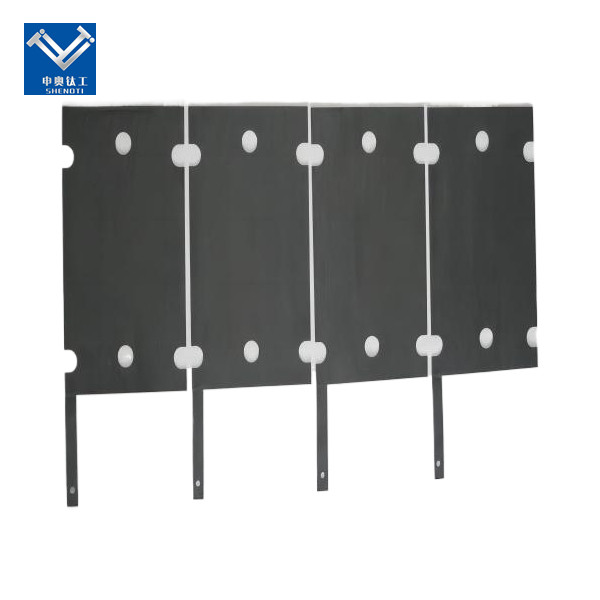
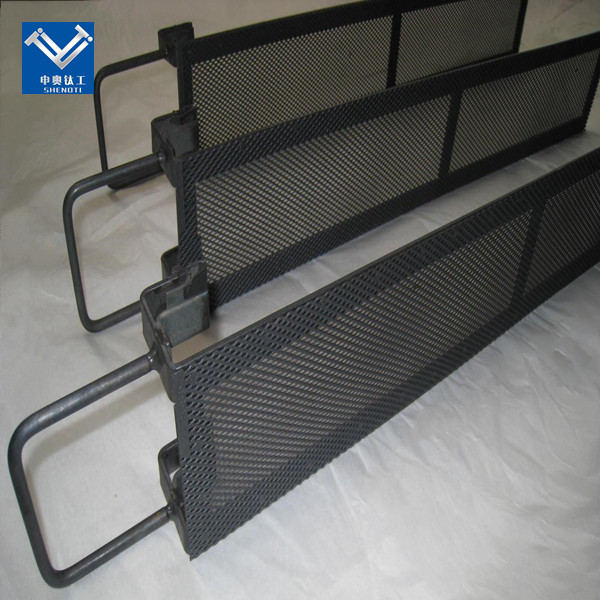
In the entire electrolytic disinfection system, the titanium anode plays a crucial role in the chlorine evolution reaction. The performance of the anode material directly affects: chlorine production efficiency, power consumption, equipment stability, and service life. Electrolytic disinfection titanium anodes use industrially pure titanium as the substrate, coated with an MMO noble metal oxide coating, such as a ruthenium-iridium coating system.
This structure has the following characteristics: high chlorine production efficiency, strong resistance to chlorine corrosion, good electrode stability, and long service life. Compared to traditional graphite anodes or ordinary metal electrodes, electrolytic disinfection titanium anodes can have a service life of 3 to 8 years, significantly reducing equipment maintenance costs.
IV. Composition of an Electrolytic Disinfection System in a Food Processing Plant
A complete electrolytic disinfection system for a food processing plant consists of the following components:
1. Brine Preparation System: Dissolves industrial salt into a brine solution of a specific concentration.
2. Electrolytic Cell System: The electrolytic cell contains titanium anodes and cathodes for electrolytic disinfection, generating effective chlorine under direct current.
3. Power Control System: Controls current, voltage, and operating parameters to ensure a stable electrolysis process.
4. Disinfectant Storage and Dosing System: Delivers the generated hypochlorous acid disinfectant solution to the process stages requiring disinfection.
V. Common Application Scenarios in Food Processing Plants
Electrolytic disinfection systems are used in the food processing industry in the following scenarios:
* Raw Material Cleaning and Disinfection: During the cleaning of raw materials such as vegetables, fruits, and aquatic products, hypochlorous acid disinfectant can effectively remove bacteria and pesticide residues.
* Equipment and Pipeline Disinfection: Food production equipment and pipelines require regular disinfection; electrolytic disinfectant can quickly kill bacteria and reduce chemical residues.
* Floor and Production Environment Disinfection: In the disinfection of food processing workshop environments, electrolytic disinfectant can be sprayed, offering higher safety.
Cooling Water Disinfection
Cooling water systems in food processing equipment are prone to bacterial growth. Electrolytic disinfection systems can continuously inhibit microbial growth.
VI. Key Considerations for Selecting Titanium Anodes for Electrolytic Disinfection
Selecting the right titanium anode is crucial in the design of an electrolytic disinfection system for a food processing plant. The following factors should be considered during selection:
Current Density
Excessive current density will accelerate coating wear and affect the lifespan of the electrolytic disinfection titanium anode.
Brine Concentration
Brine concentration directly affects chlorine production efficiency and needs to be matched with the electrolytic anode.
Operating Time
Food processing plants typically operate in continuous production modes, therefore, long-life electrolytic disinfection titanium anodes are required.
Electrode Structure
Depending on the structure of the electrolytic cell, the following can be selected:
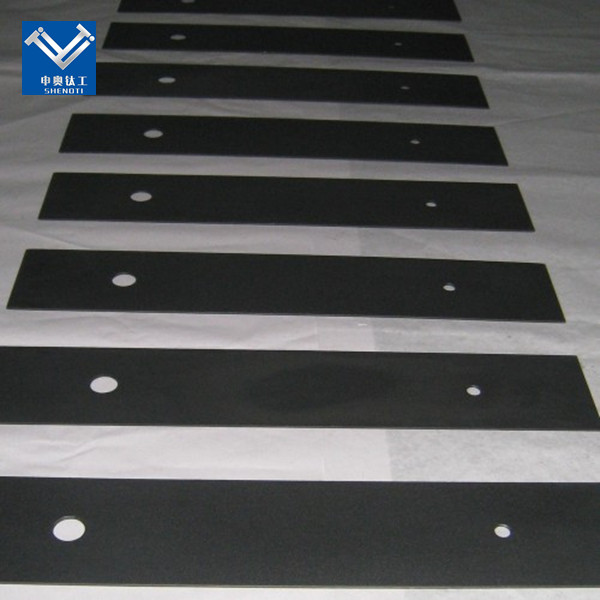
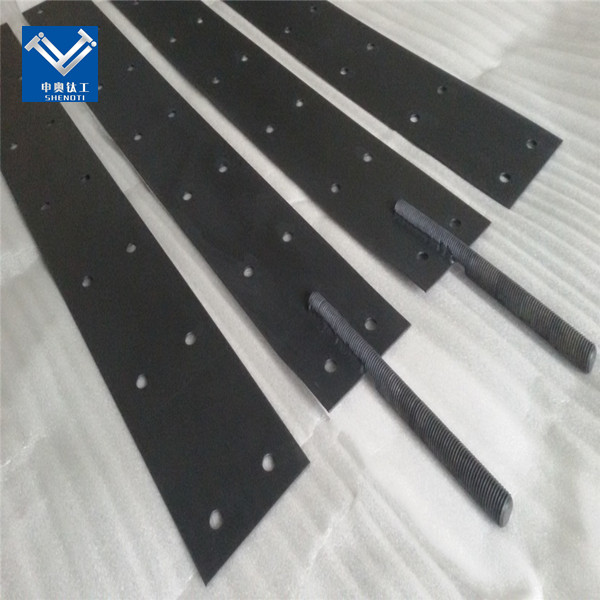
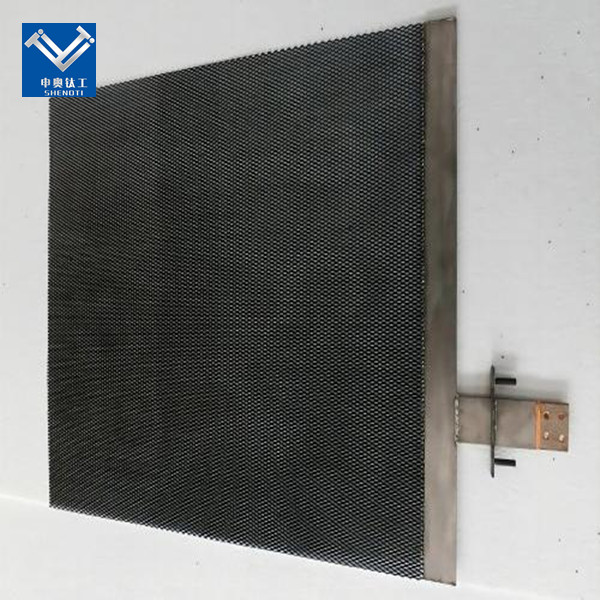
Plate-type electrolytic disinfection titanium anode
Mesh-type electrolytic disinfection titanium anode
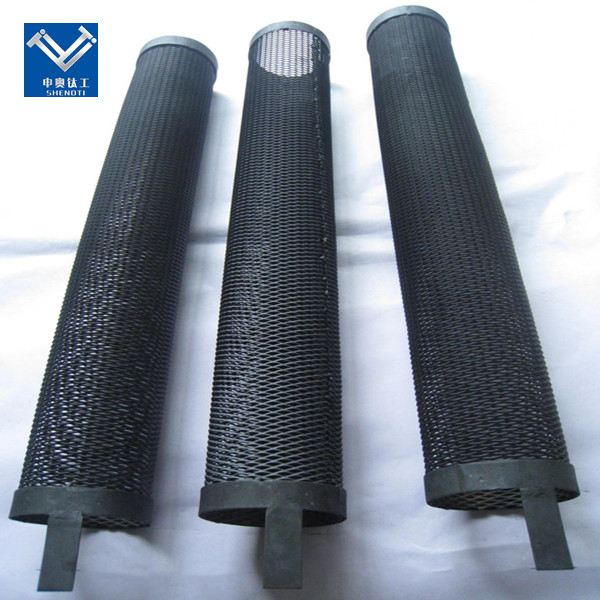
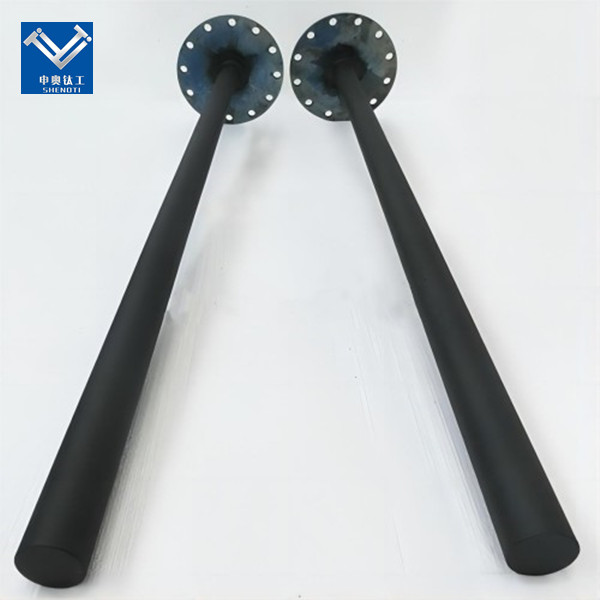
Tube-type electrolytic disinfection titanium anode
A well-designed structure can improve electrolysis efficiency.
VII. Advantages of Electrolytic Sterilization Systems in the Food Industry
Compared to traditional sterilization methods, electrolytic sterilization systems offer significant advantages for food processing plants:
* No need to transport hazardous chemicals
* Safer on-site preparation of sterilizing solution
* Low operating costs
* Stable sterilization efficiency
* High degree of automation.
Therefore, an increasing number of food processing enterprises are choosing titanium anode systems for electrolytic sterilization for production sterilization.
With increasingly stringent food safety regulations, food processing plants have higher and higher requirements for sterilization technology. Electrolytic sterilization systems, with their advantages of safety, stability, and economy, have become an important sterilization technology in the food processing industry.
Titanium anodes for electrolytic sterilization are a key component of the system; the quality of the materials and the manufacturing process directly affect the equipment's operating performance. Choosing a reliable titanium anode manufacturer for electrolytic sterilization can ensure stable system operation and effectively reduce long-term operating costs.


YOU MAY LIKE