Titanium Electrode for Salt Chlorinator in Industrial Wastewater Advanced Oxidation
2026-06-04 16:01:59
For engineers and operators managing industrial wastewater, dealing with stubborn organic pollutants that resist conventional biological treatment is a constant challenge. Advanced oxidation processes that use electrochemistry offer a powerful answer, and at the heart of this technology is the titanium electrode for salt chlorinator. As a specialized DSA anode for chloride electrolysis, it provides a practical route to break down complex contaminants into simpler, harmless substances, helping facilities meet discharge requirements without relying solely on bulk chemicals.
The Challenge of Saline Wastewater Treatment
A significant portion of industrial wastewater, from sectors like textile dyeing, chemical manufacturing, and landfill leachate, contains not only high organic loads but also considerable chloride salts. This creates a uniquely aggressive environment for treatment equipment. An anode submerged in this solution must do two things well: resist corrosion from the chlorides and efficiently catalyze the reactions that produce cleaning agents.
Conventional anodes have their downsides here. Graphite can wear away, and lead-based anodes carry the risk of leaching metal ions into the water—a problem you don't want to trade for the original pollution. This is where a titanium electrode for salt chlorinator, correctly specified as a titanium anode for industrial wastewater, proves its worth. It's designed to operate cleanly and stably in exactly these conditions.

How a Titanium Electrode Drives the Advanced Oxidation Process
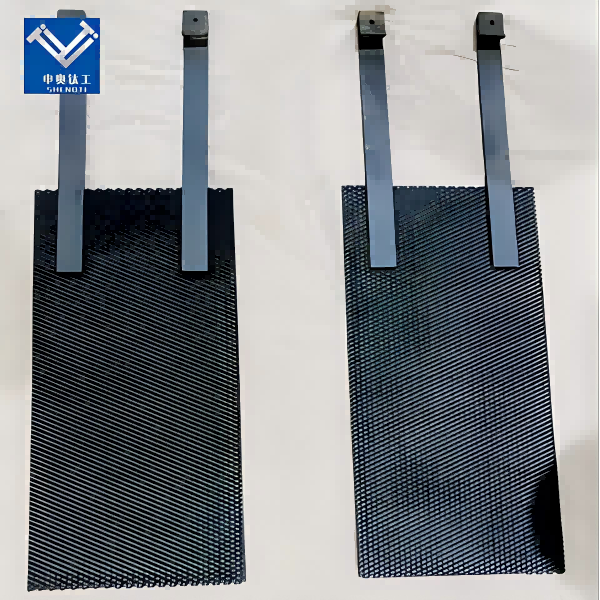
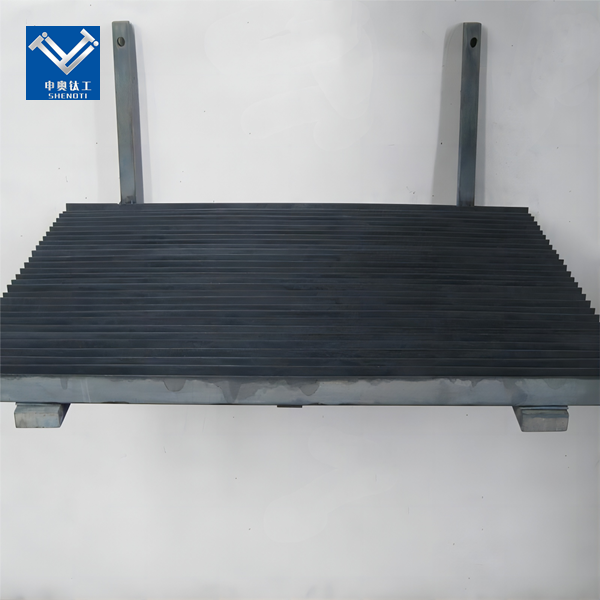
A titanium electrode for salt chlorinator is a Dimensionally Stable Anode built on a titanium substrate with a mixed metal oxide coating. In an electrochemical oxidation cell treating saline wastewater, its job is to facilitate the creation of powerful, short-lived oxidants right in the water.
Here is a simplified breakdown of its role:
When the wastewater, acting as a natural electrolyte due to its salt content, flows through the cell, the titanium electrode triggers two key reactions. First, it directly oxidizes chloride ions at its surface, generating active chlorine species. Second, it can oxidize water molecules to form hydroxyl radicals. These reactive species are the workhorses that then attack and mineralize organic pollutants.
The titanium base ensures the electrode doesn't corrode or change shape, maintaining a consistent gap between the anode and cathode. The catalytic coating is crucial because it lowers the energy required for chlorine and oxygen evolution. This means the titanium electrode for salt chlorinator helps the whole oxidation cell run with better energy efficiency while maintaining reliable output.
Practical Benefits for Your Wastewater Operation
When you integrate a titanium electrode for salt chlorinator into your treatment train, the advantages connect directly to key performance indicators: operational stability, cost management, and simplified treatment processes.
- Stable Operation with Less Downtime: The electrode's ability to withstand a high-chloride, oxidizing environment contributes to a longer operational life. This means fewer shutdowns to replace worn-out anodes and a more predictable treatment process. The consistent electrode geometry also helps maintain stable cell voltage, which is good for power supply management.
- A Smarter Cost Structure: One of the primary draws of this on-site generation approach is the potential to reduce operational costs. Producing oxidants electrochemically directly in the pipe or tank can lower or eliminate the need for purchasing, transporting, and storing commercial chemical oxidants. Combined with lower energy consumption per unit of pollutant removed, the total cost of ownership can become favorable over the electrode's lifespan.
- A Cleaner Treatment Approach: This technology offers a clean process pathway. By using anodes designed to resist dissolution, you sidestep the introduction of secondary metal contaminants into the treated effluent. This inherent material stability simplifies the overall treatment scheme and supports a more straightforward operational narrative.
Related Applications and Technical Homology
The core strength of a titanium electrode for salt chlorinator is its proficiency in controlled chloride electrolysis. This foundational capability opens doors to related water treatment applications beyond complex organic destruction:
- Industrial Cooling Water Treatment: Electrolytic scale prevention and biofouling control can be achieved by installing these anodes in side-stream loops, generating oxidizing agents to keep heat exchangers clean.
- Marine and Onshore Wastewater Management: For treating blackwater or greywater on ships or in remote facilities, the same anode technology can produce an oxidizing solution that effectively reduces microbial counts before discharge.
It's important to see this not as a plug-and-play universal solution, but as a common technical platform. Each water matrix—with its own chloride level, pH, and pollutant profile—will demand a specific anode coating formulation and operational current density. A discussion with the anode provider about your specific water analysis is essential to match the correct product to your needs.
Choosing Your Anode for the Long Term
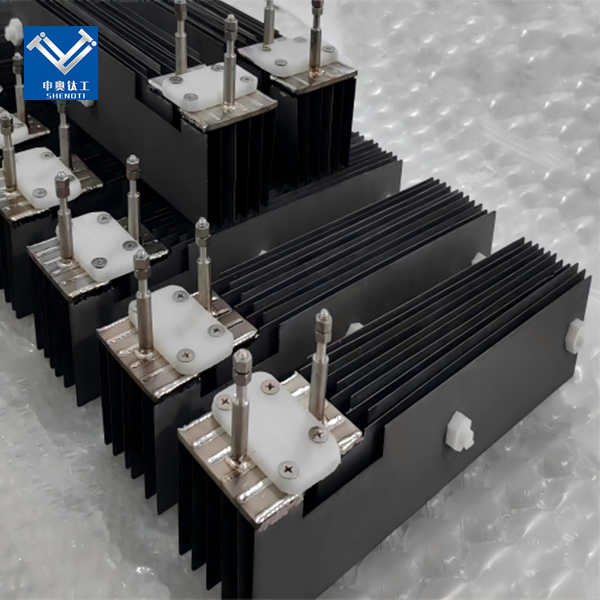
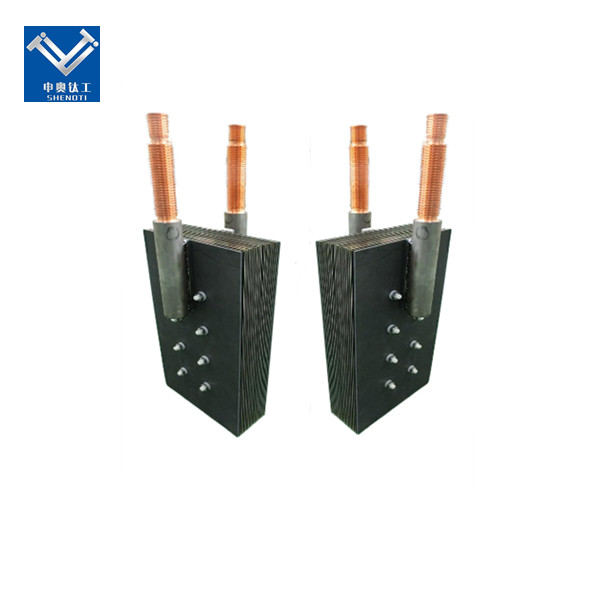
Sourcing a titanium electrode for salt chlorinator is a long-term partnership decision. Look for a supplier who can talk with you about coating selectivity—whether an iridium-based or ruthenium-based oxide mix is better for your specific wastewater's chloride concentration and target pollutant. The physical format of the anode (mesh, plate, or tubular) will also impact the hydraulics and current distribution in your cell.
As industries face tightening wastewater permits and a push towards cleaner chemical practices, electrochemical advanced oxidation using titanium anodes offers a compelling path forward. The electrode is the active core of this system. Making an informed choice here is a direct investment in the reliability, safety, and economic performance of your water treatment infrastructure for years to come.