Titanium Electrode for Salt Chlorinator: Electrodeposition in Copper Recovery from PCB Etching Solutions
2026-06-04 15:29:38
For professionals in metal recycling and hydrometallurgy, the challenge of recovering valuable copper from waste PCB etching solutions while managing corrosive environments is well known. The titanium electrode for salt chlorinator—a type of titanium anode designed for chloride-rich systems—offers a practical pathway for this electrodeposition process. It is built to withstand demanding conditions, providing a balance of operational stability and cost-effectiveness that is drawing attention across the industry.
Why Chloride-Rich Environments Demand Specialized Anodes
Printed circuit board manufacturing uses etching solutions, often based on cupric chloride or acidic cupric chloride. These are highly corrosive, especially when an electrical current is applied during the electrolytic recovery process. Traditional anode materials like graphite or lead alloys can struggle here. They may experience physical erosion, chemical dissolution, or the formation of passive layers. These issues can lead to inconsistent cell voltage, contamination of the recovered copper, and unplanned downtime for electrode replacement.
For a business focused on throughput and product purity, these aren’t just maintenance headaches—they are direct hits to the bottom line. This context sets the stage for a more robust solution: the titanium electrode, which also falls under the broader category of a titanium anode for copper recovery.

The Role of the Titanium Anode for Copper Recovery in Electrodeposition
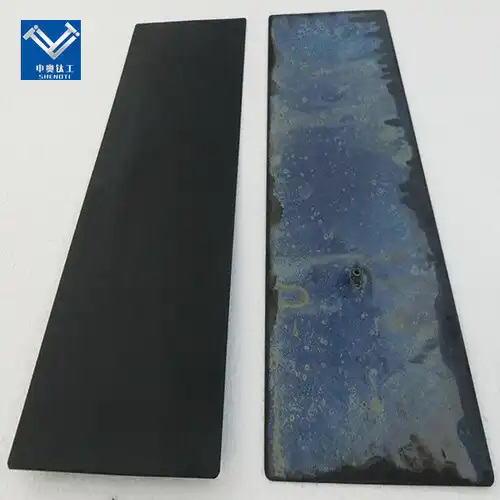
A titanium electrode for salt chlorinator, when applied as a titanium anode for copper recovery, is typically a Dimensionally Stable Anode. It consists of a titanium substrate, prized for its corrosion resistance in chloride media, coated with a mixed metal oxide layer. This coating, often containing precious metals like iridium or ruthenium, provides catalytic properties.
In the electrodeposition cell, here's what happens:
The used etching solution acts as the electrolyte. When current flows, the titanium anode facilitates the primary anodic reaction, which might be oxygen or chlorine evolution, depending on the specific bath chemistry. This reaction provides the necessary electrons to drive the reduction of copper ions at the cathode, where they deposit as a solid, high-purity metallic layer.
The key contribution of the coated titanium anode is its dimensional stability. Unlike graphite, which swells and disintegrates, it maintains its shape and inter-electrode gap. This stability helps to keep the electrical resistance consistent over time, a crucial factor for energy management and uniform copper plating on the cathode.
Practical Advantages for Your Copper Recovery Operation
When you evaluate a titanium electrode for salt chlorinator as a DSA anode for chloride electrolysis in your copper recovery line, the benefits align with core business goals: consistent output, cost management, and regulatory compliance.
- Operational Consistency and Reduced Hustle: The electrode's resistance to chloride attack means it can operate for extended periods without significant degradation. This translates into longer campaigns between maintenance shutdowns. The ability to run at moderate to high current densities without rapid wear can also contribute to increased throughput of your existing electrodeposition cells.
- A Closer Look at Total Cost of Ownership: While the purchase price is an obvious consideration, the long-term economics often tell a different story. A titanium anode's extended service life reduces the frequency of replacement purchases and the labor involved in changeouts. Furthermore, by eliminating graphite sludge or lead contamination, you preserve the purity of your recovered copper cathode, which is a direct revenue source. The regenerated etching solution can also be recirculated back into the PCB production process, saving on both raw chemicals and waste treatment expenses.
- Navigating Environmental Compliance: Efficient recovery of copper from waste streams contributes to minimizing the volume of heavy metals discharged. Using a clean electrode that doesn't introduce secondary pollution (like dissolved lead) can help your facility stay ahead of environmental standards, simplifying waste management reporting and potential liability.
Cross-Industry Relevance and Technical Homology
It is important to accurately position this product’s core competence. The proven stability of the titanium electrode for salt chlorinator in concentrated chloride solutions makes it a candidate worth investigating for other demanding electrochemical processes. The fundamental technology, often classified under DSA anode for chloride electrolysis, shares common ground with applications in:
- Cathodic Protection Systems: Protecting marine structures or underground pipelines where impressed current anodes face saline soils or seawater.
- Electrowinning of Other Metals: Recovering metals like nickel or cobalt from chloride-based leach solutions.
- Seawater Electrolysis: On-site generation of sodium hypochlorite for biofouling control.
This does not imply immediate suitability, but rather a shared technical lineage. Any new application would require thorough testing in the specific working conditions. This cross-scenario potential is a testament to the core material's robustness in chloride chemistry, but the product’s documented use in PCB copper recovery remains its most established benchmark.
Selecting a Supplier for Your Needs
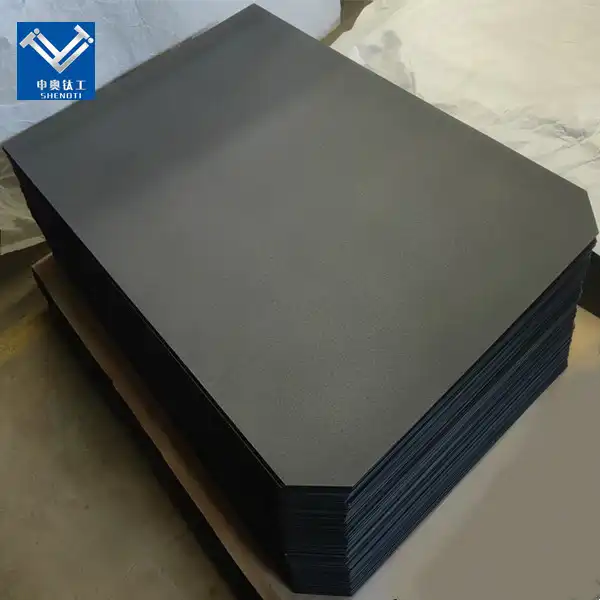
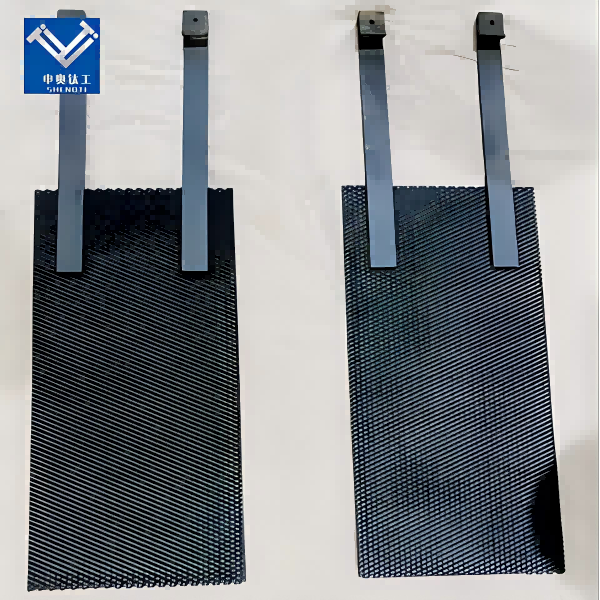
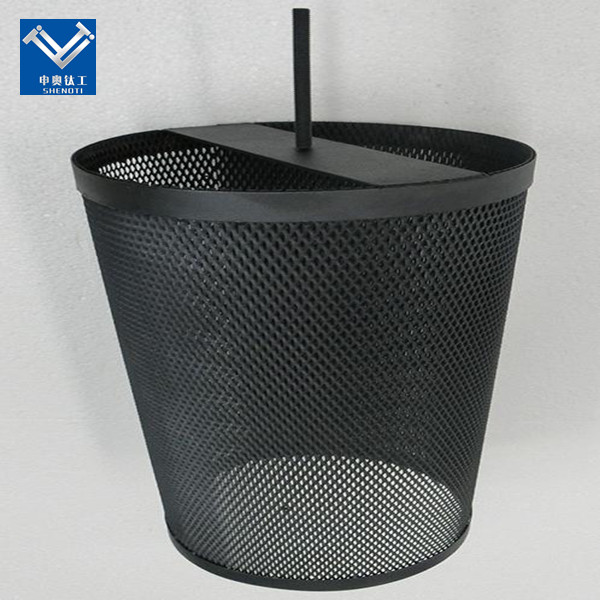
When sourcing a titanium electrode for salt chlorinator as a titanium anode for copper recovery, a product-centric approach is vital. Engage with suppliers who can discuss the relationship between coating composition and your specific electrolyte chemistry (e.g., copper concentration, acid level, and temperature). The anode's physical design—whether it is a mesh, plate, or tube—should be customized to suit your existing cells and flow dynamics. The goal is to optimize current distribution and mass transport for your unique setup, not to find a one-size-fits-all answer.
As the electronics industry grows and circular economy principles become embedded in manufacturing, the role of efficient, durable, and clean electrode technology in metal recovery becomes more central. The titanium electrode is a considered choice for operations looking to improve the resilience and economic logic of their copper recovery circuit.