Titanium Anode for Energy-Efficient On-Site Drinking Water Disinfection Generation
2026-06-24 09:46:04
Municipal water supply systems, particularly water treatment facilities in small to medium-sized communities and remote areas, face safety risks and logistical cost pressures associated with the transportation and storage of liquid chlorine or commercial sodium hypochlorite. On-site disinfection generation technology based on electrolysis principles, using naturally occurring chloride ions in water or a small amount of added salt as raw material to produce active chlorine disinfectant on demand, is emerging as an alternative to traditional chemical dosing approaches. The titanium anode for electrolytic disinfection generation serves as the core electrochemical component enabling this technical pathway.
On-Site Generation: Shifting from Chemical Dependence to On-Demand Production
Traditional drinking water disinfection solutions require regular procurement, transportation, and storage of liquid chlorine or sodium hypochlorite solution. Liquid chlorine is classified as a hazardous chemical, with its transportation and storage subject to stringent regulatory oversight. For small to medium-sized water plants in remote areas, logistical costs and safety management burdens are particularly pronounced. While commercial sodium hypochlorite is relatively safer, its available chlorine content continuously declines during prolonged storage, affecting the reliability of dosing precision.
On-site electrolytic generation technology uses electric current and chloride ions present in water as fundamental inputs, producing active chlorine species such as hypochlorous acid in situ on the anode surface. The chlorine generation rate can be precisely controlled by adjusting the electrolysis current, enabling on-demand production of disinfectant and helping to avoid potency loss during storage and overdosing issues associated with commercial chemicals. The system can be started and stopped flexibly, automatically adjusting chlorine output according to real-time variations in water supply flow rate, maintaining disinfection effectiveness while controlling operational energy consumption. Actual chlorine generation efficiency and energy consumption levels vary depending on influent chloride ion concentration, water temperature, and system design.
Performance varies based on specific operating conditions. Actual results depend on influent water quality and operating parameters.

Electrode Energy Efficiency: The Logic of Low Overpotential Coatings for Power Savings
The operating cost of on-site electrolytic disinfection systems is primarily composed of electricity consumption, and the chlorine evolution overpotential of the anode is the key variable determining energy consumption levels. The higher the overpotential, the greater the DC power consumption per unit of active chlorine produced, directly driving up operational costs.
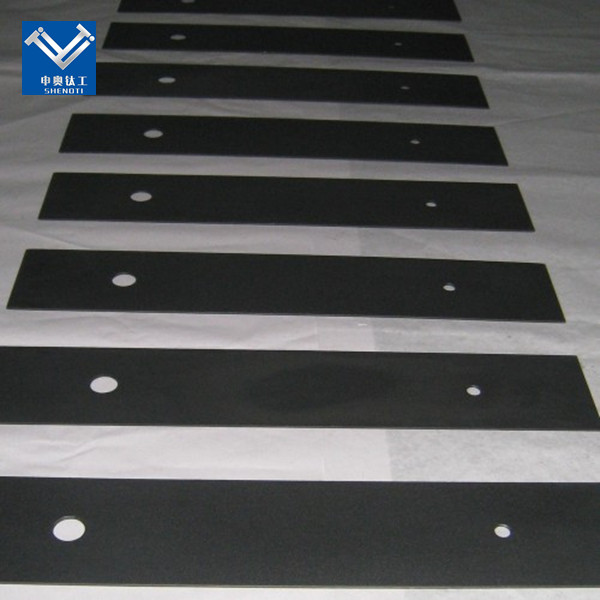
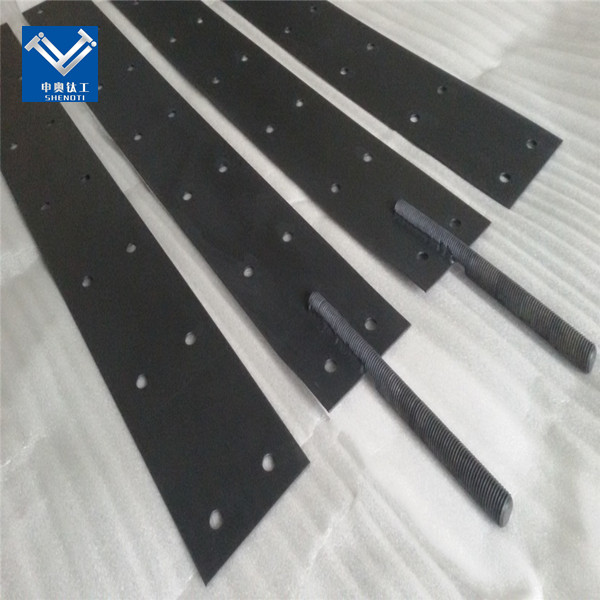
The titanium anode for electrolytic disinfection generation reduces chlorine evolution overpotential through coating formulation optimization. The electrode employs high-purity titanium as the substrate, coated with metal oxide active layers such as IrO₂ and RuO₂. RuO₂ exhibits a relatively low overpotential for the chlorine evolution reaction and serves as the primary carrier of chlorine evolution activity; the introduction of IrO₂ can enhance the electrochemical stability of the coating during long-term operation, delaying performance decay. Through synergistic modulation of composition ratios and microstructure, the coating tends to maintain a relatively low chlorine evolution overpotential under typical drinking water disinfection conditions, contributing to reduced cell voltage at a given current density and lower DC power consumption per unit of active chlorine produced. Even at low influent chloride ion concentrations, the electrode can maintain relatively stable chlorine evolution efficiency, supporting economical operation under low-salt or no-additional-salt conditions. Actual energy savings vary depending on influent water quality, target chlorine output, and operating mode.
Engineering Adaptability for the Municipal Water Supply Market
In the overseas municipal drinking water market, particularly in water supply systems of small to medium-sized communities and remote areas, requirements for the safety, autonomy, and total lifecycle economics of disinfection technology continue to rise. The engineering value of the titanium anode for electrolytic disinfection generation in this market lies in combining on-site on-demand production with low-overpotential energy-efficient operation.
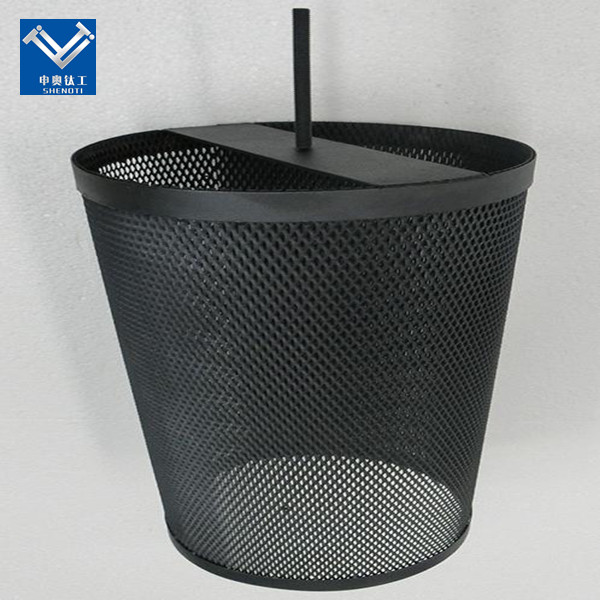
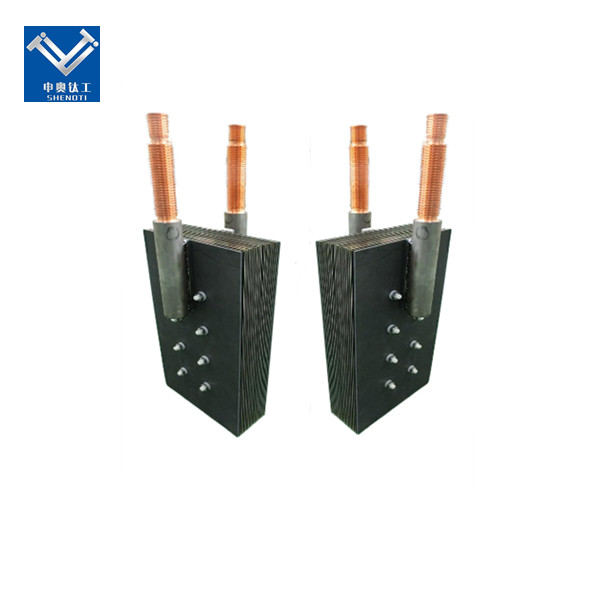
On-site generation solutions circumvent the transportation and storage of hazardous chemicals, reducing the safety management complexity and compliance pressure for water plants. The system uses electricity and water as basic inputs, making it suitable for deployment in areas with limited logistics conditions or relatively stable power supply. Our titanium anode products, built on high-purity titanium substrates and coated with metal oxide systems such as IrO₂ and RuO₂, can be customized into plate, mesh, tubular, and other geometric configurations to suit online electrolytic disinfection devices of different scales.
We recommend that municipal water authorities and water treatment equipment integrators conduct pilot validation of titanium anodes for electrolytic disinfection generation based on their source water chloride ion content, water supply scale, and disinfection objectives. By tracking indicators such as chlorine generation efficiency, unit energy consumption, disinfection effectiveness, and long-term electrode operating performance, the technical compatibility and total lifecycle economics of the on-site electrolytic disinfection solution in specific application scenarios can be evaluated.
Important Note: The performance descriptions above are based on engineering experience under specific test conditions or internal test data. Differences may exist between laboratory results and actual operating conditions. Actual chlorine generation efficiency, energy consumption levels, working life, and disinfection effectiveness vary depending on source water quality, chloride ion concentration, temperature, operating parameters, and system design. This product is a drinking water treatment equipment component, and its suitability for drinking water disinfection must be verified by the user according to local drinking water safety regulations and relevant standards. Sufficient compatibility validation prior to bulk procurement is recommended.
Titanium Anode Manufacturer
Email: zh@baojiti.com.cn
Products: Titanium Anodes, MMO Titanium Anodes, DSA Coated Titanium Electrodes, Electrolysis Electrodes, Hydrogen Production Electrodes, Wastewater Treatment Titanium Anodes.