Titanium Anode for Electrochemical Water-treatment in Electrocoagulation Demulsification: Restoring Machining Cutting Fluid Wastewater
2026-06-08 09:18:36
Machining operations generate cutting fluid wastewater containing high concentrations of emulsified oils, surfactants, and heavy metal ions, classifying it as a challenging industrial effluent. Traditional chemical demulsification requires continuous reagent dosing and produces substantial oily sludge, creating both disposal costs and environmental compliance burdens. In this context, electrocoagulation based on electrochemical principles is emerging as an engineering alternative, with the titanium anode for electrochemical water treatment as its core functional component.
Electrochemical Demulsification in Oily Wastewater
The treatment challenge of cutting fluid wastewater lies in its stable oil-in-water emulsion system. Surfactants form a charged double layer around oil droplets, causing mutual repulsion and long-term suspension. Electrocoagulation disrupts this stable state through an applied electric field.
In an electrochemical unit with a titanium anode at its core, the anode works in conjunction with soluble counter electrodes to release metal ions into the wastewater. These ions rapidly hydrolyze, forming hydroxyl complexes with high specific surface area. Through mechanisms including sweep coagulation, adsorption bridging, and charge neutralization, these nascent flocs compress and destabilize the double layer structure on oil droplet surfaces, promoting droplet aggregation and subsequent phase separation. Concurrently, reactive oxygen species generated at the titanium anode surface can oxidize dissolved organic matter, achieving simultaneous demulsification and COD reduction.

Anti-Fouling Coating Design
Oily, high-turbidity wastewater places stringent demands on electrodes. Conventional electrodes are prone to passivation through organic fouling in such environments. Our titanium anode for electrochemical water treatment employs high-purity titanium (Gr1 or Gr2) as the substrate, coated with noble metal oxide active layers formulated with IrO₂–RuO₂, Pt, or Ta₂O₅–IrO₂ systems.
The core consideration behind this coating design is maintaining electrode activity in oily water matrices. The coating surface exhibits a relatively low tendency toward organic adsorption, helping preserve active site accessibility and enabling the electrode to maintain relatively stable current efficiency during extended operation. The passive film formed on the titanium substrate under anodic polarization also provides structural integrity in complex water chemistries.
Simplified Operational Economics
Electrocoagulation uses electric current to generate active coagulating species in situ through electrochemical reactions. This working principle allows for a streamlined system configuration and simplified daily operation.
Operators primarily monitor electrical parameters such as current and voltage, making routine maintenance procedures relatively straightforward. Additionally, electrocoagulation typically produces lower sludge volumes than chemical demulsification, with relatively lower oil content in the sludge cake, potentially reducing subsequent dewatering and disposal costs. Under appropriate current density and electrode configuration, titanium anode working life can extend for an extended period (depending on specific operating conditions and water quality), lengthening replacement intervals and aligning with industrial users' preference for low-maintenance operation.
Compliance Adaptability for Export Markets
In the EU and North American markets, industrial wastewater discharge standards grow increasingly stringent, driving demand for on-site oily wastewater treatment. Chemical demulsification faces mounting compliance pressure due to reagent residuals and sludge disposal concerns. Electrocoagulation, based on physicochemical processes with controllable sludge production, demonstrates strong adaptability in environmental compliance contexts.
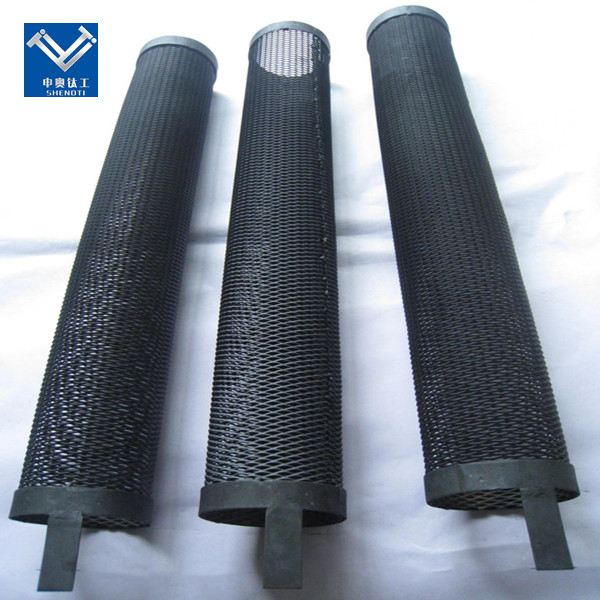
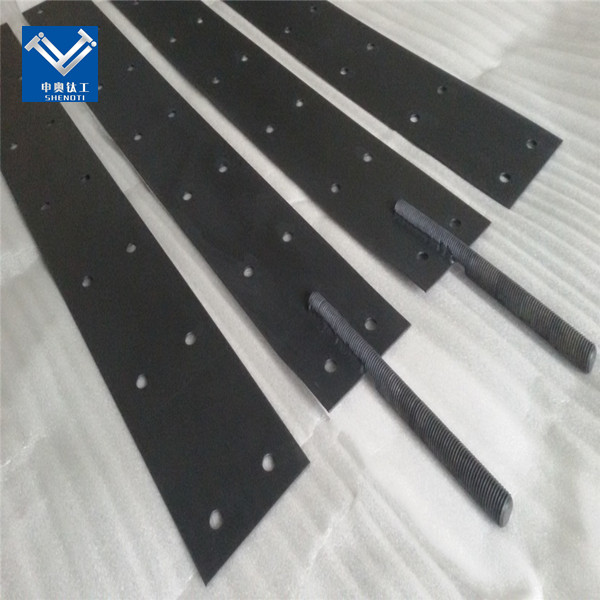
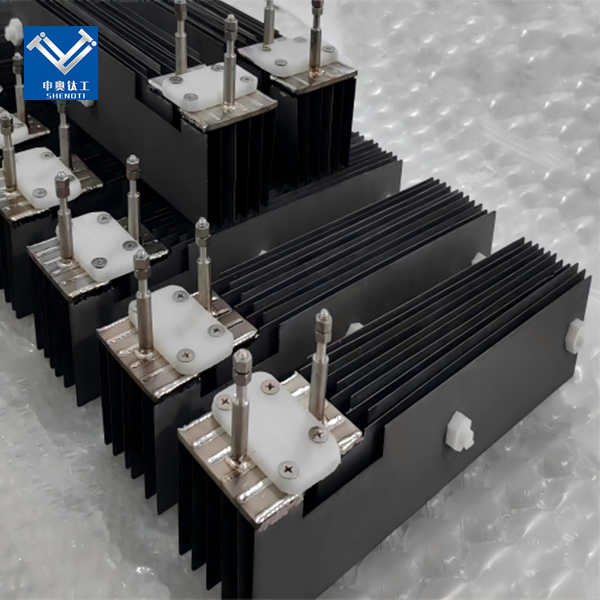
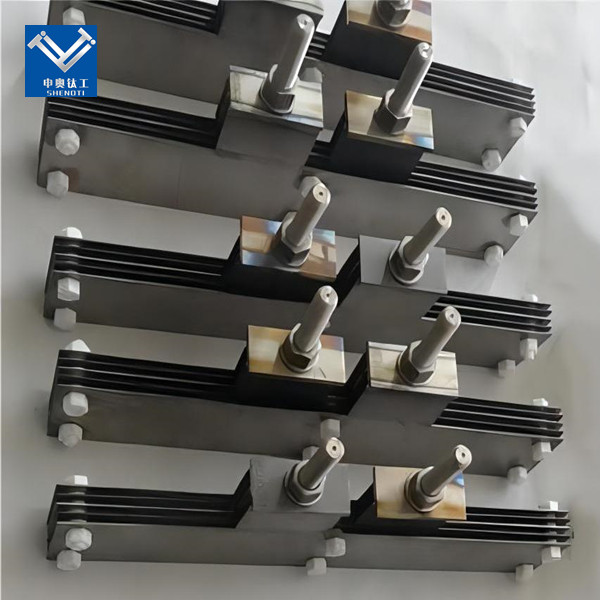
Our titanium anodes are customizable into mesh, plate, tubular, or rod geometries to suit different electrocoagulation reactor configurations. Operating voltage typically falls within the 3 to 12 V range, with current density ranging from 10 to 200 A/m² and temperature tolerance up to 80°C, making them adaptable to various machining wastewater treatment scenarios.
We encourage environmental engineering firms and industrial users to conduct bench-scale or pilot validation of titanium anodes based on the specific characteristics of their cutting fluid wastewater. By tracking demulsification efficiency, COD removal rates, and long-term operational stability, the technical compatibility of the electrochemical approach can be evaluated for each application context.
Important Note: Descriptions regarding electrode working life, energy consumption, and treatment effectiveness are based on engineering experience under typical conditions or internal test data. Actual product performance depends on combined factors including wastewater composition, oil content, conductivity, system design, and maintenance practices. Performance may vary across different application scenarios. This product is designed for industrial wastewater treatment applications and does not include chemical reagent consumables. Prospective buyers are encouraged to conduct sufficient compatibility validation under actual wastewater conditions before bulk procurement.
Titanium Anode Manufacturer
Email: zh@baojiti.com.cn
Products: Titanium Anodes, MMO Titanium Anodes, DSA Coated Titanium Electrodes, Electrolysis Electrodes, Hydrogen Production Electrodes, Wastewater Treatment Titanium Anodes.