Titanium Anode for Electrochemical Water-treatment in Electrolytic Ozone Generation: Effective Purification of Municipal Drinking Water
2026-06-08 10:10:57
Municipal drinking water treatment faces a dual challenge: ensuring water treatment effectiveness while reducing safety risks associated with chemical transportation and storage. While traditional chlorine gas or sodium hypochlorite dosing is a mature approach, it carries leakage hazards during transport, storage, and handling, along with the potential formation of halogenated disinfection by-products. Against this backdrop, on-site generation based on electrolytic water technology is gaining engineering attention, with the titanium anode for electrochemical water treatment as its core functional component.
(Important Note: Actual treatment performance depends on source water quality, system design, operating parameters, and other combined conditions.)
Principle Pathway of Electrolytic Ozone Generation
The electrolytic ozone generation pathway utilizes the direct electrochemical oxidation of water molecules at the anode surface. Under appropriate electrode material and potential conditions, water molecules can decompose and recombine into ozone at the anode surface. This reaction pathway is fundamentally different from the traditional corona discharge method, requiring neither dry air nor pure oxygen as a feed gas—only water and electric current to achieve in-situ ozone generation.
The titanium anode serves as a critical electrocatalytic interface in this process. Its noble metal oxide coating exhibits catalytic activity toward the oxygen evolution reaction while being capable of steering the reaction pathway toward ozone formation within a specific potential window. Ozone possesses strong oxidizing capability in water, which can inhibit microbial growth. It decomposes with very low chemical residue and can help reduce the halogenated organic compounds commonly associated with chlorination disinfection.

Coating Design Implications for Disinfection By-Product Control
Municipal drinking water treatment places stringent requirements on disinfection by-product control. When bromide ions or organic matter are present in source water, by-products such as bromate or halogenated organics may form on the anode side during electrolysis—a consideration that electrode design must address.
Our titanium anode for electrochemical water treatment employs high-purity titanium as the substrate, coated with a compositionally optimized noble metal oxide active layer. The coating's composition selection and microstructural tuning aim to enhance selectivity toward the target reaction—whether oxygen evolution or ozone generation. Higher oxygen evolution selectivity helps reduce the tendency for active chlorine generation at the anode surface, thereby lowering the formation potential of halogenated by-products. Additionally, the optimized coating maintains stable current efficiency across a broad current density range, allowing ozone yield to remain at a reasonable level during continuous operation. (Disclaimer: Actual disinfection by-product formation depends on combined factors including source water composition, bromide ion concentration, and system operating parameters.)
Operational Safety of On-Site Generation
The core value of electrolytic on-site generation of ozone or hypochlorite lies in reducing the safety risks associated with hazardous chemical transportation and storage. For municipal water plants, this means no need for liquid chlorine storage facilities and no management of periodic sodium hypochlorite procurement and shelf-life concerns.
The titanium anode contributes to operational continuity through its dimensional stability and extended service profile. Under appropriate current density and water quality conditions, titanium anode working life can extend over an extended period under typical operating conditions, lengthening electrode replacement intervals. Routine maintenance primarily involves electrical parameter monitoring and periodic electrode inspection, with relatively straightforward procedures. This low-maintenance operational mode aligns with municipal facilities' requirements for system reliability and rational allocation of human resources.
Engineering Adaptability for Global Markets
Globally, municipal water supply and wastewater treatment infrastructure continues to be upgraded. Limited by chemical supply chain stability and transportation costs, water treatment sites often struggle to securely and consistently access traditional chlorine-based disinfectants. Electrolytic on-site treatment solutions, requiring only water and electricity as inputs, demonstrate strong adaptability in terms of supply chain simplification and operational safety.
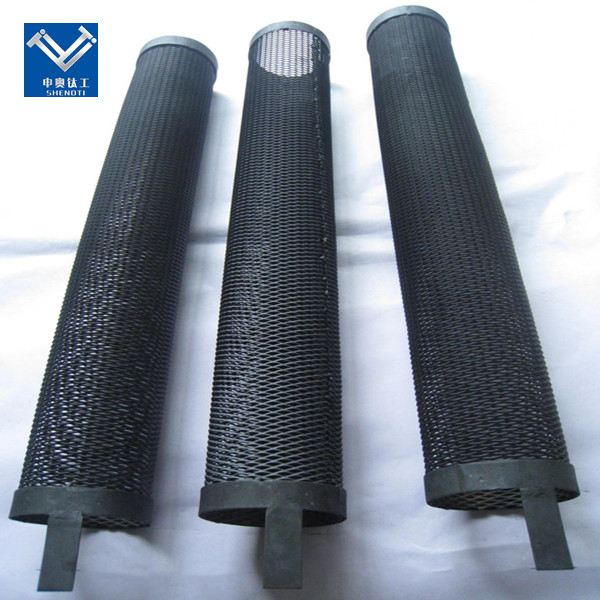
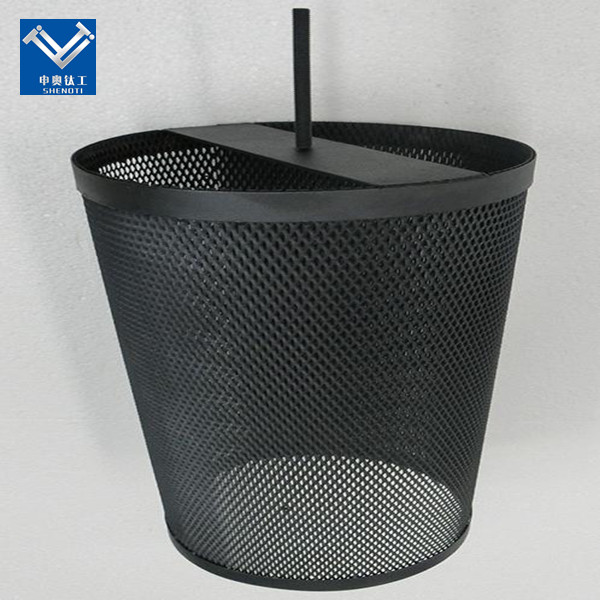
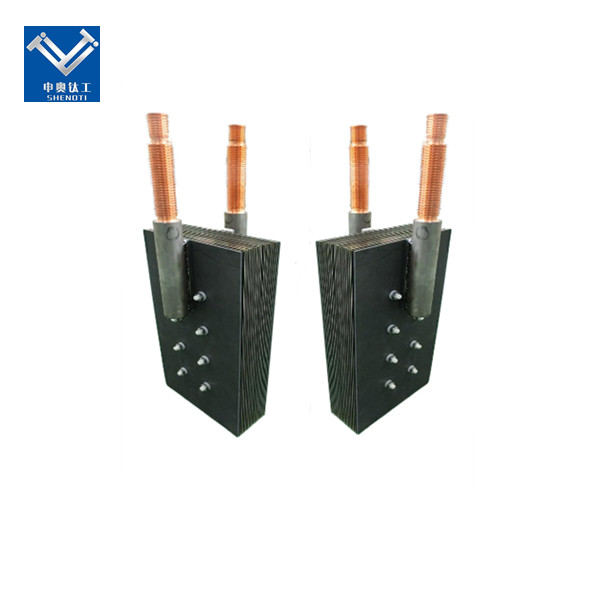
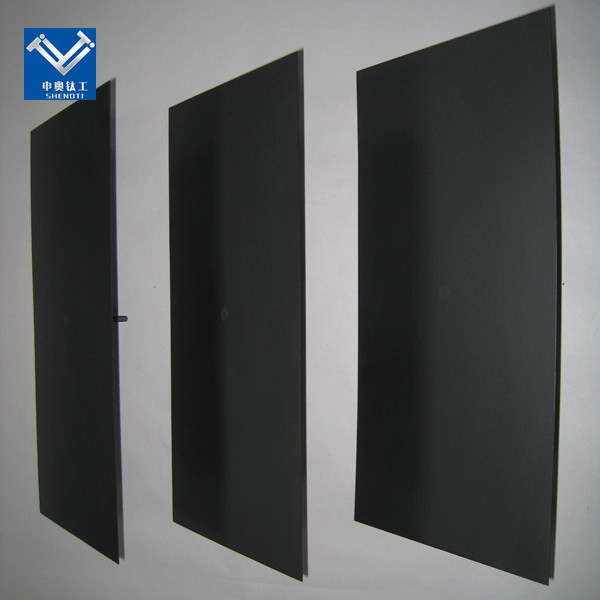
Our titanium anodes are available in mesh, plate, or tubular configurations to suit different electrolytic ozone generator or hypochlorite generator designs. Operating parameters are typically within a lower voltage range, with current density flexibly adjustable based on ozone production rate requirements.
We encourage water treatment engineering firms and municipal water authorities to conduct pilot-scale validation of titanium anodes based on their source water characteristics and treatment capacity. By tracking ozone output, current efficiency, water treatment efficacy, and by-product formation, the technical compatibility and long-term operational reliability of the electrolytic approach can be evaluated for each application context.
Important Note: Descriptions regarding electrode working life, current efficiency, and water treatment efficacy are based on engineering experience under typical conditions or internal test data. Actual product performance depends on combined factors including source water composition, water temperature, system design, and maintenance practices. Performance may vary across different application scenarios. This product is designed for industrial and municipal water treatment applications; its suitability for water treatment purposes must be verified by the user according to local regulations and water quality conditions. Prospective buyers are encouraged to conduct sufficient compatibility testing under actual water quality and operating conditions before bulk procurement.
Titanium Anode Manufacturer
Email: zh@baojiti.com.cn
Products: Titanium Anodes, MMO Titanium Anodes, DSA Coated Titanium Electrodes, Electrolysis Electrodes, Hydrogen Production Electrodes, Wastewater Treatment Titanium Anodes.