Titanium Anode for Chlorine Generation in Coastal Power Plant Cooling Water Antifouling Applications
2026-07-01 09:44:56
Coastal power plants and LNG receiving terminals draw massive volumes of seawater for cooling purposes. Marine fouling organisms such as barnacles, mussels, and algae continuously proliferate on heat exchanger tube bundles and intake pipeline interior walls, leading to declining heat exchange efficiency and increased flow resistance. Traditional chemical dosing antifouling solutions are being rapidly replaced by online electrochlorination technology, driven by tightening environmental regulations on chemical residues in discharge water and the safety hazards associated with storing and transporting regulated chemicals on site. The titanium anode for electrolysis of seawater to produce chlorine is the core functional component enabling this technological transition.
Online Electrochlorination: A Non-Shutdown Antifouling Solution Utilizing Seawater Resources
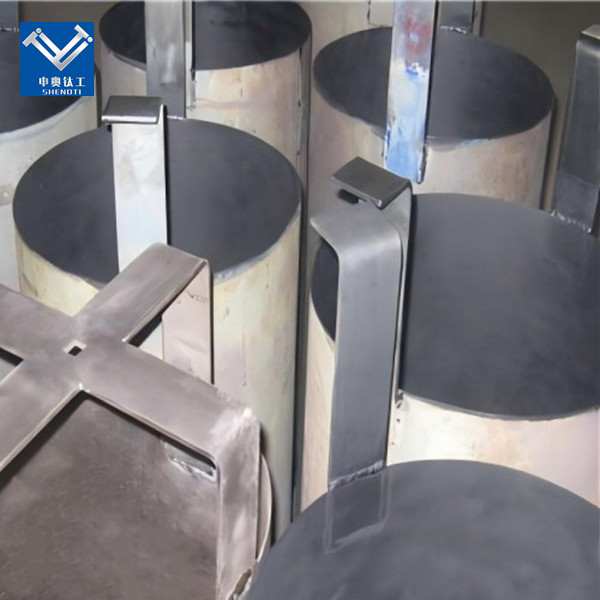
Seawater itself contains abundant chloride ions, making it a natural electrolyte. Online electrochlorination technology deploys electrolysis units at the intake or within cooling water pipelines, utilizing the titanium anode for electrolysis of seawater to convert chloride ions present in seawater into oxidative species with antifouling activity in situ when energized. These active substances diffuse with the cooling water flow throughout the heat exchangers and the entire pipeline system, acting on the cellular structures of marine organism larvae and spores, inhibiting their attachment and growth on flow-contact surfaces.
Compared with traditional chemical dosing, the core advantages of online electrochlorination lie in continuity and safety. The system can start and stop synchronously with the cooling water pumps, continuously generating low-concentration active substances during unit operation, maintaining a relatively stable antifouling environment within the pipelines, and helping to avoid cyclical rebounds in marine organism populations. The generation rate can be precisely controlled online by adjusting the electrolysis current, allowing flexible adjustment based on seawater temperature, tidal variations, and marine organism breeding seasons. After fulfilling their antifouling function in the pipelines, the active species can be further reduced in residual concentration through natural decay before discharge. The system uses seawater and electricity as basic inputs, eliminating the need to store regulated chemical agents on site, helping to reduce the safety management complexity of the facility. Actual antifouling effectiveness varies depending on seawater salinity, temperature, flow velocity, and marine organism species.
Performance varies based on specific operating conditions. Actual results depend on seawater quality and operating parameters.

Long-Cycle Stable Operation: Meeting the Test of Continuous Production Time
Coastal power plants and LNG receiving terminals typically operate continuously on an annual cycle, with extended intervals between planned maintenance shutdowns. The cooling water antifouling system must maintain functional stability throughout the entire cycle, and anode durability is a core factor determining system maintenance frequency and reliability.
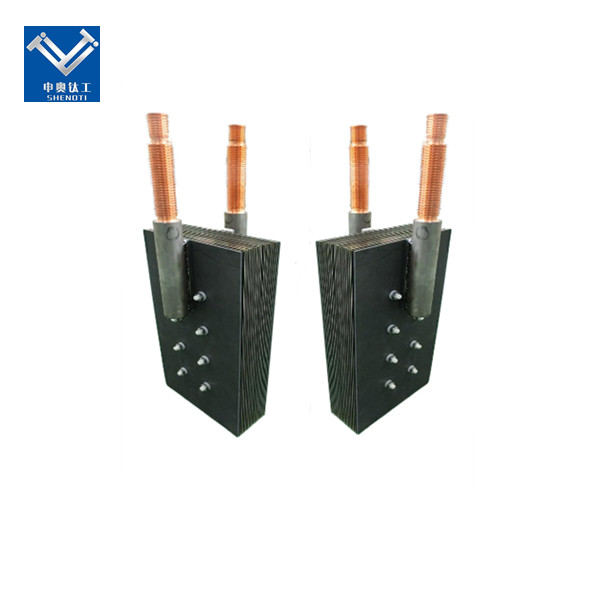
The titanium anode for electrolysis of seawater employs high-purity titanium as the substrate. The titanium substrate can spontaneously form a dense passive film under anodic polarization conditions, effectively suppressing electrochemical dissolution of the substrate itself in high-salinity seawater environments and providing a long-term stable supporting platform for the coating. The coating adopts an electrocatalytic active layer containing metal oxides such as RuO₂ and IrO₂. RuO₂ exhibits a relatively low overpotential for the chlorine evolution reaction and serves as the primary carrier of high current efficiency electrolysis. The introduction of IrO₂ is designed to enhance the electrochemical stability of the coating during long-term operation, supporting the sustained and stable generation of active substances. The coating and substrate achieve high bonding strength through optimized pretreatment and thermal decomposition processes, tending to maintain stable adhesion under continuous high-flow seawater scouring conditions. Through periodic polarity reversal, calcareous deposits on the electrode surface can be removed, assisting in maintaining the stability of electrolysis efficiency. Actual working life varies depending on seawater quality, current density, temperature, and polarity reversal cycle.
Engineering Value for the Industrial Cooling Water Market
In the global coastal power generation and LNG receiving markets, marine biofouling control for cooling water systems is a fundamental link in ensuring facility thermal efficiency and operational reliability. The engineering value of the titanium anode for electrolysis of seawater in this market lies in combining online continuous antifouling with long-cycle stable operation, supporting cooling systems in achieving low-maintenance, high-reliability antifouling management throughout the entire lifecycle.
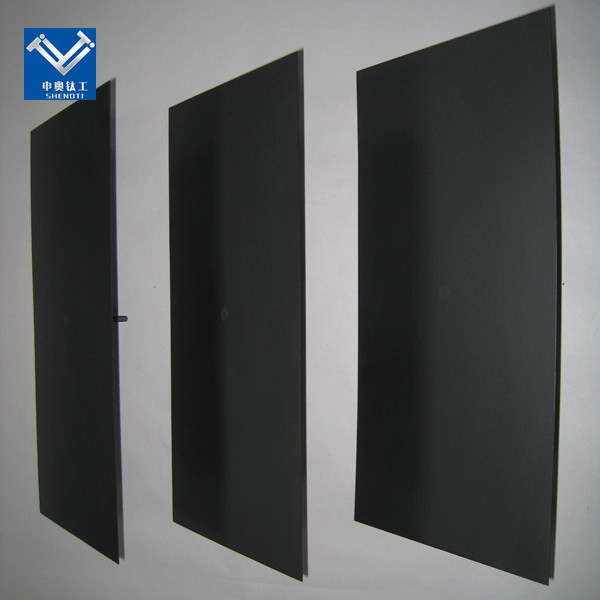
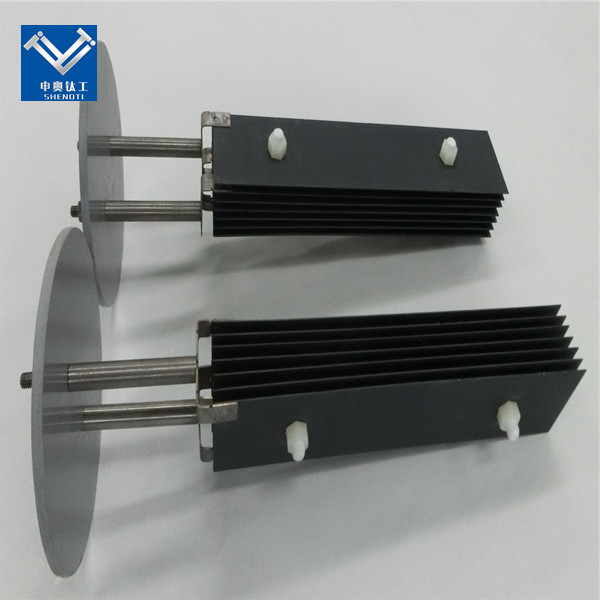
These titanium anode products are built on high-purity titanium substrates and coated with metal oxide systems such as RuO₂ and IrO₂, and can be customized into plate, mesh, tubular, and other geometric configurations to suit electrochlorination antifouling devices of different scales. It is recommended that coastal power plant and LNG terminal operators conduct field condition testing of titanium anodes for electrolysis of seawater based on their intake volume, seawater quality, and heat exchanger type. By tracking indicators such as active substance concentration, heat exchange efficiency variation trends, and long-term anode operating performance, the technical compatibility and total lifecycle maintenance cost of the online electrochlorination antifouling solution in specific application scenarios can be evaluated.
Important Note: The performance descriptions above are based on engineering experience under specific test conditions or internal test data. Differences may exist between laboratory results and actual operating conditions. Actual electrolysis efficiency, working life, and antifouling effectiveness vary depending on seawater salinity, temperature, flow velocity, marine organism species, current density, and system design. This product is an industrial cooling water antifouling equipment component, and its suitability should be verified by the user according to local environmental regulations and application conditions. Sufficient compatibility validation prior to bulk procurement is recommended.
Titanium Anode Manufacturer
Email: zh@baojiti.com.cn
Products: Titanium Anodes, MMO Titanium Anodes, DSA Coated Titanium Electrodes, Electrolysis Electrodes, Hydrogen Production Electrodes, Wastewater Treatment Titanium Anodes.