Titanium anode for alkaline water electrolysis under variable renewable power loads
2026-07-31 09:44:30
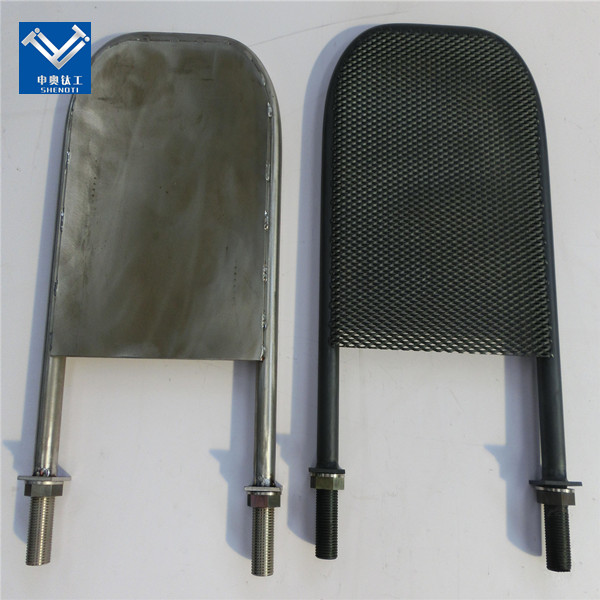
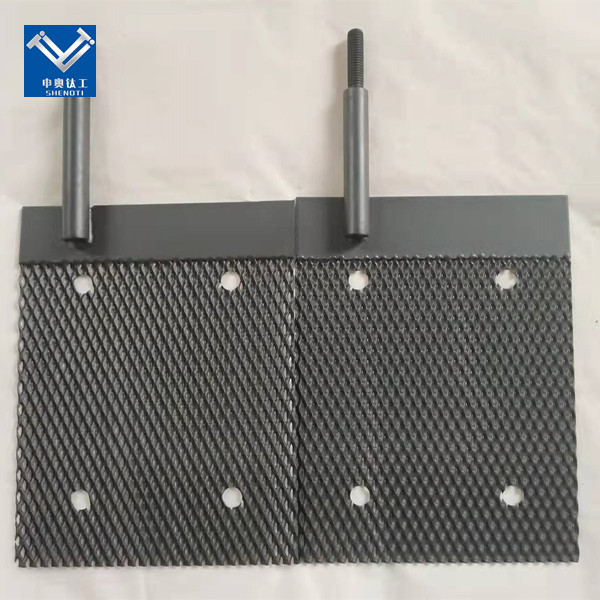
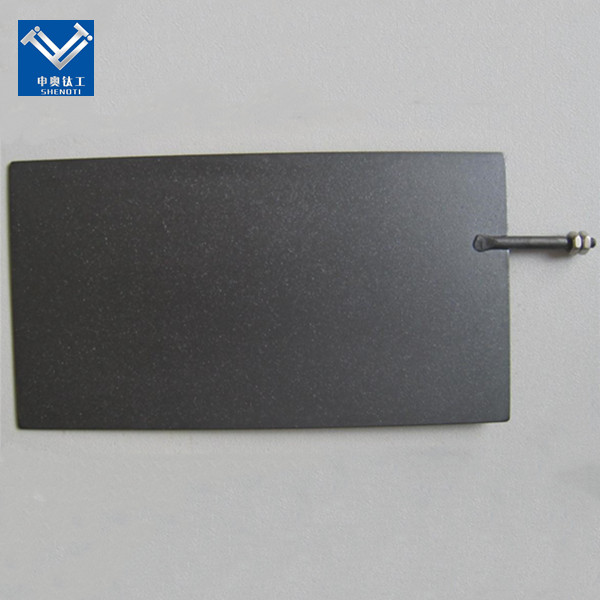
In the green hydrogen production sector, alkaline water electrolysis systems are increasingly paired with wind and solar power sources. These renewable energy inputs introduce variable power loads, where output fluctuates with weather conditions, causing electrolyzer components to experience frequent load changes and intermittent start-stop cycles. The titanium anode for alkaline water electrolysis serves a defined function within this operational context. It consists of a titanium substrate coated with mixed metal oxides, such as RuO₂–IrO₂–Ta₂O₅ or NiO–Fe₂O₃, designed to drive the oxygen evolution reaction in potassium hydroxide or sodium hydroxide electrolytes at concentrations ranging from twenty to forty percent. The coating provides electrocatalytic activity that helps reduce the overpotential for oxygen evolution, contributing to lower cell voltage under variable load conditions.
The design objective is to maintain stable electrochemical performance and structural integrity during intermittent operation, supporting equipment durability requirements in fluctuating power environments. The titanium anode for alkaline water electrolysis is not a universal solution but a component engineered to address specific challenges posed by renewable power integration. Its performance depends on the interplay between coating composition, substrate properties, and operating conditions.
In practice, the anode must balance catalytic activity with resistance to degradation mechanisms that arise from current fluctuations. The titanium substrate offers mechanical support and corrosion resistance in alkaline media, while the coating layer provides the active sites for electrochemical reactions. This layered structure aims to mitigate the effects of load variability on overall system efficiency and component lifespan. For B2B buyers evaluating electrolyzer components, understanding how the titanium anode for alkaline water electrolysis responds to dynamic power inputs is essential for assessing its suitability in specific green hydrogen projects.
Challenges to Anode Durability from Fluctuating Power Supply and Mitigation Approaches
Renewable energy intermittency subjects the titanium anode for alkaline water electrolysis to frequent current fluctuations and start-stop cycles. When power loads change rapidly, the coating layer experiences stress from uneven local current density distribution. Over extended operation, this can lead to coating delamination or a gradual decline in electrocatalytic activity.
The titanium anode for alkaline water electrolysis addresses these challenges through the coordinated design of the coating and substrate. The RuO₂–IrO₂–Ta₂O₅ system demonstrates relatively good corrosion resistance in alkaline environments, which helps slow the degradation rate under fluctuating loads. However, actual durability varies depending on several factors, including the current density range, the frequency of load changes, and the electrolyte temperature. Performance data are based on specific test conditions and may not directly translate to all operational scenarios.

The coating thickness and composition influence how well the anode withstands repeated cycling. Thicker coatings may provide more active material but can also introduce higher internal stresses during thermal or electrochemical cycling. The titanium substrate contributes to overall stability by maintaining dimensional integrity under varying thermal and mechanical loads. In normal operating conditions, the titanium anode for alkaline water electrolysis can maintain functional performance, but the rate of degradation accelerates under extreme or prolonged load fluctuations. Mitigation strategies include optimizing the coating formulation to enhance adhesion and reduce stress accumulation. For instance, incorporating tantalum oxide into the coating can improve structural stability by modifying the oxide layer's mechanical properties. The anode's ability to retain catalytic activity over time depends on the balance between coating durability and the severity of power variability.
Dynamic Response Capability and Its Role in Supporting Hydrogen Production Efficiency
In wind and solar powered electrolysis, the titanium anode for alkaline water electrolysis must respond rapidly to power changes to maintain hydrogen production continuity. The coating structure is designed to support low electrochemical polarization during load transitions, reducing energy losses associated with response lag. Under specific test conditions, the anode maintains stable oxygen evolution activity across a current density range of two hundred to one thousand milliamperes per square centimeter, helping to moderate cell voltage fluctuations.
This dynamic response capability has practical implications for the trade market, where intermittent load stability is a key consideration. In normal operating conditions, the titanium anode for alkaline water electrolysis can adapt to power variations, reducing the need for frequent shutdowns and maintenance interventions. The dynamic response is influenced by coating composition, operating temperature, and the rate of load change. For example, coatings with higher iridium content may exhibit faster charge transfer kinetics, but this must be balanced against cost and availability considerations. The anode's ability to maintain low overpotential during rapid current transitions helps stabilize the overall electrolyzer voltage, which in turn supports consistent hydrogen output. Energy losses from polarization effects are reduced when the anode can quickly re-establish steady-state conditions after a load change.
This characteristic is particularly relevant for electrolyzers operating in regions with highly variable renewable energy profiles, where power inputs can shift from full load to near zero within minutes. The titanium anode for alkaline water electrolysis does not reduce voltage fluctuations entirely but helps mitigate their impact on system efficiency. The substrate's electrical conductivity and the coating's catalytic properties work together to minimize the time required for the anode to reach stable operation after a load event.
For B2B buyers, assessing dynamic response involves reviewing test data that simulate realistic power profiles, including ramp rates and dwell times at different current densities. The anode's performance in these tests provides an indication of its suitability for specific project requirements. However, actual field conditions may introduce additional variables, such as electrolyte impurities or temperature gradients, that affect dynamic behavior. Therefore, the titanium anode for alkaline water electrolysis should be evaluated as part of a broader system design that includes power management and control strategies.
Engineering Value for the Green Hydrogen Market
In the global green hydrogen market, the durability and dynamic response of the titanium anode for alkaline water electrolysis influence operational costs and system reliability. The anode's design, combining a titanium substrate with a mixed metal oxide coating, aims to maintain electrocatalytic activity and structural stability under variable power loads. This configuration helps reduce the frequency of anode replacement, which is a factor in the total cost of ownership for megawatt-scale alkaline electrolyzers paired with wind and solar power sources.
However, the anode's effectiveness depends on the match between its design parameters and the actual power fluctuation patterns encountered in the field. Projects with highly erratic power inputs may require additional system-level measures, such as buffer storage or power smoothing, to protect the anode from excessive stress. The titanium anode for alkaline water electrolysis is not a standalone solution but a component within a larger electrochemical system.
Its contribution to overall system efficiency and longevity is best assessed through comprehensive testing under representative conditions. Buyers should consider factors such as the expected current density range, load change frequency, and operating temperature when selecting an anode for a specific application. The anode's performance under normal operating conditions provides a baseline, but real-world durability may vary based on the cumulative effects of cycling and environmental factors.
In the context of green hydrogen production, the titanium anode for alkaline water electrolysis supports the goal of reducing carbon emissions by enabling the use of renewable energy for electrolysis. Its engineering value is realized when it helps maintain stable operation over the intended service life, reducing downtime and maintenance costs. For project developers, evaluating the anode's suitability involves balancing initial cost against expected performance and replacement intervals. The titanium anode for alkaline water electrolysis represents a mature technology with ongoing refinements in coating materials and manufacturing processes. Its application in variable power environments continues to evolve as the green hydrogen industry gains experience with renewable energy integration.
Important Note: The performance descriptions above are based on engineering experience under specific test conditions or internal test data. Actual electrocatalytic activity, durability, and service life vary depending on coating composition, current density, electrolyte concentration, temperature, and operating environment. This product is an anode for electrochemical preparation equipment. Its suitability for specific applications must be verified by the user based on actual operating conditions and relevant industry standards.
Titanium Anode Manufacturer
Email: zh@baojiti.com.cn
Products: Titanium Anodes, MMO Titanium Anodes, DSA Coated Titanium Electrodes, Electrolysis Electrodes, Hydrogen Production Electrodes, Wastewater Treatment Titanium Anodes.