Copper-Steel Bimetallic Clad Sheets for Busbar Applications
2026-07-31 10:15:09
The global push for grid modernization, particularly in Europe and North America, has intensified the search for materials that balance electrical performance with economic and structural efficiency. As renewable energy sources are integrated into existing power networks, the demand for busbar systems that can handle variable loads while minimizing material costs has become more pronounced. Pure copper busbars, while offering high conductivity, present challenges in terms of weight and expense, especially in large-scale installations. Copper-steel clad sheets, produced through explosive welding, have emerged as a technically viable alternative, addressing the need for a lightweight, cost-effective conductor without compromising the fundamental requirements of power transmission.
The Metallurgical Foundation of Bimetallic Clad Conductors
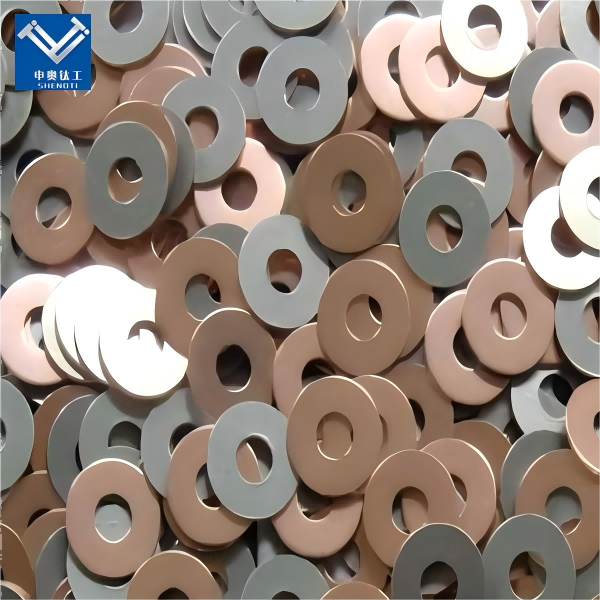
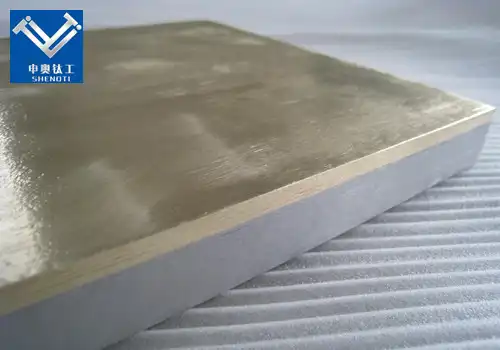
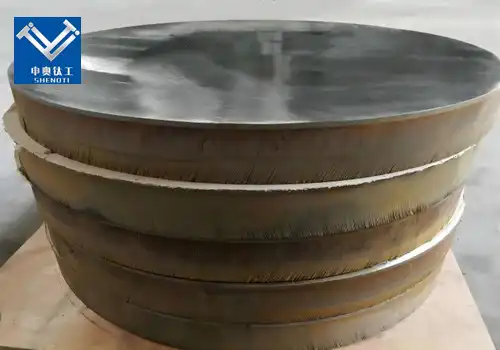
The core of this product lies in the explosive welding process, which creates a solid-state metallurgical bond between a copper layer and a steel substrate. Unlike mechanical fastening or adhesive bonding, explosive welding achieves an atomic-level interface without the formation of brittle intermetallic compounds that could degrade electrical or mechanical performance. This bond is critical for busbar applications, as it ensures that the composite material behaves as a single structural unit under thermal cycling and mechanical stress. The copper layer, typically constituting a portion of the total thickness, provides a low-resistance pathway for current flow, while the steel core contributes the tensile strength and rigidity needed to support long spans in substations or industrial power distribution systems.
The choice of steel as the substrate is not arbitrary; it offers a favorable balance of mechanical properties and cost. Under normal operating conditions, the steel layer can withstand the mechanical loads associated with busbar installation and operation, including those from electromagnetic forces during fault currents. The copper layer, meanwhile, maintains a conductivity level that, while lower than that of pure copper, is sufficient for many power transmission applications. This combination allows for a reduction in overall material weight compared to a pure copper busbar of equivalent mechanical strength, as the steel provides the necessary structural support without the density penalty of copper.
Addressing Conductivity and Eddy Current Concerns
A primary consideration for any alternative to pure copper busbars is the potential impact on system efficiency. The conductivity of copper-steel clad sheets, typically measured as a percentage of the International Annealed Copper Standard (IACS), is influenced by the thickness ratio of the two metals. While the overall conductivity of the composite is lower than that of pure copper, the design can be tailored to meet specific current-carrying requirements. For applications where weight and cost savings are prioritized over minimal electrical resistance, the copper-steel clad sheet offers a practical compromise. The steel core, while having lower conductivity, does not act as a significant barrier to current flow when the copper layer is of sufficient thickness, as the current tends to concentrate in the higher-conductivity copper layer due to the skin effect at power frequencies.
Eddy current losses, which can arise in any conductive material subjected to alternating magnetic fields, are another factor that must be considered. In busbar systems, these losses can contribute to heating and reduced efficiency. The presence of a steel layer in the clad sheet does introduce a material with higher magnetic permeability than copper, which could theoretically increase eddy current losses under certain conditions. However, in practice, the design of the busbar and the operating frequency of the power system mitigate this effect. The copper layer, being the primary current-carrying component, also serves to confine the magnetic field, reducing the penetration of alternating flux into the steel core. Under specific test conditions, the increase in eddy current losses for a well-designed copper-steel clad busbar is marginal and often outweighed by the benefits of reduced weight and material cost.
Engineering Value in Power Transmission Infrastructure
The adoption of copper-steel clad sheets for busbars translates into tangible engineering value for power utilities and industrial facilities. The weight reduction, which can be substantial compared to a pure copper busbar of equivalent mechanical capacity, simplifies installation and reduces the structural support requirements. This is particularly advantageous in retrofit projects where existing support structures may have limited load-bearing capacity. The cost savings, derived from replacing a portion of expensive copper with more affordable steel, allow for budget allocation to other critical components of the power distribution system.
Furthermore, the mechanical robustness of the steel core provides enhanced resistance to deformation and damage during handling and operation. Busbars are often subjected to mechanical stresses from thermal expansion, vibration, and accidental impact. The steel layer in the clad sheet contributes to a higher overall tensile strength, reducing the risk of sagging or failure over long spans. This durability, under normal operating conditions, contributes to the long-term reliability of the power transmission system. The ability to customize the thickness of the copper and steel layers also enables engineers to optimize the busbar design for specific current ratings and mechanical loads, offering a level of flexibility not available with monolithic copper or steel conductors.
Conclusion
Copper-steel bimetallic clad sheets represent a technically sound solution for busbar applications in modern power transmission networks. By leveraging the explosive welding process to create a metallurgically bonded composite, this product combines the high conductivity of copper with the structural strength and cost-effectiveness of steel. While the overall conductivity is lower than that of pure copper, the design can be tailored to meet specific performance requirements, and concerns regarding eddy current losses are manageable under typical operating conditions. The resulting weight and cost savings, coupled with enhanced mechanical durability, make copper-steel clad sheets a compelling alternative for grid modernization and renewable energy integration projects.
Important Note: The performance characteristics described in this article are based on typical material properties and standard engineering practices. Actual results in specific applications may vary depending on operating conditions, design parameters, and installation methods. Users should conduct thorough engineering evaluations and consult with qualified professionals to determine the suitability of copper-steel clad sheets for their particular requirements.
Titanium Anode Manufacturer
Email: zh@baojiti.com.cn
Products: Titanium Anodes, MMO Titanium Anodes, DSA Coated Titanium Electrodes, Electrolysis Electrodes, Hydrogen Production Electrodes, Wastewater Treatment Titanium Anodes.