PCB Etching Copper Recovery System – How to Choose the Right Titanium Anode
2026-06-05 17:21:41
PCB etching lines generate wastewater containing dissolved copper ions. Without a properly designed recovery system — and without appropriately selected anodes — recoverable material value may be lost.
The Importance of PCB Etching Copper Recovery
From Wastewater to Recoverable Resource
During PCB manufacturing, etching solutions dissolve copper from circuit boards. As copper concentration increases, bath management becomes necessary. Many facilities now install recovery systems to recover copper, extend etching solution life, reduce hazardous waste, and lower chemical costs.
What is a Titanium Anode for Copper Recovery?
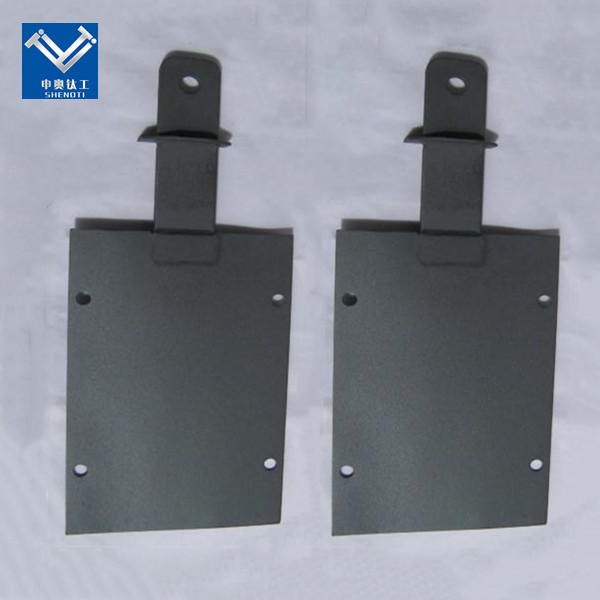
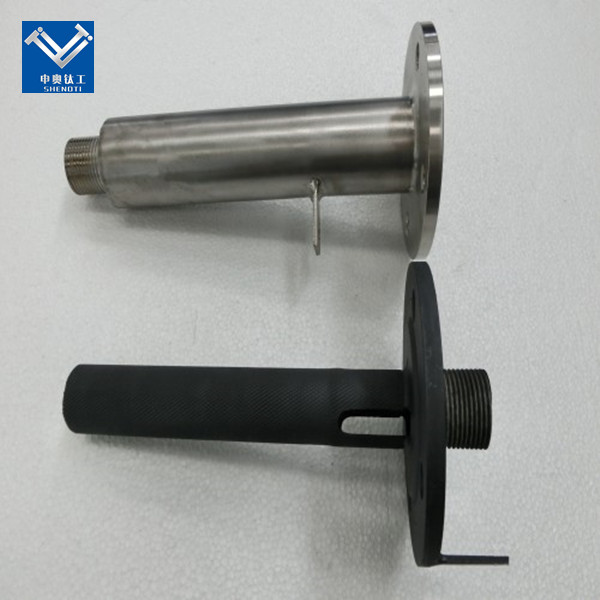
A titanium anode for copper recovery is a coated metal electrode used in electrolysis. Unlike consumable electrodes, it does not dissolve during operation. Its functions include conducting current, facilitating copper ion reduction and deposition onto the cathode, and resisting chemical attack from aggressive etching solutions. The coating on the titanium substrate largely determines electrochemical performance, stability, and service life.

Advantages of Titanium Anodes in PCB Etching Systems
Corrosion Resistance in Aggressive Media
PCB etching solutions are chemically aggressive. Titanium anodes for copper recovery are expected to withstand high chloride concentrations, acidic or alkaline conditions, and oxidizing species. Mixed metal oxide (MMO) coatings, such as those containing ruthenium or iridium oxides, are frequently selected for their relative stability.
Electrochemical Performance Stability
In a properly configured system, titanium anodes contribute to stable current distribution, consistent copper deposition morphology, and controlled energy consumption per unit of recovered copper. These factors are associated with reduced process variability.
Service Life Characteristics
Compared to certain conventional anode materials (such as graphite or lead-based anodes), titanium-based anodes with MMO coatings typically offer a longer operational lifespan. In many PCB etching applications, users have reported service life extensions in the range of two to five times that of traditional materials, although actual performance varies with operating parameters. Performance degradation over time is generally gradual.
Design Customization
Titanium anodes can be customized according to dimensional requirements, coating composition, expected current density window, and tank layout. The degree of customization directly influences recovery efficiency and economic return.
Applications of Titanium Anodes in PCB Etching Copper Recovery Systems
Common application scenarios include multilayer PCB production, HDI board manufacturing, flexible PCB processing, metal surface treatment, chemical etching, and closed-loop resource recycling systems.
How to Choose the Right Titanium Anode
Select Coating Type Based on Electrolyte Chemistry
Chloride-based systems typically benefit from ruthenium-containing coatings. Acidic or sulfate-based systems may perform better with iridium-containing coatings. Mismatched coatings can reduce service life or current efficiency.
Consider Operating Current Density
The anode design should match the system's actual current density range. Excessively high current density may accelerate coating degradation; excessively low current density may lead to suboptimal deposition rates.
Evaluate Electrode Geometry and Structure
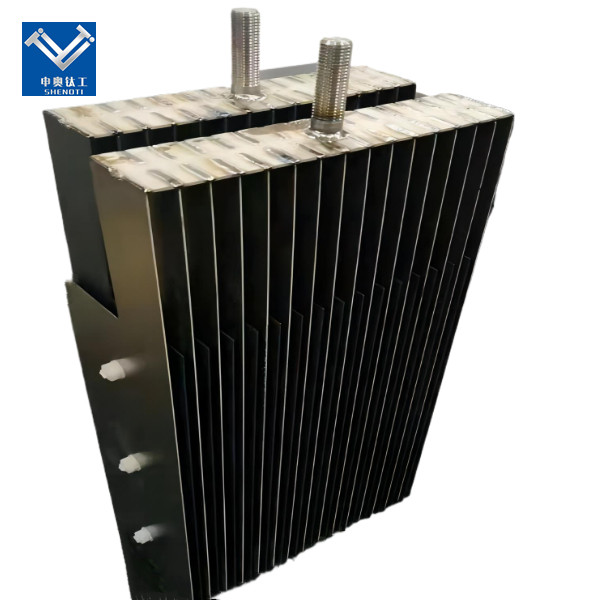
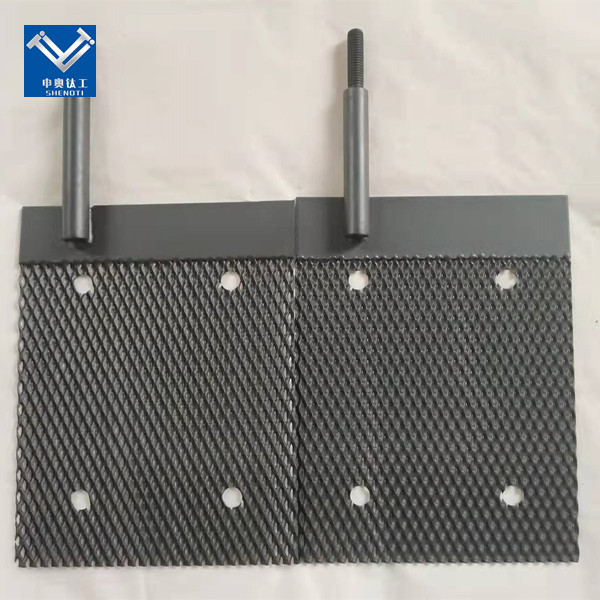
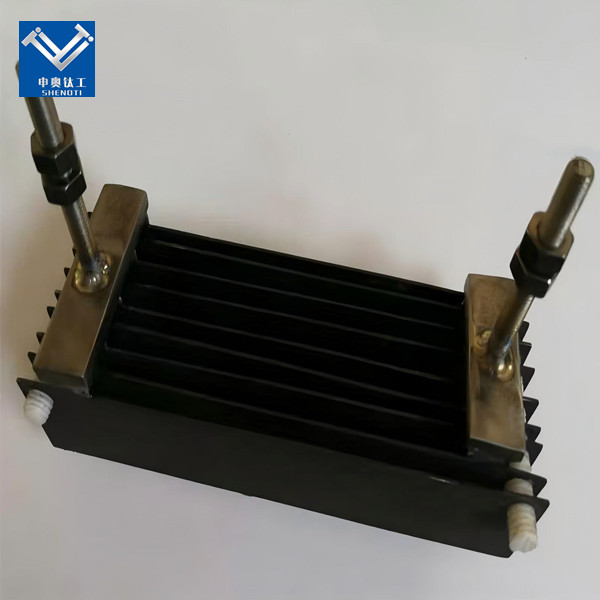
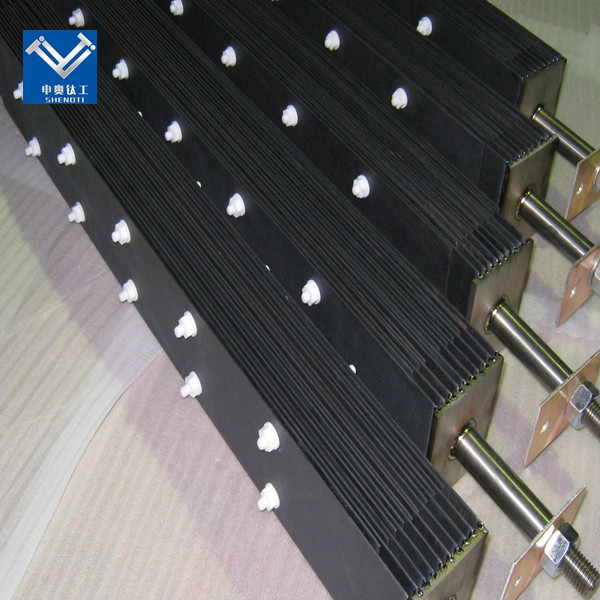
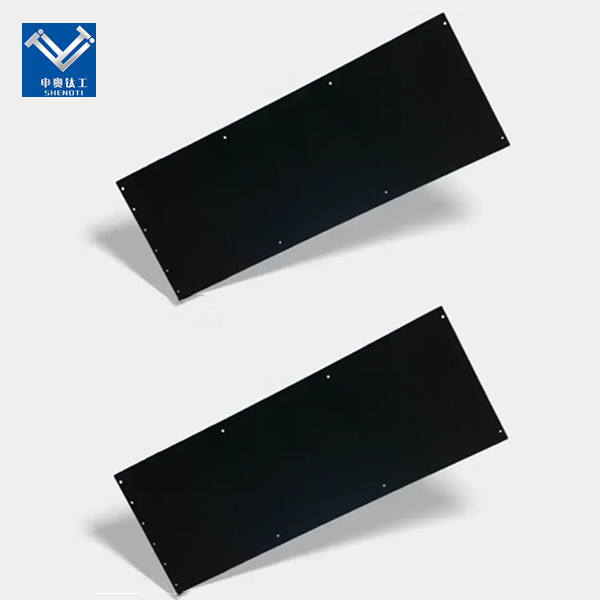
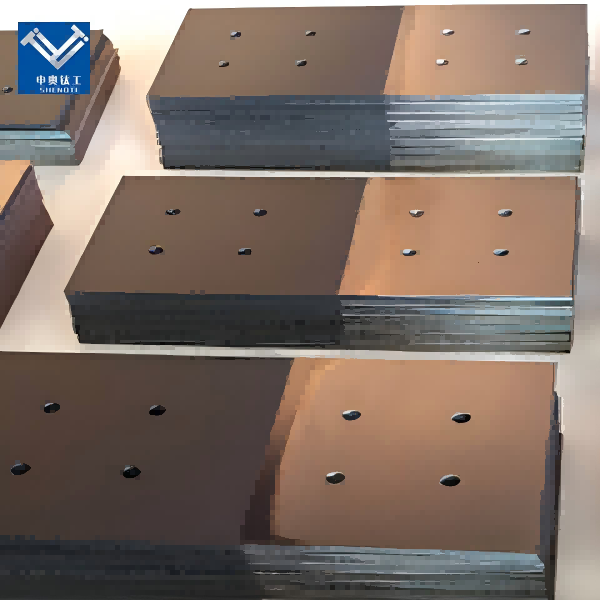
Anode shape influences electrolyte flow, current distribution, and copper deposit quality. Common configurations include expanded mesh, solid plate, and tubular designs.
Assess Manufacturing Process Quality
A capable supplier typically demonstrates controlled coating application, uniform coating thickness, and adequate coating-to-substrate adhesion. These factors are relevant to long-term stability.
Technical Configuration of a Recovery System
A typical PCB etching copper recovery system includes an electrolytic cell, titanium anode (MMO-coated), cathode, power supply, and circulation/filtration system. In operation, copper-rich solution enters the cell, the titanium anode supports the reaction, copper ions deposit onto the cathode, and deposited copper is periodically collected.
Practical Application Example
A PCB manufacturer faced challenges including copper-containing waste accumulation, rising chemical costs, and environmental discharge limits. The facility installed a customized titanium anode system. MMO-coated anodes were designed for the existing tank geometry, and current density was adjusted based on on-site measurements. Following implementation, the facility reported a visible improvement in copper recovery, reduced chemical consumption, lower waste disposal frequency, and improved process stability. Results vary with specific operating conditions.
Value Considerations for Titanium Anode Selection
Custom titanium anodes may offer better geometric compatibility, improved current efficiency, service life matching production schedules, and lower total cost of ownership over multiple years. Customization helps a system approach its intended performance targets.
Supplier Selection Considerations
When evaluating suppliers, consider coating technology expertise, engineering support capability, industry application experience in PCB etching, and quality control consistency.
Summary
Selecting a titanium anode suited to the specific etching chemistry, current density range, and tank configuration can contribute to improved copper recovery efficiency, controlled operating costs, environmental compliance, and long-term profitability. For facilities committed to optimizing PCB production lines, evaluating custom titanium anodes represents a technically practical step.
Choosing the Right Titanium Anode for Your System
For those committed to optimizing PCB production lines, incorporating custom titanium anodes into the etching copper recovery system is a technically practical option.
Looking to upgrade or build a new recovery system?
There check offers:
- Custom titanium anode design
- High-performance MMO coatings matched to the etchant chemistry
- Technical support tailored to PCB etching copper recovery applications
Titanium Anode Manufacturer
Email: zh@baojiti.com.cn
Products: Titanium Anodes, MMO Titanium Anodes, DSA Coated Titanium Electrodes, Electrolysis Electrodes, Hydrogen Production Electrodes, Wastewater Treatment Titanium Anodes.


YOU MAY LIKE