Long-Life Acid-Resistant Titanium Anode for Highly Acidic Sewage Electrolysis
2026-06-09 11:21:31
The compositional complexity of industrial wastewater places stringent demands on the core components of electrochemical treatment systems. When the target effluent contains strong acids, high concentrations of halide ions, or organic solvents, the anode material must not only exhibit electrocatalytic activity but also maintain structural integrity and functional stability in aggressive chemical environments. The titanium anode for electrolytic sewage treatment is an electrochemical core component engineered specifically for such highly acidic and corrosive operating conditions.
Corrosion-Resistant Substrate: The First Line of Defense Against Strong Acid Environments
In highly acidic wastewater treatment scenarios, the corrosion resistance of the anode substrate directly determines the structural lifespan of the electrode. Common metallic materials may undergo rapid dissolution or pitting in strong acid environments, leading to loss of electrode geometry, and in severe cases, potential electrode short circuits or metal ion leaching issues.
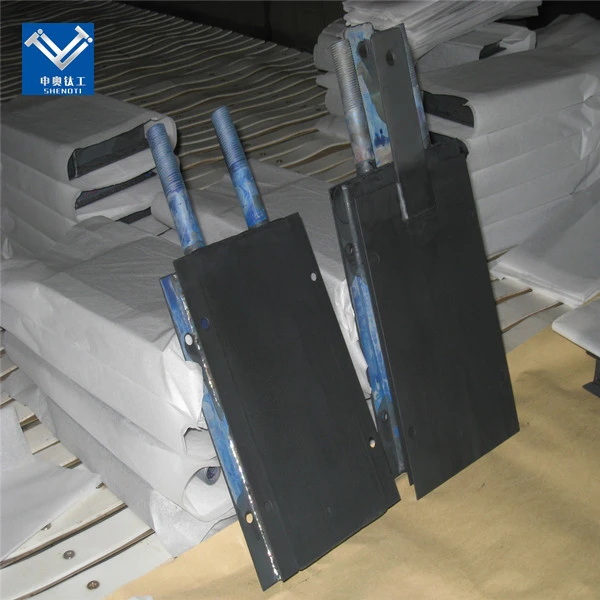
Our titanium anode for electrolytic sewage treatment employs high-purity corrosion-resistant titanium (Grade 1 or Grade 2) as the substrate. Titanium can demonstrate favorable corrosion resistance in strongly oxidizing acids and chloride-containing media, attributable to the dense and stable passive oxide film that may spontaneously form on its surface under anodic polarization conditions. Depending on specific operating conditions, this passive film can maintain integrity across a broad pH range, helping to isolate the substrate from direct contact with corrosive electrolytes. When treating complex liquids such as landfill leachate or pharmaceutical wastewater containing multiple corrosive constituents, the titanium substrate may maintain structural stability under typical conditions, helping to reduce the risk of metal ion release due to substrate corrosion.
Usage Guideline: The corrosion resistance performance of the electrode is closely related to wastewater chemical composition, concentration, and temperature. Prior validation under actual water quality conditions is recommended.
Coating System: Electrocatalytic Stability in Corrosive Environments
On the corrosion-resistant substrate, the noble metal oxide coating performs the electrocatalytic function. Coating formulations are typically based on RuO₂-IrO₂-TiO₂ ternary systems or Pt-containing compositions, designed to balance catalytic activity for oxygen or chlorine evolution reactions with the chemical stability of the coating itself.
During highly acidic sewage electrolysis, the coating may face two challenges: chemical attack on the oxide components by the acidic medium, and oxidative wear from nascent oxygen generated during the oxygen evolution reaction under high current density operation. The incorporation of IrO₂ in the coating composition is based precisely on its relatively high electrochemical stability under acidic oxygen evolution conditions. The addition of inert components such as Ta₂O₅ or TiO₂ can help enhance the mechanical integrity of the coating and its adhesion to the substrate. Through composition ratio optimization and microstructural tuning, the coating can maintain relatively stable current efficiency under typical conditions in acidic wastewater containing halide ions or organic solvents, offering predictable electrochemical performance for long-term operation, depending on specific operating parameters.
Usage Guideline: Coating life and current efficiency vary depending on parameters such as wastewater acidity, halide ion concentration, and current density.
Secondary Contamination Prevention: The Link Between Electrode Life and Water Quality Safety
In treatment scenarios such as landfill leachate and pharmaceutical wastewater, environmental compliance requires not only meeting discharge standards but also ensuring the treatment process itself does not introduce new pollutants. Traditional graphite anodes may generate sludge and debris through oxidative consumption during operation, while lead-based anodes may face the environmental risk of metal ion leaching. These issues can be particularly pronounced in highly acidic wastewater, as the acidic environment may accelerate electrode material corrosion and dissolution.
The dimensional stability and coating durability of the titanium anode may jointly form the engineering foundation for avoiding such problems. Under appropriate operating conditions, the titanium anode for electrolytic sewage treatment can provide an extended service cycle. The electrode can maintain geometric stability throughout its service life, and the coating consumption rate is gradual without generating macroscopic debris. This characteristic helps ensure that the treatment process does not introduce new impurities into the wastewater through anode material degradation, thereby supporting continuous system operation within the environmental compliance framework.
Engineering Adaptability for the Highly Corrosive Wastewater Market
In the global industrial wastewater treatment market, particularly in the pharmaceutical, chemical, and waste management sectors, the demand for electrochemical treatment of highly corrosive wastewater is growing. When selecting titanium anodes for electrolytic sewage treatment for scenarios involving strongly acidic, high-halide, or organic solvent-containing wastewater, corrosion resistance and long service life have become core selection criteria.
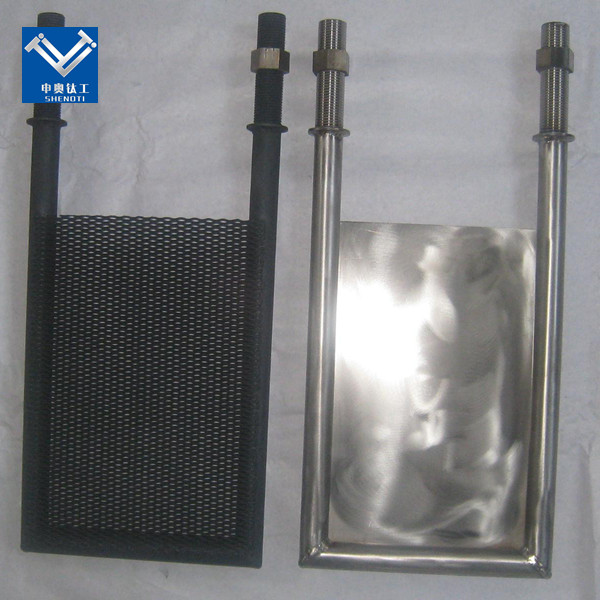
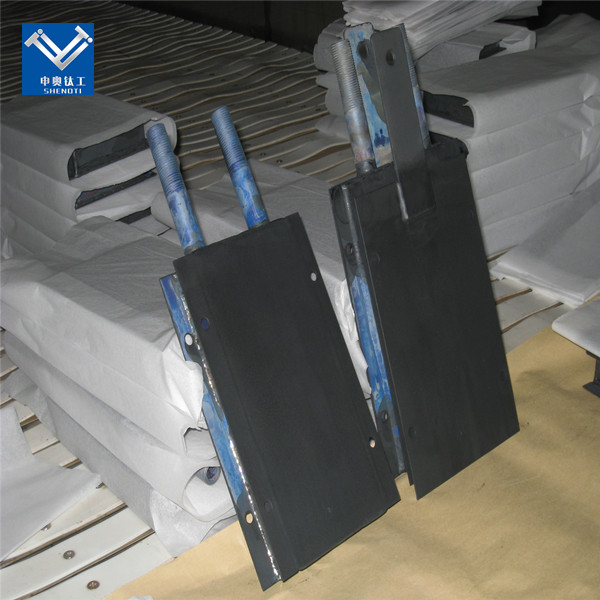
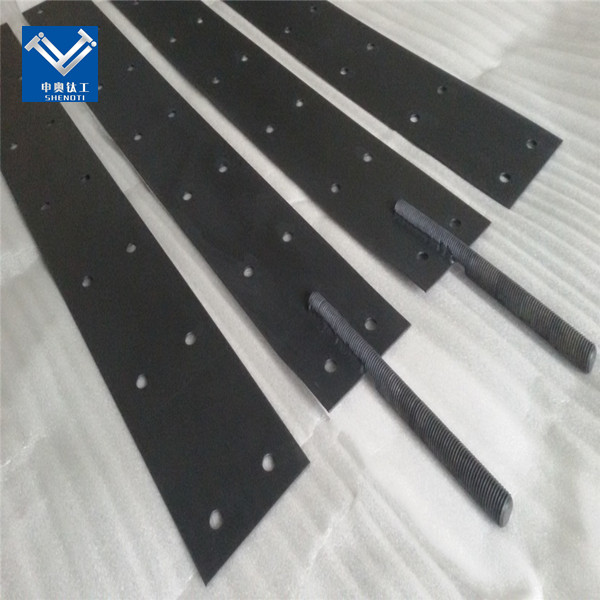
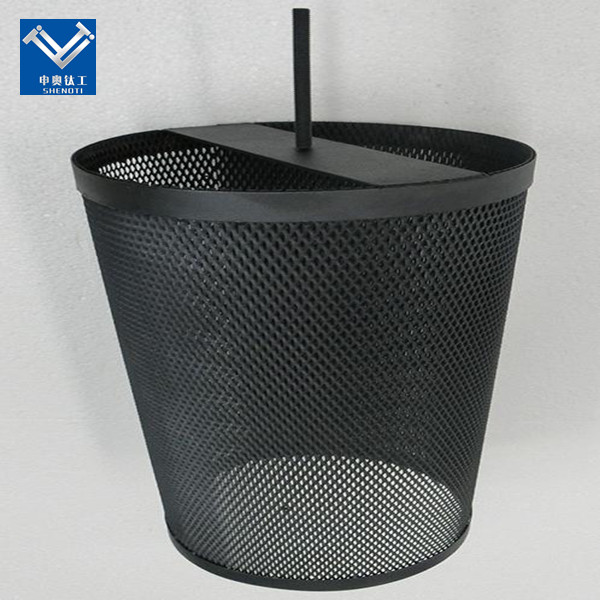
Our titanium anode products can be flexibly adapted in terms of coating formulation, geometry, and operating parameters according to different wastewater characteristics and reactor designs. Whether in plate, mesh, or tubular configurations, the substrate and coating system remain consistent, helping to provide predictable corrosion resistance and electrochemical activity across different application scenarios. The operating temperature tolerance up to 80°C also enables the electrode to accommodate temperature fluctuations that may occur in industrial wastewater treatment.
We encourage environmental engineering firms and industrial users to conduct bench-scale or pilot validation of titanium anodes based on the actual chemical composition, acidity, and operating conditions of their target wastewater. By tracking indicators such as cell voltage stability, current efficiency, electrode appearance changes, and effluent quality, the long-term performance of the titanium anode in specific application environments can be evaluated.
Important Note: The performance descriptions above are based on engineering experience under typical conditions or internal test data. Actual performance may vary depending on wastewater composition, acidity, temperature, and system design. This product is designed for industrial wastewater treatment applications. Sufficient compatibility validation prior to bulk procurement is recommended.
Titanium Anode Manufacturer
Email: zh@baojiti.com.cn
Products: Titanium Anodes, MMO Titanium Anodes, DSA Coated Titanium Electrodes, Electrolysis Electrodes, Hydrogen Production Electrodes, Wastewater Treatment Titanium Anodes.