DSA Coated Titanium Anode for On-Site Chlorine Generation and Stable Disinfection Compliance
2026-06-18 09:28:37
Drinking water disinfection, swimming pool water treatment, and industrial circulating water biocide applications place stringent demands on disinfection efficacy and water quality safety. Traditional commercial sodium hypochlorite dosing solutions face challenges including chemical transportation and storage risks, potency decay, and dosing precision control. On-site chlorine generation technology based on electrolysis principles, using water and a small amount of salt or inherent chloride ions as raw materials to generate active chlorine in situ, is gaining attention as an alternative solution, with the DSA coated titanium anode serving as its core functional component.
In-Situ Chlorine Evolution: The Disinfection Logic of On-Demand Generation
The working principle of on-site chlorine generation systems relies on the electrocatalytic reaction on the anode surface to oxidize chloride ions present in water into active chlorine species such as hypochlorous acid. These active chlorine species enter the water body and exert their disinfection effect immediately upon generation, avoiding the potency decrease and by-product accumulation issues associated with commercial sodium hypochlorite decomposition during prolonged storage.
The coating formulation of the DSA coated titanium anode is typically based on mixed metal oxide systems such as RuO₂-IrO₂. RuO₂ exhibits a relatively low overpotential for the chlorine evolution reaction, contributing to maintaining lower cell voltage and higher current efficiency at a given current density. The introduction of IrO₂ can enhance the electrochemical stability of the coating during long-term operation, delaying performance decay. Through composition ratio and microstructural optimization, the coating tends to maintain stable chlorine evolution activity across a broad range of water quality conditions—from the low chloride ion concentrations typical of drinking water to the higher salinity levels found in pool water or circulating water. The system can precisely control active chlorine generation rates by adjusting the current according to actual demand, enabling on-demand disinfection. Actual chlorine generation efficiency and disinfection effectiveness vary depending on influent chloride ion concentration, flow rate, and operating parameters.
Performance varies based on specific operating conditions. Actual results depend on influent water quality and operating parameters.

Disinfection By-Product Control: Technical Considerations in Coating Design
During on-site chlorine generation disinfection, the formation of disinfection by-products is an important indicator for assessing technical compliance. When organic matter or bromide ions are present in the water, active chlorine may react with them to form halogenated organics or bromate, which requires attention in system design and electrode selection.
The DSA coated titanium anode supports by-product risk control through coating composition optimization. Higher chlorine evolution selectivity contributes to reducing the proportion of the anodic oxygen evolution side reaction, decreasing the generation of ozone or high-valence oxidative species, thereby helping to suppress bromate formation to a certain extent. Furthermore, on-site chlorine generation systems employ a low-concentration continuous dosing mode, avoiding the localized high-concentration active chlorine enrichment associated with traditional shock dosing, contributing to reduced instantaneous formation rates of halogenated by-products. Actual by-product formation levels vary depending on source water quality, organic matter concentration, bromide ion content, and operating parameters. Specific applicability must be assessed according to local drinking water safety regulations.
Engineering Adaptability for the Water Treatment and Disinfection Market
In overseas drinking water treatment, swimming pool operation, and industrial circulating water management markets, operators' requirements for the safety, stability, and compliance of disinfection solutions continue to rise. The DSA coated titanium anode on-site chlorine generation solution, using water and inherent salts as raw materials, reduces the need for hazardous chemical transportation and storage, offering certain advantages in operational safety and supply chain simplification.
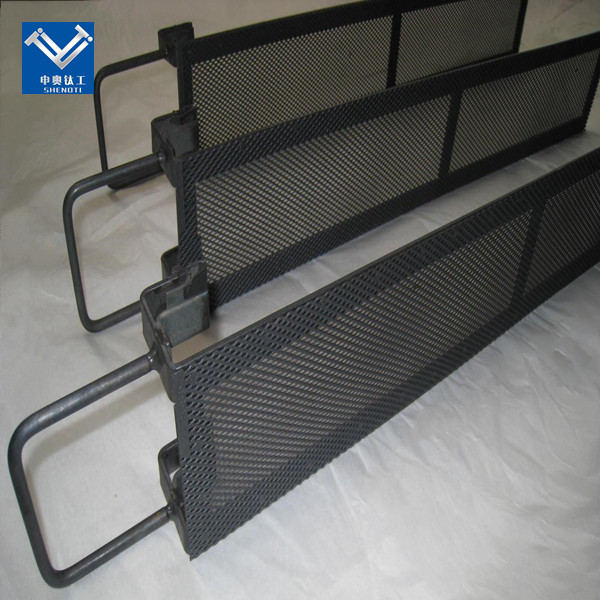
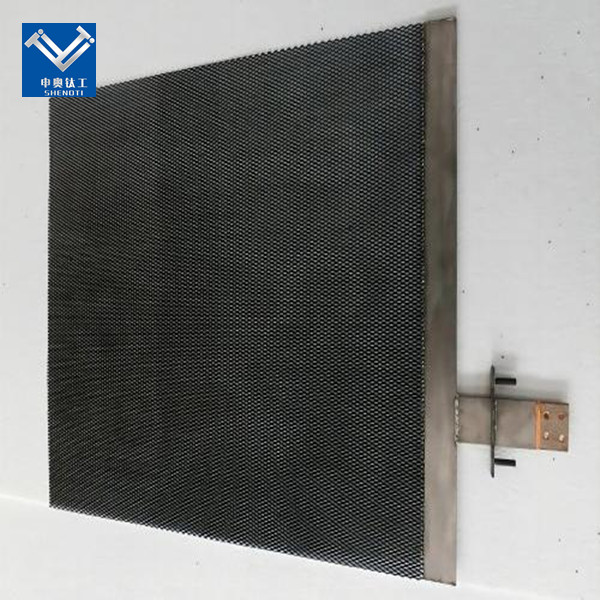
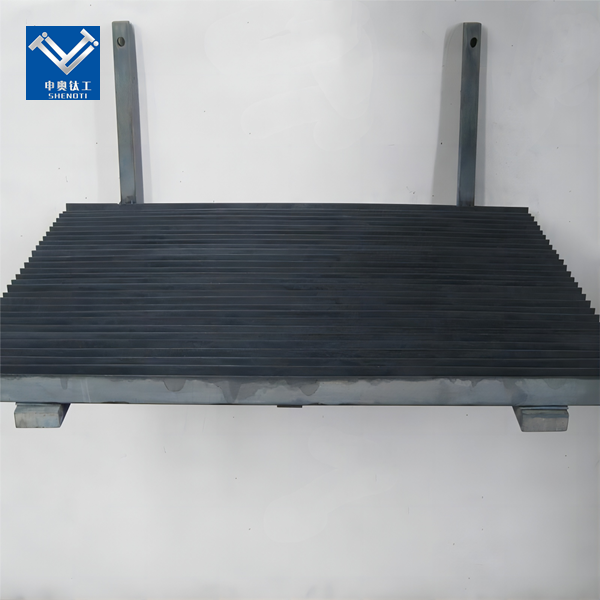
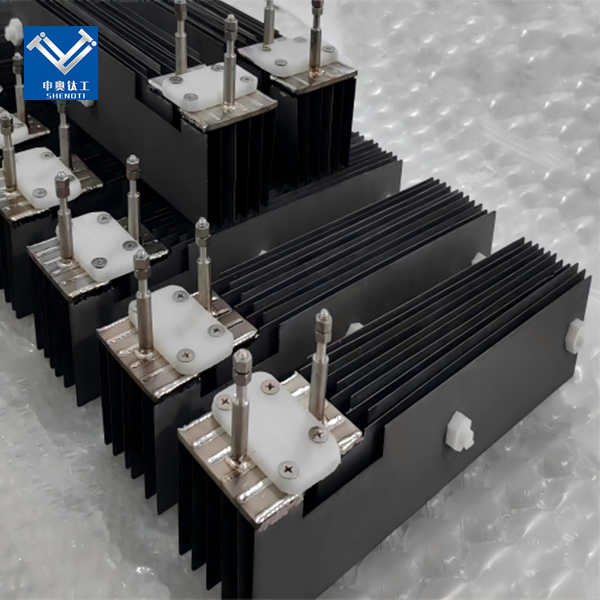
Our DSA coated titanium anode products, built on high-purity titanium substrates and coated with mixed metal oxide systems such as RuO₂-IrO₂, can be customized into plate, mesh, tubular, and other geometric configurations to suit on-site chlorine generators of different scales. We recommend that water treatment equipment integrators and end users conduct pilot validation of DSA coated titanium anodes based on their source water quality characteristics, disinfection requirements, and operating conditions. By tracking indicators such as active chlorine output, current efficiency, disinfection efficacy, and by-product levels, the technical compatibility and long-term operational reliability of the on-site chlorine generation solution in specific application scenarios can be evaluated.
Important Note: The performance descriptions above are based on engineering experience under typical conditions or internal test data. Differences may exist between laboratory data and actual operating conditions. Actual chlorine generation efficiency, disinfection effectiveness, and by-product formation levels vary depending on source water quality, operating parameters, and system design. This product is a water treatment and disinfection equipment component, and its suitability for specific application scenarios must be verified by the user according to local drinking water safety regulations and relevant standards. Sufficient compatibility validation prior to bulk procurement is recommended.
Titanium Anode Manufacturer
Email: zh@baojiti.com.cn
Products: Titanium Anodes, MMO Titanium Anodes, DSA Coated Titanium Electrodes, Electrolysis Electrodes, Hydrogen Production Electrodes, Wastewater Treatment Titanium Anodes.