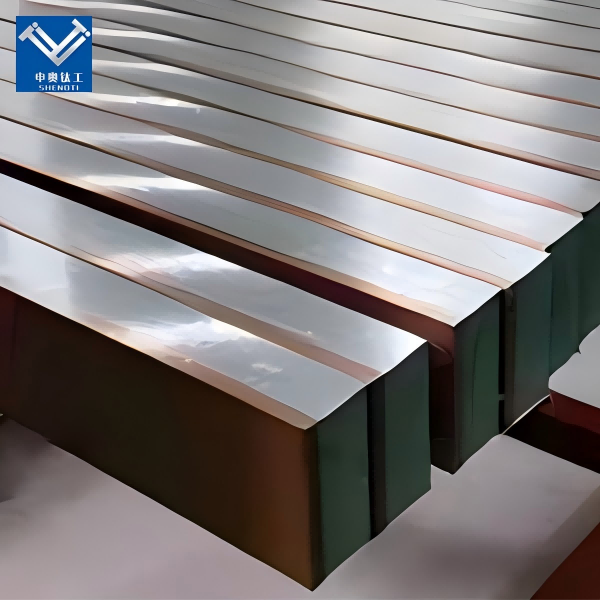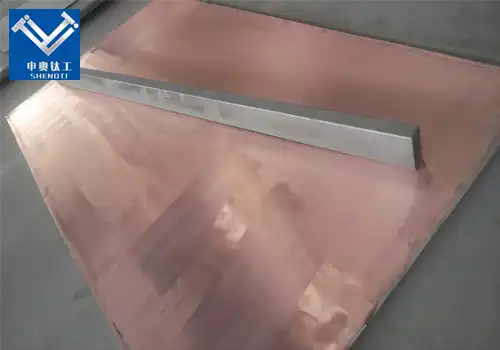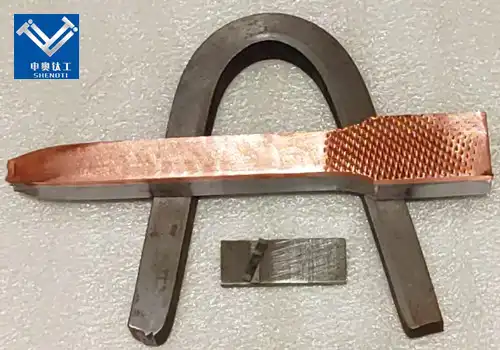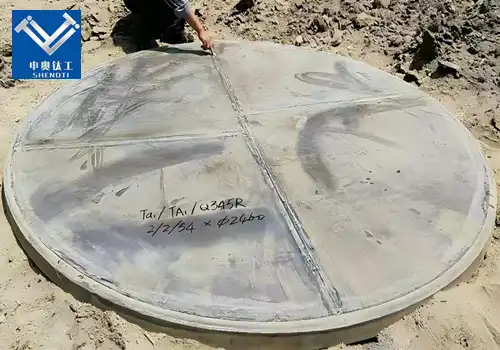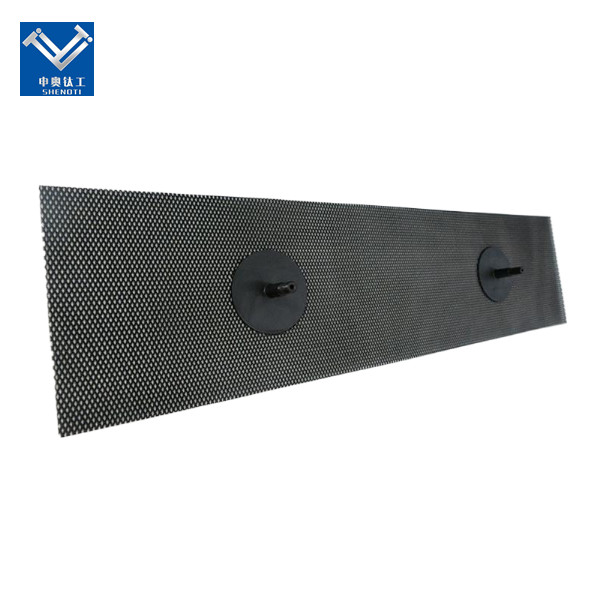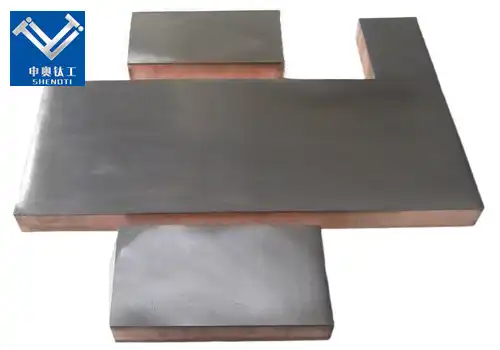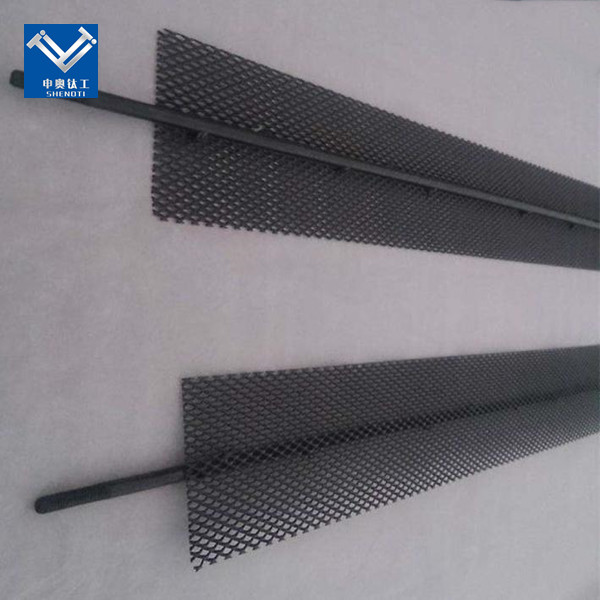
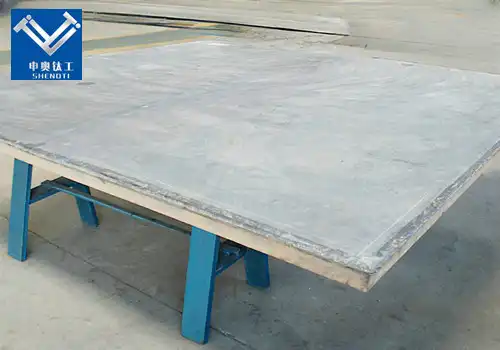
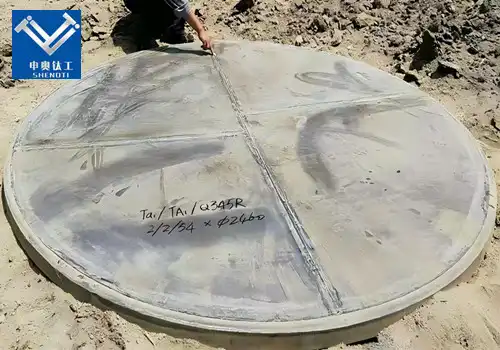
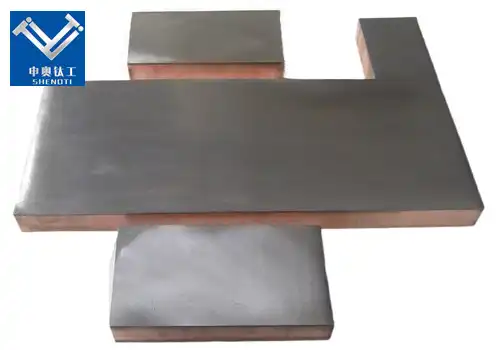
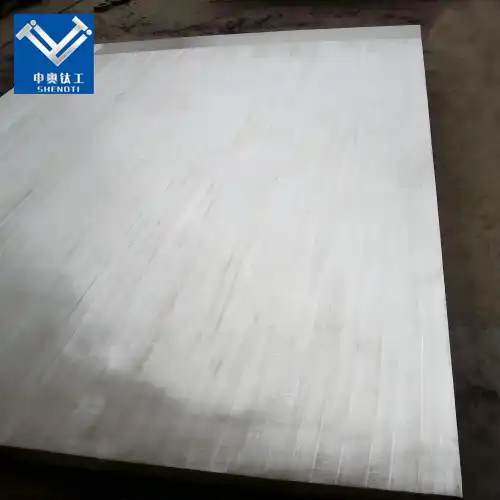
Tantalum steel clad plate


Base Material:Carbon Steel, Stainless Steel
Thickness Range:Tantalum: 0.5–3 mm; Steel: 3–100 mm
Dimensions:Customizable up to 3000x6000 mm
Bonding Technique:Explosive Welding
Corrosion Resistance:Superior against acids and alkalis
Operating Temperature:Up to 300°C
Standards:ASTM B708, ASME SB-265
Tantalum Steel Clad Plate: High-Performance Corrosion Solution for Extreme Environments
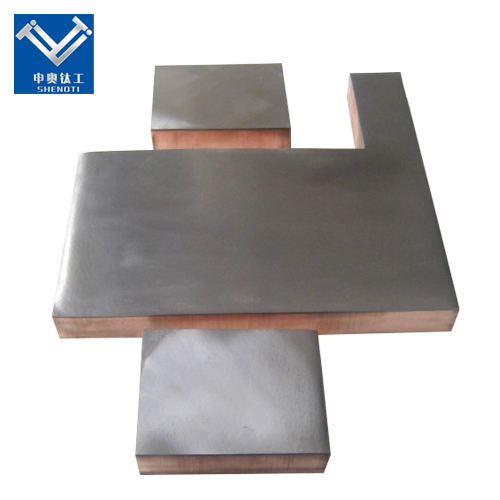
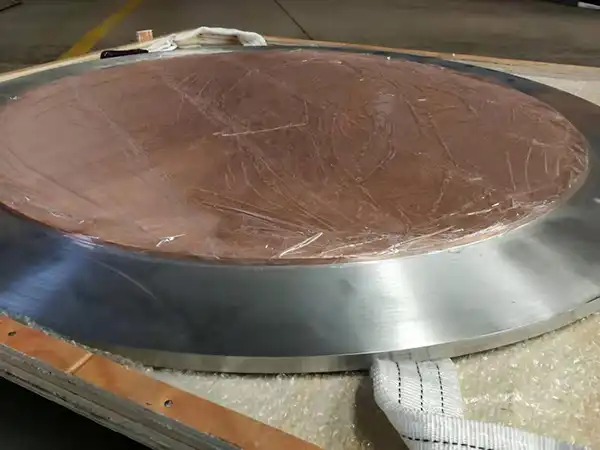
When your operations demand exceptional corrosion resistance without the prohibitive cost of solid tantalum, our Tantalum steel clad plate delivers the perfect solution. Manufactured by Baoji City ShenAo Metal Materials Co., Ltd. through advanced explosive welding technology, this composite material combines a thin tantalum layer (0.5–3 mm) with a robust steel substrate (3–100 mm). You get superior resistance against acids and alkalis up to 300°C operating temperature, with bond shear strength exceeding 140 MPa. Our customizable plates reach dimensions up to 3000×6000 mm, reducing your material costs by up to 80% compared to solid tantalum components while maintaining full compliance with ASTM B708 and ASME SB-265 standards.
What Makes Our Tantalum Steel Clad Plate Different?
Precision Explosive Welding Technology
We make a metallurgical bond between tantalum and your choice of carbon steel or stainless steel base.
This isn't fair layering—it's genuine atomic-level fusion.
The hazardous welding handle creates a unmistakable wavy interface design. This guarantees most extreme holding quality without the grain development issues you'd experience with conventional heat-based methods.
Your vessels and reactors advantage from basic astuteness that keeps going decades.
Cost-Effective Engineering Excellence
Solid tantalum development frequently makes budgetary sense as it were on paper.
In reality, the extraordinary thickness and cost make budget obstructions for large-scale equipment.
Our item tackles this industry torment point exquisitely. You position the tantalum precisely where you require it—on the process-contact surface. The steel substrate handles the basic load-bearing obligations at a division of the cost.
This savvy fabric plan diminishes your capital consumption by 30-50% on chemical preparing hardware.
 |
 |
 |
Technical Specifications
|
Property
|
Specification
|
|
Cladding Material
|
Tantalum (Ta)
|
|
Base Material
|
Carbon Steel, Stainless Steel
|
|
Tantalum Layer Thickness
|
0.5–3 mm
|
|
Steel Substrate Thickness
|
3–100 mm
|
|
Maximum Plate Dimensions
|
Up to 3000×6000 mm (customizable)
|
|
Bonding Technique
|
Explosive Welding
|
|
Bond Shear Strength
|
>140 MPa
|
|
Corrosion Resistance
|
Superior against acids and alkalis
|
|
Operating Temperature
|
Up to 300°C
|
|
Compliance Standards
|
ASTM B708, ASME SB-265
|
Key Industrial Applications
Chemical Processing Industry
Your sulfuric acid concentrators and hydrochloric acid heaters operate beyond the temperature limits of fluoropolymer linings.
Our plates withstand these extreme environments reliably.
Large-scale reactors benefit from tantalum's chemical inertness while the steel backing provides the pressure vessel code compliance you need.
Pharmaceutical Synthesis Equipment
Glass-lined reactors have their place, but fragility becomes a liability with aggressive reagents.
Tantalum steel clad plate offers you zero-contamination performance with high-pressure resilience.
Your synthesis operations run safely with materials that won't compromise product purity.
Heat Exchanger Manufacturing
Tubesheets in agrochemical and specialty chemical production face simultaneous challenges.
Corrosive process media contacts one side while high-pressure steam attacks the other.
The tantalum layer protects against chemical attack. The steel substrate handles the mechanical stress. You get reliable heat transfer equipment with extended service life.
 |
 |
 |
 |
 |
 |
 |
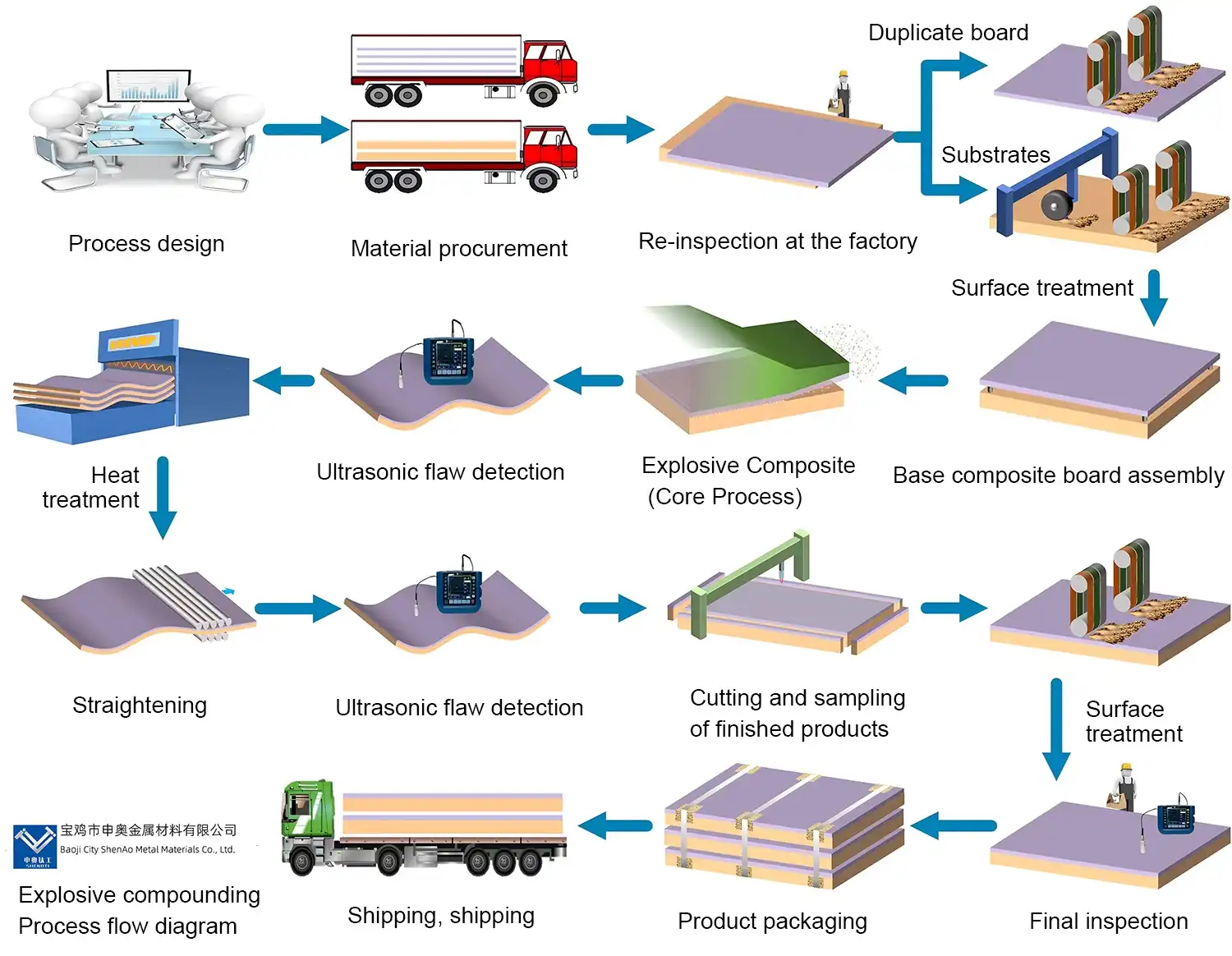
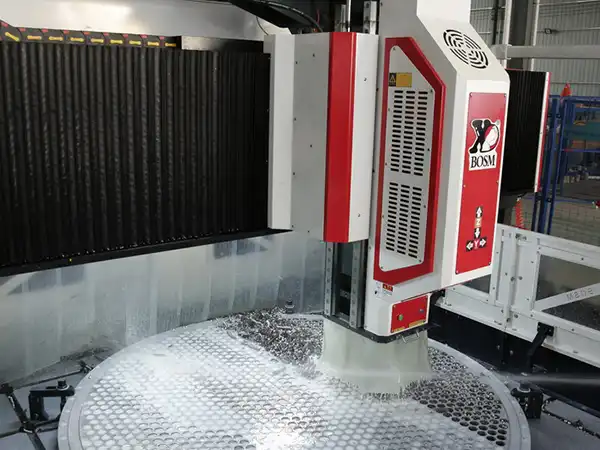
Product production process
Why Partner with ShenAo Metal Materials?
17 Years of Proven Manufacturing Excellence
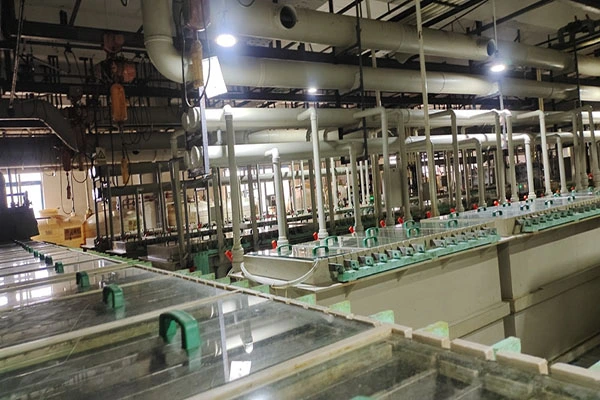
Since 2008, we've specialized in non-ferrous metal composite materials from our facility in China's Titanium Valley.
Our location gives us unmatched access to raw materials and processing expertise.
You benefit from our mature bimetallic explosive welding technology and rigorous quality control systems.
Customization for Your Exact Requirements
No two chemical processes are identical.
We provide tailored specifications for your vessel dimensions, cladding thickness ratios, and base material selection.
Whether you need small-batch testing samples or full production runs, we maintain consistent quality and meet your delivery schedules.
Complete Quality Assurance
Every plate undergoes ultrasonic testing to verify bond integrity.
We conduct destructive shear testing on sample coupons from each production batch.
Your material arrives with full mill test reports and traceability documentation.
 |
 |
 |
 |
 |
 |
 |
 |
 |
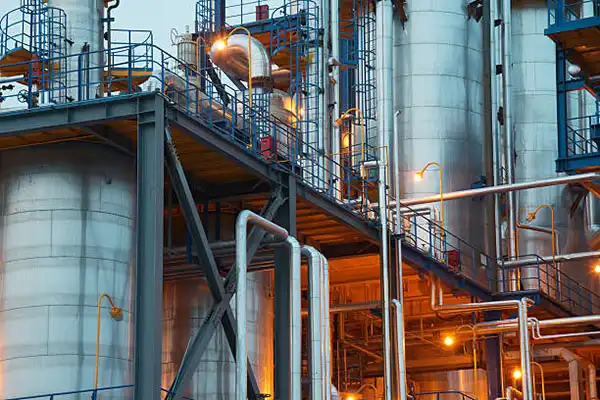
Application Industries
 |
 |
 |
 |
 |
 |
 |
 |
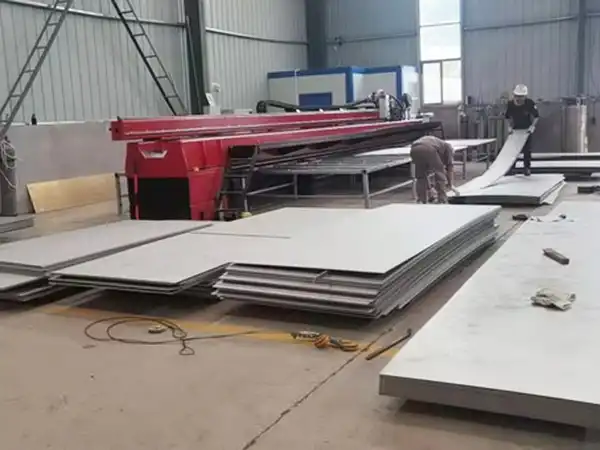
Our Factory
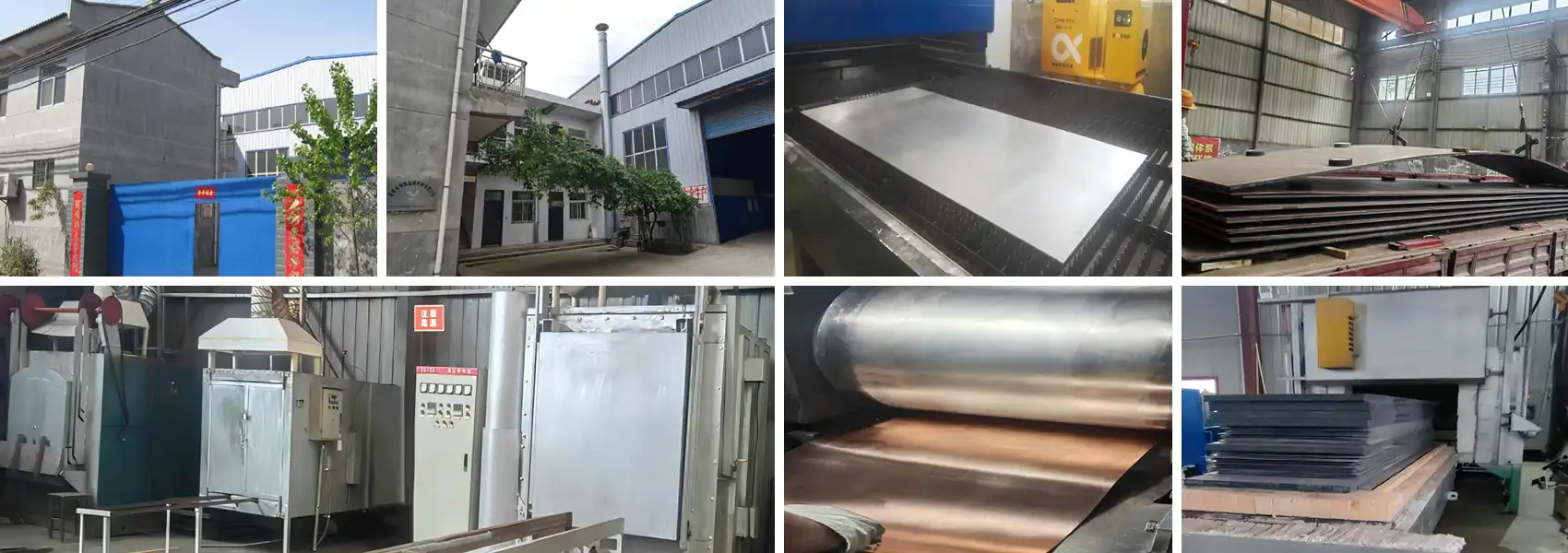
Our Patents and Honors

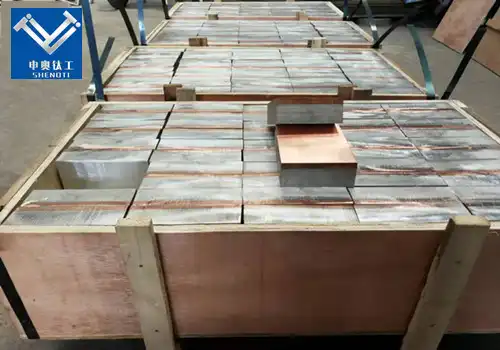
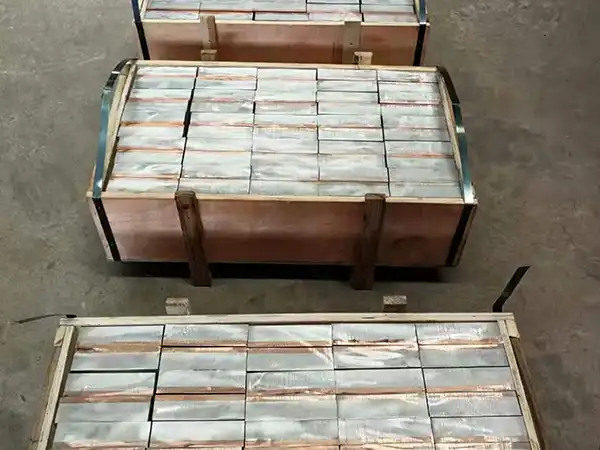
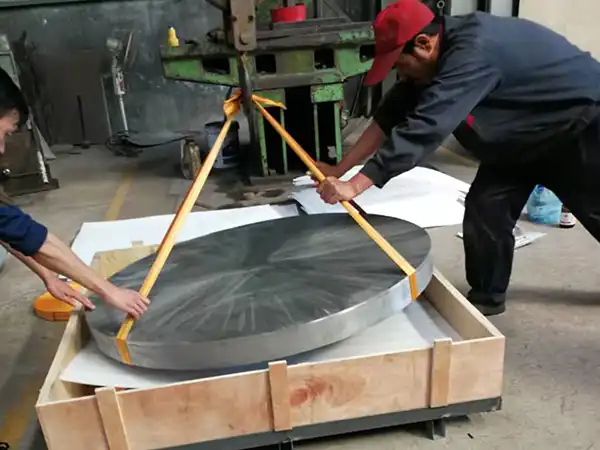
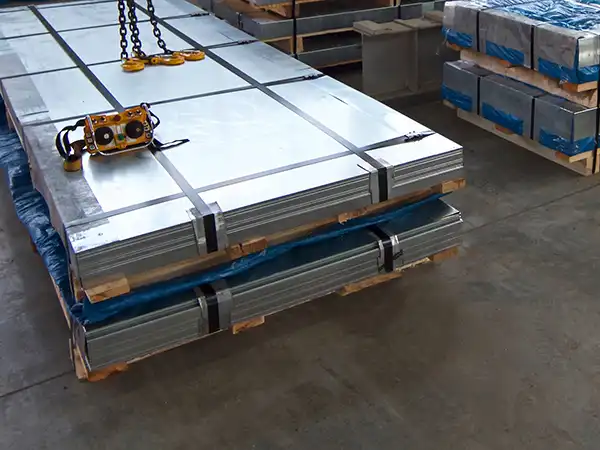
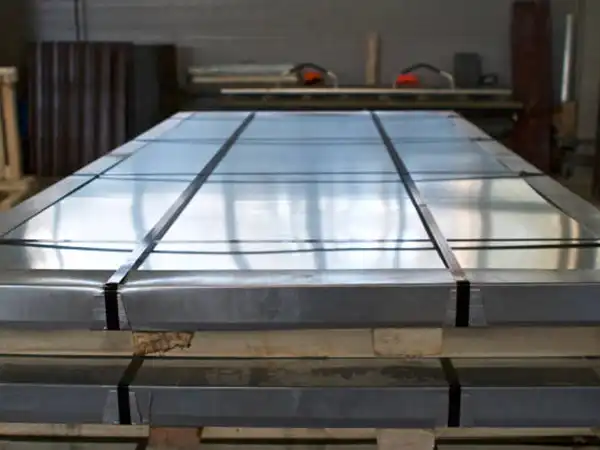
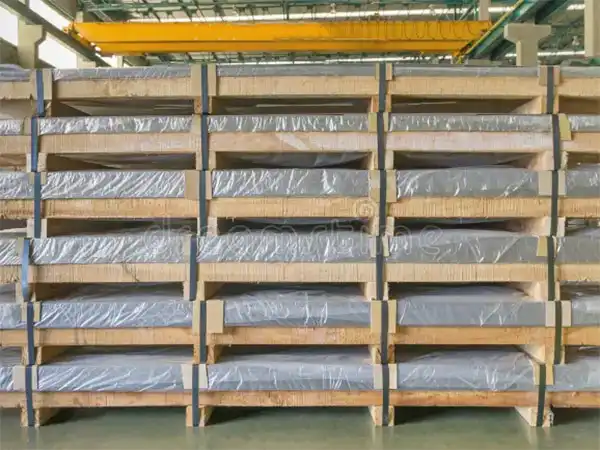
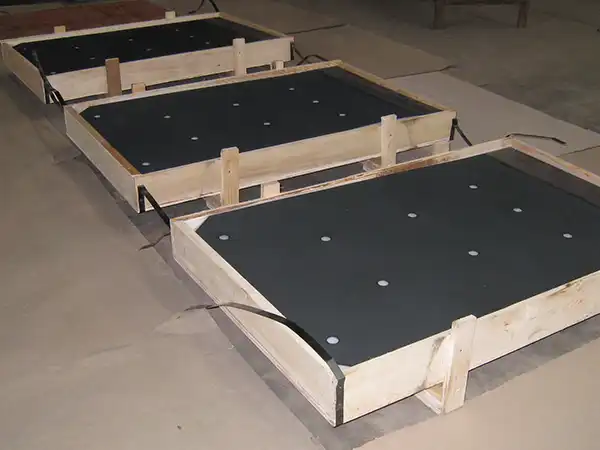
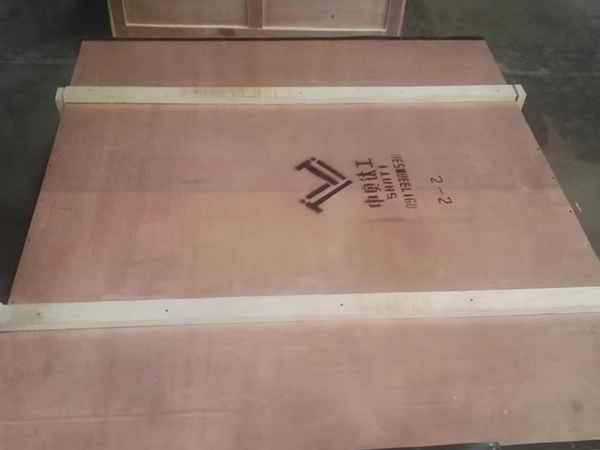
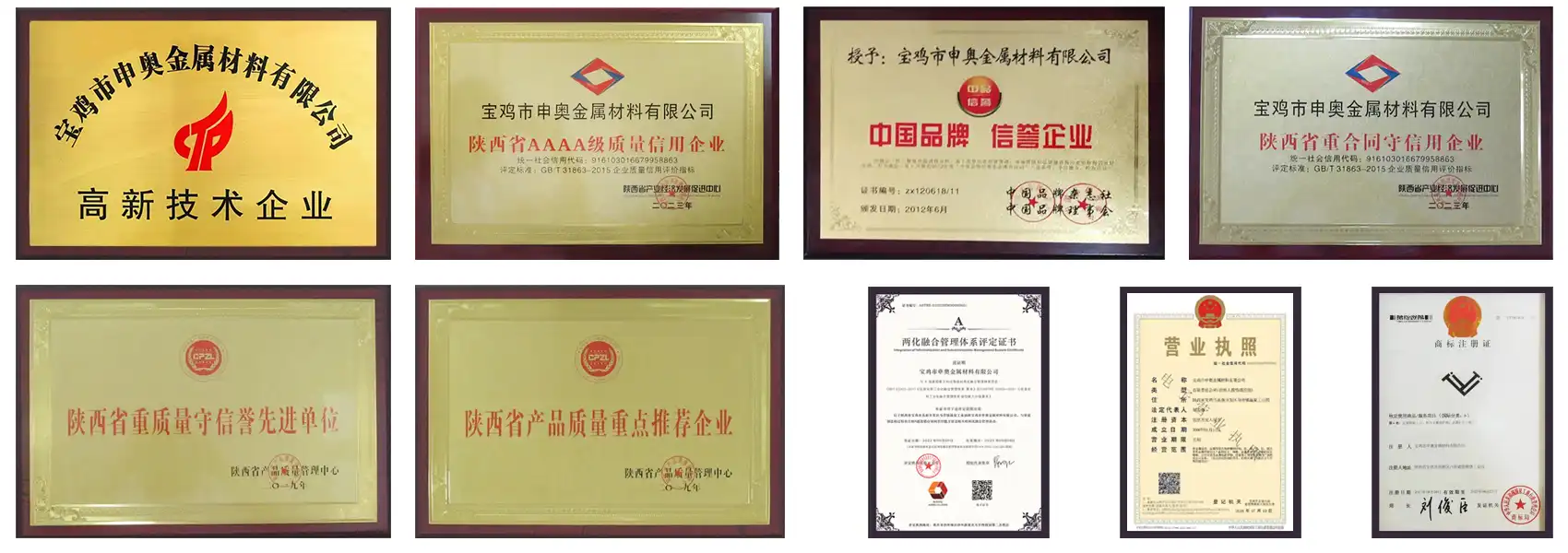 Our Packaging
 |
 |
 |
 |
 |
 |
 |
 |
 |
 |
Frequently Asked Questions
Q: What is the most extreme working temperature for the product?
A: Whereas tantalum itself withstands about 3000°C, the composite plate is constrained by differential warm development between layers. We rate our plates for ceaseless benefit up to 250°C-300°C in vacuum or high-pressure applications. The steel substrate's properties decide the viable upper limit.
Q: How do you weld the item amid vessel fabrication?
A: Coordinate welding of tantalum to steel makes fragile intermetallic compounds. We suggest utilizing specialized 'batten strap' strategies or silver interlayer strategies. This keeps up the erosion barrier's coherence whereas anticipating hurtful metallurgical responses. Our specialized group gives point by point welding strategies for your fabricators.
Q: Can this fabric be utilized in hydrofluoric corrosive service?
A: No. Tantalum is quickly assaulted by hydrofluoric corrosive and fluoride compounds. For HF benefit, consider elective cladding materials like silver or high-nickel combinations. We'll offer assistance you select the fitting composite for your particular chemistry.
Q: What holding strategy do you utilize, and why does it matter?
A: We utilize hazardous welding only. This high-energy handle makes a wavy metallurgical bond without supported tall temperatures. You dodge the grain development and heat-affected zones that debilitate other holding strategies. The result is predominant shear quality and long-term bond reliability.
Q: Does cladding thickness influence your lead time?
A: Yes. Standard 1mm tantalum cladding keeps up our normal generation plan. Thicker layers (2-3mm) may require custom vacuum-arc remelting of tantalum ingots. We'll give exact timelines when you share your details.
Start Your Project Today
Ready to solve your corrosion challenges with engineered composite materials with Tantalum steel clad plate? Contact our technical team at zh@baojiti.com.cn to discuss your specific requirements.
YOU MAY LIKE