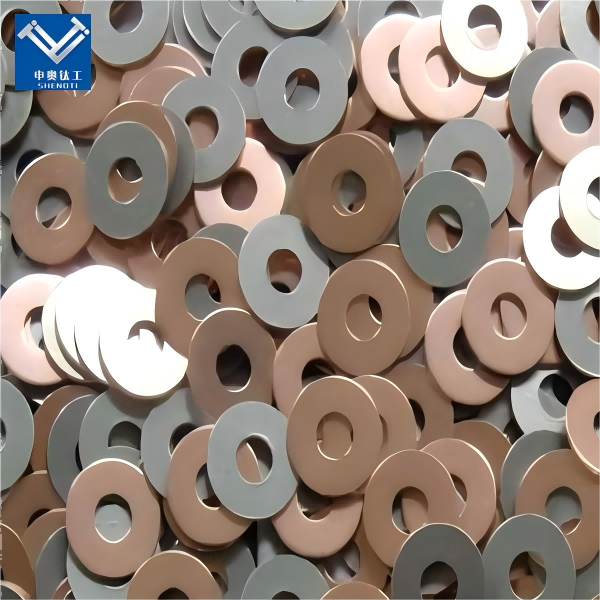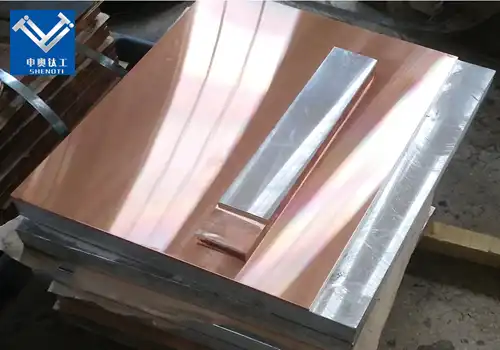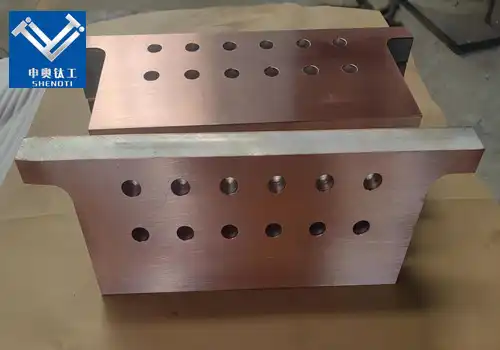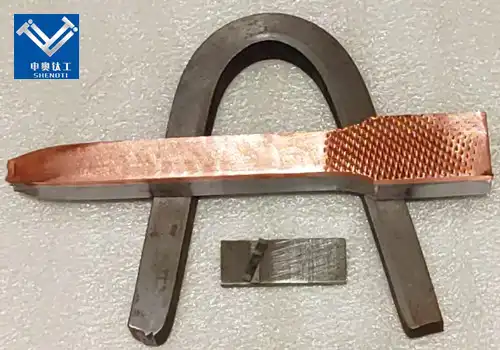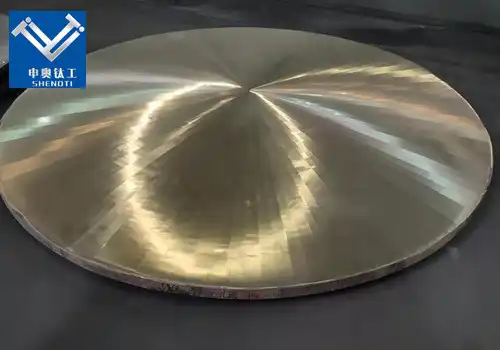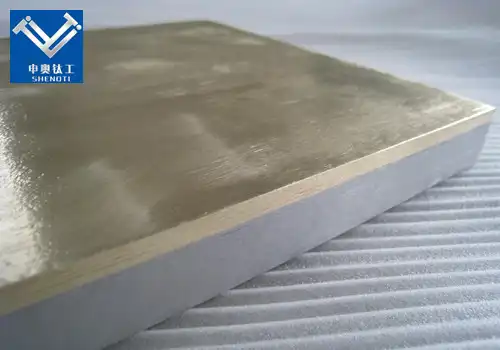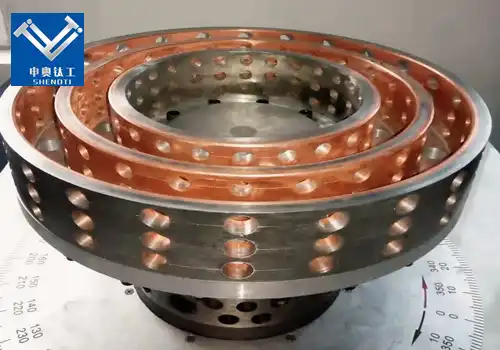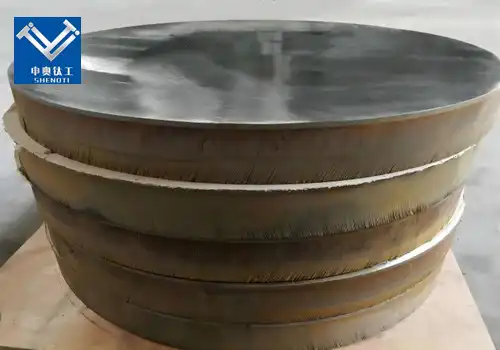
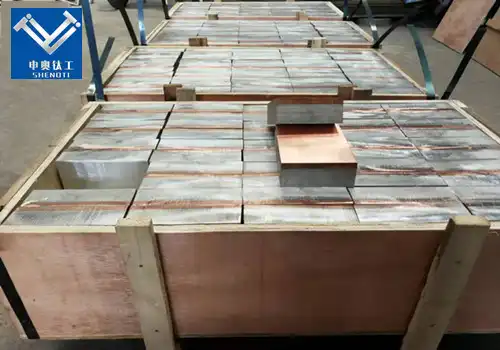
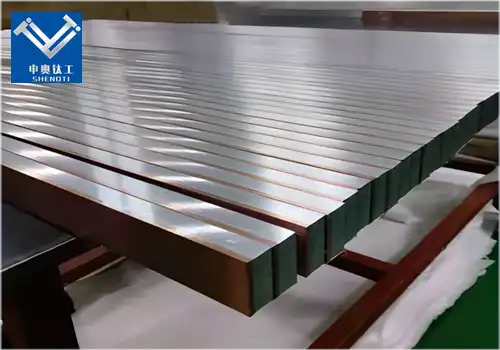
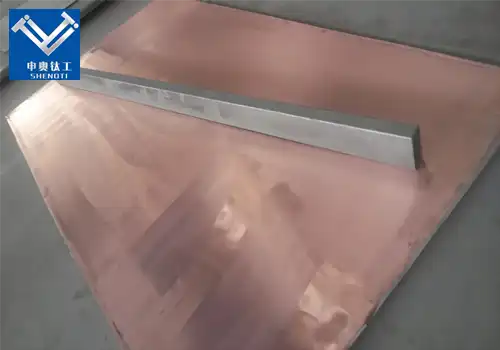
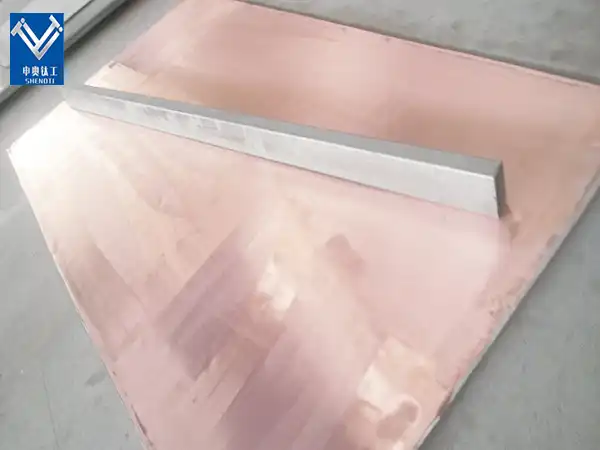
explosion welding copper/aluminum clad plate


Thickness (Copper Layer):1.0 mm – 20.0 mm
Thickness (Aluminum Layer):2.0 mm – 100.0 mm
Length:2000 mm
Width:1000 mm
Bonding Strength:≥ 110 MPa
Electrical Conductivity:≥ 97%
Corrosion Resistance:Excellent in seawater and industrial environments
Operating Temperature:-60°C to 300°C
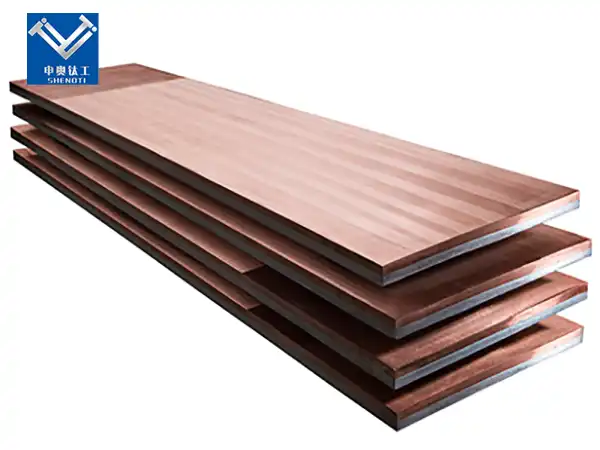
Explosion Welding Copper/Aluminum Clad Plate: Enterprise-Grade Bimetallic Composite Solution
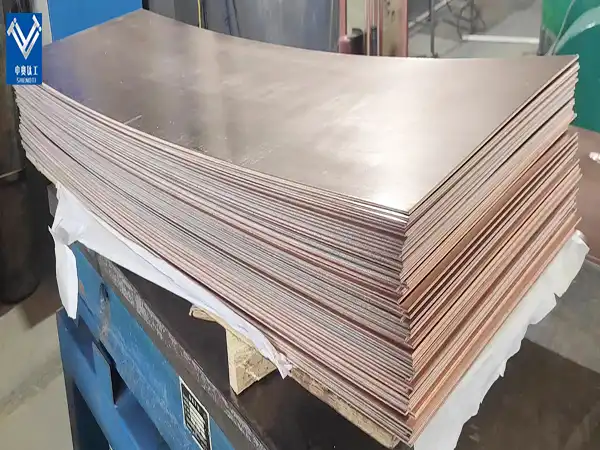
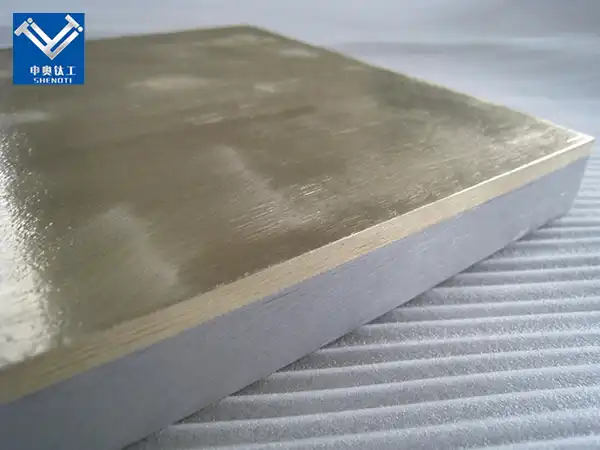
Baoji City ShenAo Metal Materials Co., Ltd. delivers industrial-grade explosion welding copper/aluminum clad plate engineered for high-current and corrosion-critical applications. Our plates feature bonding strength ≥ 110 MPa, electrical conductivity ≥ 97% IACS, and operate reliably from -60°C to 300°C. With 17 years of mature explosive welding technology, we manufacture custom specifications up to 2000 mm × 1000 mm, combining aluminum's lightweight advantage with copper's superior conductivity. Our metallurgically bonded interface achieves ≥99% bonding rate verified by ultrasonic testing, preventing delamination under thermal cycling and heavy machining operations.
Why Choose Our Copper-Aluminum Bimetallic Composite?
Cost-Effective Conductivity
You get the electrical execution of copper where it things most—at the conductive surface—while profiting from aluminum's lightweight center. This plan diminishes fabric costs by 60-70% compared to strong copper busbars, without relinquishing current-carrying capacity.
Metallurgical Bond Integrity
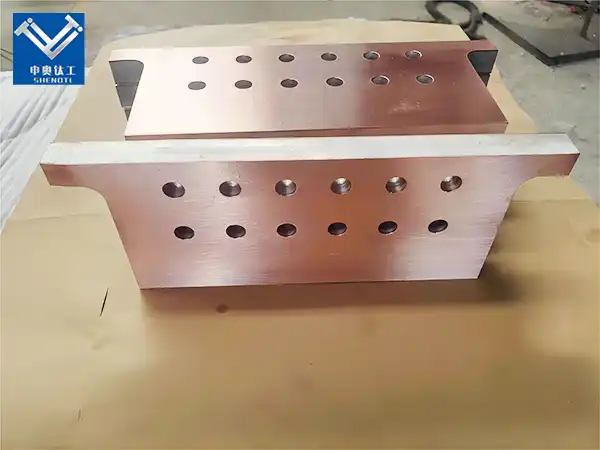
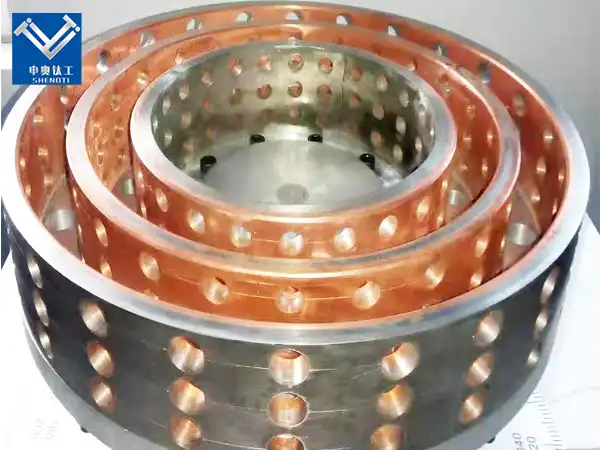
Unlike plated or mechanically affixed joints, our item makes an atomic-level bond. The wavy interface gives mechanical interlocking that withstands extraordinary vibration, warm development, and auxiliary preparing like bowing or drilling.
Corrosion-Free Interface
The waterproof metallurgical bond kills galvanic erosion between different metals. Your associations stay steady in seawater, mechanical airs, and high-humidity situations where conventional shot copper-aluminum joints would fail.
Superior Warm Stability
Operating temperatures run from -60°C to 300°C without bond corruption. The interface keeps up its shear quality through rehashed warm cycling, making it perfect for open air substations and car applications.
 |
 |
 |
 |
 |
 |
Technical Specifications
|
Parameter
|
Value
|
|
Bonding Technique
|
Explosive Welding
|
|
Copper Layer Thickness
|
1.0 mm – 20.0 mm
|
|
Aluminum Layer Thickness
|
2.0 mm – 100.0 mm
|
|
Standard Dimensions
|
2000 mm × 1000 mm (L × W)
|
|
Bonding Strength
|
≥ 110 MPa
|
|
Electrical Conductivity
|
≥ 97% IACS
|
|
Bonding Rate
|
≥ 99% (ultrasonic verified)
|
|
Operating Temperature
|
-60°C to 300°C
|
|
Corrosion Resistance
|
Excellent (seawater & industrial)
|
|
Shear Strength
|
Typically > 70 MPa
|
Key Industrial Applications
Power Distribution Systems
You'll find our plates serving as transition connectors in Gas Insulated Switchgear (GIS), linking aluminum busbars to copper terminals. This eliminates overheating at connection points and extends equipment life in high-voltage substations.
New Energy Vehicles
Battery pack manufacturers use our composite in busbars and liquid cooling plates. The explosion welding copper/aluminum clad plate reduces vehicle weight while maintaining the high current capacity needed for fast charging systems.
Electrometallurgical Operations
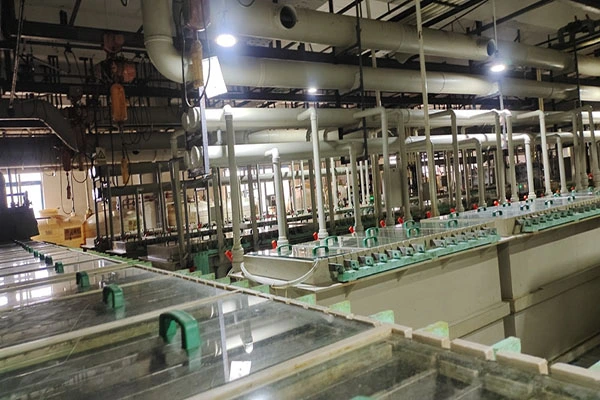
In zinc and copper electrowinning facilities, our plates function as conductive hanger bars. The copper surface handles high-amperage loads while the aluminum core provides structural rigidity in corrosive acidic mist environments.
 |
 |
 |
 |
 |
 |
 |
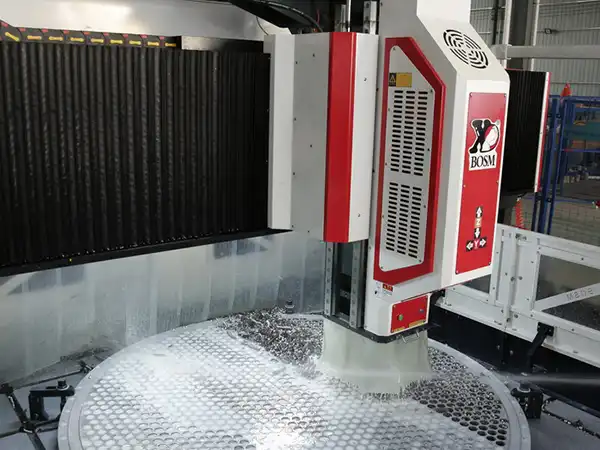
Product production process
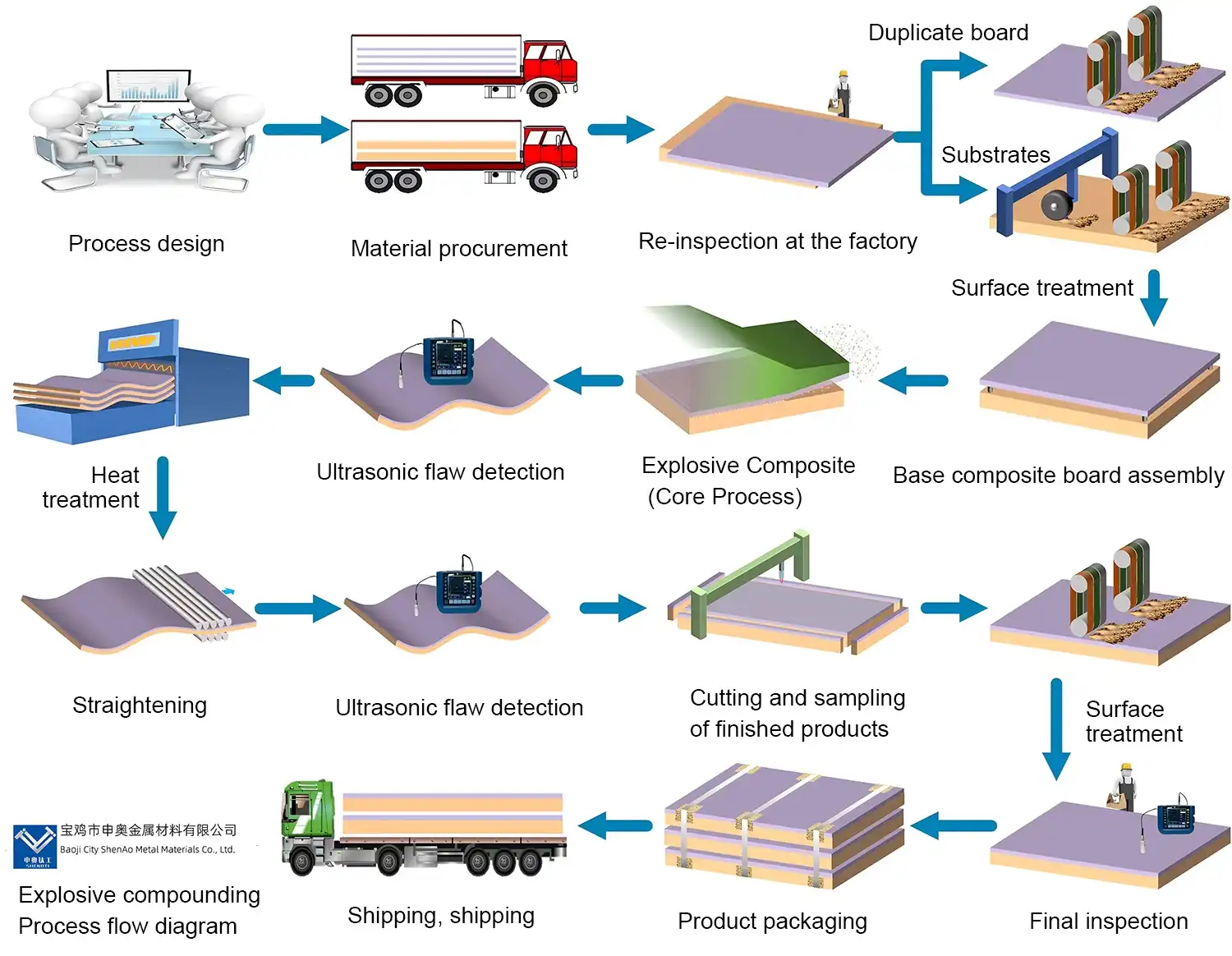
Manufacturing Excellence You Can Trust
17 Years of Explosive Welding Expertise
Since 2008, we've culminated the controlled explosion prepare that bonds copper to aluminum without dissolving either metal. This solid-state joining avoids delicate intermetallic arrangement whereas making a bond more grounded than the base aluminum itself.
Customization for Your Specifications
We alter copper-to-aluminum thickness proportions to coordinate your conductivity and weight prerequisites. Whether you require 10:90 for most extreme lightweighting or 30:70 for upgraded conductivity, we convey exact specifications.
Quality Affirmation at Each Stage
Our generation takes after strict handle controls with ultrasonic testing confirming bond astuteness over 100% of the plate surface. You get certified test reports with each shipment, recording holding rate, shear quality, and conductivity estimations.
 |
 |
 |
 |
 |
 |
 |
 |
 |
Application Industries
 |
 |
 |
 |
 |
 |
 |
 |
Our Factory
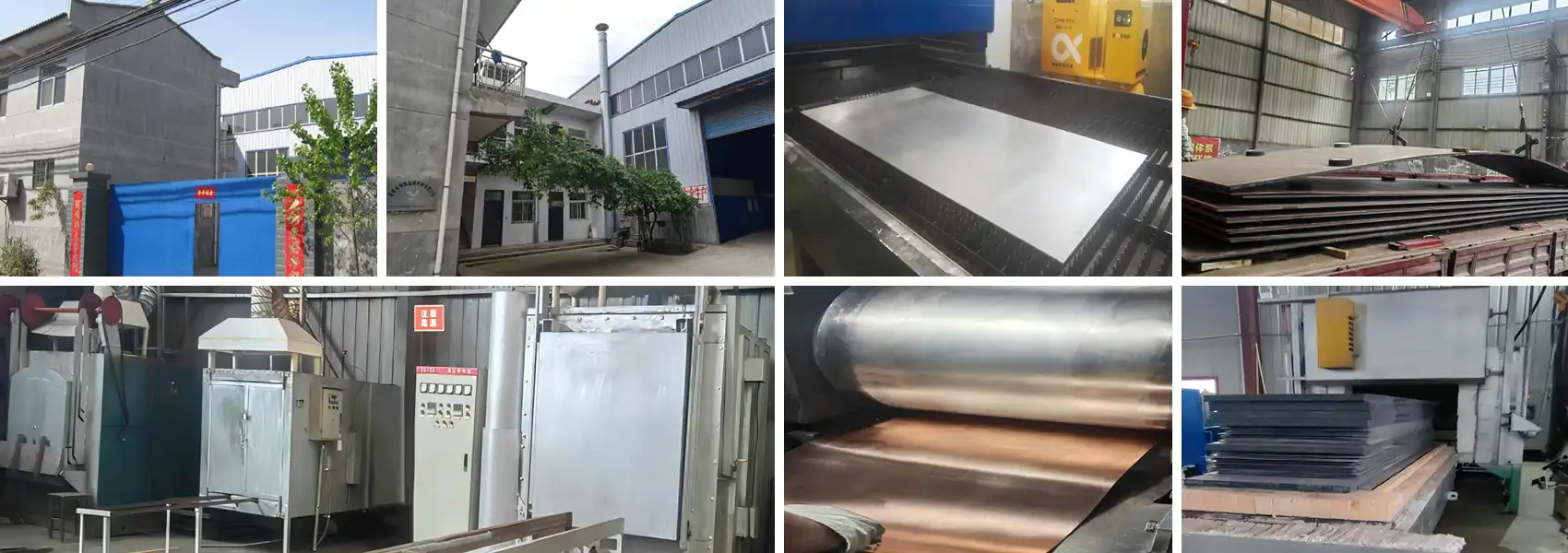
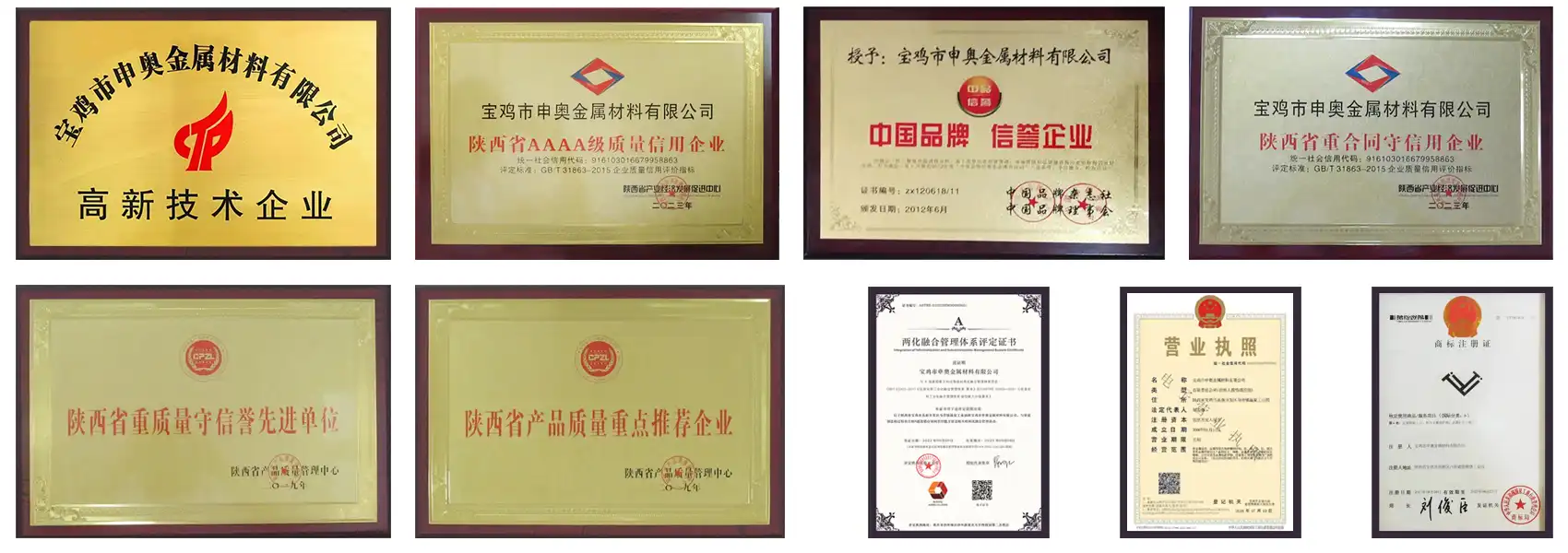
Our Patents and Honors

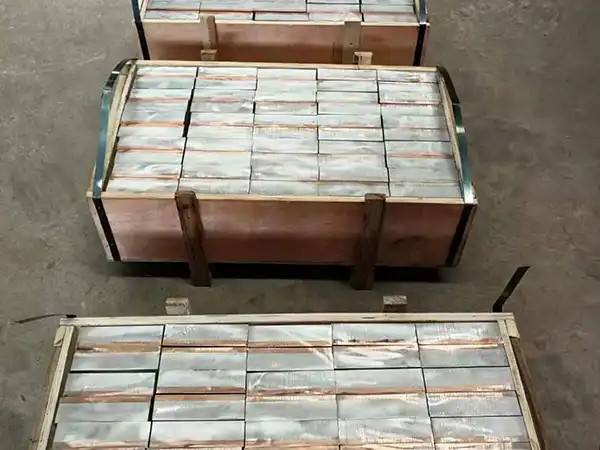
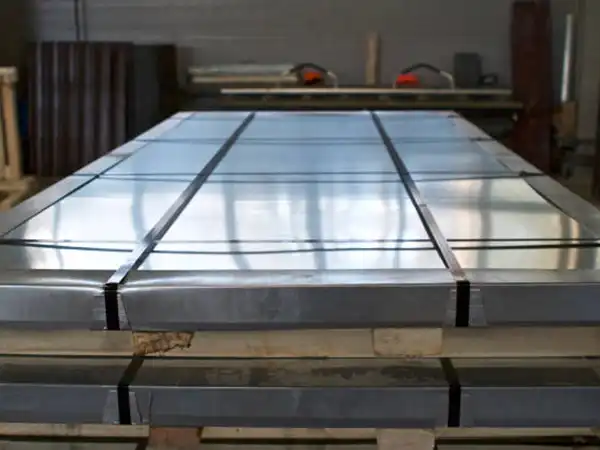
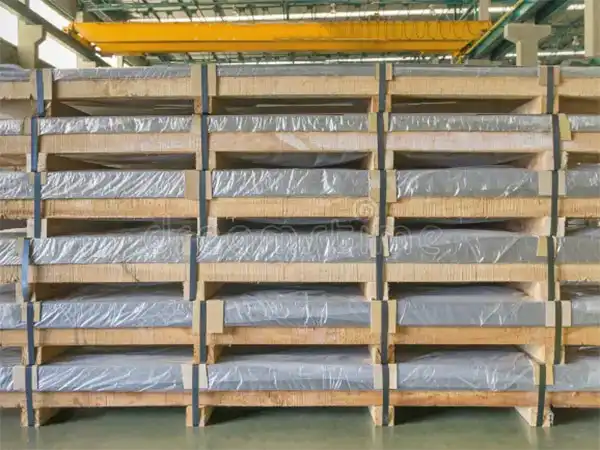
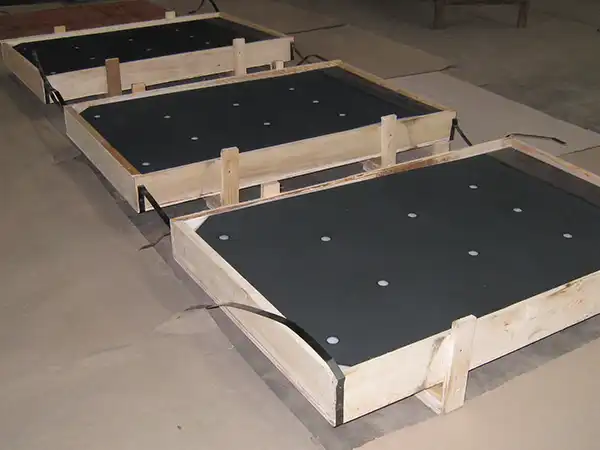
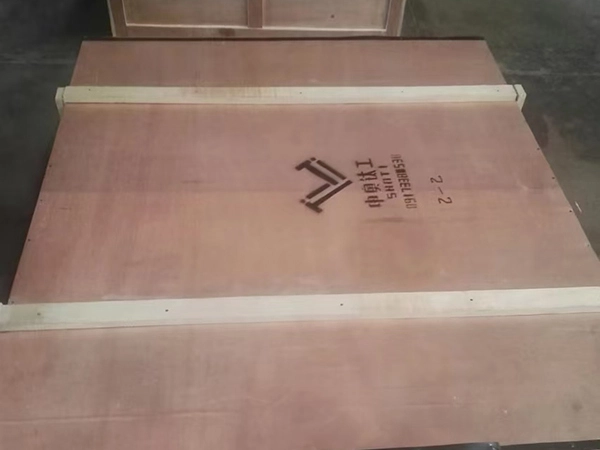
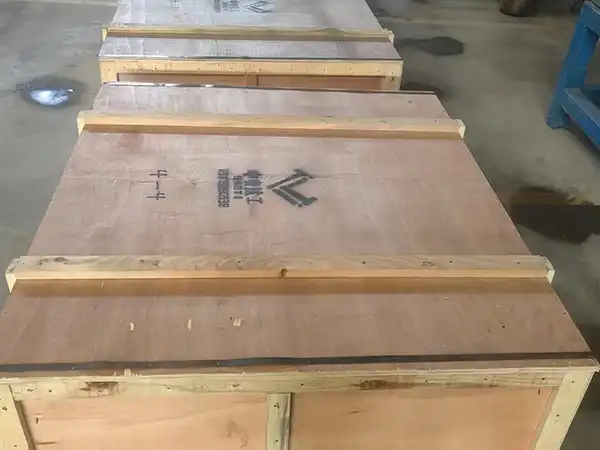
 Our Packaging
 |
 |
 |
 |
 |
 |
 |
 |
 |
 |
Frequently Asked Questions
Q: How does this vary from copper-plated aluminum?
A: Plating makes a lean surface layer inclined to peeling beneath machining or tall current. Our item highlights a profound metallurgical bond—you can machine, penetrate, or twist the plate without uncovering the aluminum core.
Q: Can I weld these plates?
A: Yes. TIG, MIG, and laser welding are all consistent, in spite of the fact that you'll require balanced parameters to account for the diverse dissolving focuses of copper (1085°C) and aluminum (660°C). We give welding rules with your order.
Q: What copper-to-aluminum proportion ought to I specify?
A: The industry standard is 20:80 by volume, adjusting conductivity with weight reserve funds. For most extreme current capacity, consider 30:70. For aviation weight limitations, 10:90 works well.
Q: Will the bond fall flat beneath warm cycling?
A: No. The metallurgical interface remains steady through rehashed warming and cooling inside our -60°C to 300°C working run. Over 300°C, intermetallic compounds may frame, so keep up working temperatures inside specification.
Q: Is this cost-effective for little projects?
A: Whereas unit fabric fetched surpasses essential aluminum, you pick up critical reserve funds in establishment labor (no uncommon clasp required), transportation (diminished weight), and upkeep (killed joint disappointments). The return on venture scales with venture estimate.
Contact Us for Custom Solutions
Ready to optimize your design with bimetallic composites with explosion welding copper/aluminum clad plate? Email us at zh@baojiti.com.cn for technical specifications and quotations tailored to your application.
YOU MAY LIKE