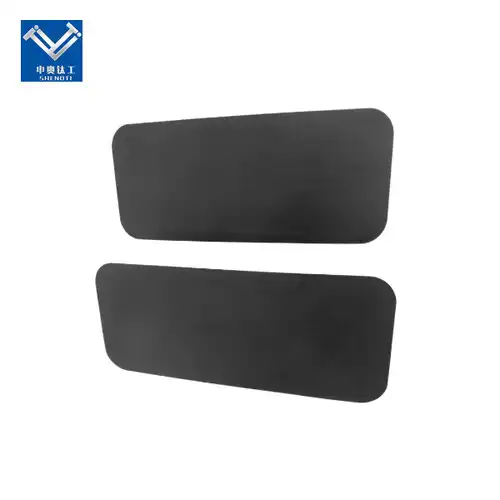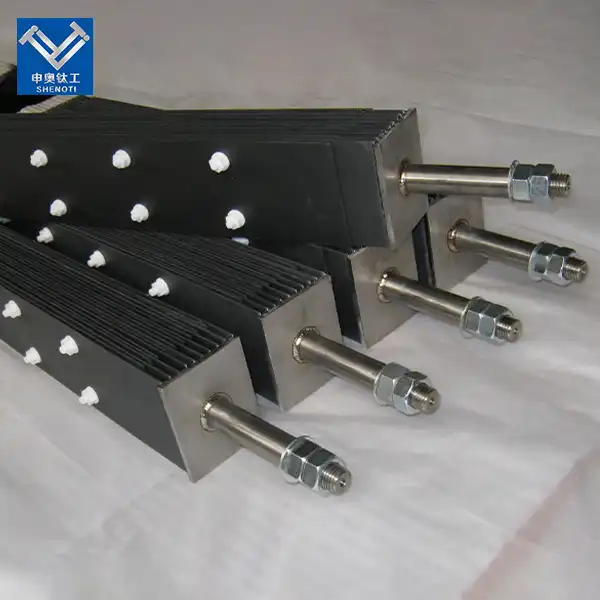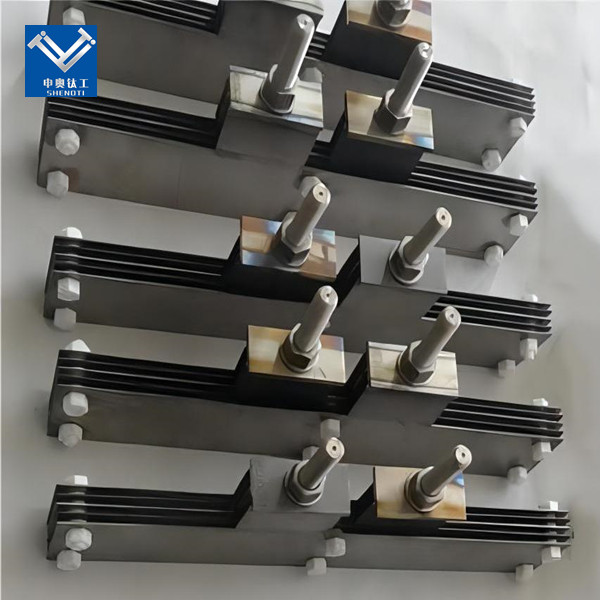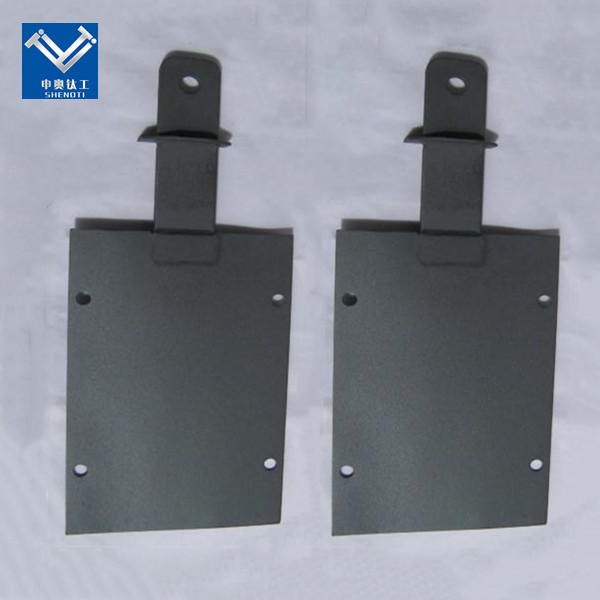
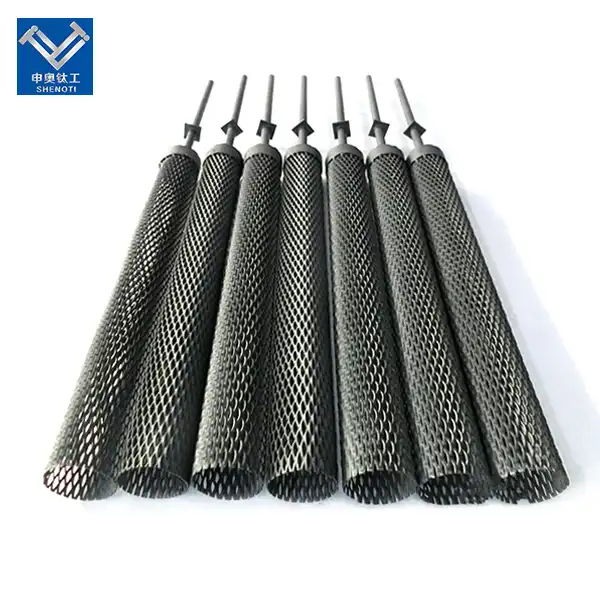
Titanium Mesh Cylinder Anode for Wastewater Treatment


Coating: Mixed Metal Oxide (MMO)
Coating Structure: Dense and highly conductive catalytic layer
Custom made: Mesh Cylinder (Standard), Plate, Tube, and Customed
Expected Lifespan: Capable of consistent output across long-duration applications
Advantage:
High electrocatalytic activity
Strong corrosion resistance
Long service life
Dimensionally stable
Titanium Mesh Cylinder Anode for Wastewater Treatment
In the electrochemical treatment of industrial wastewater, the catalytic activity, structural design, and durability of the anode directly determine pollutant degradation efficiency and the long-term operating cost of the system. Our Titanium Mesh Cylinder Anode for Wastewater Treatment at Baoji City ShenAo Metal Materials Co., Ltd. is designed specifically for flow-through or immersion electrochemical oxidation treatment of various industrial wastewaters. It uses Grade 1 or Grade 2 pure titanium expanded mesh or woven mesh rolled and welded into a cylindrical substrate, with a noble metal oxide catalytic coating on the surface. The mesh cylinder structure provides 360° omnidirectional flow channels for the wastewater, working in conjunction with an internal or external cathode to form a uniform electric field distribution. The coating maintains stable electrocatalytic activity in complex wastewater systems containing organics, high salinity, and wide pH fluctuations, achieving deep oxidative degradation of organic pollutants through strong oxidizing species such as hydroxyl radicals generated at the anode surface. The anode maintains a stable chemical state during operation, minimizing the risk of metal ion dissolution, making it suitable for the electrochemical treatment of refractory wastewater from pharmaceutical, textile dyeing, chemical, electroplating, and landfill leachate industries.
This product is for B2B Industrial Use Only. Operators should follow relevant chemical safety protocols and wastewater treatment operation standards.
Technical Specifications
|
Substrate Material |
Grade 1/2 Pure Titanium Mesh |
|
Coating Type |
Iridium-Tantalum (IrO₂-Ta₂O₅), Iridium-Tin (IrO₂-SnO₂), or Ruthenium-Iridium (RuO₂-IrO₂), customized per wastewater system |
|
Coating Thickness |
5–20 μm (adjusted based on current density and wastewater composition) |
|
Coating Loading |
10–200 g/m² (customized for rated current density) |
|
Current Density Range |
50–1,500 A/m² (adjusted based on treatment targets and wastewater conductivity) |
|
Operating Voltage Window |
0.8 V–4.0 V (typical wastewater electrolysis potential range) |
|
Cylinder Dimensions |
Φ100mm–Φ500mm (common), length customized per design, other specifications available upon request |
|
Mesh Type |
Expanded mesh, woven mesh, open area ratio 30%–60% |
Why Choose Our Titanium Anodes?
- Mesh Cylinder Structure Optimized for Wastewater Treatment Flow Field and Mass Transfer Efficiency
The titanium mesh cylinder is formed by rolling and welding, with uniformly distributed mesh openings providing 360° omnidirectional flow channels for the wastewater. Wastewater flows smoothly through the cylinder wall radially and axially, forming a uniform electric field distribution with the internal or external cathode to ensure sufficient oxidative degradation of organic pollutants at the anode surface. The high open area ratio of the mesh cylinder structure resists clogging when treating wastewater containing suspended solids, facilitates rapid venting of gases generated during electrolysis, and reduces cell voltage rise caused by gas blockage. - Coating Formulation Customization for Different Wastewater Types
Different industrial wastewaters vary significantly in pollutant composition and electrolyte conditions, each placing distinct demands on the anode coating. Chloride-containing wastewater emphasizes chlorine evolution activity for efficient indirect oxidation via active chlorine, while phenol-containing or high-COD organic wastewater emphasizes oxygen evolution activity for direct oxidation via hydroxyl radicals. Our coating formulation can be optimized based on your wastewater type and water quality parameters, achieving a favorable balance between pollutant-specific degradation efficiency and long-term coating stability. - Chemical Stability in Complex Wastewater Environments
Industrial wastewater often contains acids, alkalis, salts, and various organic and inorganic pollutants, exerting continuous chemical attack on electrode materials. Our coating formulation is optimized to maintain a low corrosion rate and good structural integrity in wastewater with wide pH fluctuations, high salinity, and complex compositions, making it suitable for long-term continuous wastewater treatment processes. - Customized Cylinder Design and Convenient Installation and Maintenance
We can customize the diameter, length, mesh specifications, and conductive connection method of the anode mesh cylinder based on your treatment equipment dimensions, treatment flow rate, and installation requirements. The cylinder can be designed with single-end or double-end flanged connections for rapid integration with existing wastewater treatment equipment. When the anode reaches the end of its service life, it can be independently replaced. We also offer used anode mesh cylinder inspection and recoating services, helping you reduce long-term operation and maintenance costs.
|
|
|
|
|
|
|
|
|
|
|
|





Real-World Applications
- Water Treatment and Disinfection: Used for the electrochemical advanced oxidation treatment of refractory organic pollutants in pharmaceutical wastewater, textile dyeing wastewater, chemical wastewater, and landfill leachate, covering the deep degradation and mineralization of industrial wastewater with high COD, high salinity, and toxic organic content.
- Industrial Wastewater Treatment: Used for the electrochemical oxidation treatment of toxic and hazardous wastewater containing phenols, aldehydes, and halogenated organics from the fine chemical, pesticide, and petrochemical industries, achieving compliance discharge or pretreatment of hard-to-treat wastewater.
- Hydrometallurgy and Metal Recovery: Used for the decomplexing pretreatment of metallurgical wastewater containing heavy metals and organic complexing agents, destroying the stable structure of metal-organic complexes through anodic oxidation to release metal ions for subsequent recovery or precipitation removal.
- Chlor-Alkali and Halogen Chemical Production: Used for the indirect electrocatalytic oxidation of saline organic wastewater, utilizing chloride ions in the wastewater to generate active chlorine at the anode for indirect oxidative degradation of organic pollutants, applicable to the comprehensive treatment of chloride-containing chemical wastewater.


The ShenAo Advantage
18 Years of Fabricating Excellence
Since 2008, we've specialized in valuable metal coated titanium anodes from our office in Baoji's "China Titanium Valley." Our develop bimetallic hazardous welding innovation and progressed coating forms provide items you can trust.
Customization for Your Correct Needs
Every generation line is diverse. We give custom fitted arrangements coordinating your particular current thickness necessities, electrolyte composition, and operational parameters. Whether you require little bunch testing or full-scale generation amounts, we convey on time.
Cost-Effective Lifecycle Management
When coating exhaustion happens, you do not dispose of the whole anode. Our proficient recoating benefit strips the ancient oxide layer, sandblasts the substrate, and reapplies new MMO coating. This expands resource life and decreases your add up to taken a toll of proprietorship considerably.

Frequently Asked Questions
Q: How do I select the appropriate anode coating based on wastewater type?
A: It primarily depends on the type and concentration of organic pollutants and the electrolyte composition in the wastewater. For wastewater containing aromatic pollutants such as phenols and dyes with moderate COD concentration, iridium-tantalum coatings offer a favorable balance between oxidation efficiency and service life. For wastewater with higher chloride ion content, ruthenium-iridium coatings can be used, utilizing the active chlorine generated from chlorine evolution for indirect oxidation. You can provide your wastewater quality report, and our engineers will recommend a matched coating solution.
Q: How are the open area ratio and mesh specifications of the cylinder selected?
A: The selection of mesh specifications requires comprehensive consideration of the treatment flow rate, flow velocity, and suspended solids content. A higher open area ratio facilitates water flow and gas venting, and resists clogging when treating wastewater containing suspended solids. An open area ratio between 30% and 60% is generally recommended, with mesh opening sizes determined based on the equipment cylinder diameter and internal structure design. You can provide the design parameters of your treatment equipment and water quality conditions, and our engineers will recommend matched mesh specifications.
Q: What factors affect the service life of the anode mesh cylinder?
A: Key factors include the pH value, chloride ion concentration, fluoride ion content, operating current density, and temperature of the wastewater. Strongly acidic and fluoride-containing wastewater will accelerate coating consumption. The content of solid particulates and colloidal impurities in the water also affects the cleanliness of the cylinder surface. We recommend providing a detailed wastewater composition analysis during the selection stage and periodically monitoring cell voltage trends during operation to anticipate coating condition.
Q: How should the anode mesh cylinder be handled when the coating reaches the end of its service life?
A: The titanium mesh substrate remains stable in the wastewater treatment environment. The old coating can be chemically stripped, and once the substrate passes inspection, it can be recoated to restore performance to new anode mesh cylinder levels. We offer a full-service process including incoming inspection of used anode mesh cylinders, coating stripping, substrate treatment, and recoating.
Contact Us
You need a partner who not only supplies products but also solves your challenges alongside you. Our team is ready to engage with your inquiries and provide a tailored solution. Share your specific needs or key requirements with us today, and let us help you efficiently transform your breakthroughs into commercial value.
Titanium Anode Manufacturer
Email: zh@baojiti.com.cn
WhatsApp: +86-15877696471 (updated)
Products: Titanium Anodes, MMO Titanium Anodes, DSA Coated Titanium Electrodes, Electrolysis Electrodes, Hydrogen Production Electrodes, Wastewater Treatment Titanium Anodes.