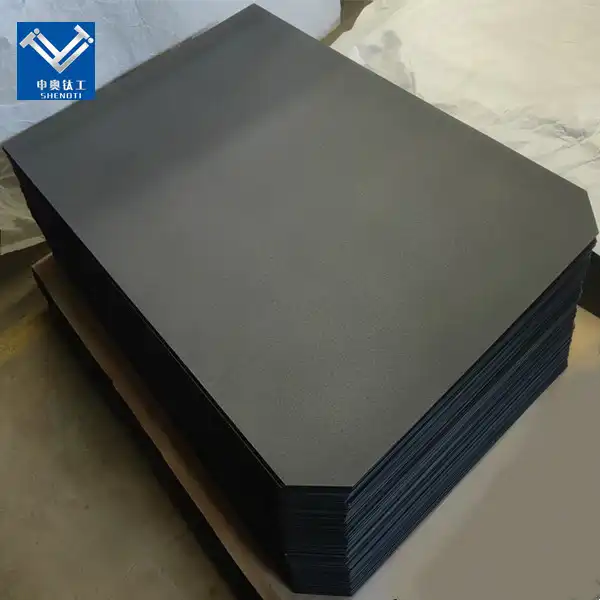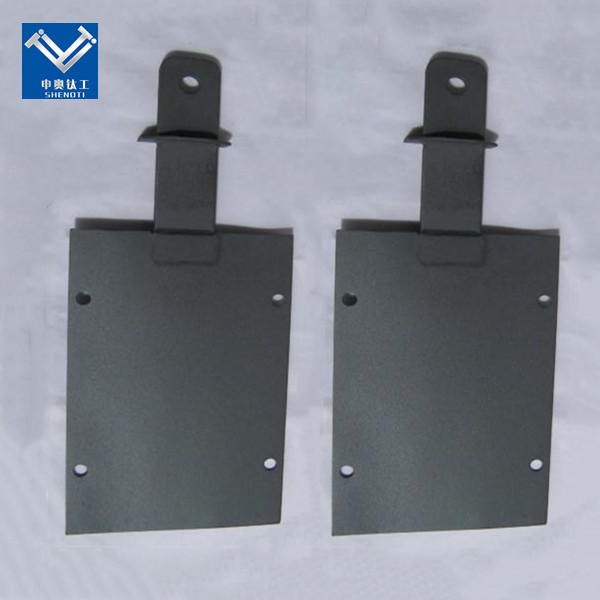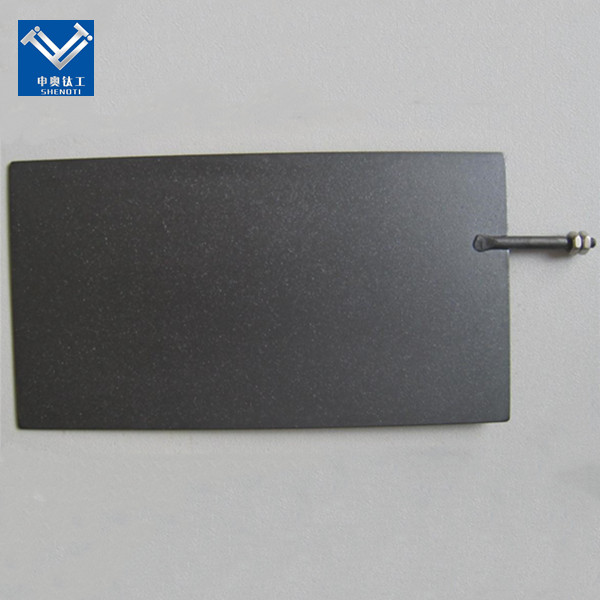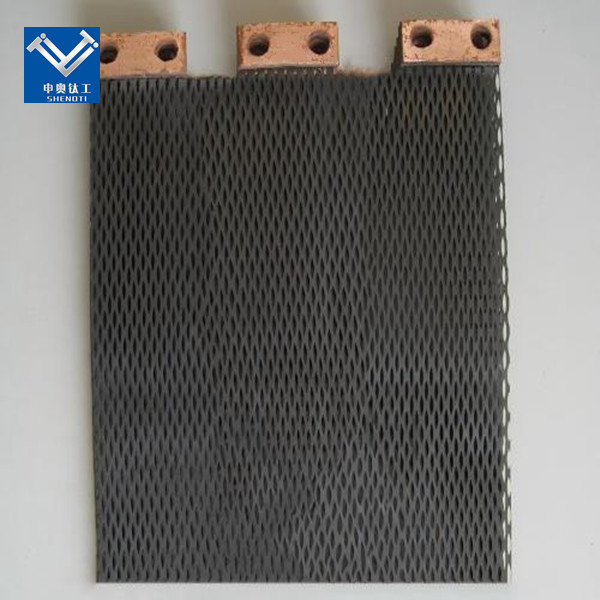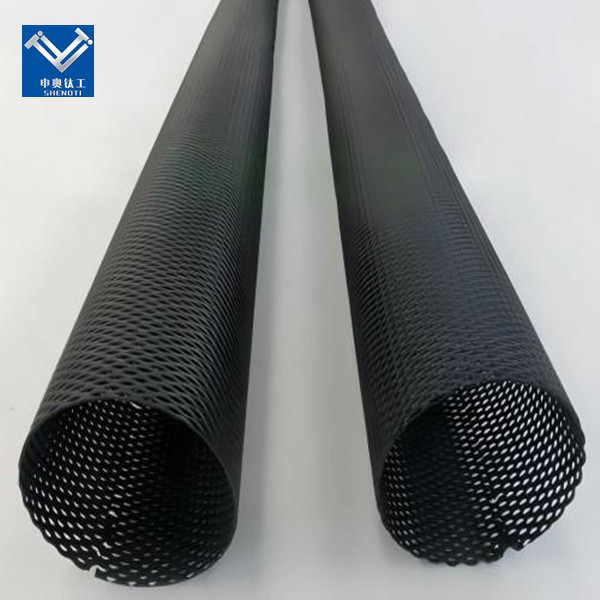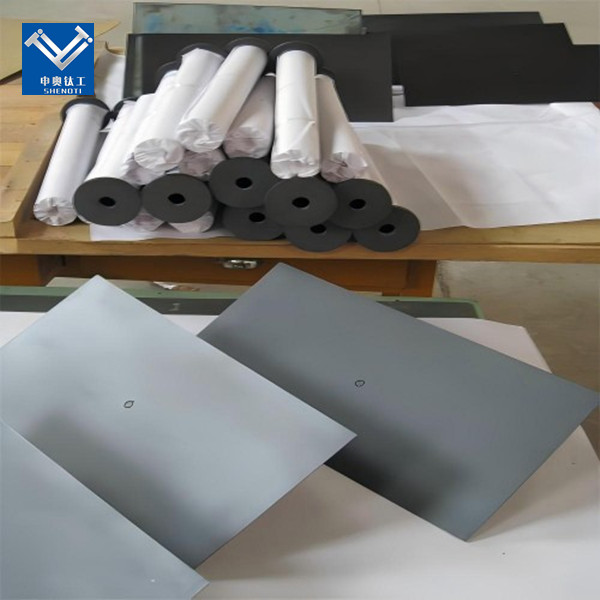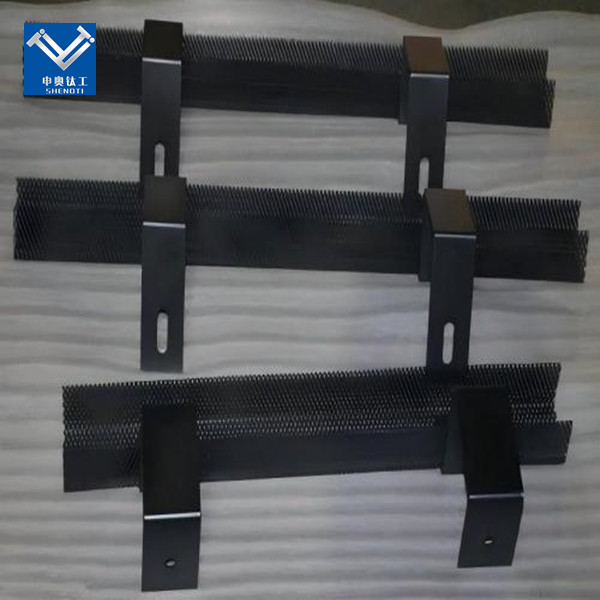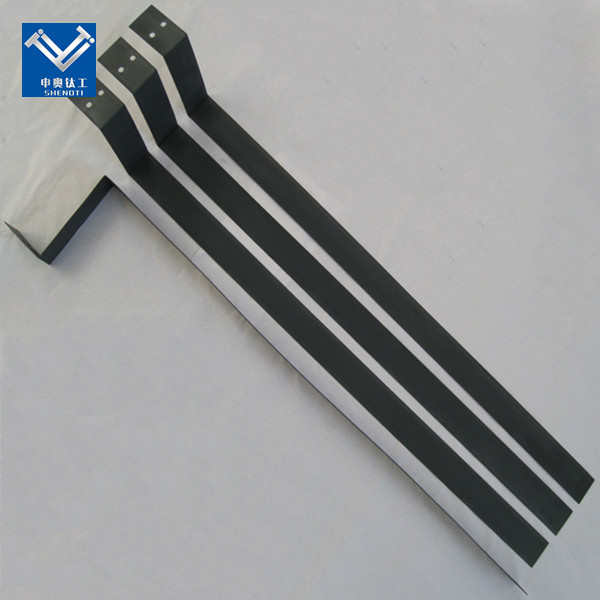
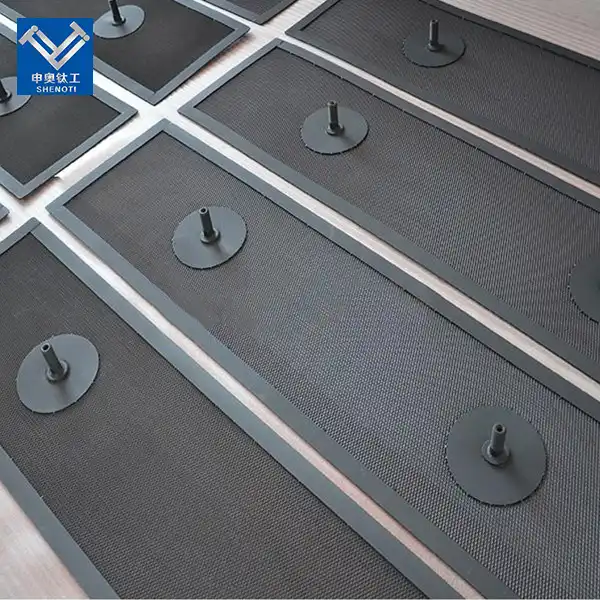
Ruthenium-Iridium Coated Titanium Anode Mesh


Coating: Ruthenium-Iridium Mixed Metal Oxide (Ru-Ir MMO)
Coating Structure: Dense and highly conductive catalytic layer
Custom made: Mesh (Standard), Plate, Tube, and Customed
Expected Lifespan: Designed for sustained performance over prolonged operational cycles
Advantage:
High electrocatalytic activity
Strong corrosion resistance
Long service life
Dimensionally stable
Ruthenium-Iridium Coated Titanium Anode Mesh
In electrochemical processes that demand large surface area and high mass transfer efficiency, mesh anodes often represent a more practical choice than plate configurations. Our Ruthenium-Iridium Coated Titanium Anode Mesh at Baoji City ShenAo Metal Materials Co., Ltd. is a high-efficiency electrode tailored specifically for such applications. It uses Grade 1 or Grade 2 pure titanium expanded mesh or woven mesh as the substrate, with a ruthenium-iridium mixed metal oxide catalytic layer on the surface. The mesh structure provides ample flow channels for the electrolyte, enabling reactants to reach the electrode surface quickly while allowing generated gases to dissipate freely. The ruthenium-iridium coating formulation balances chlorine evolution activity with oxygen evolution durability, allowing this anode to operate at low cell voltage while delivering coating longevity suited to long-term continuous use across chlor-alkali electrolysis, water treatment, electroplating, and metal recovery applications.
Technical Specifications
|
Substrate Material: |
Grade 1 Pure Titanium |
|
Mesh Type |
Expanded Mesh, Woven Mesh |
|
Coating Type |
Ruthenium-Iridium Mixed Metal Oxide (RuO₂-IrO₂), with optional optimization via tantalum, tin, and other elements |
|
Coating Thickness |
5–20 μm (adjusted based on current density and operating environment) |
|
Coating Loading |
10–200 g/m² (customized for rated current density) |
|
Current Density Range |
100–5,000 A/m² (adjusted based on application type and mesh specifications) |
|
Operating Voltage Window |
0.5 V–2.5 V (typical electrochemical range) |
|
Applicable Media |
Chloride solutions, seawater, acidic electrolytes, electroplating solutions, mixed salt solutions |
Why Choose Our Titanium Anodes?
- Mass Transfer Advantages of the Mesh Structure
The open area ratio of expanded or woven mesh typically ranges from 30% to 60%, far exceeding that of solid plates. This allows electrolyte to flow through the electrode rather than merely passing across its surface. With faster reactant replenishment and smoother gas bubble release, higher effective current utilization is often achieved at the same projected area, making it particularly suitable for process environments with high flow rates and high gas evolution. - Synergistic Balance of Chlorine and Oxygen Evolution Activity
The ruthenium component enables the coating to generate active chlorine at a very low overpotential in chloride-containing environments, while the iridium addition compensates for the durability shortfall of pure ruthenium coatings under oxygen evolution conditions. Even if your electrolyte composition fluctuates or process adjustments increase the oxygen evolution proportion, the coating maintains a stable consumption rate under normal operating conditions. - Lightweight Structural Design
At the same projected area, a mesh anode typically weighs only one-third to one-half of a solid plate of equivalent thickness. This reduces not only material costs but also the load-bearing burden on the electrolyzer support structure—an advantage that becomes particularly pronounced in large-scale cell designs. - Flexible Cutting and Assembly Options
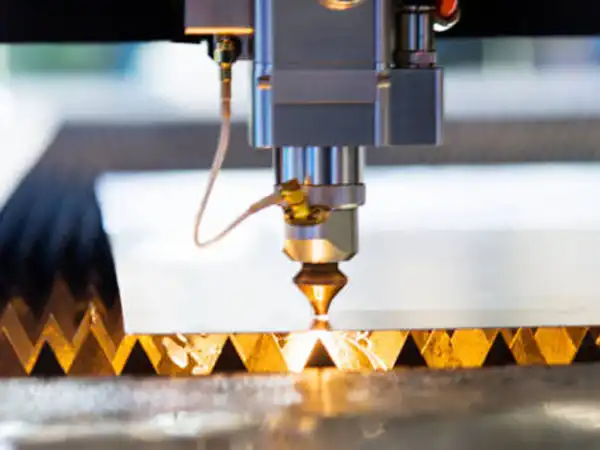
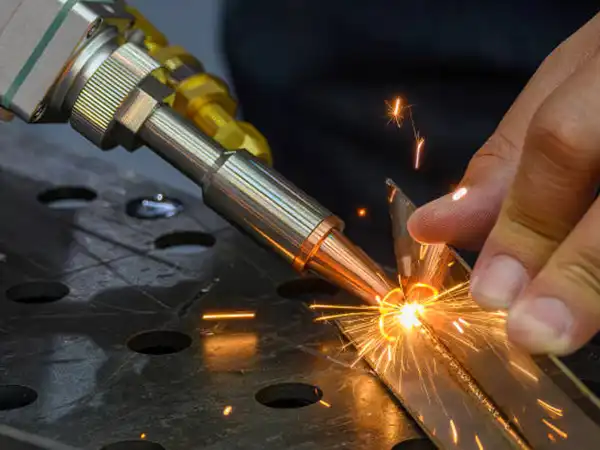
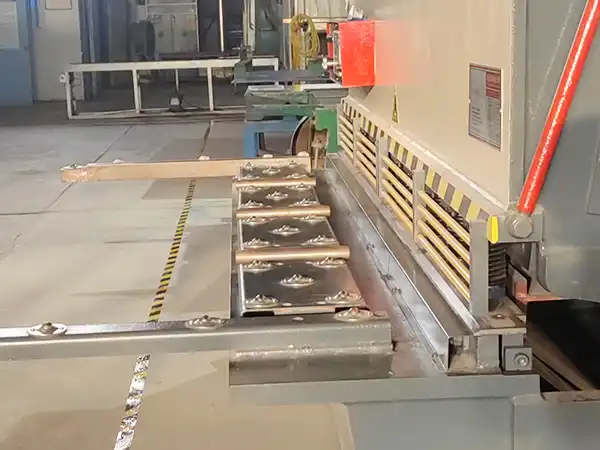
Titanium mesh is easy to cut and bend. We can precisely cut sheets to your cell dimensions, and also provide reinforced mesh panels with folded edges or welded mesh assemblies with conductive bus bars. Whether adapting to irregular spaces in a retrofit project or integrating into standardized modules for a new line, flexible solutions are available.
|
|
|
|
|
|
|
|
|
|
|
|




Real-World Applications
- Chlor-Alkali and Sodium Hypochlorite Production: Used in brine or seawater electrolysis for chlorine generation; the mesh structure facilitates rapid detachment of chlorine bubbles from the electrode surface, reducing cell voltage and improving current efficiency.
- Electroplating and Surface Treatment: On zinc, nickel, chromium, and precious metal plating lines, the titanium mesh anode delivers uniform current distribution, with the mesh openings promoting plating solution circulation and temperature uniformity.
- Industrial Wastewater Treatment: Used in electrolytic treatment systems for wastewater containing chlorides, cyanides, and organic pollutants; the open mesh structure resists clogging when treating wastewater with suspended solids.
- Metal Recovery and Hydrometallurgy: In the electrowinning of copper, nickel, zinc, and other metals, the mesh anode provides ample reaction area within narrow electrode gaps.
- Water Electrolysis and Electrosynthesis: Applied in alkaline or acidic water electrolysis for hydrogen production, and in reactor designs requiring high electrode surface area for organic electrosynthesis.


The ShenAo Advantage
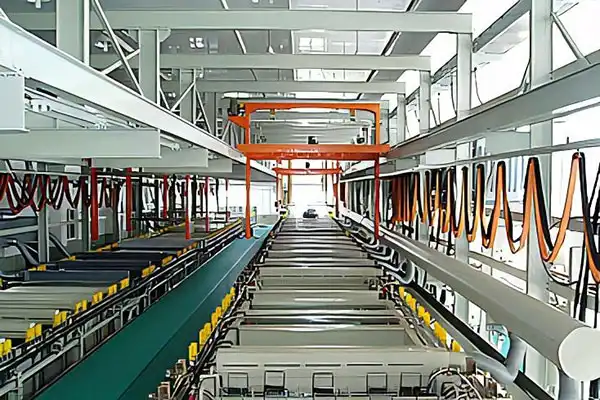
18 Years of Manufacturing Excellence
Since 2008, we've specialized in valuable metal coated titanium anodes from our office in Baoji's "China Titanium Valley." Our develop bimetallic hazardous welding innovation and progressed coating forms provide items you can trust.
Customization for Your Correct Needs
Every generation line is diverse. We give custom fitted arrangements coordinating your particular current thickness necessities, electrolyte composition, and operational parameters. Whether you require little bunch testing or full-scale generation amounts, we convey on time.
Cost-Effective Lifecycle Management
When coating exhaustion happens, you do not dispose of the whole anode. Our proficient recoating benefit strips the ancient oxide layer, sandblasts the substrate, and reapplies new MMO coating. This expands resource life and decreases your add up to taken a toll of proprietorship considerably.

Frequently Asked Questions
Q: What is the difference between expanded mesh and woven mesh, and how do I choose?
A: Expanded mesh is produced by punching and stretching a solid titanium sheet, featuring regular diamond-shaped openings and good mechanical rigidity, making it suitable for large self-supporting electrodes. Woven mesh is formed by interlacing titanium wires, offering good flexibility and suitability for applications requiring rolling or fitting to curved surfaces. Expanded mesh typically has advantages in production efficiency and cost, while woven mesh performs better in open area ratio and surface flatness. The specific choice can be determined based on your cell structure and installation method.
Q: How does mesh opening size affect anode performance?
A: Mesh opening size directly influences open area ratio, mass transfer efficiency, and current distribution. Larger openings provide a higher open area ratio and smoother gas venting but reduce the effective reaction area; smaller openings increase the reaction area but may hinder gas release. We typically recommend a suitable mesh specification based on your electrolyte flow rate, gas evolution volume, and current density.
Q: How is current density calculated for mesh anodes?
A: Calculation is typically based on the projected area of the anode rather than the actual geometric surface area of the mesh, as the mesh opening regions also participate in current conduction. If you require precise local current distribution simulation, we can provide a preliminary current distribution analysis based on your cell structure and mesh parameters.
Q: What are the maximum dimensions available for mesh anodes?
A: A single piece of expanded mesh anode is commonly available in sizes up to 1.5m×2m; larger dimensions can be achieved through multi-piece splicing or the addition of conductive bus bars. Woven mesh width is limited by the loom width, typically not exceeding 1.2m, though the length direction has fewer restrictions. For very large electrolyzers, we recommend a modular design with multiple anode groups connected in parallel.
Q: Will titanium mesh deform during long-term use?
A: Under operation within rated temperature and current density ranges, titanium mesh deformation is typically minimal. However, if operated beyond recommended conditions for extended periods, or if tension during installation is uneven, thin titanium mesh may experience slight warping. We recommend incorporating folded edge stiffeners or titanium conductive bus bars in the design of large mesh panels to enhance overall rigidity.
Contact Us
You need a partner who not only supplies products but also solves your challenges alongside you. Our team is ready to engage with your inquiries and provide a tailored solution. Share your specific needs or key requirements with us today, and let us help you efficiently transform your breakthroughs into commercial value.
Titanium Anode Manufacturer
Email: zh@baojiti.com.cn
WhatsApp: +86-15877696471 (updated)
Products: Titanium Anodes, MMO Titanium Anodes, DSA Coated Titanium Electrodes, Electrolysis Electrodes, Hydrogen Production Electrodes, Wastewater Treatment Titanium Anodes.
YOU MAY LIKE