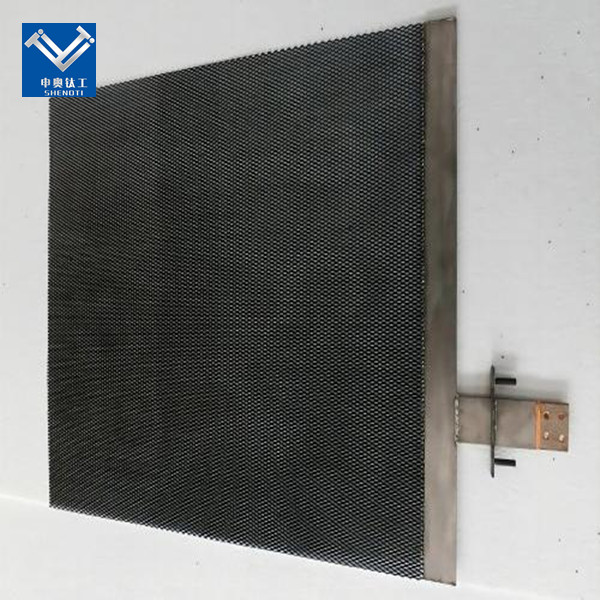
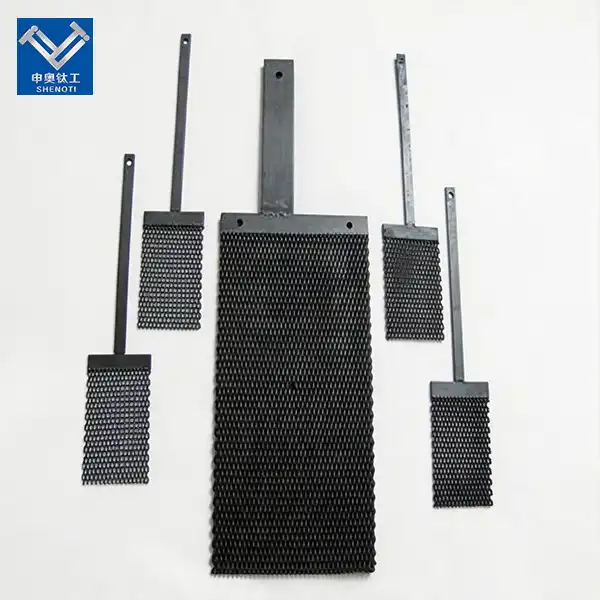
Anode for organic electrosynthesis


Coating: Mixed Metal Oxide (MMO)
Coating Structure: Dense and highly conductive catalytic layer
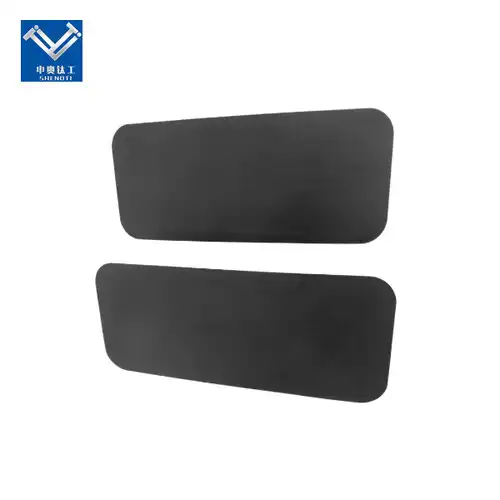
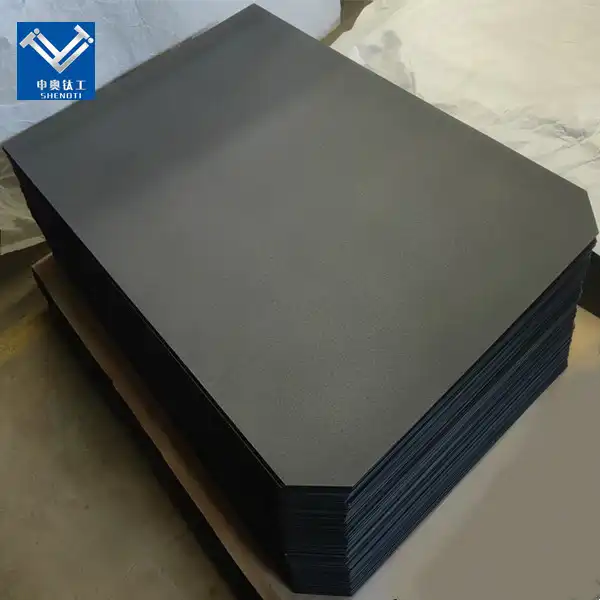
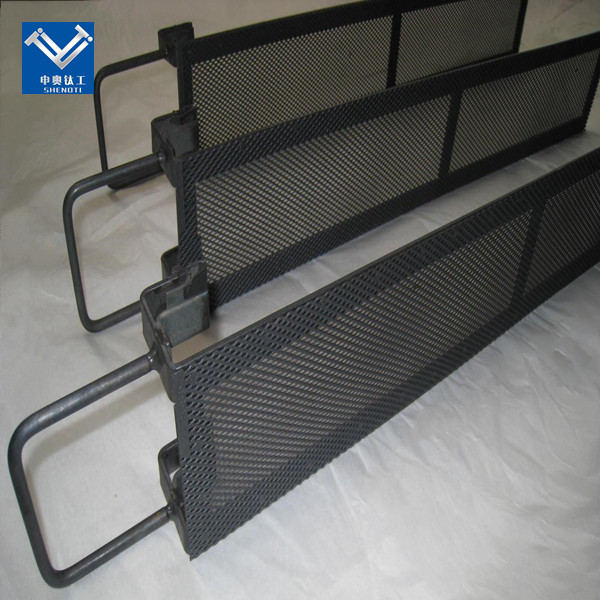
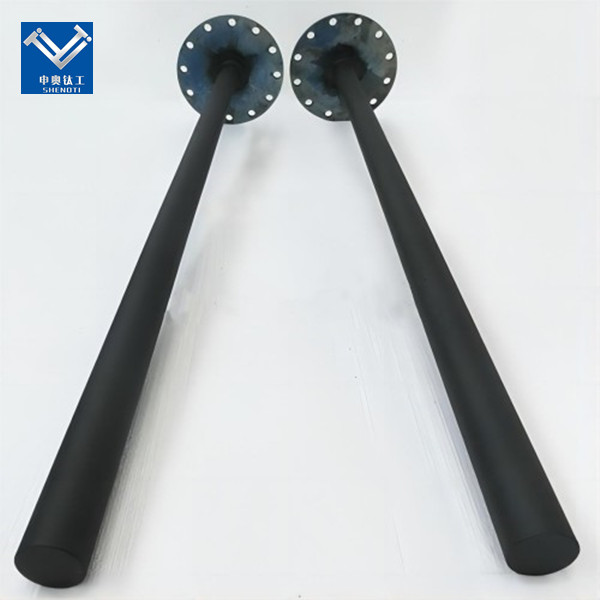
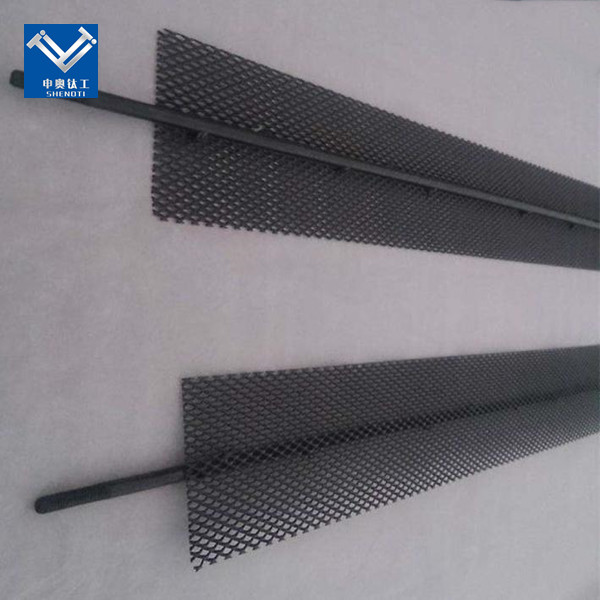
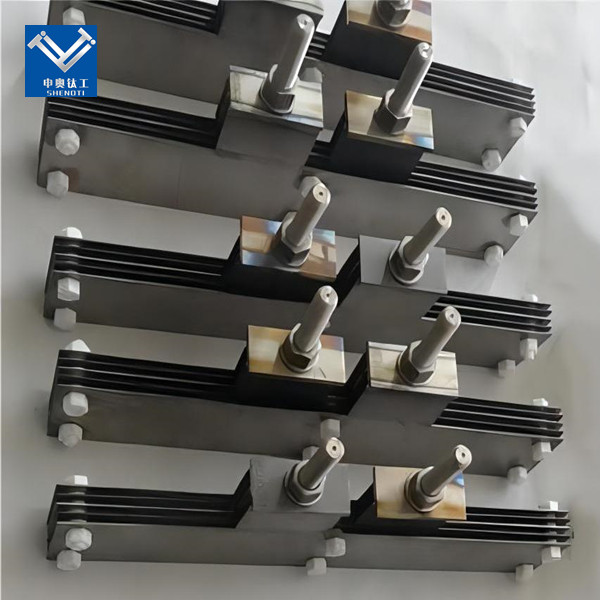
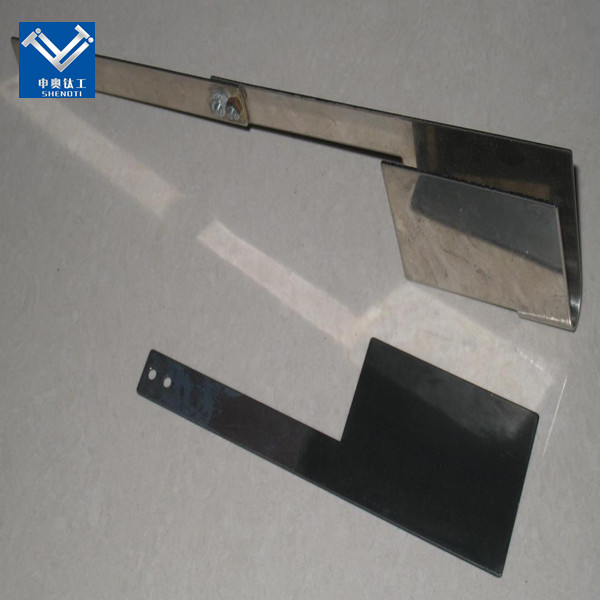
Custom made: Plate, Mesh, Tube, and Customed
Expected Lifespan: Capable of consistent output across long-duration applications
Advantage:
High electrocatalytic activity
Strong corrosion resistance
Long service life
Dimensionally stable
Anode for organic electrosynthesis
In organic electrosynthesis, the longevity and stability of your electrodes directly dictate your production costs and product purity. Our Anode for Organic Electrosynthesis at Baoji City ShenAo Metal Materials Co., Ltd. is engineered precisely to tackle the challenges of electrolysis in harsh chemical environments. Built on Grade 1 or Grade 2 pure titanium substrates, it features a dense lead dioxide (PbO₂) or noble metal oxide (MMO) catalytic coating. This anode operates reliably under high current densities and in strong acidic organic electrolytes, offering superior dimensional stability compared to conventional lead anodes while eliminating electrolyte contamination. It’s your dependable partner for achieving high-efficiency, high-purity organic synthesis.
Technical Specifications
|
Substrate Material |
Grade 1 / Grade 2 Pure Titanium |
|
Coating Type |
Lead Dioxide (PbO₂) or Mixed Metal Oxide (MMO), customized for your specific reaction |
|
Coating Thickness |
5–15 μm (Adjusted based on current density and operating environment) |
|
Current Density Range |
100–3,000 A/m² (Customizable upon request) |
|
Operating Voltage Window |
0.5 V – 3.5 V (Typical for organic electrosynthesis) |
|
Expected Lifespan: |
8,000–20,000 hours (Influenced by electrolyte composition and operating temperature) |
|
Anode Shapes: |
Plate, Expanded Mesh, Woven Mesh, Perforated Tube, and Fully Custom Structures |
|
Applicable Media: |
Sulfuric acid, hydrochloric acid, organic acid, and their mixed solvent systems |
Why Choose Our Titanium Anodes?
- Superior Dimensional Stability
Over months-long synthesis campaigns, conventional lead anodes corrode and deform, altering electrode gaps and disrupting current distribution. Our titanium anode maintains its original dimensions and shape throughout its service life, ensuring batch-to-batch consistency for your reaction conditions.
- High Current Efficiency & Low Energy Consumption
Our coating exhibits high electrocatalytic activity for the redox reactions of organic molecules, effectively lowering the overpotential (reducing cell voltage by 0.2V-0.5V compared to traditional lead anodes). This translates directly into lower power consumption and reduced operational costs for the same output.
- Zero Electrolyte Contamination
Impurity interference is a critical concern in organic electrosynthesis. The inert titanium substrate and dense catalytic coating exhibit virtually no metal ion dissolution during operation, preventing contamination of your valuable electrolyte and final product. It is the optimal choice for producing pharmaceutical intermediates and high-purity chemicals.
- Reusable Substrate
Once the coating reaches its end of life, your titanium substrate remains structurally intact. We can strip and recoat it, restoring its full performance. This extends the asset lifecycle and can save you up to 40% in long-term acquisition costs compared to purchasing brand-new anodes each time.
|
|
|
|
|
|
|
|
|
|
|
|






Real-World Applications
Pharmaceutical Intermediate Synthesis: In oxidative coupling or methoxylation of complex drug molecules, such as the preparation of cephalosporin intermediates, it provides precise electron transfer to ensure high selectivity.
Fine Chemical Manufacturing: Used for the electrochemical synthesis of aromatic aldehydes and acids, like the industrial production of anisaldehyde and furfural. It replaces traditional heavy metal oxidants for a greener process and purer products.
Fuel and Energy Chemicals: In the electrocatalytic valorization of biomass derivatives, such as efficiently converting 5-hydroxymethylfurfural (HMF) into high-value 2,5-furandicarboxylic acid (FDCA).
Organic Pollutant Degradation in Wastewater: For wastewater containing highly toxic and recalcitrant organics like phenols and dyes, our anodes generate effective hydroxyl radicals for highly efficient mineralization treatment.



The ShenAo Advantage
18 Years of Manufacturing Excellence
Since 2008, we've specialized in valuable metal coated titanium anodes from our office in Baoji's "China Titanium Valley." Our develop bimetallic hazardous welding innovation and progressed coating forms provide items you can trust.
Customization for Your Correct Needs
Every generation line is diverse. We give custom fitted arrangements coordinating your particular current thickness necessities, electrolyte composition, and operational parameters. Whether you require little bunch testing or full-scale generation amounts, we convey on time.
Cost-Effective Lifecycle Management
When coating exhaustion happens, you do not dispose of the whole anode. Our proficient recoating benefit strips the ancient oxide layer, sandblasts the substrate, and reapplies new MMO coating. This expands resource life and decreases your add up to taken a toll of proprietorship considerably.

Frequently Asked Questions
Q: How do I choose between the PbO₂ or MMO coating for my specific reaction?
A: The choice depends primarily on your electrolyte composition and desired product selectivity. PbO₂ has a very high overpotential for oxygen evolution, making it ideal for oxidation reactions that need to operate at high potentials without unwanted oxygen generation as a side reaction. MMO coatings generally have a lower and more tunable range for oxygen evolution overpotential. Share your process conditions with us, and our engineers will provide a professional recommendation.
Q: Which impurities can seriously affect anode lifespan?
A: Trace amounts of fluoride ions (F⁻) in the electrolyte act as a "degradant" for the anode, directly corroding the titanium substrate. Additionally, certain organic compounds containing mercapto groups or their reaction intermediates can cause catalytic poisoning and deactivation of the coating. Maintaining raw material purity is critical.
Q: What should I do if the cell voltage rises sharply during operation?
A: A sustained increase in voltage likely indicates the formation of a non-conductive organic polymer film on the coating surface. We recommend implementing a periodic offline cleaning protocol, using ultrasonic treatment with a dilute alkaline solution or specific organic solvents to restore surface activity.
Q: Can you manufacture anodes in a custom shape to fit my existing electrolyzer?
A: Absolutely. We offer comprehensive customization. From simple plates and meshes to complex, irregularly-shaped structures and porous tubes, just provide your drawings or specifications. Leveraging titanium's excellent workability, we will provide an anode that fits your electrolysis system.
Contact Us
You need a partner who not only supplies products but also solves your challenges alongside you. Our team is ready to engage with your inquiries and provide a tailored solution. Share your specific needs or key requirements with us today, and let us help you efficiently transform your breakthroughs into commercial value.
Titanium Anode Manufacturer
Email: zh@baojiti.com.cn
WhatsApp: +86-15877696471 (updated)
Products: Titanium Anodes, MMO Titanium Anodes, DSA Coated Titanium Electrodes, Electrolysis Electrodes, Hydrogen Production Electrodes, Wastewater Treatment Titanium Anodes.
YOU MAY LIKE