Mechanism and Engineering Advantages of Titanium Anode in Electrochemical Corrosion Protection
2026-06-03 11:03:35
The Challenge of Electrochemical Corrosion and the Engineering Value of Titanium Anodes
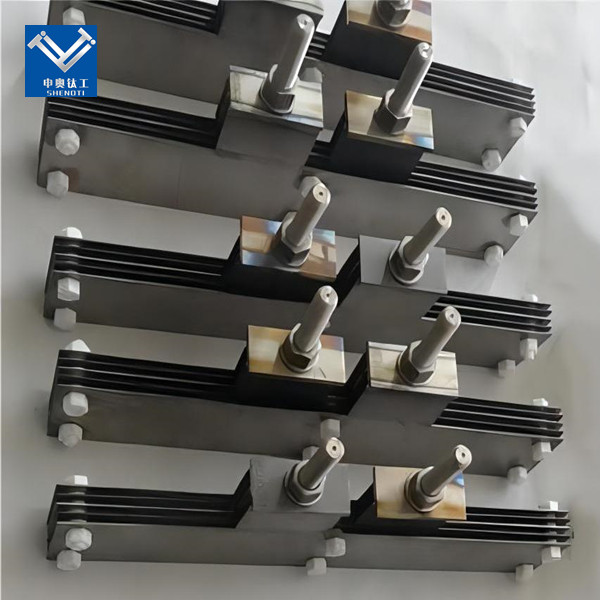
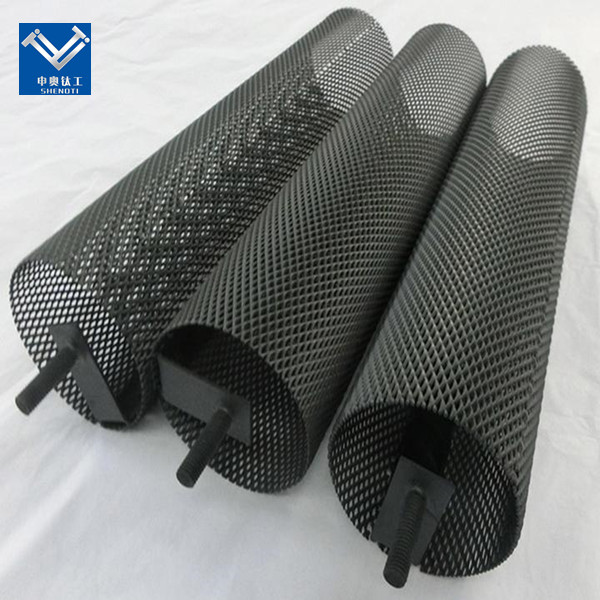
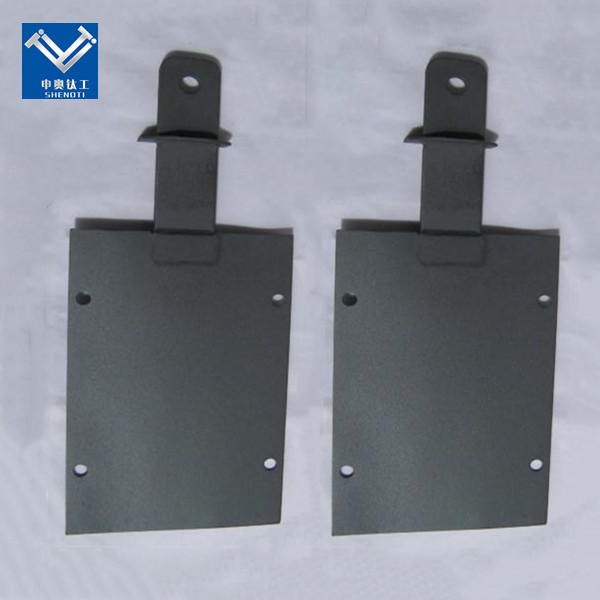
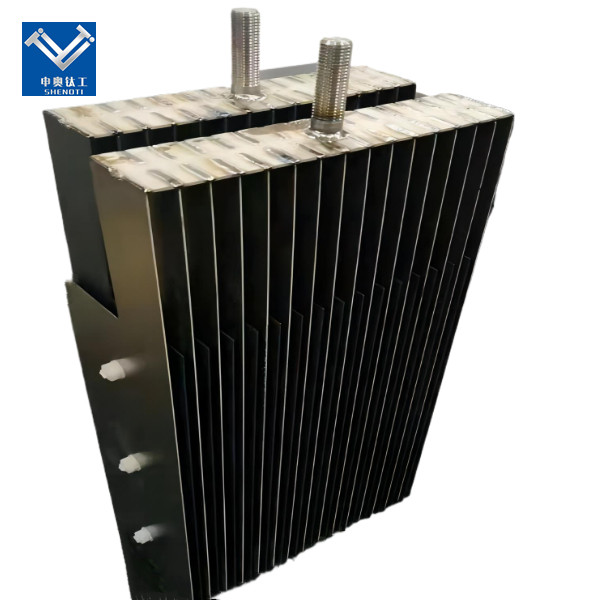
In industrial wastewater treatment and marine engineering, metal corrosion remains a primary cause of equipment failure, production interruptions, and high maintenance costs. Traditional anti-corrosion methods such as coatings, alloying, or sacrificial anodes can delay corrosion to some extent but often struggle to provide long-term protection against continuous electrochemical attack in complex electrolyte environments. Titanium Anode, with their stable oxide coatings and excellent electrochemical activity, have emerged as a highly valued component in modern electrochemical corrosion protection systems. Rather than acting as consumable materials, they help regulate interfacial electron transfer processes, allowing the protected metal to remain in a thermodynamically stable state. This non-sacrificial protection mechanism, based on electrolytic principles, offers a long-lasting, controllable, and environmentally friendly approach to corrosion mitigation for pipelines, storage tanks, and electrolyzers in industrial wastewater treatment systems.
Mechanism of Titanium Anodes in Electrochemical Corrosion Protection
The Role in Impressed Current Cathodic Protection
Among electrochemical corrosion protection systems, cathodic protection is recognized as a highly reliable technical approach. Titanium Anode are commonly used as auxiliary anodes in impressed current cathodic protection (ICCP) systems. In such a system, an external DC power supply delivers current through the titanium anode into the electrolyte, making the protected structure (such as a carbon steel reactor or wastewater pipeline) the cathode. When the metal surface potential is shifted negatively below the corrosion potential, the anodic dissolution of metal ions can be effectively suppressed. Compared with conventional high-silicon cast iron or graphite anodes, titanium anodes offer a higher oxygen evolution overpotential and a lower consumption rate. Under identical current output conditions, this means that titanium anodes can maintain stable operation for longer periods without contaminating the wastewater or altering the electrolyte composition due to anode dissolution. For industrial wastewater facilities requiring continuous long-term operation, this stability can translate into reduced downtime and lower replacement frequency.
Interfacial Reaction Control via Oxide Coatings
The functional core of Titanium Anode lies in their mixed metal oxide coating, which typically contains oxides of iridium, ruthenium, and titanium. These coatings not only provide good electronic conductivity but also form stable active sites under anodic polarization conditions. In corrosion protection applications, the main side reaction on the titanium anode is the oxygen evolution reaction (OER). The occurrence of OER helps maintain an oxidizing environment near the anode, which can promote the formation of dense calcareous deposits or hydroxide films on the cathode surface, thereby further improving the uniformity and durability of cathodic protection. Moreover, highly catalytic titanium anodes can significantly reduce the overpotential required for OER, thus lowering the overall energy consumption of the electrolytic system. For wastewater treatment plants, this means the potential to achieve a wider protection radius and more uniform current distribution without necessarily increasing electricity costs.


Practical Advantages of Titanium Anode in Wastewater Treatment Corrosion Protection
Extension of Critical Equipment Service Life
In acidic, alkaline, or chloride-containing industrial wastewaters, conventional metal anodes may experience severe passivation or dissolution within months. Titanium Anode, with their highly passivable titanium substrate and durable catalytic coating, are capable of maintaining dimensional stability and electrochemical activity across a wide pH range of approximately 2 to 12 under typical operating conditions. Engineering feedback from various installations suggests that impressed current cathodic protection systems using titanium anodes can help reduce the corrosion rate of carbon steel wastewater tanks and pipelines. Industry data indicates that titanium anodes can achieve a service life of 15 years or more in many applications, compared to considerably shorter lifetimes for conventional anode materials. This extension in service life not only helps reduce unplanned maintenance but also lowers the risk of environmental non-compliance due to corrosion-induced leaks.
Low Maintenance and High Current Efficiency Balance
Wastewater treatment sites often have limited capacity for frequent equipment inspections. Another engineering advantage of Titanium Anode is their relatively low maintenance requirement. Because they do not participate in dissolution reactions, the anode shape and coating structure remain largely unchanged over the service cycle. Unlike consumable anodes (such as aluminum or zinc), titanium anodes do not require regular replacement or repositioning. In typical heavy metal or sulfur-containing wastewater treatment scenarios, titanium anodes have been shown to maintain current efficiency above 90% over extended periods, whereas conventional graphite anodes under similar conditions may see efficiency drop below 60% due to surface exfoliation and pore clogging. For B2B buyers, this means total cost of ownership can be significantly reduced over a long-term operating cycle, with improved system reliability.
From Mechanism to Engineering: Titanium Anodes Supporting Electrochemical Corrosion Protection Upgrades
As environmental regulations impose increasingly stringent requirements on industrial wastewater discharge and treatment facility integrity, electrochemical corrosion protection technology is shifting from passive maintenance toward more active control strategies. Titanium Anode, with their stable oxygen evolution kinetics, wide adaptability, and tolerance to complex water qualities, have become a widely adopted configuration in modern cathodic protection systems. In sectors such as petrochemicals, electroplating parks, landfill leachate treatment, and offshore platforms—all of which require long-term resistance to electrochemical corrosion—titanium anodes are increasingly considered a preferred alternative to traditional inert anodes.
It is worth noting that the electrochemical behavior of titanium anodes in industrial hydrogen electrolysis systems shares strong similarities with that in wastewater treatment corrosion protection—both rely on selective catalysis of oxygen or chlorine evolution by the oxide coating. Therefore, engineering teams familiar with titanium anodes for industrial hydrogen electrolysis systems can often transfer their technical expertise to the wastewater treatment cathodic protection field, enabling technical synergy across different application scenarios.
Titanium Anode as a Robust Foundation for Electrochemical Corrosion Protection
In summary, the role of Titanium Anode in electrochemical corrosion protection can be understood not merely as a material substitution but as a systematic upgrade based on electrode process kinetics optimization. Through stable anode functionality in impressed current cathodic protection, combined with coating-induced interfacial reaction control, titanium anodes enable active intervention in the fundamental electrochemical processes of metal corrosion. In practical wastewater treatment engineering, titanium anodes have demonstrated benefits including extended equipment life, reduced maintenance frequency, and consistently high current efficiency under appropriate operating conditions. For industrial enterprises seeking to lower total lifecycle costs and meet environmental compliance requirements, choosing Titanium Anode represents a quantifiable, predictable, and engineering-mature corrosion protection strategy. As electrochemical water treatment and cathodic protection technologies continue to converge, the application boundaries of Titanium Anode are likely to expand further, reinforcing their role as indispensable component in industrial corrosion protection systems.