Carbon Steel Clad Plate with Corrosion-Resistant Protection and Structural Strength for Pressure and Corrosion Dual Protection in Chemical Processing Equipment
2026-07-27 10:28:54
Reactors, pressure vessels, and storage tanks in chemical processing must operate long-term in acidic or alkaline media while simultaneously withstanding high-pressure process conditions and temperature fluctuations. Pure corrosion-resistant alloys can meet anti-corrosion requirements but entail high material costs and challenging fabrication. Pure carbon steel offers relatively high strength at controllable cost but experiences relatively rapid wall thickness reduction in corrosive media, limiting equipment service life. Carbon steel clad plate, with a carbon steel base layer bearing structural strength and a corrosion-resistant alloy cladding layer resisting media attack, aims to provide a composite plate solution that balances pressure-bearing safety with corrosion-resistant economy for chemical equipment.
Composite Material Design: Synergistic Division of Labor Between Base Layer Load-Bearing and Cladding Layer Corrosion Resistance
The design of chemical pressure vessels must satisfy both mechanical strength and corrosion allowance criteria simultaneously. The pure corrosion-resistant alloy approach concentrates both functions in a single material, resulting in substantial consumption of expensive alloying elements for structural load-bearing, whereas the primary value of these alloying elements lies in their surface corrosion resistance. The pure carbon steel with internal lining approach separates the two functions, but the bonding interface between the lining and shell is prone to defects such as delamination and blistering under temperature fluctuations and pressure cycling.
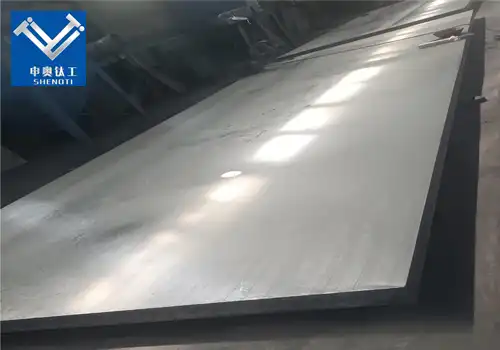
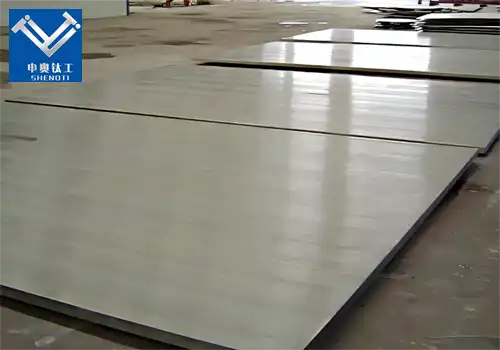
Carbon steel clad plate achieves metallurgical bonding between the corrosion-resistant alloy cladding and carbon steel base layer through explosive welding or roll bonding processes. The cladding material can be selected from stainless steel, nickel-based alloys, or titanium alloys, with thickness determined according to the design corrosion allowance and media attack rate. The base layer employs high-quality carbon steel or low-alloy steel, with thickness calculated according to design pressure and structural strength requirements. This layered design allows each material to perform its respective function: the cladding layer provides a corrosion-resistant barrier at a relatively thin thickness, while the base layer bears all mechanical loads at a greater thickness. Under temperature fluctuation conditions, the metallurgical bonding interface between cladding and base layers can effectively transfer thermal stress, helping to maintain the structural integrity of the composite plate during long-term operation. Actual corrosion resistance performance and interfacial bonding strength vary depending on cladding material, media type, concentration, temperature, and pressure.
Performance varies based on specific operating conditions. Actual results depend on media conditions and operating parameters.

Metallurgical Bonding Interface: The Key to Ensuring Long-Term Reliability of Composite Structures
The bonding quality between the cladding and base layers of carbon steel clad plate directly determines equipment safety. If unbonded defects or insufficient bonding strength exist at the interface, cladding delamination may occur under high-pressure and thermal cycling conditions, exposing the carbon steel base layer to corrosive media and accelerating wall thickness reduction or even causing leakage incidents.
Carbon steel clad plate achieves atomic-scale metallurgical bonding between the cladding and base layers through the explosive welding process. Explosive welding utilizes high-velocity impact energy to drive the two metal plates into oblique collision, with the instantaneous high pressure at the collision point far exceeding the material yield strength, causing plastic deformation and jetting of the interfacial metals to form a wavy interlocking structure. This bonding morphology effectively increases the bonding area and mechanical interlocking force, with bonding strength typically exceeding the yield strength of the base material. Under repeated pressure and temperature cycling, the metallurgical bonding interface can effectively transfer and disperse stress, helping to suppress cladding delamination and interfacial crack initiation and propagation. The thickness ratio of cladding to base layers can be customized according to equipment design pressure, corrosion allowance, and service life requirements. Actual interfacial stability and long-term service performance vary depending on operating pressure, temperature fluctuation range, media corrosivity, and fatigue cycle count.
Engineering Value for the Chemical Equipment Market
In the global chemical equipment market, the material cost of pressure vessels and storage tanks accounts for a relatively high proportion of total equipment manufacturing cost. The engineering value of carbon steel clad plate in this market lies in replacing pure corrosion-resistant alloys or loose lining structures with metallurgical composite, supporting chemical equipment manufacturers in achieving the dual objectives of pressure-bearing safety and corrosion resistance from the perspective of optimizing material configuration and reducing manufacturing costs.
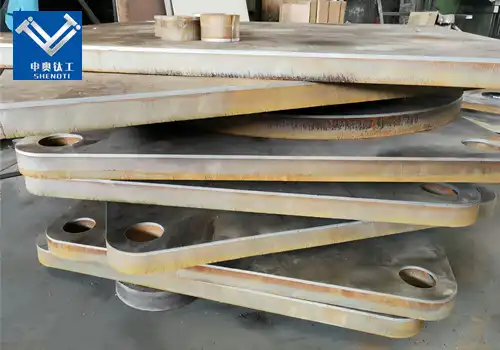
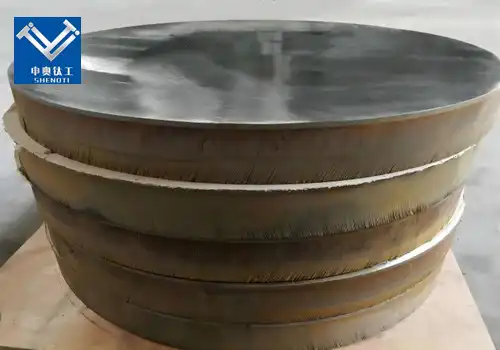
These carbon steel clad plate products are manufactured using explosive welding or roll bonding processes, with cladding material and thickness customizable according to media corrosivity and design life, and base layer material and thickness customizable according to design pressure, covering a total thickness range from 1 mm to 100 mm. They are suitable for chemical equipment components such as reactor shells, pressure vessel cylinders, storage tank bottom plates, and tube sheets. It is recommended that chemical equipment manufacturers and engineering design firms conduct field condition testing of carbon steel clad plates based on their equipment operating pressure, media composition, temperature, and design life. By tracking indicators such as cladding corrosion rate, interfacial bonding integrity, and long-term pressure-bearing performance, the technical compatibility and total lifecycle economics of the composite plate solution in specific chemical equipment scenarios can be evaluated.
Important Note: The performance descriptions above are based on engineering experience under specific test conditions or internal test data. Differences may exist between laboratory results and actual operating conditions. Actual corrosion resistance performance, bonding strength, and working life vary depending on cladding material, media type, concentration, temperature, pressure, cycle frequency, and system design. This product is a composite material for chemical equipment, and its suitability for specific applications must be verified by the user according to actual operating conditions and relevant industry standards.
Titanium Anode Manufacturer
Email: zh@baojiti.com.cn
Products: Titanium Anodes, MMO Titanium Anodes, DSA Coated Titanium Electrodes, Electrolysis Electrodes, Hydrogen Production Electrodes, Wastewater Treatment Titanium Anodes.