Application of Titanium Anode in Wastewater Treatment
2026-03-24 15:57:14
With the increasingly serious water pollution, the application of titanium anodes in wastewater treatment has become a key breakthrough in the field of environmental protection. It solves the pain points of low efficiency, high energy consumption, and secondary pollution in traditional sewage treatment technology, providing a reliable and sustainable solution for industrial and municipal sewage purification.
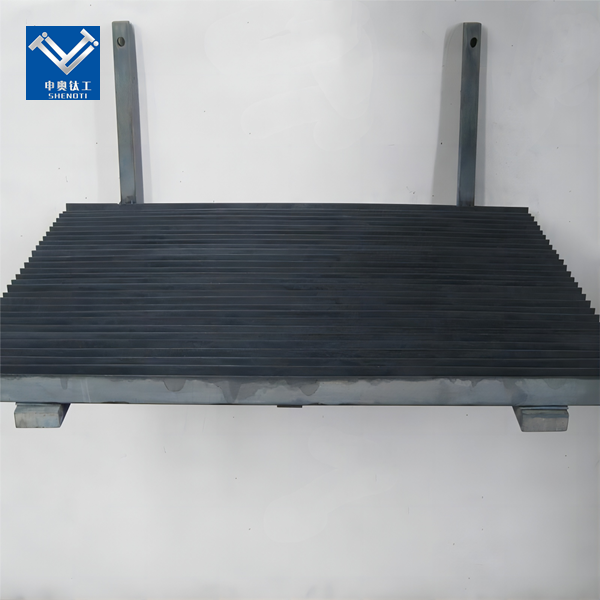
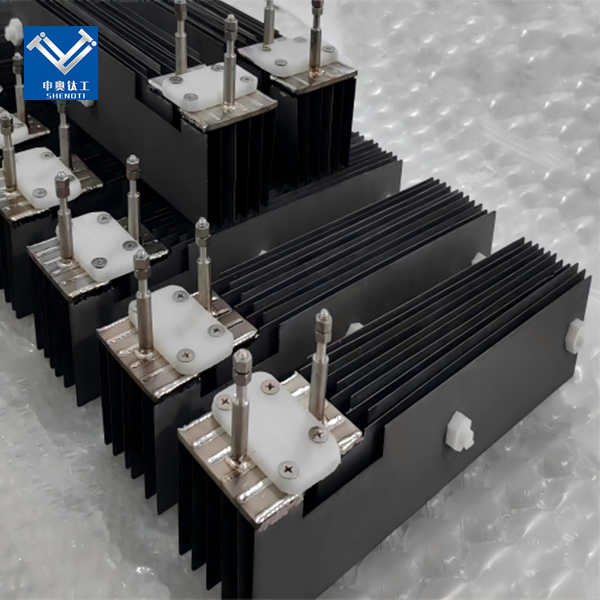
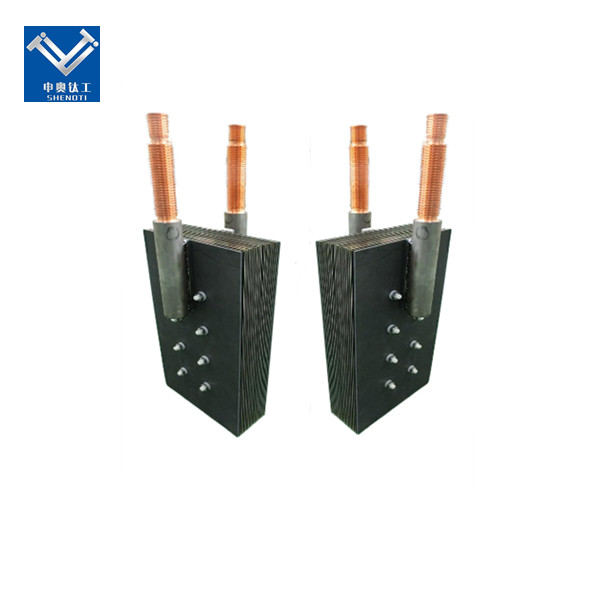
Titanium anode, also known as DSA anode, is an insoluble anode made of industrial titanium as the substrate and coated with precious metal oxide through a special process. The unique material properties have achieved results in the field of wastewater treatment.
The principle of titanium anode in wastewater treatment
Titanium anodes exhibit excellent electrochemical performance in wastewater treatment. After being powered on, the titanium anode generates highly active substances such as hydroxyl radicals and active chlorine through electrolysis, which can effectively decompose the molecular structure of organic pollutants in wastewater. Titanium anodes mainly achieve wastewater purification through two methods: direct oxidation and indirect oxidation - direct oxidation decomposes pollutants on the surface of the anode, while indirect oxidation utilizes the oxidant generated by the anode to react with pollutants, efficiently degrading chemical oxygen demand (COD), ammonia nitrogen, and chromaticity.
Compared with traditional graphite or lead anodes, titanium anodes have lower oxygen evolution overpotential and higher catalytic efficiency, which can improve treatment efficiency while reducing energy consumption, making the entire sewage treatment process more energy-efficient and environmentally friendly.
Practical application scenarios of titanium anodes in wastewater treatment
Titanium anodes can perfectly adapt to the treatment needs of different types of wastewater in sewage treatment, and their effectiveness has been fully verified in engineering practice
In industrial wastewater treatment, titanium anodes perform well in treating high salt, high COD, and difficult to degrade wastewater from industries such as chemical, electroplating, printing and dyeing, and papermaking. For example, in the treatment of electroplating wastewater, titanium anodes can efficiently remove hexavalent chromium, cyanide, and heavy metal ions, with a precious metal recovery rate of over 99%, cyanide removal rate of 99.8%, and no toxic gas emissions. In the treatment of printing and dyeing wastewater, titanium anodes can quickly decolorize and degrade dye molecules, with a color removal rate of over 95%.
In municipal sewage treatment, titanium anodes are used for deep treatment and reuse of recycled water, effectively removing ammonia nitrogen and organic matter from sewage, improving water quality, and meeting the standards for recycled water reuse. Titanium anodes can also be used for disinfection of drinking water, replacing traditional chlorine disinfection, avoiding the production of harmful by-products, and ensuring the safety of drinking water. Titanium anodes are also suitable for emergency pollution control and hospital wastewater treatment, providing a fast and efficient purification solution.
Advantages of titanium anodes in wastewater treatment applications
Titanium anodes can become the mainstream choice for sewage treatment, closely related to their advantages, which bring practical value to sewage treatment projects:
Firstly, excellent corrosion resistance. The titanium substrate can form a dense oxide film, which can stably exist in acidic and alkaline wastewater environments, is not easily dissolved or pollutes water bodies, and can adapt to complex wastewater treatment conditions. The corrosion resistance is more than 10 times that of ordinary stainless steel, and the service life can reach 2-8 years under standard working conditions, reducing replacement frequency and maintenance costs.
environment protection The electrolysis efficiency of titanium anode is over 80%, which can effectively reduce energy consumption. Compared with biological treatment methods, the operating cost can be reduced by 40%. There will be no secondary pollution, and the treated sewage can be recycled, which is in line with the concept of green environmental protection.
Thirdly, it has customizability. According to the type of wastewater, treatment scale, and electrolysis method, titanium anodes can be designed in different shapes such as plate, mesh, and tube, and different coating formulations can be selected to meet the personalized treatment needs of different projects.
Future Development Trends of Titanium Anode Application in Wastewater Treatment
With the continuous improvement of global environmental protection standards, titanium anodes have broader development space in wastewater treatment. With the innovation of coating materials and preparation processes, titanium anodes will be more efficient and energy-saving -3D printing technology will achieve customized electrode structures, and repairing coatings will further improve their service life.
At the same time, the combination of titanium anode with membrane separation, electro Fenton and other technologies will further improve the sewage treatment efficiency, help more industries achieve the goals of "standard discharge" and "zero discharge", and make greater contributions to global water environment protection.
The application of titanium anodes in wastewater treatment is an efficient, environmentally friendly, and sustainable solution that effectively addresses the key pain points of traditional wastewater treatment. Excellent performance, wide application scenarios, and outstanding advantages have become key materials for modern electrochemical wastewater treatment technology. With the continuous development of technology, it plays an increasingly important role in water pollution control, which helps to build a greener and more sustainable ecological environment.