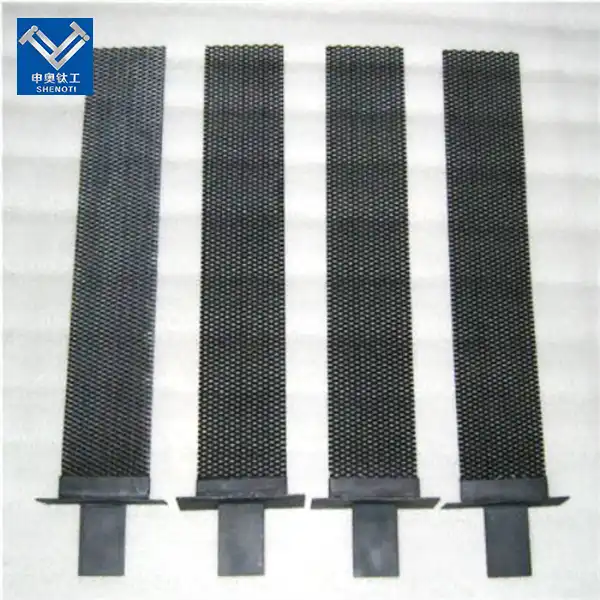
Titanium anode for organic electrosynthesis


Coating: Mixed Metal Oxide (MMO)
Coating Structure: Dense and highly conductive catalytic layer
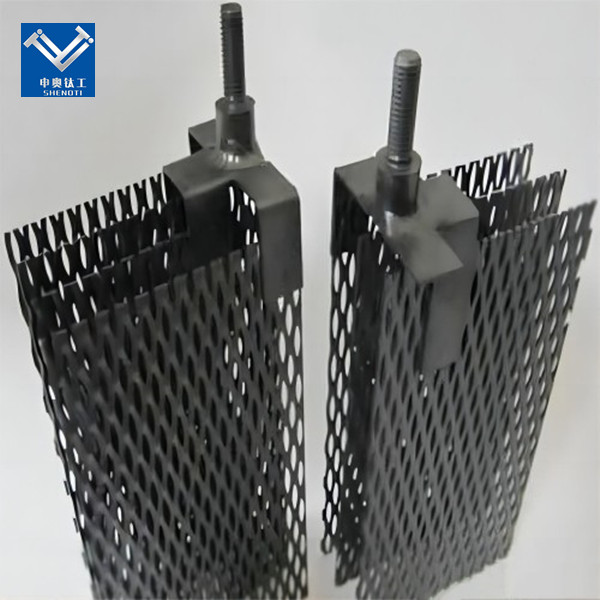
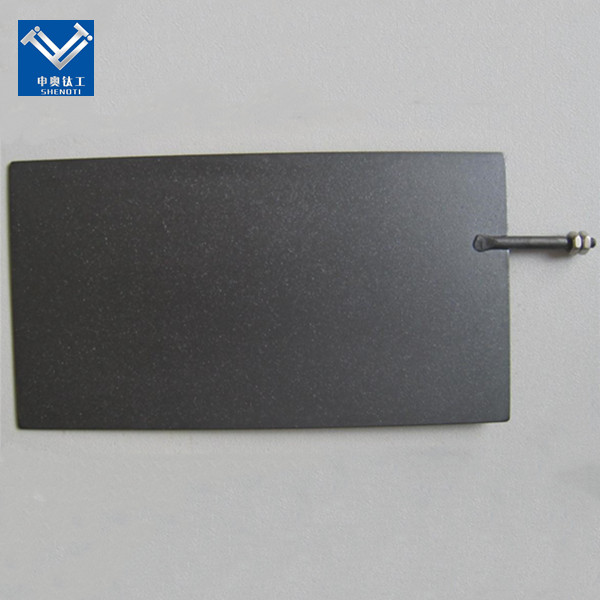
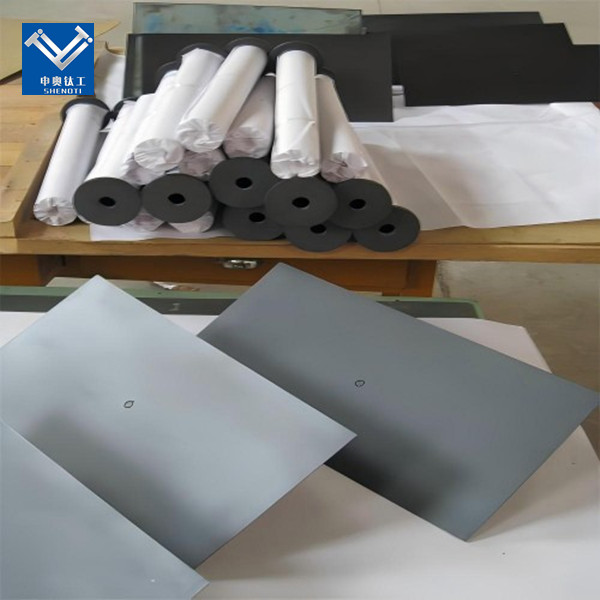
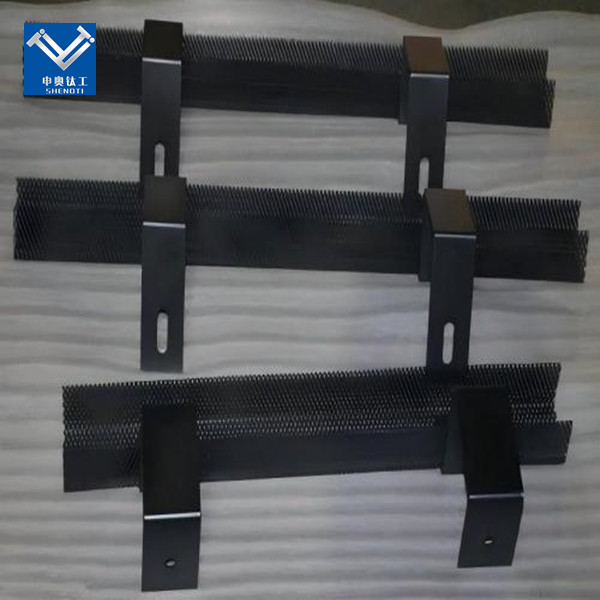
Custom made: Plate, Mesh, Tube, and Customed
Expected Lifespan: Designed for sustained performance over prolonged operational cycles
Advantage:
High electrocatalytic activity
Strong corrosion resistance
Long service life
Dimensionally stable
Titanium Anode for Organic Electrosynthesis
In organic electrosynthesis processes, the catalytic selectivity, chemical stability, and service life of the anode determine the yield and purity of the target product as well as the economic viability of the process. Our Titanium Anode for Organic Electrosynthesis at Baoji City ShenAo Metal Materials Co., Ltd. is designed specifically for the electrochemical oxidation, reduction, and coupling reactions of organic molecules. It uses Grade 1 or Grade 2 pure titanium as the substrate, with a noble metal oxide catalytic coating on the surface. The coating maintains stable electrocatalytic activity in acidic, neutral, or mildly alkaline electrolytes containing organic substrates, promoting the target reaction while minimizing the oxygen evolution side reaction, thereby providing a favorable potential window for the selective conversion of organic molecules. The anode maintains a stable chemical state during operation, without introducing metallic impurities that could contaminate the reaction system, making it suitable for the electrochemical synthesis of pharmaceutical intermediates, fine chemicals, organic acids, and biomass-derived compounds, serving as a reliable electrode solution for realizing green organic synthesis processes.
This product is for B2B Industrial Use Only. Operators should follow relevant chemical safety protocols and electrolysis operation standards.
Technical Specifications
|
Substrate Material |
Grade 1/2 Pure Titanium |
|
Coating Type |
Iridium-Tantalum (IrO₂-Ta₂O₅), Iridium-Tin (IrO₂-SnO₂), or Ruthenium-Iridium (RuO₂-IrO₂), customized per reaction type and electrolyte system |
|
Coating Thickness |
5–20 μm (adjusted based on current density and electrolyte composition) |
|
Coating Loading |
10–200 g/m² (customized for rated current density) |
|
Current Density Range |
50–2,000 A/m² (adjusted based on reaction type and target conversion rate) |
|
Operating Voltage Window |
0.5 V–3.5 V (typical organic electrosynthesis potential range) |
|
Anode Shapes |
Plate, Mesh, Perforated Plate, Tube, Custom |
|
Applicable Electrolytes |
Acidic, neutral, or mildly alkaline electrolytes containing organic substrates, organic solvent/water mixed systems |
Why Choose Our Titanium Anodes?
- High Catalytic Selectivity for Organic Reactions
The core challenge of organic electrosynthesis lies in controlling the anode potential to avoid excessive oxidation of organic substrates or products. Our iridium-tantalum and iridium-tin coatings possess a moderate oxygen evolution overpotential, providing a favorable catalytic interface for the target oxidation reaction when processing organic molecules with easily oxidizable functional groups, while effectively suppressing the oxygen evolution side reaction, contributing to high current efficiency and product selectivity. For indirect oxidation reactions requiring active chlorine mediation, ruthenium-iridium coatings can be selected to utilize anodic chlorine evolution for the selective conversion of organic molecules. - Chemical Stability in Organic Solvent/Water Mixed Systems
Organic electrosynthesis often employs mixed electrolytes of organic solvents with water, acids, or salts, placing high demands on the chemical compatibility of the anode coating. Our coating formulation is optimized to maintain a low dissolution rate and good structural integrity in electrolyte systems containing common organic solvents such as methanol, acetonitrile, DMF, and DMSO, without significant coating swelling or delamination due to solvent effects. - Clean Material System for Reduced Product Contamination
The titanium substrate and noble metal oxide coating maintain a stable chemical state under organic electrosynthesis conditions, minimizing the dissolution of metal ions into the reaction system. For synthesis processes such as pharmaceutical intermediates and fine chemicals that have stringent requirements on impurity levels, the low risk of impurity introduction from the anode side is an important factor in ensuring final product purity and regulatory compliance. - Diverse Anode Configurations for Different Reactor Designs
Organic electrosynthesis encompasses various reactor configurations, including batch stirred-tank reactors, continuous-flow microchannel reactors, filter-press diaphragm cells, and rotating electrode reactors. We can supply plate, mesh, perforated plate, and tubular anodes, customizing the anode shape and dimensions according to your reactor geometry, fluid distribution, and current density requirements, enabling convenient integration with synthesis equipment at different scales.
|
|
|
|
|
|
|
|
|
|
|
|






Real-World Applications
- Pharmaceutical Intermediate Manufacturing: Used for the electrochemical synthesis of key intermediates for antibiotics, antiviral drugs, and cardiovascular drugs, covering reactions such as aromatic aldehyde oxidation, nitro reduction, and sulfur-containing compound conversion, replacing heavy metal oxidants to achieve green production of high-purity intermediates.
- Flavor, Fragrance, and Food Additive Synthesis: Used for the electrochemical oxidation synthesis of flavor molecules such as anisaldehyde, vanillin, and maltol, as well as food additive intermediates, replacing chemical oxidants with clean electric energy to meet impurity control requirements for food-grade products.
- Pesticide and Agrochemical Intermediate Production: Used for the electrolytic preparation of key intermediates for herbicides, insecticides, and plant growth regulators, covering electrochemical synthesis processes for chlorine-containing heterocyclic compounds and fluorine-containing pesticide intermediates.
- Bio-Based Chemicals and Degradable Material Monomers: Used for the electrochemical valorization of biomass platform molecules such as 5-hydroxymethylfurfural, glucose, and succinic acid, producing bio-based plastic monomers and degradable polymer precursors.



The ShenAo Advantage
18 Years of Fabricating Excellence
Since 2008, we've specialized in valuable metal coated titanium anodes from our office in Baoji's "China Titanium Valley." Our develop bimetallic hazardous welding innovation and progressed coating forms provide items you can trust.
Customization for Your Correct Needs
Every generation line is diverse. We give custom fitted arrangements coordinating your particular current thickness necessities, electrolyte composition, and operational parameters. Whether you require little bunch testing or full-scale generation amounts, we convey on time.
Cost-Effective Lifecycle Management
When coating exhaustion happens, you do not dispose of the whole anode. Our proficient recoating benefit strips the ancient oxide layer, sandblasts the substrate, and reapplies new MMO coating. This expands resource life and decreases your add up to taken a toll of proprietorship considerably.

Frequently Asked Questions
Q: How do I select the appropriate coating formulation based on the organic reaction type?
A: It primarily depends on the reaction type and electrolyte composition. For reactions dominated by direct oxidation (such as alcohol oxidation and aldehyde oxidation), iridium-tantalum coatings are preferentially selected for their moderate oxygen evolution overpotential, providing good oxidation selectivity. For chloride-containing reaction systems (such as active chlorine-mediated indirect oxidation), ruthenium-iridium coatings are selected to efficiently generate active chlorine at low chlorine evolution overpotential. For systems with a high proportion of organic solvents, iridium-tin coatings are selected to enhance resistance to solvent attack. You can provide your reaction type and electrolyte formulation, and our engineers will recommend a matched solution.
Q: What precautions should be taken when using anodes in electrolytes containing organic solvents?
A: Organic solvents can affect anode performance in two ways: first, by swelling the oxide grain boundaries in the coating, leading to loosening of the coating microstructure; second, by polymerizing on the anode surface to form a passivating film, causing an increase in cell voltage. We recommend evaluating solvent compatibility with the coating during the process development stage, periodically monitoring cell voltage trends during operation, and arranging online or offline cleaning as needed to remove surface organic deposits.
Q: How can excessive oxidation of organic products at the anode be avoided?
A: Controlling the anode potential and current density is key. It is generally recommended to operate in the lower range of the target reaction potential window, avoiding excessive potential that could intensify the oxygen evolution side reaction and cause product decomposition. For easily oxidizable organic molecules, iridium-tin coatings can be selected to utilize their higher oxygen evolution overpotential for a wider operating window. Reaction condition optimization is recommended to be evaluated at laboratory scale to determine the optimal current density and potential range.
Q: How should anodes be handled when the coating reaches the end of its service life?
A: The titanium substrate remains stable in the organic electrosynthesis environment. The old coating can be chemically stripped, and once the substrate passes inspection, it can be recoated to restore performance to new-anode levels. We offer a full-service process including incoming inspection of used anodes, coating stripping, substrate treatment, and recoating.
Contact Us
You need a partner who not only supplies products but also solves your challenges alongside you. Our team is ready to engage with your inquiries and provide a tailored solution. Share your specific needs or key requirements with us today, and let us help you efficiently transform your breakthroughs into commercial value.
Titanium Anode Manufacturer
Email: zh@baojiti.com.cn
WhatsApp: +86-15877696471 (updated)
Products: Titanium Anodes, MMO Titanium Anodes, DSA Coated Titanium Electrodes, Electrolysis Electrodes, Hydrogen Production Electrodes, Wastewater Treatment Titanium Anodes.