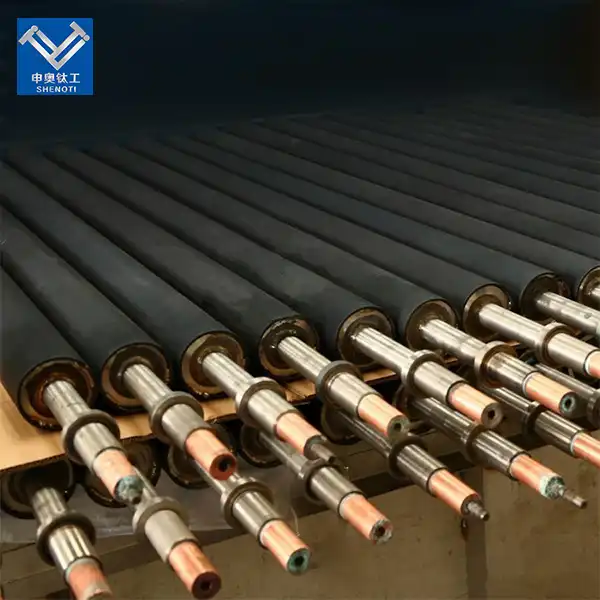
Titanium Anode for Heavy Metal Recovery by Cyclone Electrolysis


Coating: Mixed Metal Oxide (MMO)
Coating Structure: Dense and highly conductive catalytic layer
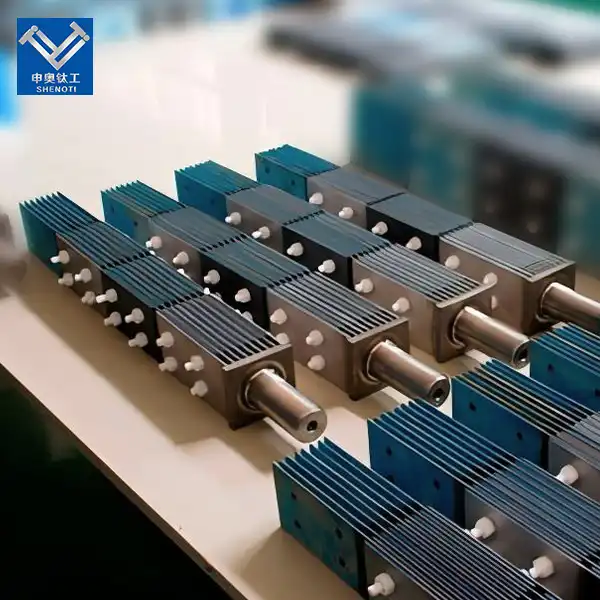
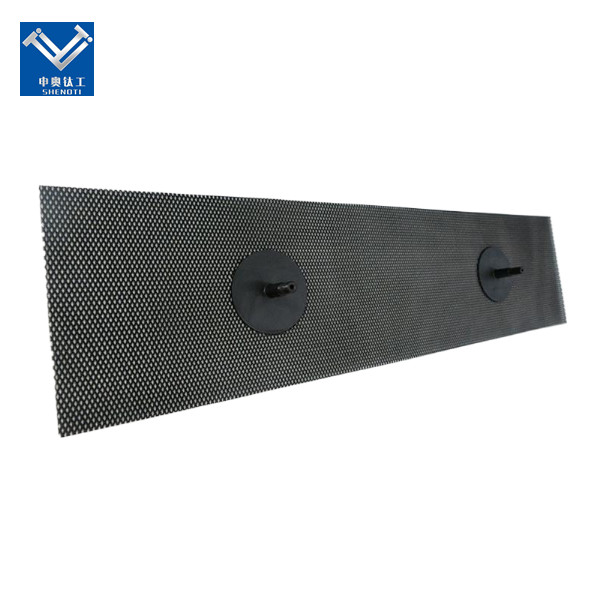
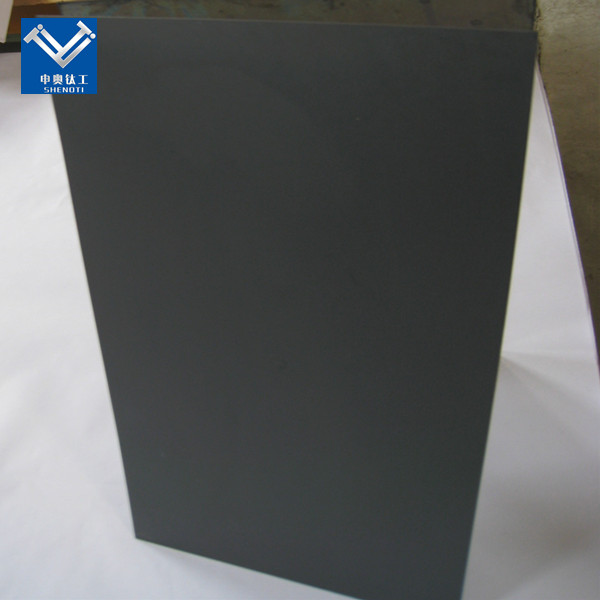
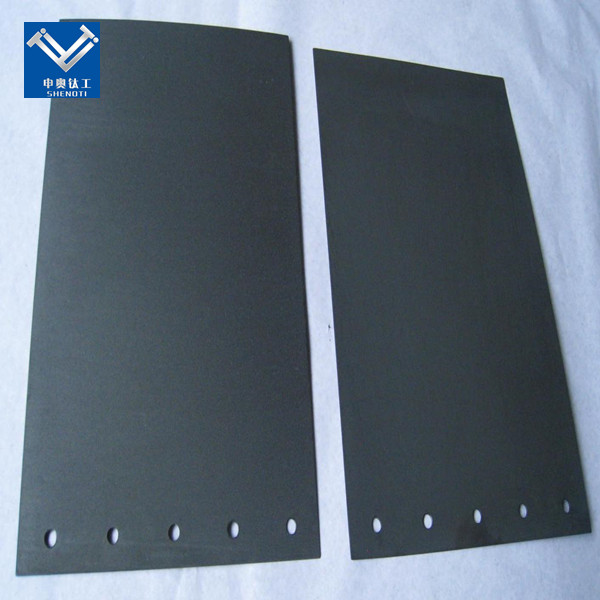
Custom made: Tubular (Standard), Plate, Mesh, and Customed
Expected Lifespan: Engineered for reliable endurance in continuous service
Advantage:
High electrocatalytic activity
Strong corrosion resistance
Long service life
Dimensionally stable
Titanium Anode for Heavy Metal Recovery by Cyclone Electrolysis
In cyclone electrolysis technology, the electrocatalytic activity and structural stability of the anode are key factors determining metal recovery efficiency and long-term system reliability. Our Titanium Anode for Heavy Metal Recovery by Cyclone Electrolysis at Baoji City ShenAo Metal Materials Co., Ltd. is designed specifically for the efficient electrowinning recovery of heavy metals such as copper, nickel, zinc, and cobalt in cyclone electrolysis units. It uses Grade 1 or Grade 2 pure titanium tube as the substrate, with an iridium-based mixed metal oxide catalytic coating on the surface. Under cyclone flow conditions, the electrolyte passes at high velocity through the annular gap between the anode tube and the cathode cylinder, creating strong liquid turbulence that enhances the mass transfer process. The coating maintains stable oxygen evolution catalytic activity in acidic metal salt solutions, delivering uniform current distribution and excellent structural integrity even at relatively high current densities, making it suitable for the cyclone electrolysis recovery treatment of electroplating waste solutions, electronics industry wastewater, acid mine drainage, and industrial heavy metal-containing wastewater, serving as a reliable electrode solution for achieving valuable metal resource recovery and wastewater compliance discharge.
This product is for B2B Industrial Use Only. Operators should follow relevant chemical safety protocols and electrolysis operation standards.
Technical Specifications
|
Substrate Material |
Grade 1/2 Pure Titanium Tube |
|
Coating Type |
Iridium-based (IrO₂) or Iridium-Tantalum (IrO₂-Ta₂O₅), customized per electrolyte system |
|
Coating Thickness |
5–20 μm (adjusted based on current density and electrolyte composition) |
|
Coating Loading |
10–200 g/m² (customized for rated current density) |
|
Current Density Range |
200–3,000 A/m² (adjusted based on metal type and solution concentration) |
|
Operating Voltage Window |
0.8 V–4.0 V (typical cyclone electrowinning potential range) |
|
Tube Diameter |
Φ25mm–Φ89mm (common), other specifications available upon request |
|
Anode Structure |
Bare tube, perforated tube, flanged connection, custom |
Why Choose Our Titanium Anodes?
- Enhanced Mass Transfer and Current Efficiency Under Cyclone Flow Conditions
The core advantage of cyclone electrolysis lies in the high-velocity rotational flow of electrolyte through the annular gap, significantly reducing the diffusion layer thickness and alleviating concentration polarization. Our iridium-based coating maintains stable oxygen evolution catalytic activity under such strong convection conditions, directing more current toward the target metal electrowinning reaction rather than the oxygen evolution side reaction. When treating low-concentration metal solutions (such as copper or nickel-containing wastewater at several hundred milligrams per liter), the cyclone tubular structure combined with the iridium-based coating demonstrates favorable current efficiency and metal recovery rates. - Long-Term Stability of Tubular Structure in Acidic Metal Salt Solutions
Electroplating waste solutions, acid mine drainage, and industrial heavy metal-containing wastewater are typically strongly acidic, placing stringent demands on the chemical stability and structural integrity of the anode. Our iridium-tantalum coating maintains a stable chemical state in sulfuric acid, nitric acid, and mixed acid systems, resisting selective dissolution or passivation during long-term immersion and high current density operation. The titanium tube substrate and coating form a sound metallurgical bond, maintaining structural integrity under the hydraulic impact and vibration conditions generated by cyclone flow. - Compact Structure for High-Density Electrowinning and Space Savings
The concentric tubular layout integrates the anode and cathode into a compact electrowinning unit, with effective electrode area per unit far exceeding that of plate-type cells occupying the same footprint. Multiple tubular units can be flexibly combined in series or parallel configurations and rapidly scaled according to processing capacity and metal concentration, making them particularly suitable for line retrofits with limited space and integration into mobile heavy metal recovery equipment. - Enclosed Operation for Improved Workplace Environment
Cyclone electrolysis takes place within a sealed tubular chamber, allowing acid mist and gases generated during electrolysis to be collected and treated through centralized piping, reducing acid mist corrosion on plant equipment and building structures as well as operator exposure risks. This design is particularly important for the treatment of complex heavy metal waste solutions containing cyanides or volatile organic compounds.
|
|
|
|
|
|
|
|
|
|
|
|




Real-World Applications
- Heavy Metal Recovery from Electroplating Wastewater and Spent Solutions
Used for cyclone electrolysis recovery of valuable metals such as copper, nickel, silver, and gold from electroplating line rinse water and spent bath solutions, covering low-concentration metal extraction via cyclone electrowinning from copper and nickel electroplating rinse water in hardware and automotive component manufacturing, selective high-efficiency copper recovery from printed circuit board acidic etching and micro-etching waste solutions, silver cyclone electrolysis enrichment from connector and terminal electroplating silver rinse water, and gold cyclone electrodeposition recovery from decorative gold plating spent solutions, achieving deep extraction of low-concentration metal ions and highly compact cathode products through enhanced mass transfer via high-speed cyclonic flow. - Metal Separation and Purification from Hydrometallurgical Leach SolutionsUsed for cyclone electrowinning separation and purification of non-ferrous metals such as copper, zinc, nickel, and cobalt from hydrometallurgical leach solutions, covering direct copper extraction via cyclone electrowinning from acid leach pregnant solutions of low-grade copper oxide ores, nickel-cobalt selective separation by cyclone electrolysis from intermediate product solutions in nickel laterite hydrometallurgical processing, zinc cyclone electrowinning deposition from zinc sulfide concentrate oxygen pressure leach solutions, and cobalt purification with pre-removal of impurity metals from cobalt-containing intermediate acid dissolution solutions.
- Metal Recovery from the Electronics Industry and New Energy Materials
Used for cyclone electrolysis recovery of nickel, cobalt, manganese, lithium, copper, and other metals from waste lithium-ion battery, waste printed circuit board, and electronic waste leach solutions, covering nickel-cobalt-manganese cyclone electrowinning co-deposition and separation recovery from waste ternary lithium battery cathode material acid leach solutions, selective electrochemical enrichment and extraction of lithium from waste lithium iron phosphate battery leach solutions, gold cyclone electrolysis recovery from non-cyanide leaching agent solutions of waste printed circuit boards, and platinum group metal separation from copper and nickel by cyclone electrowinning from spent catalyst leach solutions. - Heavy Metal Recovery from Mine Wastewater and Industrial Spent Acid
Used for resource recovery treatment of heavy metals from acid mine drainage, metallurgical waste liquids, and industrial spent acids, covering copper extraction and discharge compliance via cyclone electrowinning from acid mine drainage at copper mining sites, iron and nickel-chromium separation and recovery by cyclone electrolysis from stainless steel pickling waste liquor, nickel and chromium cyclone electrowinning recovery from mixed nickel and chromium-containing wastewater in electroplating industrial parks, and cyclone electrolysis enrichment and extraction of rhenium and other rare and precious metals from molybdenum flotation wastewate.


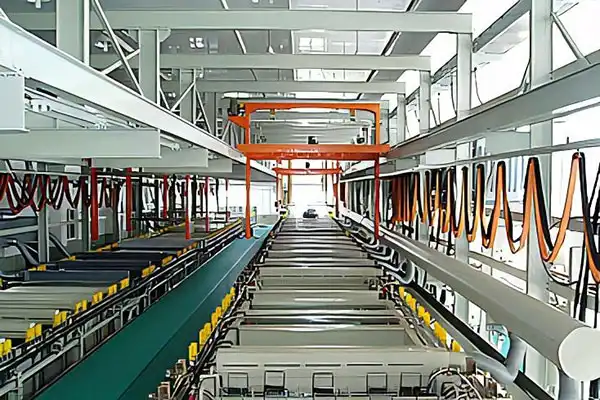
The ShenAo Advantage
18 Years of Fabricating Excellence
Since 2008, we've specialized in valuable metal coated titanium anodes from our office in Baoji's "China Titanium Valley." Our develop bimetallic hazardous welding innovation and progressed coating forms provide items you can trust.
Customization for Your Correct Needs
Every generation line is diverse. We give custom fitted arrangements coordinating your particular current thickness necessities, electrolyte composition, and operational parameters. Whether you require little bunch testing or full-scale generation amounts, we convey on time.
Cost-Effective Lifecycle Management
When coating exhaustion happens, you do not dispose of the whole anode. Our proficient recoating benefit strips the ancient oxide layer, sandblasts the substrate, and reapplies new MMO coating. This expands resource life and decreases your add up to taken a toll of proprietorship considerably.

Frequently Asked Questions
Q: What are the differences in anode requirements between cyclone electrolysis and conventional plate-type electrowinning?
A: In cyclone electrolysis, the electrolyte flows at high velocity across the tubular anode surface, placing higher demands on the coating's erosion resistance and the structural rigidity of the tube body. Our iridium-based coating bonds tightly with the titanium tube substrate and resists spalling under the hydraulic shear conditions generated by cyclone flow. Additionally, cyclone electrolysis typically operates at high current densities, requiring the coating to have a lower oxygen evolution overpotential to control cell voltage and energy consumption. The dimensional accuracy and straightness of the tubular anode also directly influence the uniformity of the anode-cathode gap.
Q: How do I select the appropriate coating formulation based on the target metal type?
A: It primarily depends on the acidity, anion type, and metal concentration of the electrolyte. For sulfate-based systems with high acidity, iridium-tantalum coatings are selected to ensure chemical stability. For chloride-containing systems, iridium-based coatings can be selected to balance oxygen evolution activity and chlorine corrosion resistance. For complex systems containing organics or complexing agents, coating compatibility needs to be assessed. You can provide the electrolyte composition, metal concentration, and operating parameters, and our engineers will recommend a matched coating solution.
Q: How effective are tubular anodes when treating low-concentration metal solutions?
A: Cyclone electrolysis offers distinct advantages when treating low-concentration metal solutions. The high-velocity cyclone flow enhances mass transfer of metal ions to the cathode surface, enabling the efficient deposition of low-concentration metal ions that cannot be effectively recovered in conventional plate-type electrowinning due to concentration polarization. The oxygen evolution reaction proceeds stably at the anode side, providing a reliable current loop for cathodic electrowinning. For copper or nickel-containing solutions with concentrations as low as several hundred milligrams per liter, cyclone electrolysis can still maintain meaningful current efficiency and recovery rates.
Q: How should anode tubes be handled when the coating reaches the end of its service life?
A: The titanium tube substrate remains stable in acidic metal salt solutions. The old coating can be chemically stripped, and once the substrate passes inspection, it can be recoated to restore performance to new anode tube levels. We offer a full-service process including incoming inspection of used anode tubes, coating stripping, substrate treatment, and recoating, helping you reduce the long-term electrode renewal costs of your cyclone electrolysis unit.
Contact Us
You need a partner who not only supplies products but also solves your challenges alongside you. Our team is ready to engage with your inquiries and provide a tailored solution. Share your specific needs or key requirements with us today, and let us help you efficiently transform your breakthroughs into commercial value.
Titanium Anode Manufacturer
Email: zh@baojiti.com.cn
WhatsApp: +86-15877696471 (updated)
Products: Titanium Anodes, MMO Titanium Anodes, DSA Coated Titanium Electrodes, Electrolysis Electrodes, Hydrogen Production Electrodes, Wastewater Treatment Titanium Anodes.