Why Titanium Anodes Dominate High Chlorine Copper Recovery Applications
2026-09-04 12:31:31
Graphite anodes erode rapidly in high-chlorine environments, requiring replacement every 3-6 months and producing large amounts of anode sludge that contaminates recovered copper
Lead alloy anodes dissolve into the electrolyte, reducing copper purity and creating toxic waste disposal issues
Both materials suffer from poor dimensional stability, leading to inconsistent current distribution and declining recovery efficiency over time
Unmatched Advantages of MMO Titanium Anodes
Titanium anode for copper recovery from high chlorine etching solution systems address all these limitations through their unique material properties and advanced coating technologies:
Exceptional Corrosion Resistance: Titanium forms a self-healing passive oxide film that resists attack from chloride ions, hydrochloric acid, and chlorine gas at temperatures up to 60°C
Perfect Dimensional Stability: Unlike consumable anodes, titanium anodes maintain their exact shape and electrode gap throughout their entire service life, ensuring consistent current distribution and recovery efficiency
Superior Catalytic Activity: Noble metal oxide coatings significantly reduce reaction overpotentials, lowering energy consumption by 15-30% compared to traditional anodes
Zero Secondary Pollution: Titanium anodes do not dissolve into the electrolyte, producing copper with purity exceeding 99.9% without contamination
Reusable Substrate: The titanium base can be recoated multiple times, reducing long-term capital costs by up to 70%
Advanced Manufacturing Process of High-Performance Titanium Anodes
The performance and longevity of titanium anode for copper recovery from high chlorine etching solution depend entirely on the precision of their manufacturing process. Leading manufacturers employ a rigorous 8-step production process to ensure maximum reliability:
1. Premium Titanium Substrate Selection
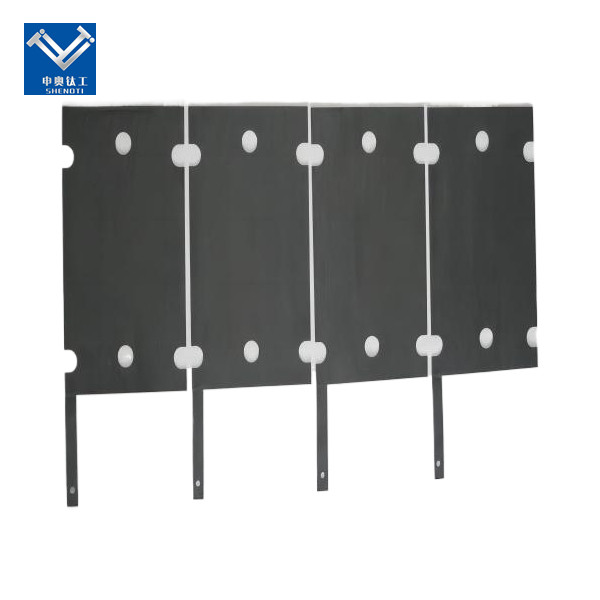
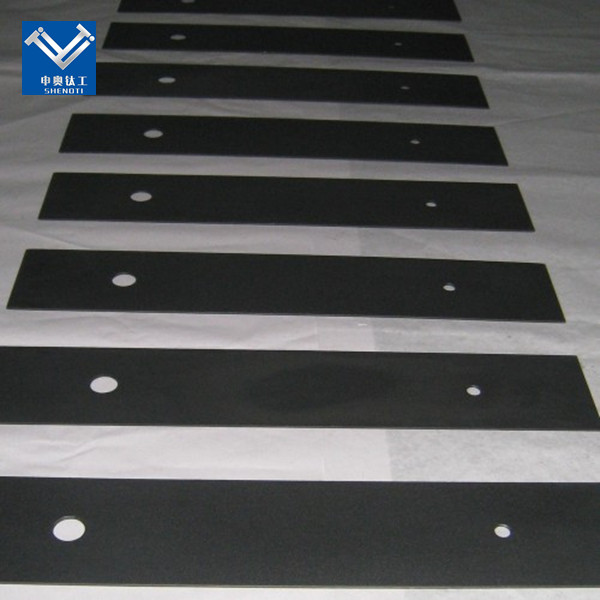
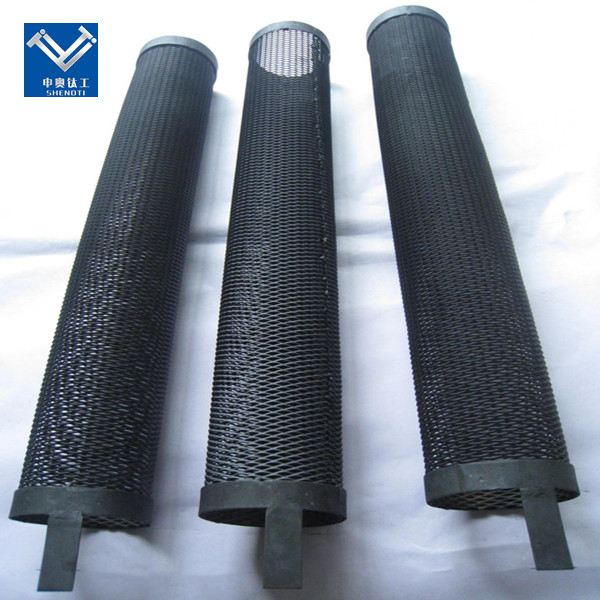
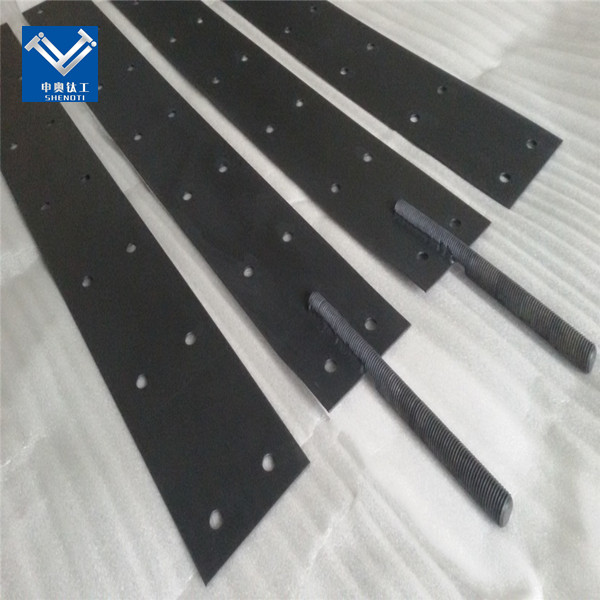
Only high-purity grade 1 or grade 2 titanium is used for substrate manufacturing. This ensures optimal corrosion resistance and excellent electrical conductivity. Substrates are available in various forms including plates, meshes, tubes, and custom geometries to fit specific electrolytic cell designs.
2. Precision Surface Preparation
The titanium surface undergoes thorough sandblasting to create a rough, uniform profile that enhances coating adhesion. This is followed by multiple stages of ultrasonic cleaning and acid etching to remove all contaminants and create an ideal bonding surface.
3. Intermediate Layer Application
A proprietary intermediate layer is applied to prevent chloride ion penetration and improve coating adhesion. This critical step significantly extends anode service life by eliminating substrate pitting corrosion.
4. Active Coating Formulation
Different coating formulations are optimized for specific etching solution chemistries:
Ruthenium-Iridium (Ru-Ir) Coatings: The gold standard for acidic cupric chloride etching solutions (pH 0-3), offering excellent chlorine evolution reaction (CER) catalytic activity
Iridium-Tantalum (Ir-Ta) Coatings: Ideal for alkaline chloride etching solutions (pH 8-12) and micro-etching applications, providing superior oxygen evolution reaction (OER) performance
Platinum-Based Coatings: Used for specialized applications requiring ultra-high purity and maximum chemical stability
5. Multiple Coating Deposition
The active coating is applied in thin, uniform layers using brush coating, spray coating, or electroplating techniques. Each layer is carefully dried before the next application to ensure complete coverage and prevent defects.
6. High-Temperature Sintering
After each coating application, the anode undergoes high-temperature sintering in a controlled atmosphere furnace. This process converts the metal salts into stable oxide crystals and creates a strong metallurgical bond between the coating and the titanium substrate.
7. Quality Control Testing
Every titanium anode for copper recovery from high chlorine etching solution undergoes rigorous quality testing including:
Coating thickness measurement
Adhesion testing
Electrochemical performance evaluation
Accelerated life testing
Electrical conductivity verification
8. Final Inspection and Packaging
Finished anodes are visually inspected for any defects, dimensionally verified, and carefully packaged to prevent damage during shipping and storage.
Electrochemical Principles of Copper Recovery with Titanium Anodes
Understanding the electrochemical reactions occurring in titanium anode for copper recovery from high chlorine etching solution systems is essential for optimizing process performance. The electrolytic copper recovery process involves two primary reactions occurring simultaneously at the electrodes:
Cathodic Reaction (Copper Deposition)
At the cathode (typically made of stainless steel or titanium), copper ions are reduced to metallic copper:
plaintext
Cu²⁺ + 2e⁻ → Cu (deposited as pure metallic copper)
The deposited copper forms a dense, uniform layer on the cathode surface, which can be easily stripped and sold as high-purity copper metal.
Anodic Reactions
At the titanium anode for copper recovery from high chlorine etching solution, two competitive reactions occur:
Chlorine Evolution Reaction (CER) - Primary:
plaintext
2Cl⁻ → Cl₂↑ + 2e⁻
This is the preferred reaction in acidic cupric chloride systems. The generated chlorine gas is captured and reused to regenerate the etching solution, creating a completely closed-loop production system.
Oxygen Evolution Reaction (OER) - Secondary:
plaintext
2H₂O → O₂↑ + 4H⁺ + 4e⁻
This reaction becomes more significant at lower chloride concentrations or higher pH values. Advanced MMO coatings are formulated to minimize oxygen evolution and maximize chlorine generation for optimal etching solution regeneration.
Optimized Process Parameters for Maximum Efficiency
To achieve the best performance from your titanium anode for copper recovery from high chlorine etching solution system, it is essential to operate within the following recommended parameters:
表格
| Process Parameter | Recommended Range | Critical Notes |
|---|---|---|
| Current Density | 200-1500 A/m² (2-15 mA/cm²) | Higher densities increase production rate but reduce anode life |
| Operating Temperature | 40-60°C | Exceeding 60°C accelerates coating degradation |
| Copper Ion Concentration | 30-150 g/L | Efficiency decreases significantly below 30 g/L |
| Chloride Concentration | 80-120 g/L | Maintains optimal etching solution regeneration |
| Electrode Spacing | 10-20 mm | Balances current distribution and solution flow |
| pH Value | 0-3 (acidic) / 8-12 (alkaline) | Depends on specific etching solution chemistry |
Industry Applications and Proven Case Studies
PCB Manufacturing Industry
The PCB manufacturing industry is the largest consumer of titanium anode for copper recovery from high chlorine etching solution systems. A leading PCB manufacturer in Shenzhen, China, implemented advanced Ru-Ir coated titanium anodes in their copper recovery operation with remarkable results:
Before Implementation: Copper recovery efficiency of 72%, anode replacement every 6-8 months, annual electricity costs of $125,000
After Implementation: Copper recovery efficiency increased to 97%, anode service life extended to 18-24 months, copper purity stabilized at 99.9%
Financial Benefits: Annual electricity savings of $25,000, etching solution consumption reduced by 40%, annual copper sales revenue increased by $180,000
Environmental Benefits: Eliminated 120 tons of hazardous waste annually, achieved full compliance with local environmental regulations
Semiconductor Manufacturing
Semiconductor manufacturers use titanium anode for copper recovery from high chlorine etching solution systems to recover copper from wafer etching processes. The ultra-high purity requirements of the semiconductor industry make MMO titanium anodes the only viable option, as they produce copper with purity exceeding 99.99% without any contamination.
Metal Finishing Industry
The metal finishing industry uses similar titanium anode for copper recovery from high chlorine etching solution technology to recover copper from electroplating rinse waters and spent plating solutions. This not only reduces waste disposal costs but also provides a valuable source of recycled copper metal.
Maintenance and Service Life Extension Tips
Proper maintenance is essential for maximizing the service life of your titanium anode for copper recovery from high chlorine etching solution:
Regular Inspection: Check anodes monthly for coating damage, discoloration, or increased cell voltage
Periodic Cleaning: Clean anode surfaces every 3-6 months with dilute hydrochloric acid to remove any mineral deposits
Avoid Overloading: Never exceed the recommended current density or temperature limits
Prevent Reverse Polarity: Ensure proper electrical connections to avoid reverse polarity operation, which can cause rapid coating degradation
Proper Storage: Store unused anodes in a dry, cool place, avoiding contact with sharp objects that could damage the coating
When the anode voltage increases by 0.3-0.5V compared to its initial value, it indicates that the active coating is approaching the end of its service life. At this point, the titanium substrate can be recoated, restoring the anode to like-new performance at a fraction of the cost of a new anode.
Conclusion
Titanium anode for copper recovery from high chlorine etching solution technology has revolutionized the way PCB manufacturers and other industries handle their spent etching solutions. By converting hazardous waste into valuable copper metal and regenerating the etching solution for reuse, these systems provide both significant economic benefits and important environmental advantages.
When selecting a titanium anode for copper recovery from high chlorine etching solution supplier, it is crucial to choose a manufacturer with proven expertise in MMO coating technology and extensive experience in the PCB industry. Look for suppliers who offer custom design services, comprehensive technical support, and reliable after-sales service to ensure the long-term success of your copper recovery operation.
Investing in high-quality titanium anode for copper recovery from high chlorine etching solution systems is not just an environmental responsibility—it is a smart business decision that delivers rapid return on investment and sustainable competitive advantage in today's increasingly regulated manufacturing environment.
Ready to optimize your copper recovery operation with industry-leading titanium anode technology? Contact our technical team today for a free consultation and customized solution tailored to your specific etching solution chemistry and production requirements.
mailbox:18729700392@163.com