Titanium Based Oxide Electrode with Zero Lead Leaching for Avoiding Heavy Metal Secondary Pollution
2026-06-11 09:07:00
Against the backdrop of continuously tightening global environmental regulations, the environmental footprint of electrode materials themselves in industrial electrolysis processes is coming under increasingly rigorous scrutiny. Traditional lead alloy anodes, during operation, can slowly release lead ions into the electrolyte, not only causing heavy metal secondary pollution but also creating a risk that the resulting sludge may be classified as hazardous waste due to lead content, driving up disposal costs. The titanium based oxide coated electrode, characterized by a lead-free material system, is an electrochemical core component engineered to address this environmental compliance challenge.
Lead Leaching: The Environmental Liability of Traditional Anodes
Lead alloy anodes have been widely used in electroplating, metallurgy, and metal extraction industries due to their low cost and favorable electrical conductivity. However, in acidic or alkaline electrolyte environments, the lead substrate undergoes electrochemical dissolution or chemical corrosion at a certain rate, releasing lead ions into the electrolyte. A portion of this leached lead deposits on cathode product surfaces, affecting product purity, while the remainder enters the sludge treatment system with the wastewater, potentially causing lead-containing sludge to be classified as hazardous waste.
The disposal cost of hazardous waste is typically substantially higher than that of general industrial solid waste, and cross-regional transportation is subject to strict regulatory control. For export-oriented enterprises, lead contamination may also cause harmful substance content in finished products to exceed the regulatory limits of target markets, posing trade compliance risks. Under policy frameworks such as the EU RoHS Directive and REACH Regulation, the use of lead is facing increasingly stringent restrictions, and the search for lead-free alternatives has become an irreversible industry trend.
Lead-Free Material System: Reducing Compliance Risks at the Source
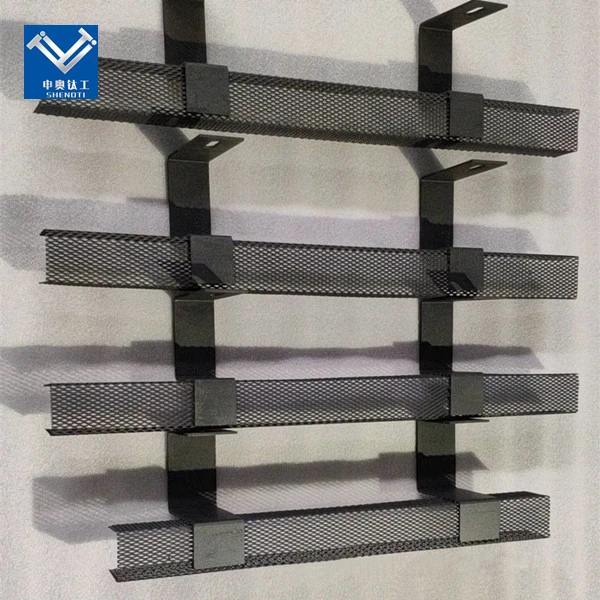
The material system of the titanium based oxide coated electrode fundamentally avoids the issue of lead leaching. The electrode substrate employs high-purity titanium, which is not itself classified as a regulated heavy metal and can spontaneously form a stable passive film under anodic polarization conditions, effectively suppressing metal ion release from the substrate itself. The coating formulation is based on noble metal oxide systems such as RuO₂-IrO₂-TiO₂ or Ta₂O₅-IrO₂, containing no controlled hazardous substances such as lead, mercury, or cadmium.
Under typical operating conditions, this lead-free material system does not release detectable levels of lead ions into the electrolyte throughout the electrode service cycle. For electroplating enterprises, this means a reduced risk of heavy metal cross-contamination in the plating bath and more assured purity of finished deposits. For wastewater treatment operations, lead-free operation can help reduce the risk of sludge being classified as hazardous waste, offering the possibility of disposal as general industrial solid waste and the potential for meaningful hazardous waste disposal cost savings. Furthermore, the adoption of lead-free electrodes can help enterprises provide documentation of lead reduction measures during environmental audits and supply chain compliance reviews. Actual environmental benefits may vary depending on the electrolyte system, operating conditions, and local regulatory classification standards.
Usage Guideline: The environmental compliance advantages of the electrode depend on the specific electrolyte system, operating conditions, and applicable regulations in the target market. Hazardous waste classification is subject to determination by local environmental authorities. Evaluation in the context of actual circumstances is recommended.
Coating Stability: Ensuring Long-Term Environmentally Sound Operation
The lead-free characteristic is not the sole environmental advantage of the titanium based oxide coated electrode. Traditional lead alloy anodes not only leach lead during operation but are also continuously consumed, with anode dimensions changing progressively and causing deterioration of current distribution, necessitating periodic replacement. Spent lead anodes themselves may also be classified as hazardous waste, similarly facing disposal challenges.
The dimensional stability and coating durability of the titanium based oxide coated electrode form the engineering foundation for long-term environmentally sound operation. Coating thickness is typically controlled within the 5 to 15 micrometer range, and through composition ratio and microstructural optimization, extended cumulative operating time can be achieved under appropriate medium conditions. The electrode maintains geometric stability throughout its service cycle, with a gradual coating consumption rate and no generation of macroscopic debris or anode sludge. This means reduced replacement frequency, correspondingly lower generation of spent electrodes, and the spent electrodes themselves do not fall under hazardous waste classification, offering a more straightforward disposal pathway. Within a current density range of 50 to 2000 A/m² and an operating temperature range of 20 to 80°C, the electrode can provide relatively stable electrochemical performance.
Engineering Value for the Environmental Compliance Market
In the EU, North America, and emerging markets where environmental regulations are accelerating in maturity, enterprises are shifting from passive compliance to proactive selection regarding the environmental attributes of electrode materials. The lead-free characteristic of the titanium based oxide coated electrode positions it as an engineering alternative to lead alloy anodes in industries with stringent requirements for product purity and wastewater discharge, such as electroplating, industrial water treatment, and metal foil production.
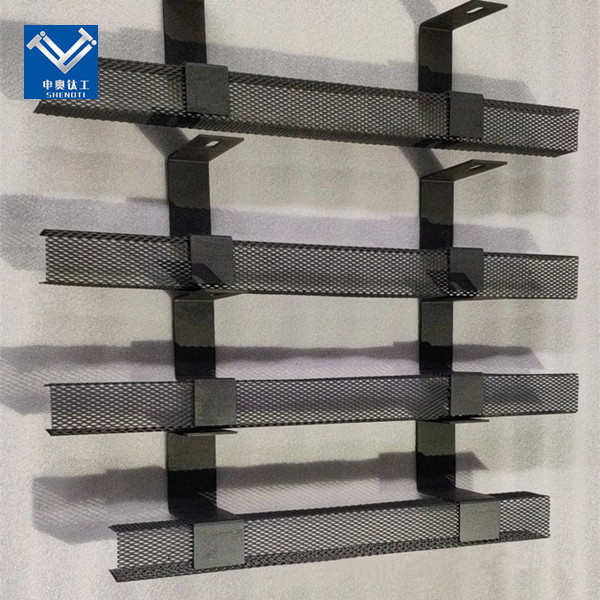
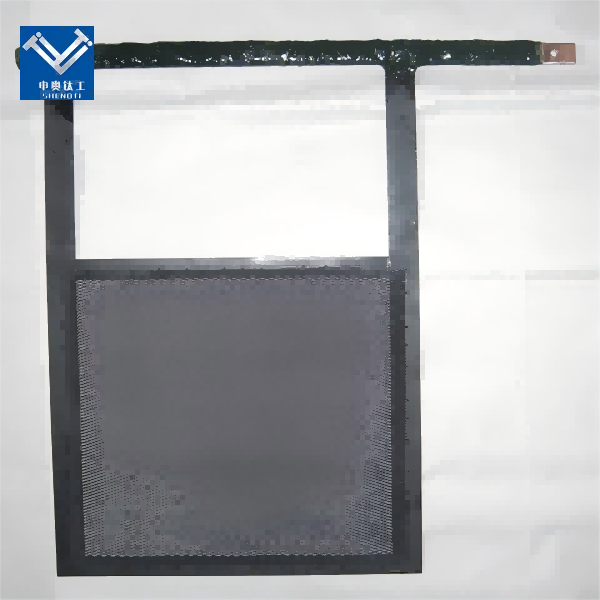
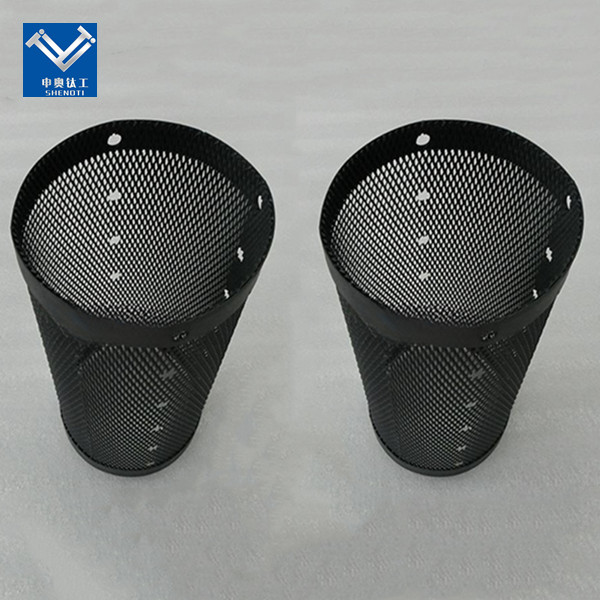
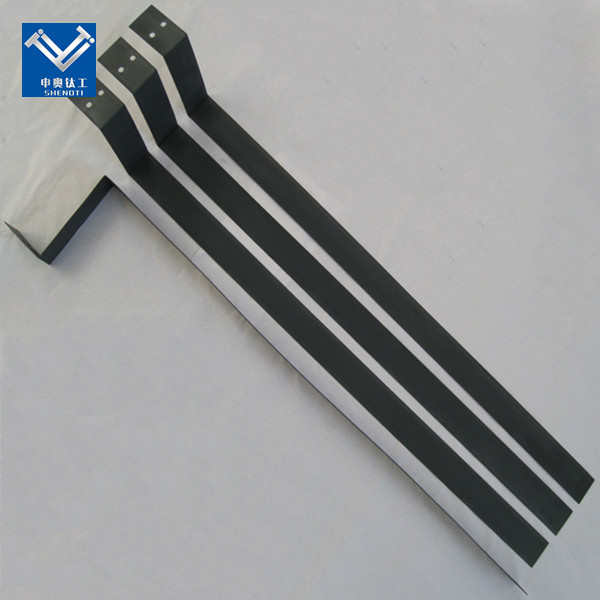
Our titanium based oxide coated electrode products, built on high-purity titanium substrates and coated with lead-free oxide systems such as RuO₂-IrO₂-TiO₂ or Ta₂O₅-IrO₂, can be customized into plate, mesh, tubular, and other geometric configurations according to different electrochemical reactor design requirements.
We encourage industrial users and system engineering firms to conduct bench-scale or pilot validation of titanium based oxide coated electrodes based on their specific electrolyte systems and environmental compliance requirements. By tracking indicators such as changes in metal ion concentration in the electrolyte, sludge hazardous waste classification results, and long-cycle electrode operating performance, the environmental and economic benefits of the lead-free alternative in the target application environment can be evaluated.
Important Note: The descriptions above regarding lead-free characteristics and environmental benefits are based on electrode material composition analysis and operating experience under typical conditions. Actual environmental compliance outcomes depend on the electrolyte system, operating conditions, and applicable regulations in the target market. Hazardous waste classification is subject to determination by local environmental authorities. This product is designed for industrial electrochemical applications. Evaluation in the context of the specific application scenario prior to bulk procurement is recommended.
Titanium Anode Manufacturer
Email: zh@baojiti.com.cn
Products: Titanium Anodes, MMO Titanium Anodes, DSA Coated Titanium Electrodes, Electrolysis Electrodes, Hydrogen Production Electrodes, Wastewater Treatment Titanium Anodes.