Oxide Coated Titanium Electrode with Low Overpotential for Meaningful Energy Savings
2026-06-11 09:03:42
With energy costs continuing to rise and carbon neutrality targets exerting dual pressure, energy efficiency optimization in industrial electrolysis has shifted from an option to a critical requirement. Traditional anode materials, due to their relatively high overpotential for oxygen or chlorine evolution, convert a considerable portion of electrical energy into waste heat rather than productive reactions—a cost factor that accumulates over long-term operations. The titanium based oxide coated electrode, known as the Dimensionally Stable Anode (DSA), is an electrochemical core component engineered to address this energy efficiency challenge.
Overpotential: A Key Factor in Energy Consumption
In the electrolysis process, cell voltage comprises the theoretical decomposition voltage, solution ohmic drop, and electrode overpotentials. Among these, the anode overpotential is a key variable that can be modulated through material design. Traditional graphite or lead-based anodes exhibit relatively high oxygen evolution overpotential, meaning a higher cell voltage must be applied at a given current density, with the additional electrical energy dissipated as Joule heat. This not only increases electricity costs but may also add to the electrolyte cooling burden.
The titanium based oxide coated electrode reduces overpotential through precise tuning of coating composition. Coating formulations are typically based on noble metal oxide systems such as RuO₂-IrO₂-TiO₂ or Ta₂O₅-IrO₂. RuO₂ exhibits a relatively low overpotential for the chlorine evolution reaction, while IrO₂ demonstrates relatively high electrochemical stability under oxygen evolution conditions. By constructing binary or ternary solid solution structures, the coating can optimize electron transfer pathways while maintaining catalytic activity, enabling the anodic reaction to proceed efficiently at a lower potential. Under typical operating conditions, this low overpotential characteristic can help keep cell voltage within a lower range, thereby reducing DC power consumption per unit of product. Actual energy savings may vary depending on electrolyte composition, current density, and operating temperature.
Usage Guideline: Overpotential and energy consumption performance depend on the electrolyte system and operating parameters. Energy efficiency evaluation under actual operating conditions is recommended.
Coating Design: A Systematic Engineering Balancing Activity and Stability
Reducing overpotential is not the sole consideration in coating design. If the coating loses activity rapidly during operation, the initial energy efficiency advantage will diminish over service time. The formulation design of the titanium based oxide coated electrode must strike a balance between catalytic activity and long-term stability.
Coating thickness is typically controlled within the 5 to 15 micrometer range. An overly thin coating may lack sufficient active sites, while an excessively thick coating may increase the risk of spalling due to internal stress accumulation. In terms of composition ratios, the introduction of IrO₂ can help enhance the chemical stability of the coating under acidic oxygen evolution conditions, while inert components such as Ta₂O₅ or TiO₂ may improve coating adhesion to the titanium substrate and thermal expansion compatibility. The substrate employs high-purity titanium (Grade 1 or Grade 2), which can spontaneously form a passive film under anodic polarization conditions, providing a stable supporting platform for the coating. The synergistic design of this material system enables the electrode to maintain relatively stable cell voltage performance within a current density range of 50 to 2000 A/m² and an operating temperature range of 20 to 80°C. Under appropriate medium conditions, the electrode can provide extended cumulative operating time, with actual service life varying depending on electrolyte composition and operating parameters.
Engineering Value for Energy-Sensitive Markets
In regions with elevated energy costs, as well as production sites subject to carbon pricing policies, the energy consumption metrics of electrolysis processes are directly linked to product market competitiveness. For continuously operating electrochemical processes such as chlor-alkali production, water treatment disinfection, and metal electrodeposition, even a steady reduction in cell voltage measured in tens of millivolts can translate into meaningful electricity cost savings over the cumulative annual operating hours.
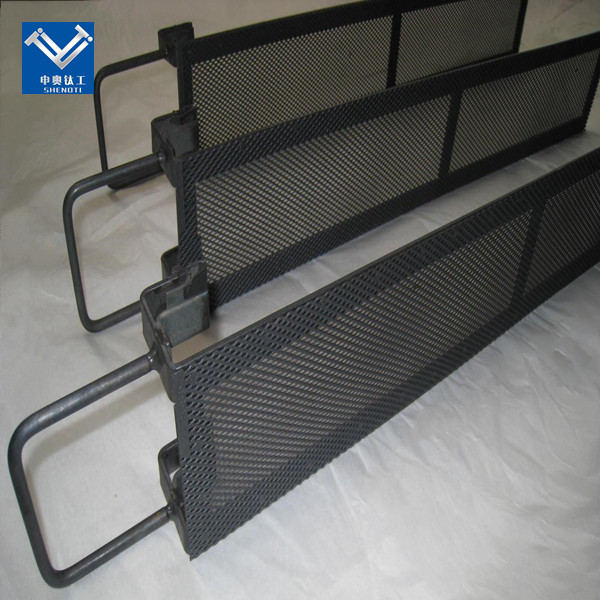
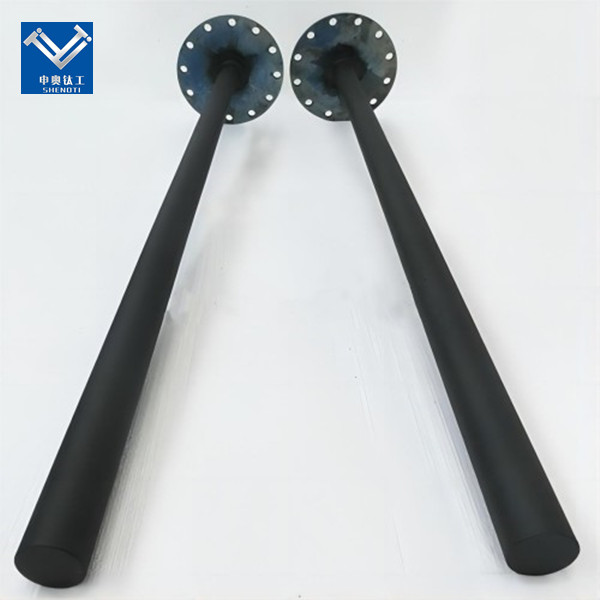
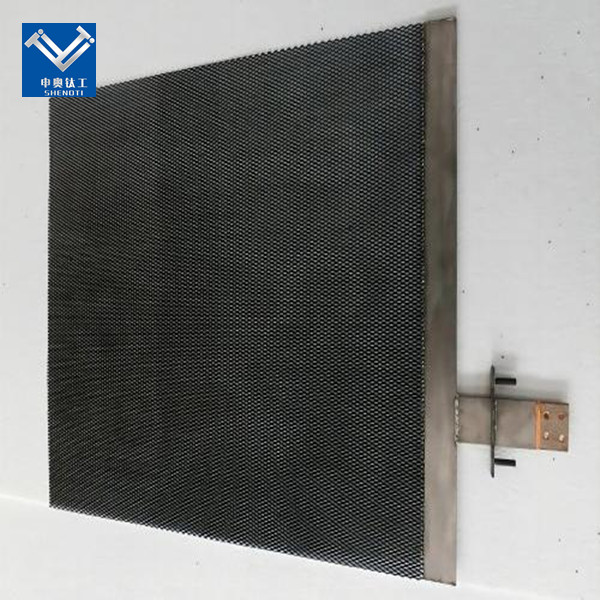
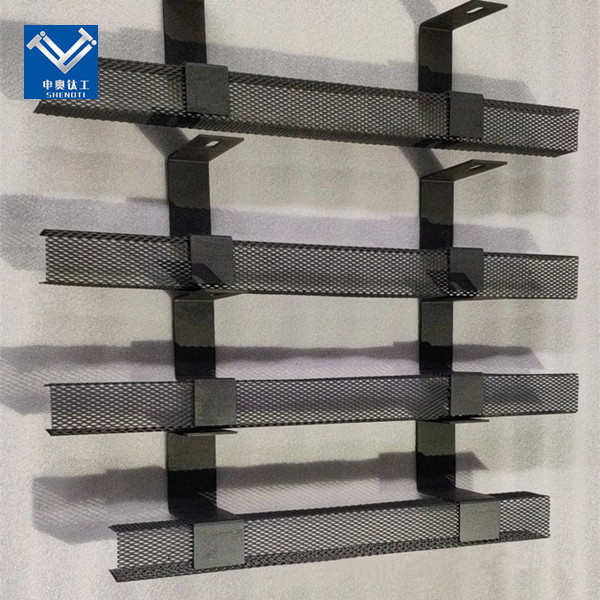
The engineering value of the titanium based oxide coated electrode lies precisely in translating this energy efficiency advantage from laboratory data into sustained production line performance. Our electrode products, built on high-purity titanium substrates and coated with oxide systems such as RuO₂-IrO₂-TiO₂ or Ta₂O₅-IrO₂, can be customized into plate, mesh, tubular, and other geometric configurations according to different electrochemical reactor design requirements.
We encourage industrial users and system engineering firms to conduct bench-scale or pilot validation of titanium based oxide coated electrodes based on their specific electrolyte systems and operating parameters. By tracking indicators such as cell voltage variation trends, current efficiency, and cumulative energy consumption, the long-term energy efficiency performance of the electrode in the target application scenario can be evaluated.
Important Note: The performance descriptions above are based on engineering experience under typical conditions or internal test data. Actual overpotential, energy consumption, and working life may vary depending on electrolyte composition, temperature, current density, and system design. This product is designed for industrial electrochemical applications. Sufficient compatibility validation prior to bulk procurement is recommended.
Titanium Anode Manufacturer
Email: zh@baojiti.com.cn
Products: Titanium Anodes, MMO Titanium Anodes, DSA Coated Titanium Electrodes, Electrolysis Electrodes, Hydrogen Production Electrodes, Wastewater Treatment Titanium Anodes.