Titanium Anodes for Industrial Hydrogen Electrolysis Systems: High-Performance Electrode Solutions for Green Hydrogen Production
2026-06-03 16:02:57
With the increase of investment in renewable energy, green hydrogen plant, alkaline electrolyzer, PEM electrolyzer and water electrolysis project, the demand for titanium anode in industrial hydrogen electrolysis system continues to grow. These electrodes have excellent corrosion resistance, electrocatalytic activity and long service life, making them the first choice for global industrial hydrogen production facilities.
What Are Titanium Anodes for Industrial Hydrogen Electrolysis Systems?
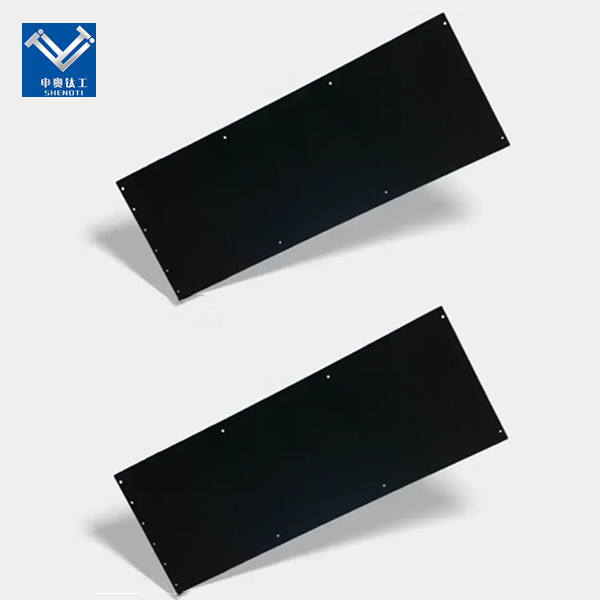
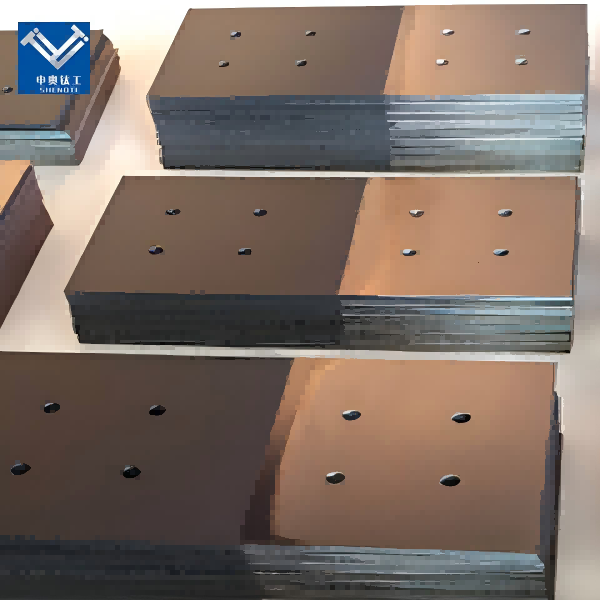
Titanium anodes for industrial hydrogen electrolysis systems are advanced electrochemical electrodes designed to serve as the oxygen evolution electrode during water electrolysis. Manufactured using high-purity titanium substrates and specialized catalytic coatings, these anodes facilitate efficient oxygen evolution reactions while maintaining excellent stability under harsh operating conditions.
In industrial hydrogen electrolysis systems, titanium anodes play a vital role by:
Enhancing electrolysis efficiency
Reducing energy consumption
Improving hydrogen production rates
Extending equipment lifespan
Minimizing maintenance requirements
Supporting continuous industrial operation
Due to their outstanding electrochemical properties, titanium anodes for industrial hydrogen electrolysis systems are widely used in renewable energy projects, hydrogen fueling infrastructure, ammonia production, chemical processing, and energy storage applications.
Why Titanium Anodes Are Essential for Industrial Hydrogen Electrolysis Systems
Excellent Corrosion Resistance
One of the primary advantages of titanium anodes for industrial hydrogen electrolysis systems is their remarkable resistance to corrosion.
Industrial electrolyzers operate under highly aggressive environments involving:
Strong alkaline electrolytes
Acidic electrolytes
High current densities
Elevated temperatures
Continuous electrochemical reactions
Titanium naturally forms a protective oxide layer that prevents degradation and ensures long-term operational stability.
High Electrocatalytic Efficiency
Modern titanium anodes for industrial hydrogen electrolysis systems are coated with advanced catalytic materials such as:
Iridium oxide (IrO₂)
Ruthenium oxide (RuO₂)
Mixed metal oxides (MMO)
Precious metal catalyst coatings
These coatings significantly lower oxygen evolution overpotential and improve overall energy efficiency.
Long Service Life
Compared with conventional electrode materials, titanium anodes for industrial hydrogen electrolysis systems provide:
Extended operational lifespan
Reduced replacement frequency
Stable electrochemical performance
Lower lifecycle costs
This makes them highly attractive for large-scale hydrogen production facilities operating 24/7.
Manufacturing Process of Titanium Anodes for Industrial Hydrogen Electrolysis Systems
Titanium Substrate Preparation
The production of titanium anodes for industrial hydrogen electrolysis systems begins with premium-grade titanium materials.
Common substrate forms include:
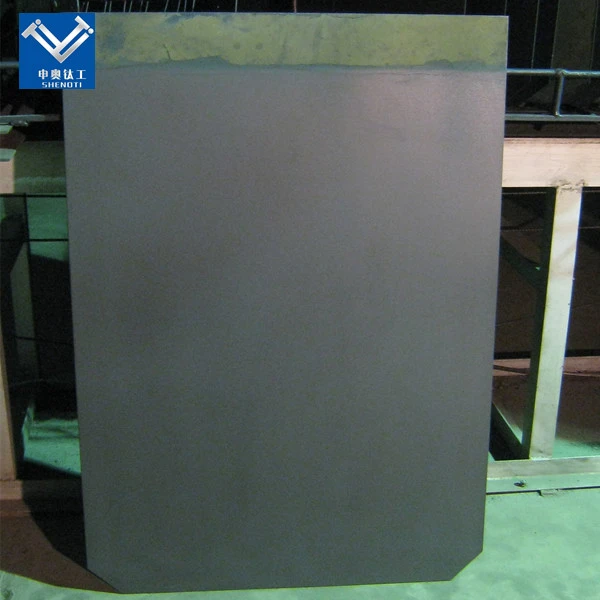
Titanium plates
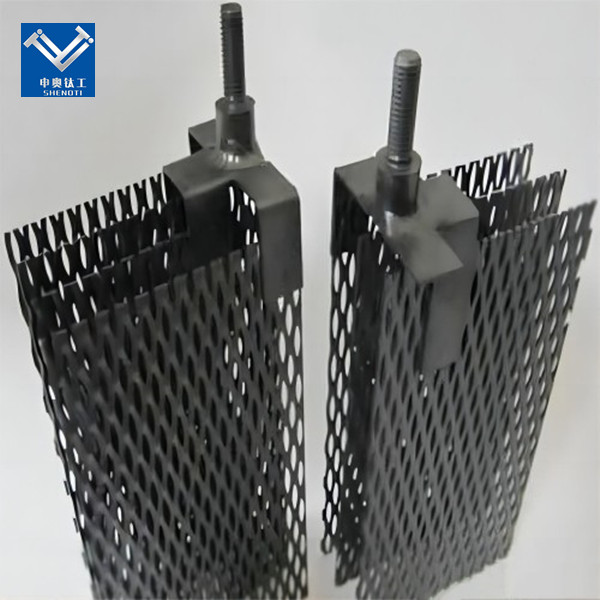
Titanium mesh
Expanded titanium metal
Titanium perforated sheets
The substrate undergoes rigorous preparation procedures including:
Mechanical polishing
Surface grinding
Ultrasonic cleaning
Degreasing treatment
Acid activation
Proper surface preparation ensures optimal coating adhesion and electrode durability.
Catalytic Coating Application
The performance of titanium anodes for industrial hydrogen electrolysis systems largely depends on the catalytic coating technology.
The coating process generally includes:
Precious metal precursor formulation
Multiple coating cycles
Thermal decomposition treatment
High-temperature sintering
Surface stabilization
The resulting catalytic layer provides excellent oxygen evolution activity and corrosion resistance.
Quality Control and Testing
Every batch of titanium anodes for industrial hydrogen electrolysis systems undergoes strict inspection procedures.
Testing parameters include:
Coating thickness measurement
Surface morphology analysis
Electrochemical activity evaluation
Accelerated life testing
Corrosion resistance verification
Current efficiency testing
These quality control measures ensure reliable performance in industrial environments.
Technical Features of Titanium Anodes for Industrial Hydrogen Electrolysis Systems
Low Oxygen Evolution Overpotential
A key advantage of titanium anodes for industrial hydrogen electrolysis systems is their ability to reduce oxygen evolution overpotential.
Benefits include:
Lower cell voltage
Reduced energy consumption
Higher hydrogen production efficiency
Improved process economics
High Current Density Capability
Industrial hydrogen production often requires operation under high current density conditions.
Advanced titanium anodes offer:
Stable performance above 2000 A/m²
Uniform current distribution
Reduced energy loss
Enhanced production capacity
Superior Mechanical Strength
The robust titanium substrate provides:
Excellent structural stability
Resistance to deformation
High fatigue strength
Long-term reliability
These properties make titanium anodes for industrial hydrogen electrolysis systems ideal for continuous industrial operation.
Applications of Titanium Anodes for Industrial Hydrogen Electrolysis Systems
Green Hydrogen Production Plants
The rapid expansion of renewable energy projects has increased demand for green hydrogen production.
Titanium anodes for industrial hydrogen electrolysis systems are extensively used in:
Solar-powered electrolyzers
Wind-powered hydrogen facilities
Renewable energy storage projects
Decarbonization initiatives
Their efficiency helps reduce hydrogen production costs while improving sustainability.
Alkaline Water Electrolysis Systems
Alkaline electrolysis remains one of the most mature hydrogen production technologies.
Titanium anodes are widely adopted in:
Large-scale hydrogen plants
Industrial gas production
Chemical manufacturing facilities
Energy storage systems
PEM Water Electrolysis Systems
Proton Exchange Membrane (PEM) technology requires highly efficient electrode materials.
Titanium anodes for industrial hydrogen electrolysis systems support:
High-purity hydrogen production
Dynamic load response
Compact system design
Renewable energy integration
Chlor-Alkali and Chemical Industries
Many industrial sectors utilize hydrogen as a process gas.
Applications include:
Chlor-alkali production
Ammonia synthesis
Methanol manufacturing
Refinery operations
Specialty chemical production
Successful Industrial Application Case
Renewable Energy Hydrogen Project
A utility-scale green hydrogen facility integrated advanced titanium anodes for industrial hydrogen electrolysis systems into a 20 MW electrolyzer installation powered by solar energy.
Project results included:
Improved electrolysis efficiency
Reduced operating voltage
Increased hydrogen output
Lower maintenance costs
Enhanced system reliability
The project demonstrated the significant economic value of high-performance titanium anode technology.
Chemical Manufacturing Plant Upgrade
A chemical manufacturer modernized its hydrogen generation equipment using MMO-coated titanium anodes for industrial hydrogen electrolysis systems.
After implementation, the facility achieved:
Higher hydrogen production capacity
Reduced electricity consumption
Longer electrode service life
Lower operational expenses
The investment delivered measurable cost savings and improved production efficiency.
Key Technical Specifications
Typical titanium anodes for industrial hydrogen electrolysis systems offer the following performance characteristics:
Material Specifications
Grade 1 titanium
Grade 2 titanium
Expanded titanium mesh
Titanium perforated plate
Coating Options
Iridium oxide coating
Ruthenium-iridium coating
Mixed metal oxide coating
Customized catalyst formulations
Operating Conditions
High current density operation
Long-term continuous service
Strong alkaline resistance
High electrochemical stability
Design Configurations
Plate anodes
Mesh anodes
Tubular anodes
Customized electrode assemblies
Advantages of Choosing Titanium Anodes for Industrial Hydrogen Electrolysis Systems
When selecting electrode technology for hydrogen production, titanium anodes for industrial hydrogen electrolysis systems provide several competitive advantages:
Lower Energy Consumption
Efficient catalytic coatings reduce electrical losses and improve hydrogen production economics.
Extended Electrode Lifespan
High-quality titanium substrates and advanced coating technologies ensure long-term performance.
Reduced Maintenance Costs
Long service intervals minimize operational disruptions and maintenance expenses.
Environmental Sustainability
Titanium anodes support clean hydrogen generation and contribute to global carbon reduction goals.
Reliable Industrial Performance
Proven operation in demanding environments makes titanium anodes for industrial hydrogen electrolysis systems a trusted solution for industrial hydrogen producers worldwide.
Future Trends in Hydrogen Electrolysis Technology
As the hydrogen economy continues to expand, demand for advanced titanium anodes for industrial hydrogen electrolysis systems is expected to increase significantly.
Emerging developments include:
Ultra-low overpotential catalyst coatings
Next-generation PEM electrolyzers
High-current-density electrode designs
Offshore hydrogen production platforms
Large-scale renewable hydrogen facilities
These innovations will further improve efficiency and reduce the cost of green hydrogen production.
Conclusion
Titanium anodes for industrial hydrogen electrolysis systems are fundamental components in modern hydrogen production technology. Combining exceptional corrosion resistance, high electrocatalytic efficiency, long service life, and outstanding operational reliability, these advanced electrodes enable efficient and sustainable hydrogen generation across a wide range of industrial applications.
Whether used in alkaline electrolysis systems, PEM electrolyzers, renewable energy hydrogen plants, or large-scale chemical manufacturing facilities, titanium anodes for industrial hydrogen electrolysis systems provide the performance, durability, and efficiency required to support the rapidly growing global hydrogen economy. Investing in high-quality titanium anodes for industrial hydrogen electrolysis systems ensures improved productivity, reduced operating costs, and long-term success in industrial hydrogen production.
mailbox:18729700392@163.com